By Yongchang Chin (Bloomberg) Oil tumbled to the lowest level since December as a wave of unrest in China punished risk assets and clouded the outlook for energy demand, adding to the stresses in an already-volatile global crude market.
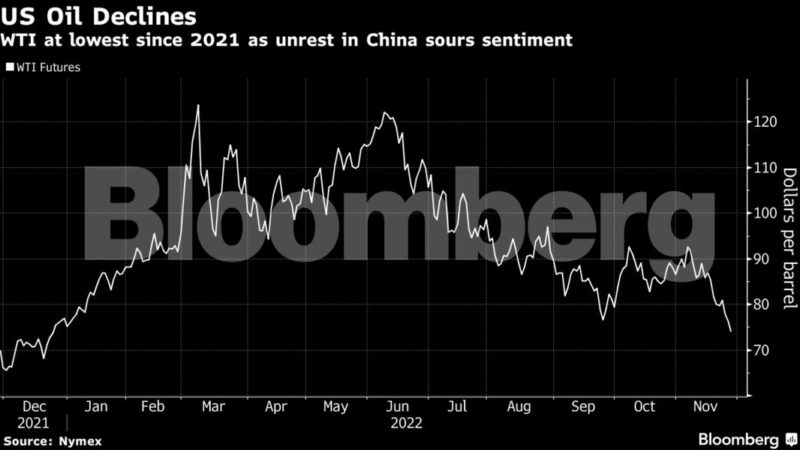
West Texas Intermediate sank toward $74 a barrel following three weeks of losses, while Brent traded around $81. Protests over harsh anti-virus curbs erupted across the world’s largest crude importer over the weekend, including demonstrations in Beijing and Shanghai, spurring a broad sell-off in commodities as the week opened. The rare show of defiance is raising the threat of a government crackdown.
The unrest comes after a sharp pullback in the oil market as the risk of a slowdown in China looms and the European Union floated a price cap on Russian crude that looks set to have minimal impact on trade. Speculators have been forced to markedly reduce bullish bets, posting the sixth-largest reduction in net-long positions on record for Brent last week.
More volatility is likely on the cards for oil in the coming days. OPEC+ will meet Sunday to decide on its next output level, while EU nations continue to negotiate plans for the price cap on Russian oil. The OPEC+ meeting will take place after the nearest portion of the Brent and WTI futures curves flipped into contango — a bearish structure indicating oversupply — with physical markets also under pressure.
“The current sentiment is anything but upbeat,” said Tamas Varga, an analyst at brokerage PVM Oil Associates Ltd. “It is not only confirmed by the weekly fall in outright futures prices but also by the contango that made a re-appearance both in WTI and Brent last week.”
Congestion data from Baidu showed peak-hour traffic in major Chinese cities on Monday morning declining sharply. In Beijing, the capital, traffic was down 45% from a year ago, while in Guangzhou it was 35% lower. Chinese oil demand could average of 15.11 million barrels a day this quarter, down from 15.82 million a year ago, according to Kpler, a data and analytics firm.
The “demand outlook will deteriorate before it gets better,” said Fenglei Shi, director of Greater China oil market midstream and downstream at S&P Global Commodity Insights, citing an uptick in lockdowns.
Adding to the outlook for higher supply, the US moved to grant super major Chevron Corp. a license to resume oil production in Venezuela after sanctions had halted all drilling activities almost three years ago. The sanctions relief comes after Norwegian mediators announced the restart of political talks between President Nicolas Maduro and the opposition this weekend.
Prices:
WTI for January delivery shed as much as 3.5% to $73.60 a barrel on the New York Mercantile Exchange, before trading at $74.96 at 9:38 a.m. in London.
Brent for January settlement was 3.1% lower at $81.02 a barrel.
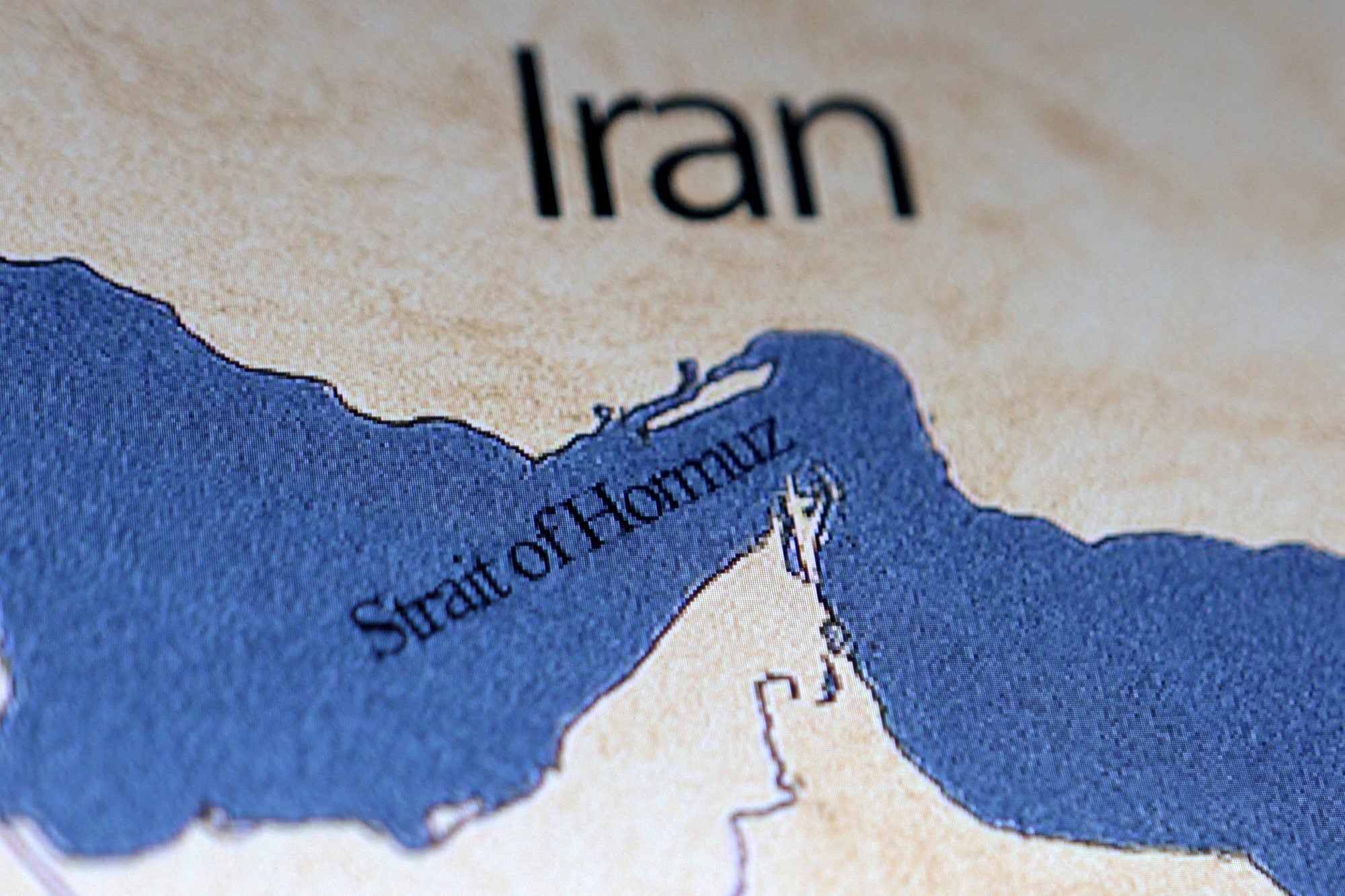
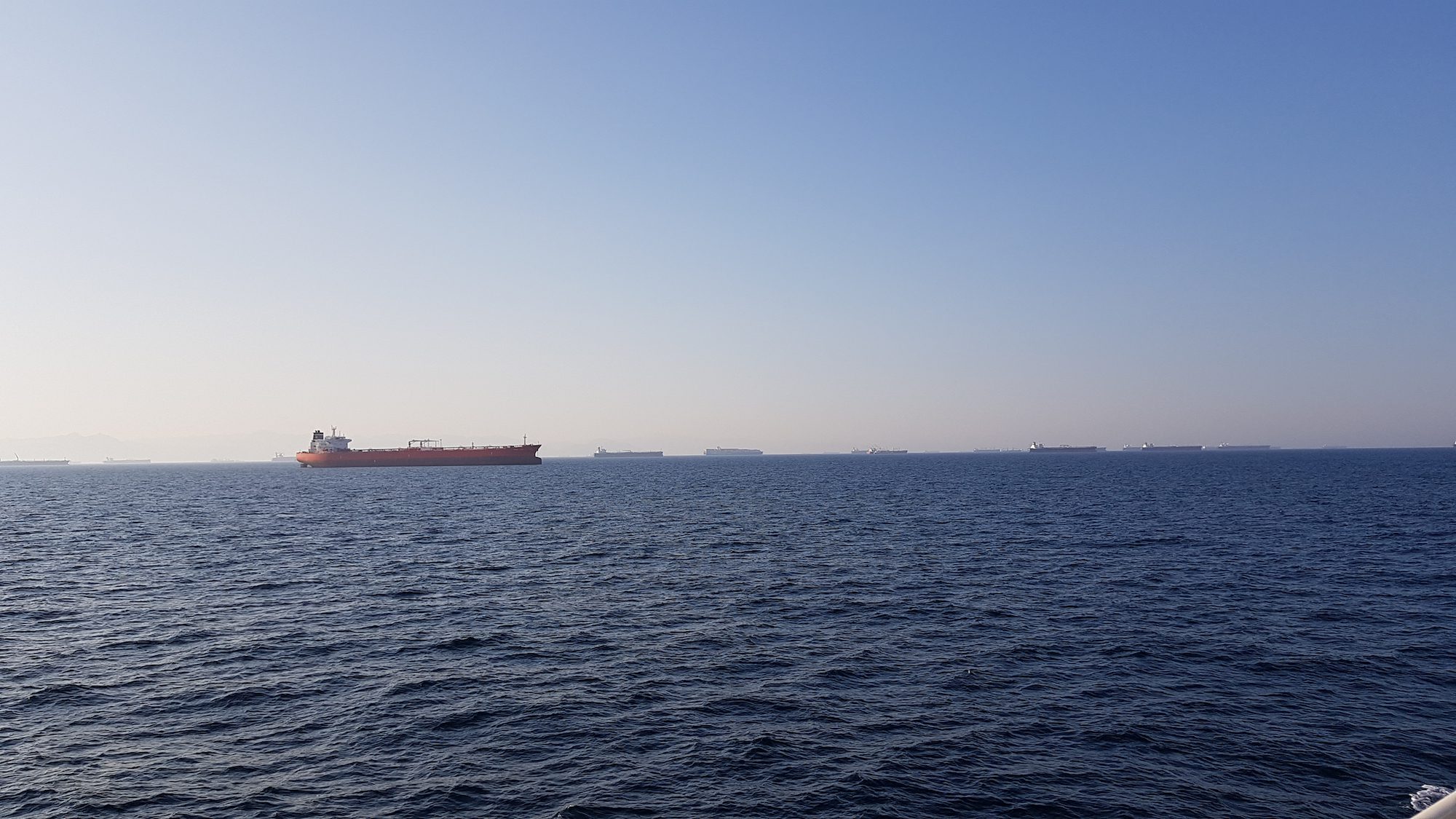
Oil and gas prices surged as Israeli and U.S. strikes on Iran disrupted Middle East facilities and shipping through the Strait of Hormuz. Four tankers damaged, one seafarer killed, and 150 ships stranded as Qatar declares force majeure on LNG shipments.
Oil gained the most since October as traders weighed whether talks between the US and Iran will be enough to avert conflict, following a report that American military intervention could come sooner than expected.
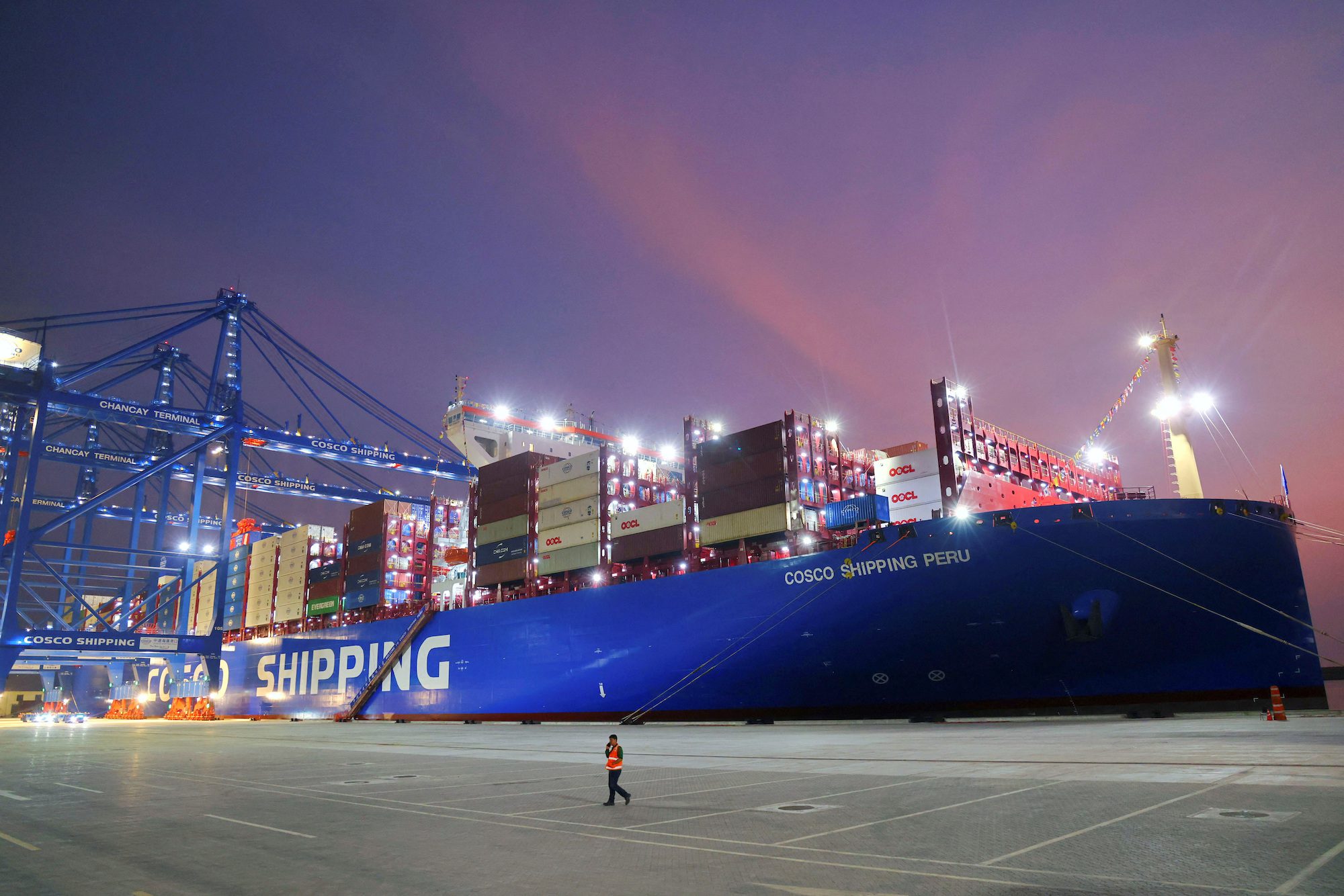
The Trump administration warned that Peru is losing sovereignty over a Chinese-owned port near its capital city, after a local judge ruled that the port is exempt from some regulatory oversight.
February 11, 2026
Total Views: 2294
Get The Industry’s Go-To News
Subscribe to gCaptain Daily and stay informed with the latest global maritime and offshore news
— just like 107,166 professionals
Secure Your Spot
on the gCaptain Crew
Stay informed with the latest maritime and offshore news, delivered daily straight to your inbox
— trusted by our 107,166 members
Your Gateway to the Maritime World!
Essential news coupled with the finest maritime content sourced from across the globe.

 Join The Club