byOliver Milman (TheGuardian) The largest migration on Earth is very rarely seen by human eyes, yet it happens every day. Billions of marine creatures ascend from as far as 2km below the surface of the water to the upper reaches of the ocean at night, only to then float back down once the sun rises.
This huge movement of organisms – ranging from tiny cockatoo squids to microscopic crustaceans, shifting for food or favourable temperatures – was little known to science until relatively recently.
In fact, almost all of the deep ocean, which represents 95% of the living space on the planet, remains inscrutable, despite the key role it plays in supporting life on Earth, such as regulating the air we breathe. Scientists are only now starting to overturn this ignorance, at a time when this unknown world is being subjected to rising temperatures, ocean acidification and the strewn waste expelled by humans.
“The deeper we go, the less we know,” said Nick Schizas, a marine biologist at the University of Puerto Rico. “The majority of habitat of Earth is the deeper areas of the ocean. Yet we know so little about it.”
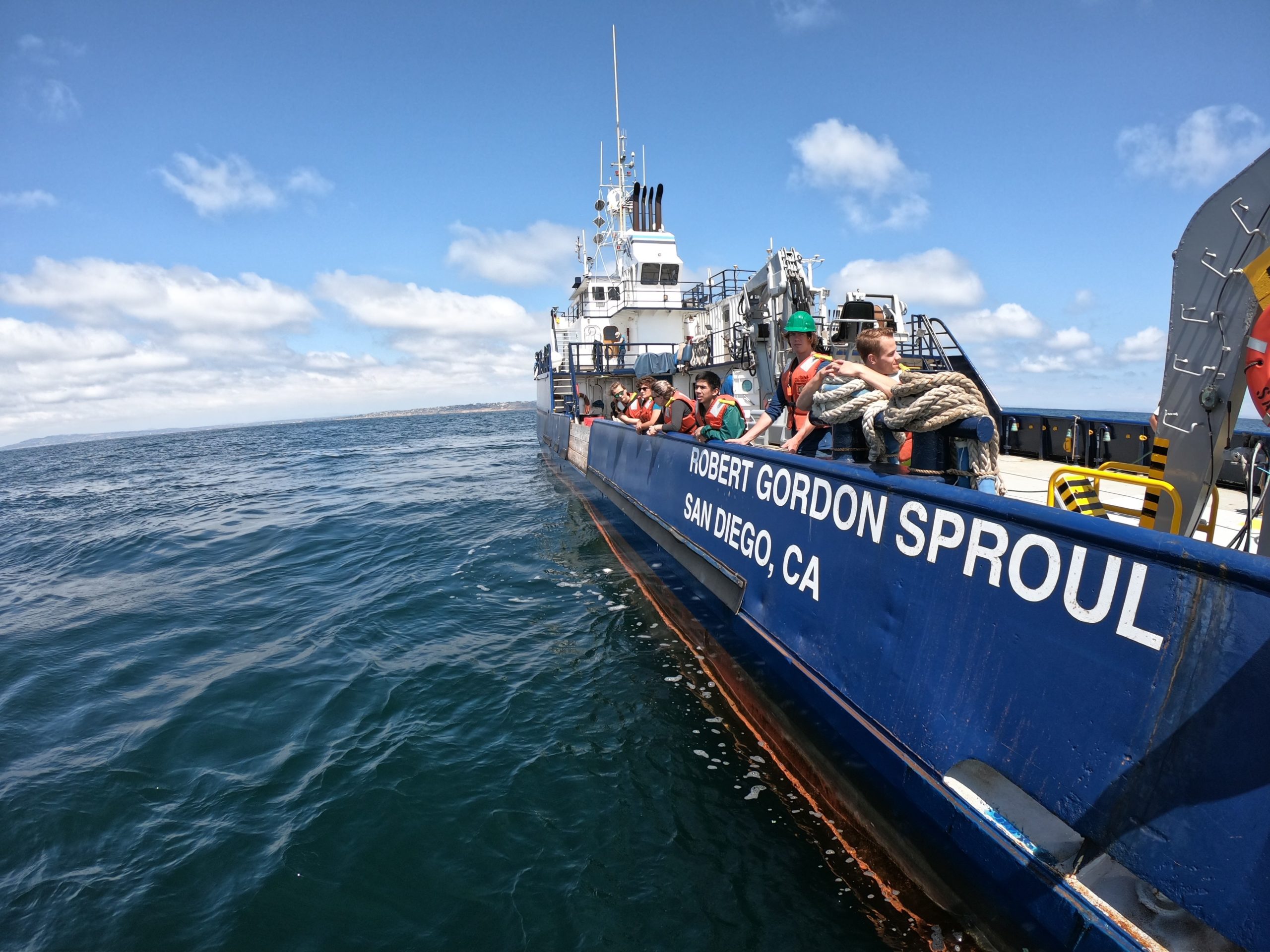
Schizas is part of a new research mission that will, for the first time, provide a comprehensive health check of the deep oceans that future changes will be measured against. The consortium of scientists and divers, led by Nekton, is backed by XL Catlin, which has already funded a global analysis of shallow water coral reefs. The new mission is looking far deeper – onwards of 150m down, further than most research that is restricted by the limits of scuba divers.
We already know of some of the creatures of the deep – such as the translucent northern comb jelly, the faintly horrifying fangtooth and the widely derided blobfish – where the pressure is up to 120 times greater than the surface. The deep sea was further illuminated during the film director James Cameron’s cramped solo “vertical torpedo” dive to the 11km deep Mariana trench in 2012.
Yet only an estimated 0.0001% of the deep ocean has been explored. The Nekton researchers are discovering a whole web of life that could be unknown to science as they attempt to broaden this knowledge. The Guardian joined the mission vessel Baseline Explorer in its survey off the coast of Bermuda, where various corals, sponges and sea slugs have been hauled up from the deep.
“Every time we look in the deep sea, we find a lot of new species,” said Alex Rogers, an Oxford University biologist who has previously found a new species of lobster in the deep Indian Ocean and huge hydrothermal vents off Antarctica.
By Gloria Dickie CAPE COD BAY, Massachusetts, June 6 (Reuters) – In Cape Cod Bay, 10-year-old Pilgrim and her calf skim the water’s glassy surface alongside the Shearwater research vessel to feed...
The International Maritime Organization’s (IMO) low sulphur fuel regulation was a marked shift in the shipping industry’s efforts to reduce air pollution from ships. Known as “IMO 2020”, the regulation...
By Iain Barber (the Conversation) On summer evenings in the 1980s, the residents of a houseboat community in Sausalito, California would often have trouble sleeping. A bizarre and persistent humming...
January 10, 2022
Total Views: 9092
Get The Industry’s Go-To News
Subscribe to gCaptain Daily and stay informed with the latest global maritime and offshore news
— just like 104,384 professionals
Secure Your Spot
on the gCaptain Crew
Stay informed with the latest maritime and offshore news, delivered daily straight to your inbox
— trusted by our 104,384 members
Your Gateway to the Maritime World!
Essential news coupled with the finest maritime content sourced from across the globe.

 Join The Club