The Trump administration has snapped back to full “maximum pressure” on Iran’s oil trade, ending a short-lived sanctions reprieve while unleashing a sweeping crackdown on the shipping networks that keep Iranian crude moving.
In a coordinated escalation, the U.S. Treasury on Wednesday sanctioned more than two dozen individuals, companies, and vessels tied to Iranian oil magnate Mohammad Hossein Shamkhani, while confirming that temporary waivers allowing Iranian oil sales at sea will expire this week and will not be renewed.
The combined moves mark the clearest signal yet that Washington is shifting from market stabilization back to enforcement.
The Waiver Is Over
On March 20, OFAC took the unusual step of issuing a 30-day general license allowing the sale of Iranian oil already loaded on vessels, unlocking roughly 140 million barrels stranded at sea in an effort to cool surging prices.
That window is now closing. Treasury Secretary Scott Bessent confirmed the administration will not renew the waiver, effectively ending the policy that temporarily allowed Iranian and Russian oil to flow despite sanctions.
Treasury Targets the Shipping Backbone
With the waiver expiring, Treasury is now focusing squarely on the tankers and entities driving Iran’s oil trade.
Today’s sanctions target the network of Mohammad Hossein Shamkhani, which U.S. officials describe as a central hub in a global system moving Iranian and Russian petroleum through a fleet of tankers and front companies.
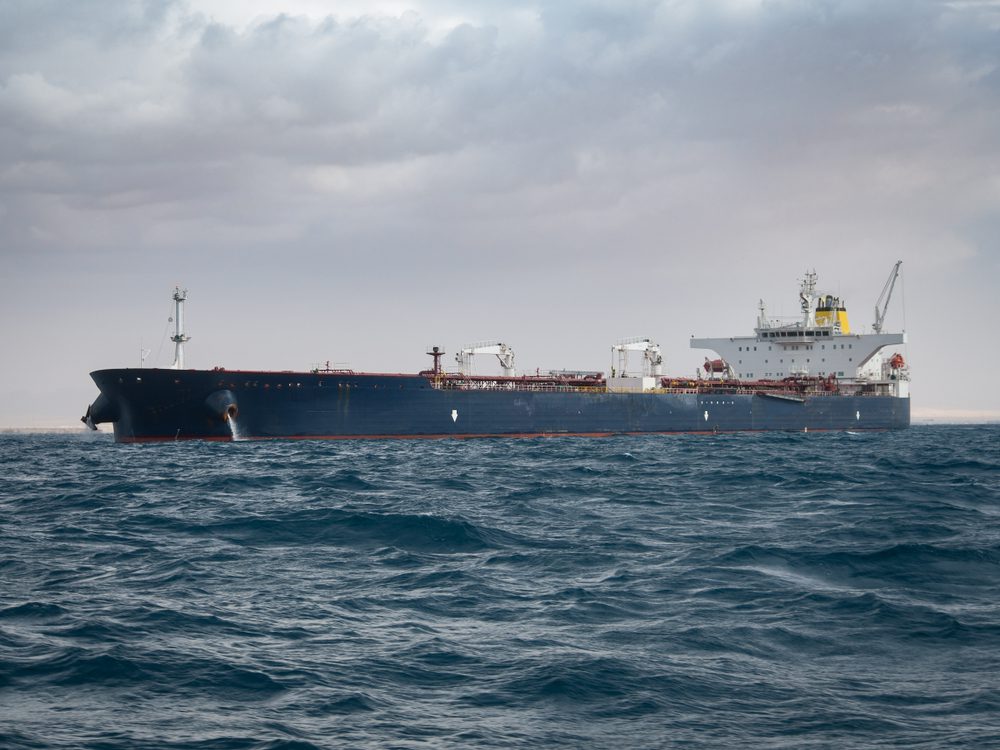
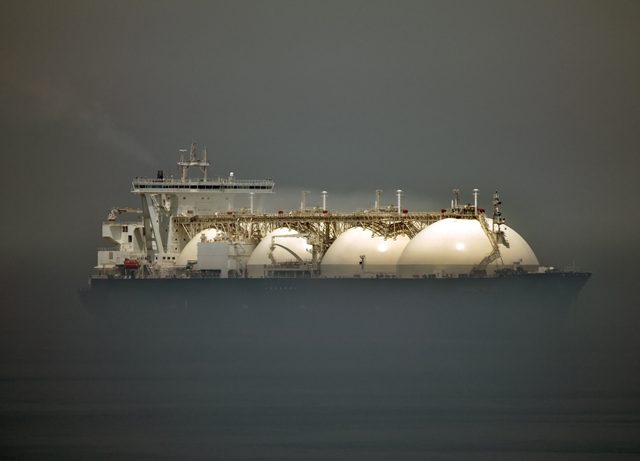
The action includes a mix of crude, product, and LPG carriers operating under multiple flags and ownership structures designed to obscure control.
Mohammad Hossein Shamkhani is son of Ali Shamkhani, the former senior political advisor to Iran’s former Supreme Leader Ali Khamenei, who was killed in a U.S.-Israeli strike at the start of the conflict. The Shamkhani family is reported to control a fleet of nearly 40 tankers operating across multiple jurisdictions.
Among the most prominent is the Mozambique-flagged LPG carrier AURA (IMO 9274563), which Treasury says has transported more than three million barrels of Iranian LPG since the beginning of 2025. The vessel is owned and operated by Marshall Islands-based Aura Lines Inc., which was also designated.
A cluster of tankers managed by India-based Fleet Tanqo Private Limited was also targeted, including the Panama-flagged HORAE (IMO 9413004), VERSA (IMO 9379301), ANAYA (IMO 9326885), and DAPHNE V (IMO 9321677), along with the Cameroon-flagged SILVAR (IMO 9291262). Treasury said these vessels collectively carried more than 20 cargoes of Russian petroleum products in 2025 alone, underscoring the dual Iran-Russia trade flows running through the network.
Additional vessels tied to Marshall Islands-based Hapuka Marine Ltd., Nardie International S.A., and Anika Lines Inc. were also identified, including the Cameroon-flagged CAUVERI (IMO 9282508), Panama-flagged BELLARIS (IMO 9332614), and ANIKA (IMO 9417464). According to Treasury, each has transported millions of barrels of Russian oil or petroleum products on behalf of the Shamkhani network.
Taken together, the designations highlight the scale and diversity of the fleet—spanning multiple flag states, ownership layers, and cargo types—used to move sanctioned oil while evading detection.
A Network Built for Evasion
Treasury said the Shamkhani network operates through a web of front companies across the UAE, India, and the Marshall Islands, handling ship management, procurement, logistics, and financial operations.
These firms allow the network to maintain a steady flow of vessels, crews, and cargoes while masking ownership and shielding transactions from scrutiny.
The structure reflects a broader evolution in the shadow fleet model, where ships are only one piece of a larger system designed to survive sanctions pressure.
Blockade Brings Enforcement to Sea
While Treasury tightens the financial vise, the Pentagon is enforcing pressure on the high-seas.
U.S. forces say their blockade of Iranian ports has already stopped Iran’s seaborne trade, with at least nine vessels turned back and no successful transits reported in the opening phase of enforcement.
The blockade targets ships entering or leaving Iranian ports, with warnings that vessels attempting to breach it could be boarded, diverted, or seized.
Even outside Iranian ports, the impact is spreading. Traffic through the Strait of Hormuz remains technically open for non-Iranian trade, but movements have slowed sharply as shipowners reassess risk in a region now defined by both sanctions and active interdiction.
With secondary sanctions looming, vessels being designated, and a blockade actively enforced, the margin for operating in or around Iran-linked oil flows is narrowing rapidly.

 Join The Club