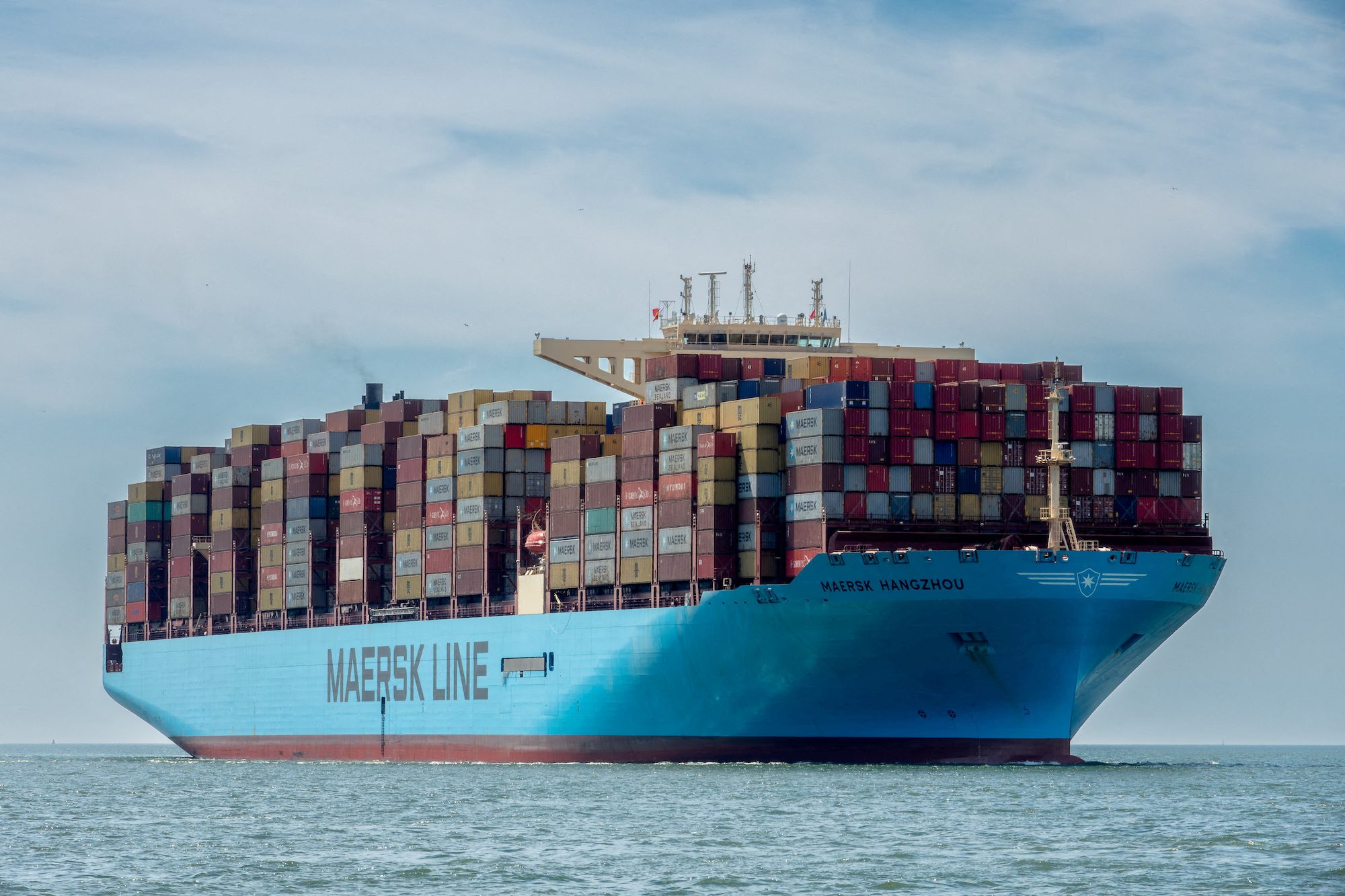
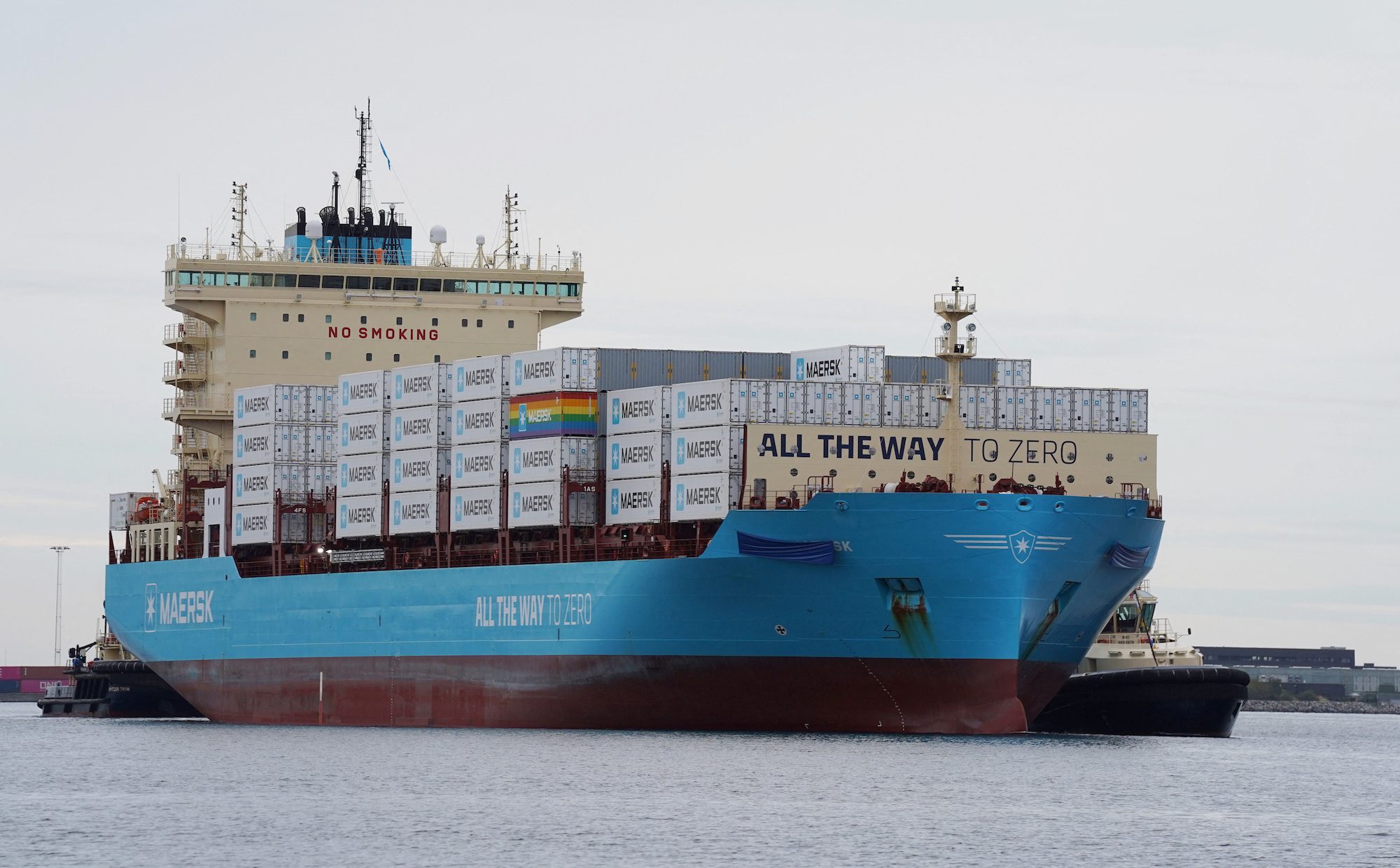
COPENHAGEN, Oct 9 (Reuters) – Maersk shares fell on Thursday on expectations a Gaza ceasefire deal could eventually restore container shipping routes through the Red Sea and Suez Canal, easing a capacity crunch that has supported freight rates.
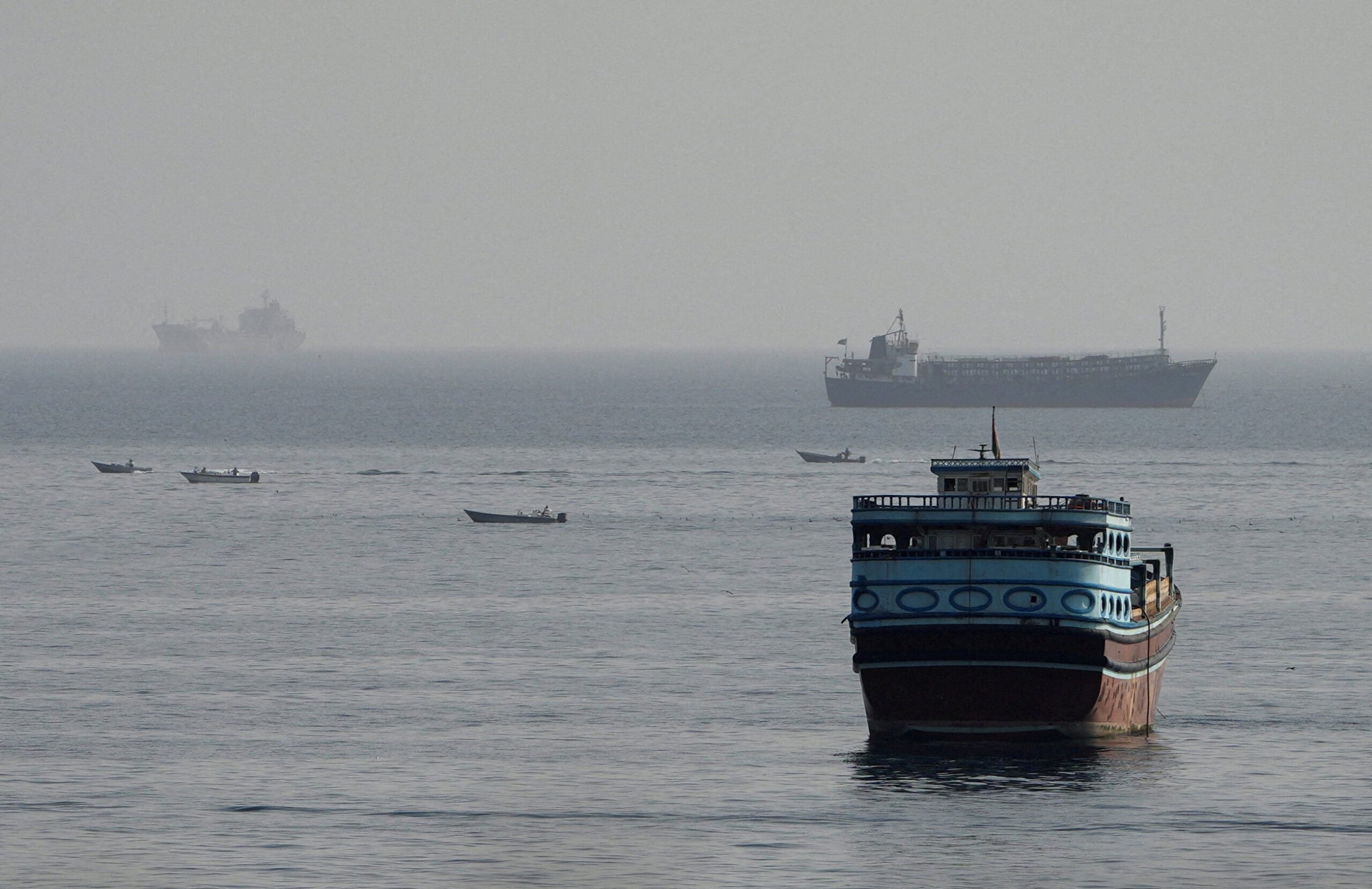
Israel and Hamas agreed on Wednesday to the first phase of U.S. President Donald Trump’s plan for Gaza, raising hopes Yemen’s Iran-aligned Houthi forces might halt attacks on commercial shipping in the Red Sea. Such attacks have forced shippers to reroute south of Africa since late 2023.
However, the Houthis have yet to comment on the ceasefire deal or signal any policy change. The group claimed responsibility for attacking a Dutch-operated vessel last week.
Shares in the Danish shipping company were down 2% at 1025 GMT, touching their lowest since July 8.
“Maersk is falling due to the expectation of further drops in the freight rates in connection with a higher probability of safe passage through the Red Sea,” Sydbank analyst Mikkel Emil Jensen said.
Analysts warned that even if the ceasefire holds, shipping companies were likely to wait months for assurances that attacks will not resume.
A Maersk spokesperson reiterated the group will consider resuming transit through the Red Sea only once a long-term and viable security solution had been established.
“There is a clear link between the security risks in the Bab al-Mandab Strait and the conflict in Gaza, though it remains too early to assess how progress in Gaza will influence the situation in the Red Sea,” it said.
“We hope this agreement marks the first step toward ending the conflict and achieving lasting peace.”
A return to Suez would increase available shipping capacity and put further pressure on freight rates, which have already declined from peaks earlier this year, according to analysts at Sydbank and ABG Sundal Collier.
(Reporting by Vera Dvorakova. Writing by Stine Jacobsen and Anna Ringstrom, Editing by acob Gronholt-Pedersen, Mark Potter and Susan Fenton)
(c) Copyright Thomson Reuters 2025.

 Join The Club