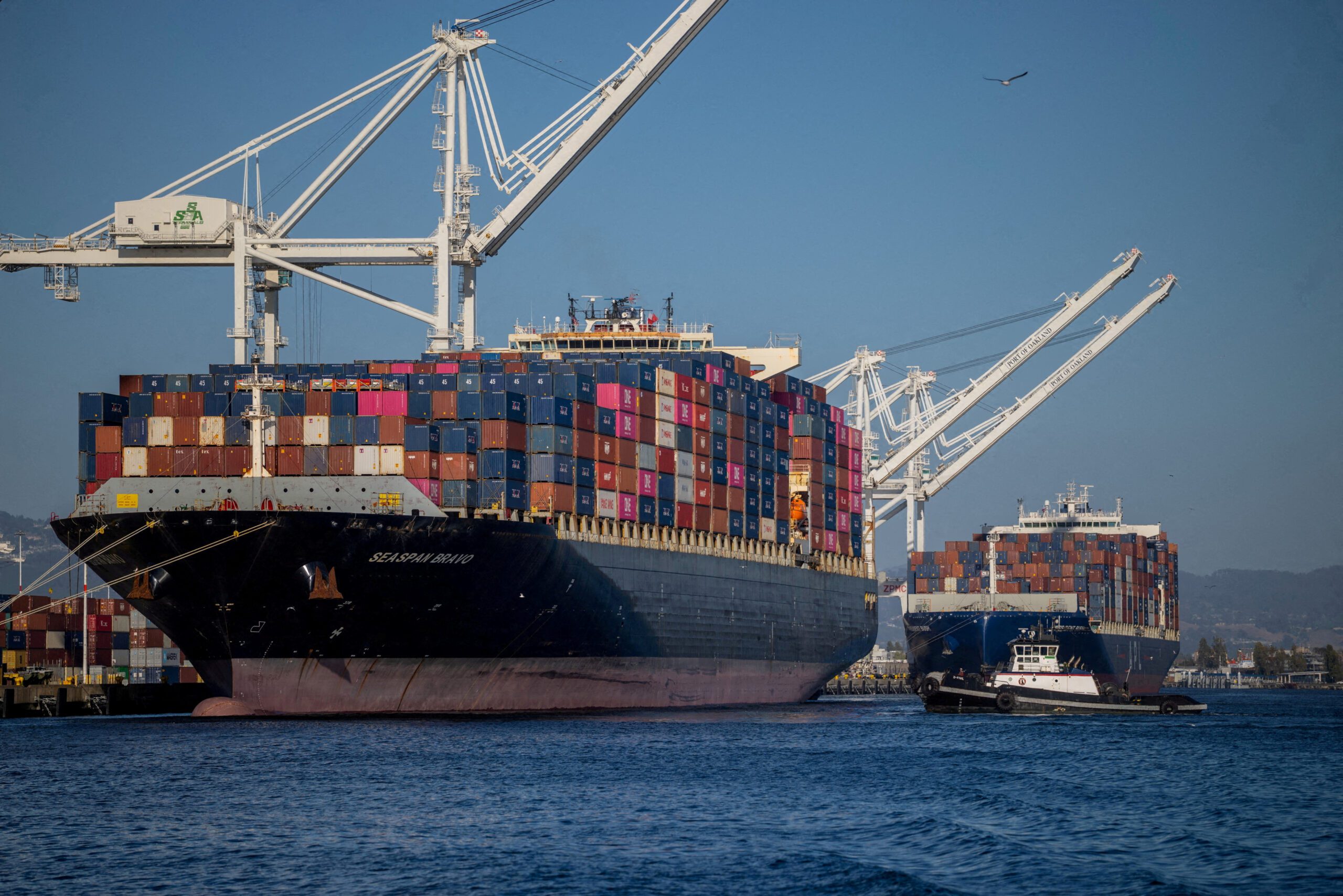
The maritime industry’s transition to cleaner fuels reached a significant milestone in 2024, with the adoption of LNG-fueled vessels experiencing unprecedented growth.
According to SEA-LNG’s annual ‘View from the Bridge’ report, the global fleet of LNG-powered vessels surged by more than 33% to reach 638 vessels in operation, with projections indicating further expansion to over 1,200 vessels by 2028.
The shift toward LNG has been particularly dramatic in new vessel orders. LNG-powered vessels dominated alternative fuel choices in 2024, representing 70% of all alternative-fuel tonnage orders, excluding LNG carriers. This marks a substantial increase from 43% in 2023.
Infographic courtesy SEA-LNG
Supporting this growth is a rapidly expanding global infrastructure network. Currently, 198 ports worldwide offer LNG bunkering facilities, with plans for 78 additional locations in development. The LNG bunkering vessel fleet has also grown by 22%, now totaling 60 vessels globally.
“The LNG pathway provides the path to net zero. This is not about my fuel versus your fuel but about enabling the industry to reach its goals with the right fuel for the right application,” said Peter Keller, chairman of SEA-LNG.
A major breakthrough in 2024 came with the advancement of liquefied biomethane (LBM) and renewable e-methane supplies, expected to be available by 2026. SEA-LNG members currently provide biomethane bunkers at 70 ports globally. The industry achieved a significant milestone with the first practical international Green Corridor delivery in the Rotterdam-Singapore Green and Digital Shipping Corridor.
Addressing environmental concerns, particularly methane slip, the industry has made substantial progress through technical improvements and stricter regulations. Industry leaders expect methane slip to become “a non-issue by the end of the decade,” with current LNG-fueled vessels being future-proofed for long-term compliance with decarbonization goals.
Looking ahead to 2025, the implementation of FuelEU Maritime regulations is expected to accelerate the industry’s decarbonization efforts. Analysis shows that LNG-fueled vessels can achieve greenhouse gas emissions reductions of up to 23%, ensuring compliance through 2039.
As the maritime industry continues its journey toward net-zero emissions, LNG’s role as a bridge fuel in the multi-fuel future appears increasingly secure, supported by expanding infrastructure, improving technology, and growing industry adoption.
By Baudelaire Mieu Dec 24, 2025 (Bloomberg) –French crop trader Sucres et Denrées SA, a major cocoa buyer, has closed its operations in Ivory Coast’s port of San Pedro, according to...
Global container shipping rates climbed 1% this week to $2,213 per 40-foot container, marking the fourth consecutive weekly increase as carriers capitalized on sustained demand across major trade routes heading...
A 27-year-old crude tanker that was supposedly scrapped in 2021 is due to reach Venezuela late this week, according to ship-tracking data, in the latest example of how the South American country keeps its embattled oil industry alive.
December 26, 2025
Total Views: 2441
Get The Industry’s Go-To News
Subscribe to gCaptain Daily and stay informed with the latest global maritime and offshore news
— just like 107,756 professionals
Secure Your Spot
on the gCaptain Crew
Stay informed with the latest maritime and offshore news, delivered daily straight to your inbox
— trusted by our 107,756 members
Your Gateway to the Maritime World!
Essential news coupled with the finest maritime content sourced from across the globe.

 Join The Club