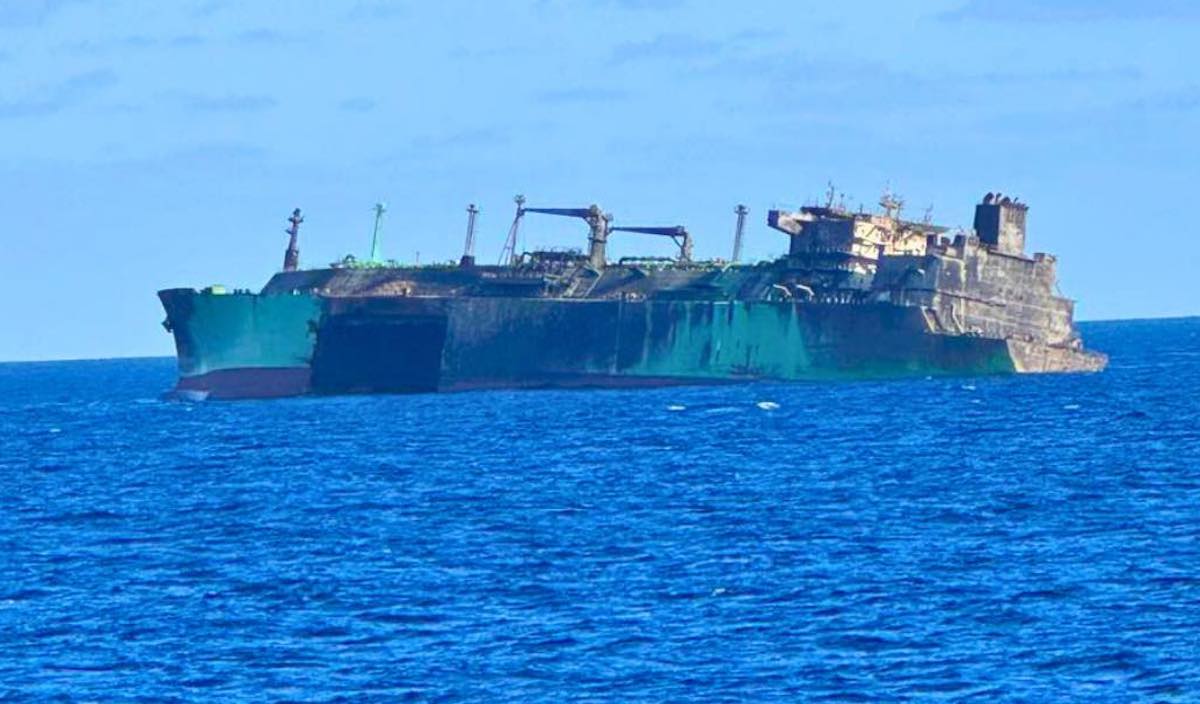
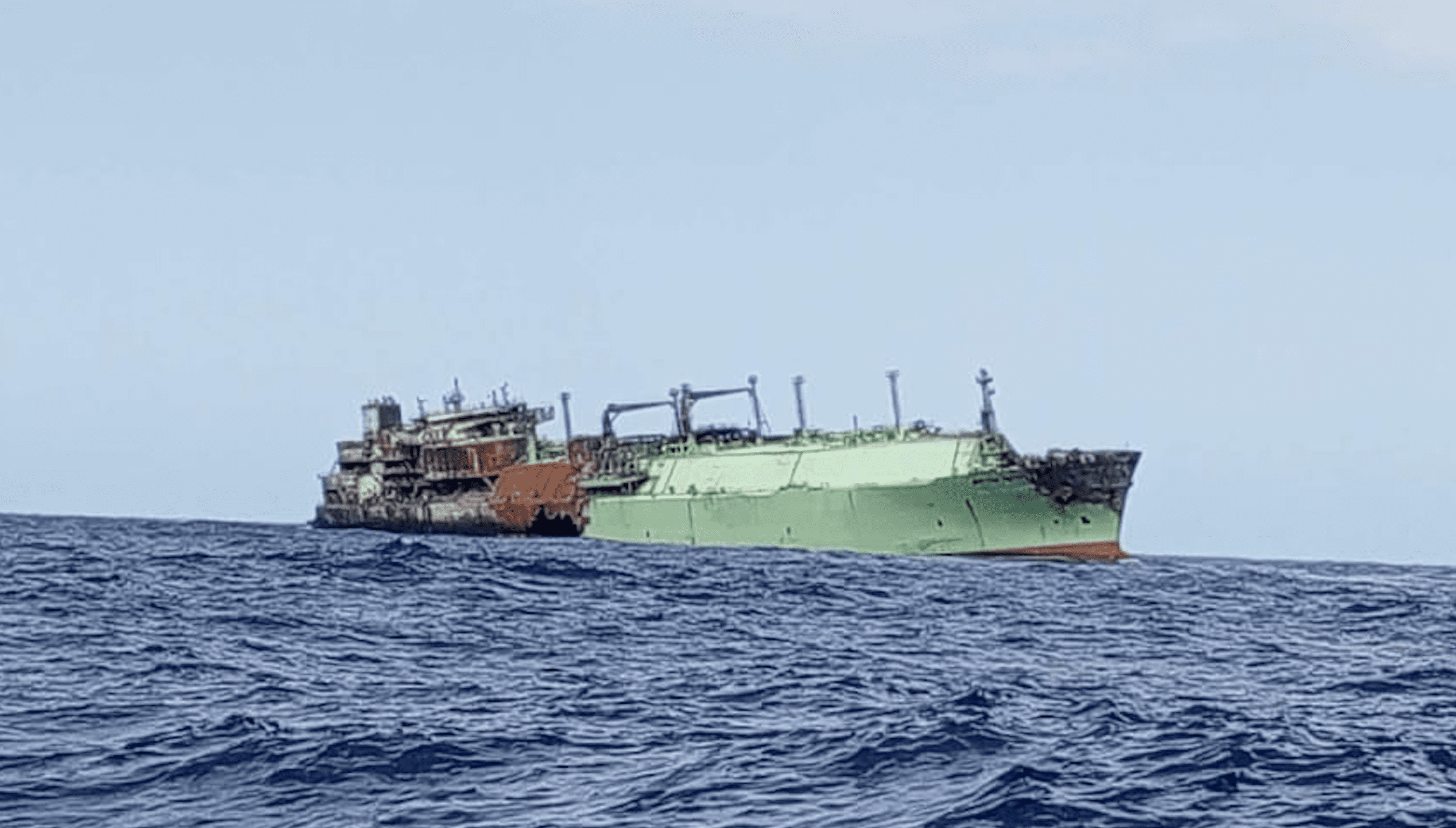
Libya’s National Oil Corporation (NOC) has hired a specialist salvage firm to intercept the damaged Russian LNG carrier Arctic Metagaz, as the abandoned vessel drifts toward the Libyan coast carrying what officials describe as a growing environmental and safety threat.
The emergency response—coordinated through Mellitah Oil & Gas in partnership with Italy’s Eni—comes as the tanker, disabled and abandoned by an early March explosion, continues to drift unmanned across the central Mediterranean.
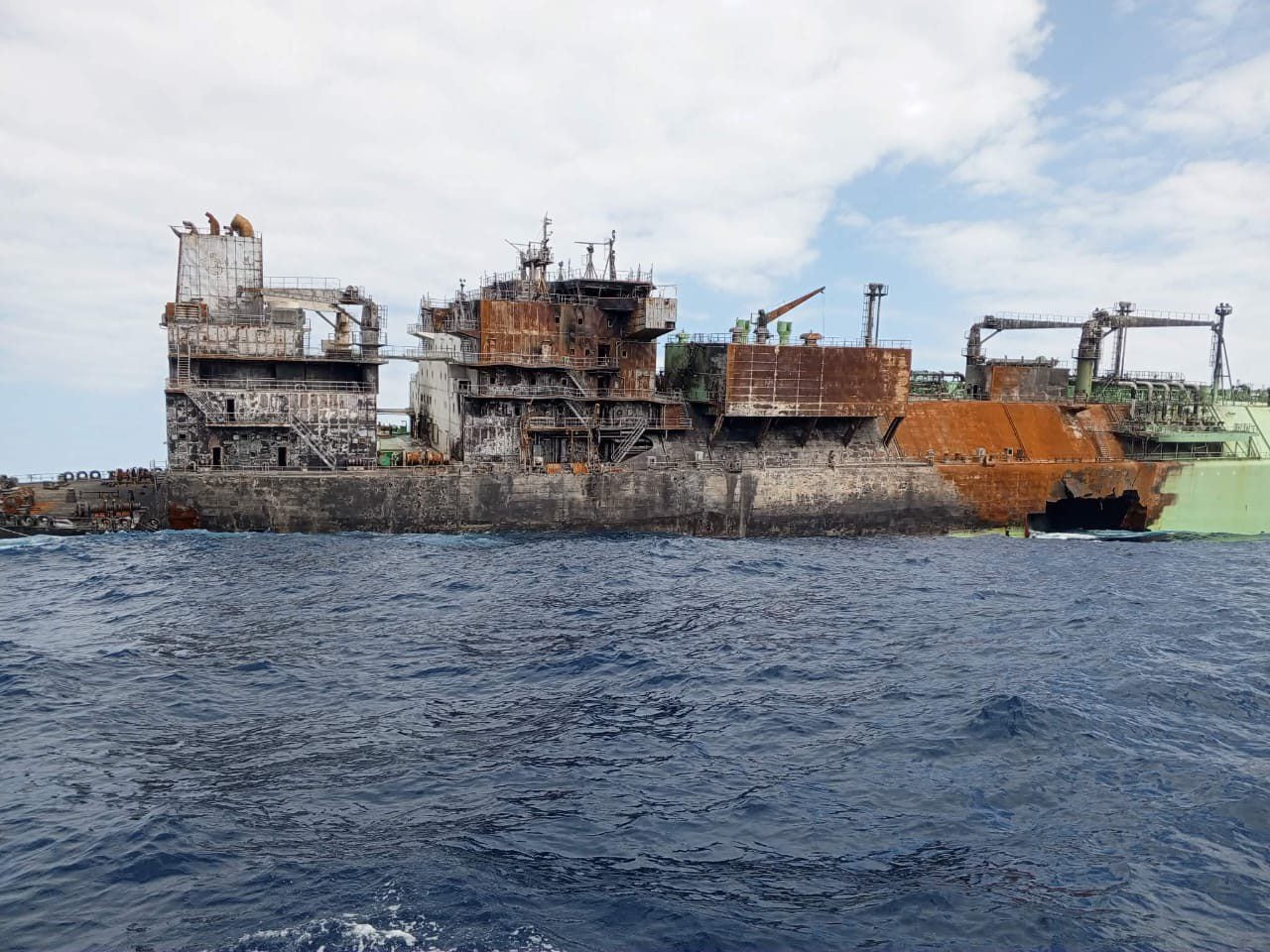
The Arctic Metagaz has spent nearly three weeks adrift following a blast roughly 170 nautical miles off Malta—an incident Russia has described as a terrorist attack following a suspected Ukrainian drone strike. Ukraine’s involvement remains unconfirmed.
Since then, the vessel has effectively become a “ghost ship,” drifting through multiple search and rescue zones—including those of Malta, Italy, and Libya—without any state taking direct control.
Italian authorities say the tanker has now re-entered Libya’s search and rescue region, about 53 nautical miles north of Tripoli, where responsibility for intervention falls to Libyan authorities.
Explosion and Spill Risks Mount
The vessel’s condition remains unstable. Officials say it has suffered a large hull breach, with two of its four LNG tanks believed to remain intact—though the volume of gas onboard is unknown.
“The dispersion of gas is a very concrete possibility,” Italy’s Civil Protection agency warned, underscoring fears of a secondary explosion.
The Arctic Metagaz is among roughly a dozen vessels used to transport sanctioned LNG from Russia’s Arctic LNG 2 facility to buyers at China’s Beihai Terminal.
Beyond its LNG cargo, the tanker is estimated to carry hundreds of tonnes of heavy fuel oil and diesel, raising the risk of a significant marine pollution event if the vessel grounds or breaks apart.
European governments have already sounded the alarm. Italy, France, Spain, Malta, Greece and Cyprus warned the European Commission this week that the vessel represents “a major ecological and maritime hazard,” with one Italian official describing it as an “environmental bomb.”
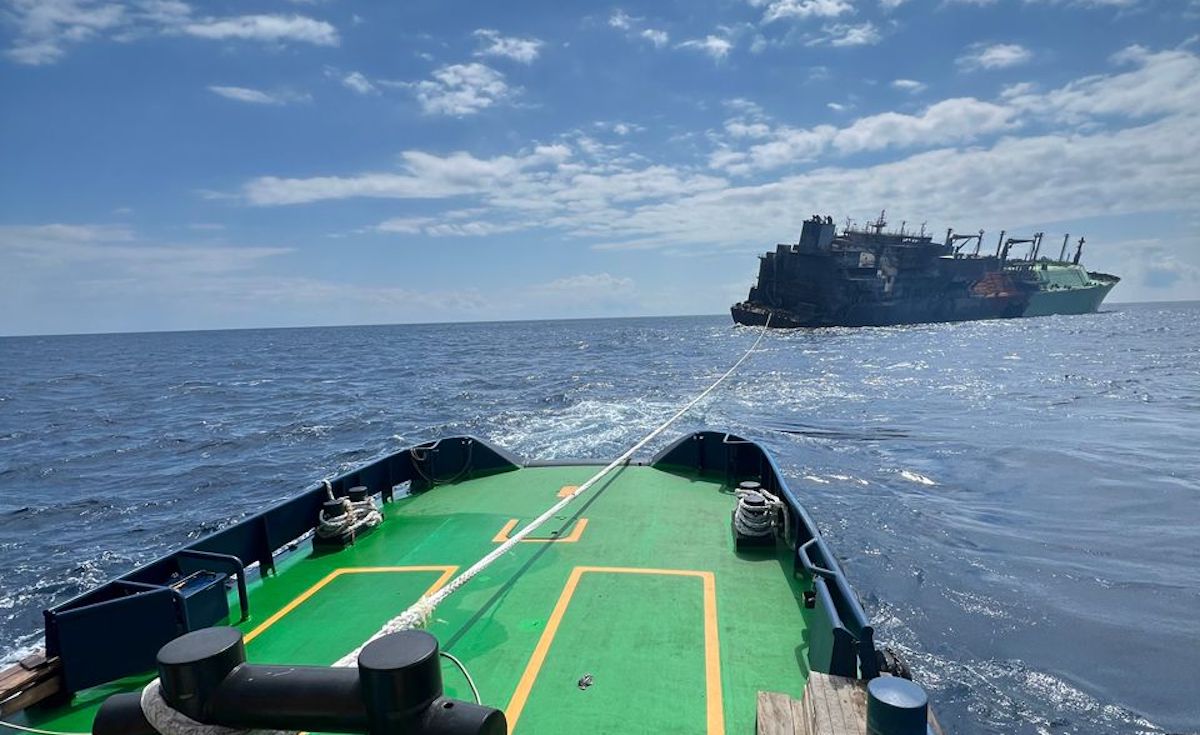
The NOC said an emergency coordination cell has been established under direct supervision of its leadership, working with national authorities and international partners to contain the threat. The plan is to stabilize and tow the vessel safely into a Libyan port.
Officials stressed that Libya’s offshore infrastructure remains safe for now, and that the situation is still manageable if action is taken quickly.
Italian officials estimate the vessel could reach Libyan shores within four to six days, depending on winds and currents—compressing the timeline for intervention.
With the Arctic Metagaz now firmly inside Libyan waters, responders face a narrowing window to prevent what could become one of the Mediterranean’s most serious maritime environmental incidents in recent years.

 Join The Club