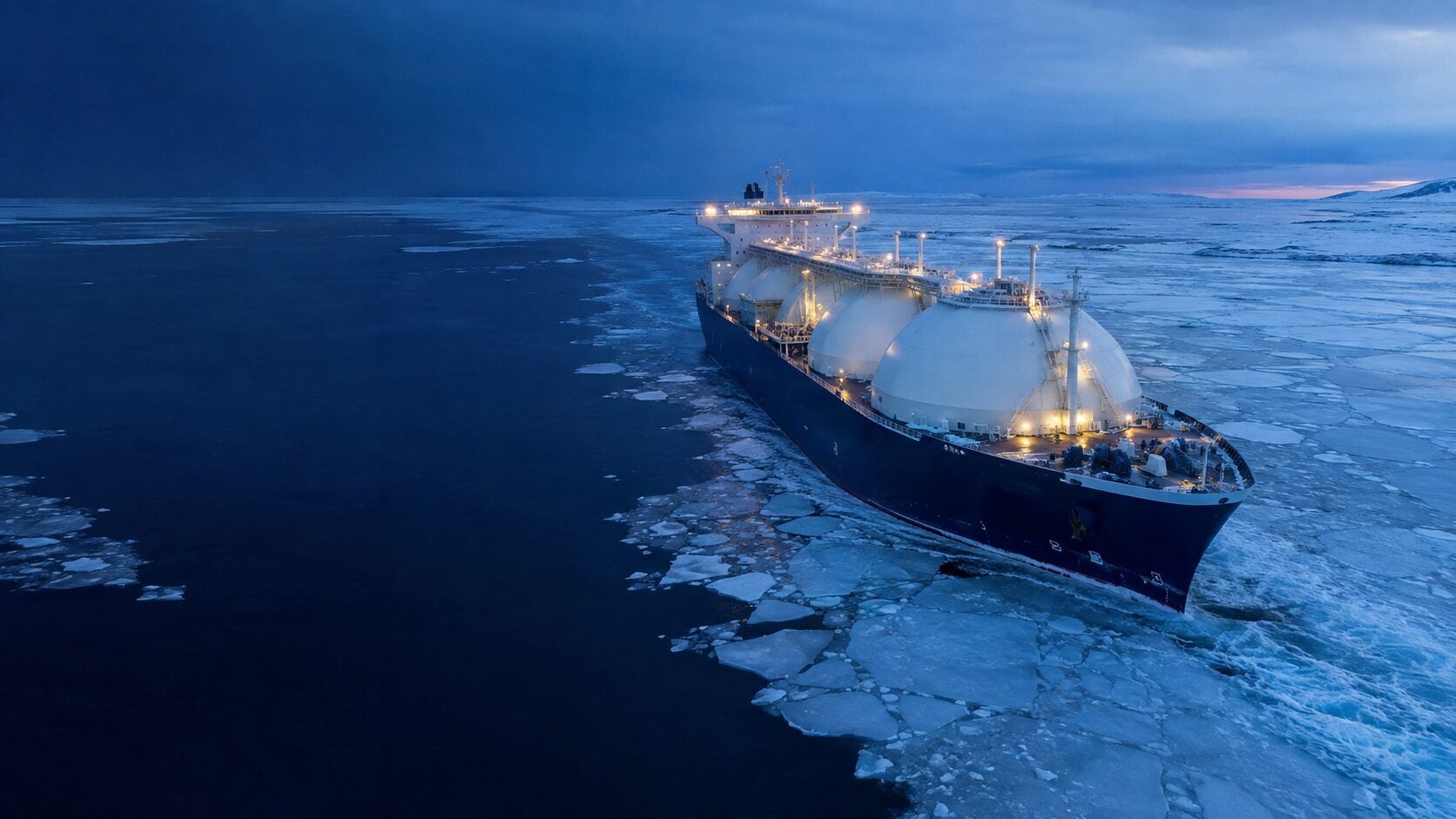
Libyan authorities have effectively halted efforts to secure the stricken LNG tanker Arctic Metagaz, towing the vessel far offshore and leaving it adrift near the edge of Malta’s search and rescue (SAR) zone, according to maritime tracking data, regional media, and OSINT reporting.
The vessel now sits roughly 105 nautical miles north-northeast of Misrata, close to the boundary of Malta’s SAR zone, after being towed past the Libyan port without stopping.
The Russian-linked tanker, disabled by explosions and fire on March 3, had been the focus of a Libyan-led towing operation aimed at preventing a potential environmental disaster and keeping the vessel clear of offshore oil infrastructure. The tanker, part of what Western officials describe as Russia’s “shadow fleet,” has been drifting unmanned since its crew was evacuated following the incident.
Libyan authorities had announced that remaining LNG and fuel onboard would be offloaded in a controlled operation. However, recent movements appear to contradict earlier plans by Libyan officials to bring the vessel to port – reportedly Misrata – for cargo offloading and stabilisation.
Libyan officials from the General Administration for Coast Security and the National Oil Corporation, which had led the operation, did not respond to requests for comment.
The relocation raises questions about whether Libya has abandoned salvage efforts altogether. According to Maltese and Libyan media, the towline has been disconnected and majority of tugs and support vessels have returned to port, leaving the tanker effectively unmanaged in international waters.
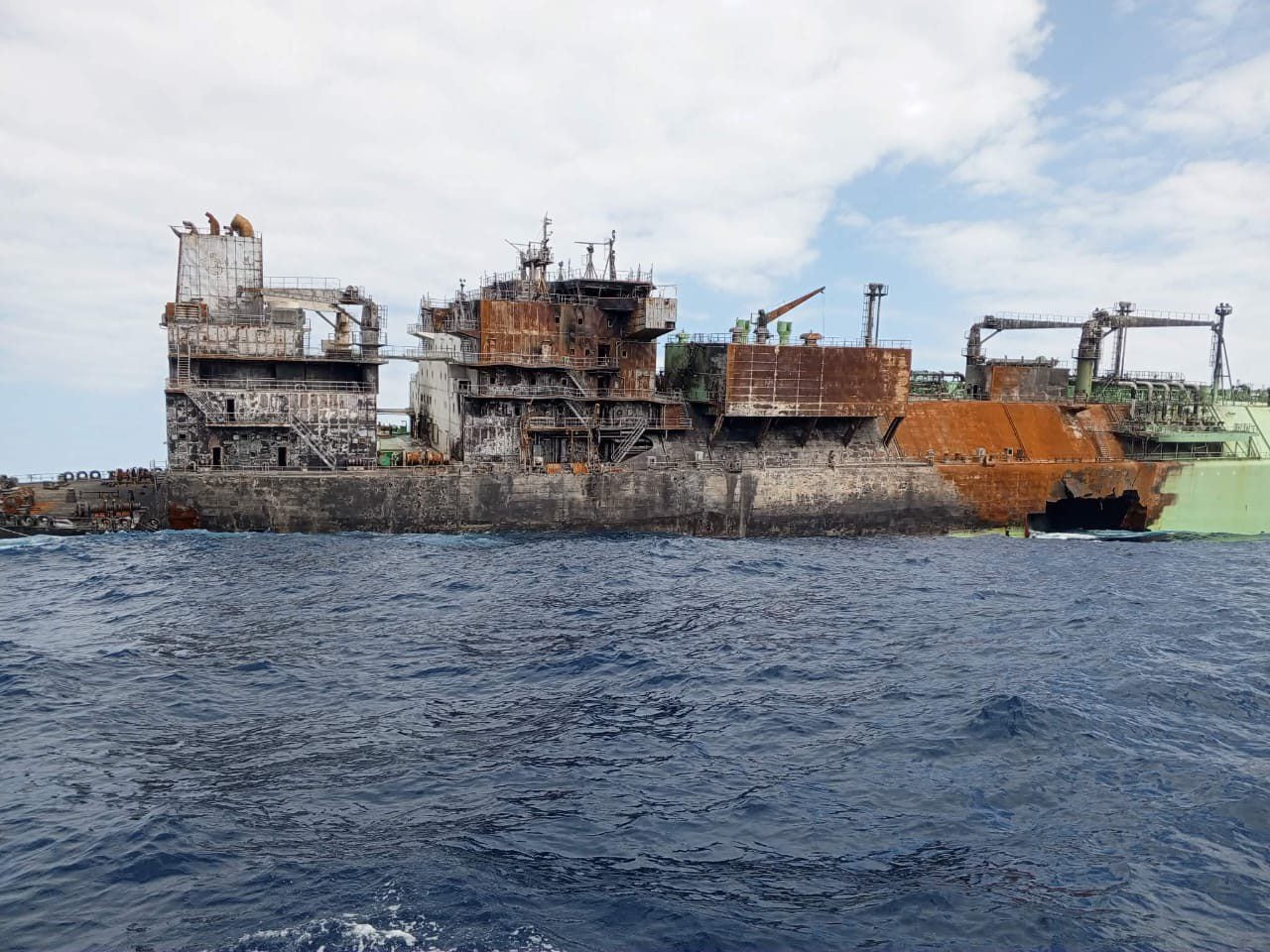
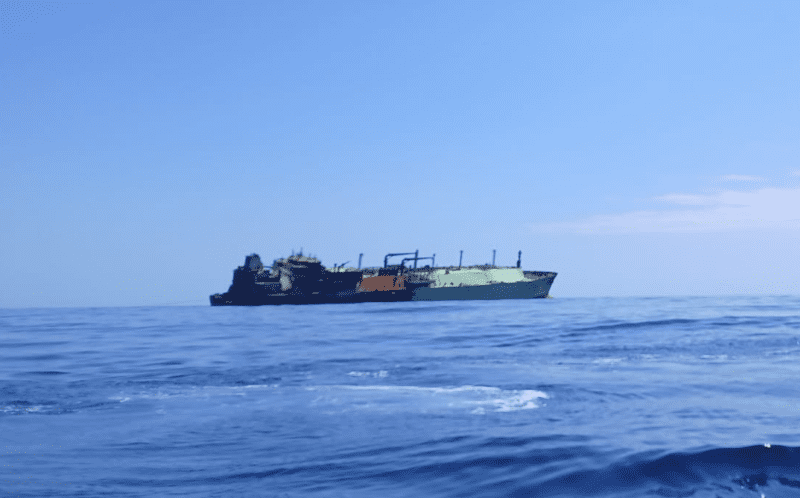
Weather conditions in the central Mediterranean are expected to deteriorate in the coming days, raising the risk that the heavily damaged vessel could sink. Images circulating on Tuesday show the ship listing significantly, with the stern approaching the waterline, suggesting worsening buoyancy.
Arctic Metagaz in a photo dated March 31. (Source: General Administration for Coast Security)
Analysts say the week-long towing effort may have exacerbated structural damage, potentially allowing seawater ingress into additional compartments.
Moving the vessel more than 100 nautical miles offshore and back in the direction where the incident began Libyan authorities reduced the immediate risk to their coastline, but the larger issue of who will ultimately salvage the vessel remains.
Prevailing wind directions in the coming days will likely push the vessel north-north east away from Libya and back into the Maltese SAR zone. Responsibility for the vessel could thus again shift to Malta.
The United States on Thursday imposed sanctions on 22 tankers and dozens of individuals and companies linked to Iran’s oil trade, expanding its campaign to cut off Tehran’s remaining petroleum...
Qatar has amassed a fleet of empty liquefied natural gas tankers in the Persian Gulf, a sign that one of the world’s biggest exporters of the fuel may be preparing to boost shipments through the Strait of Hormuz.
New company takes on four Arc4 LNG carriers as Seoul looks to expand Busan’s role in Arctic shipping. A newly established South Korean ship manager is emerging as a potential new player in Arctic LNG shipping, taking control of four ice-class LNG carriers while planning a rapid expansion into the specialized fleet needed to transport gas along Russia’s Northern Sea Route.
October 6, 2026
Total Views: 2461
Get The Industry’s Go-To News
Subscribe to gCaptain Daily and stay informed with the latest global maritime and offshore news
— just like 107,009 professionals
Secure Your Spot
on the gCaptain Crew
Stay informed with the latest maritime and offshore news, delivered daily straight to your inbox
— trusted by our 107,009 members
Your Gateway to the Maritime World!
Essential news coupled with the finest maritime content sourced from across the globe.

 Join The Club