By Salma El Wardany
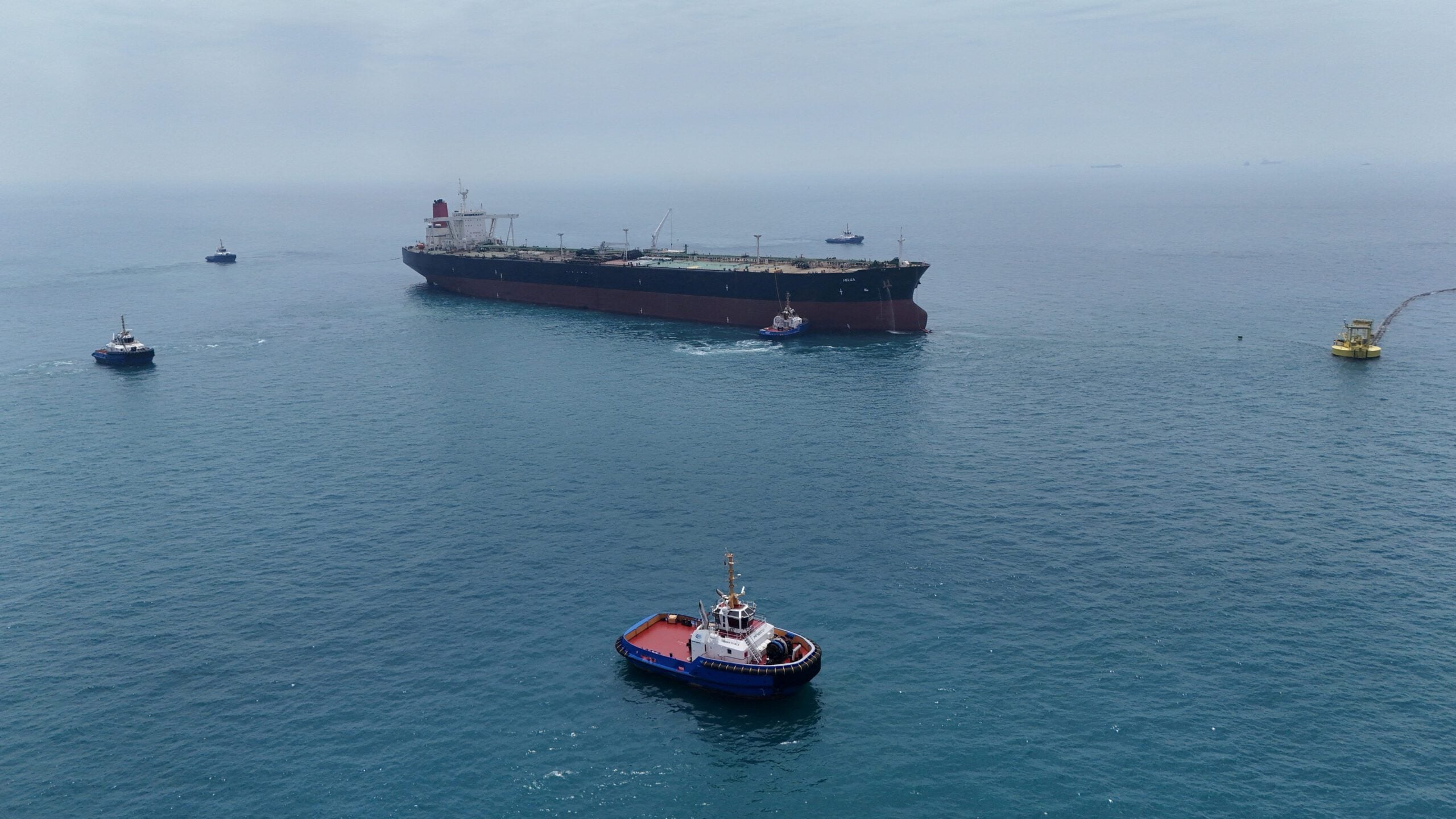
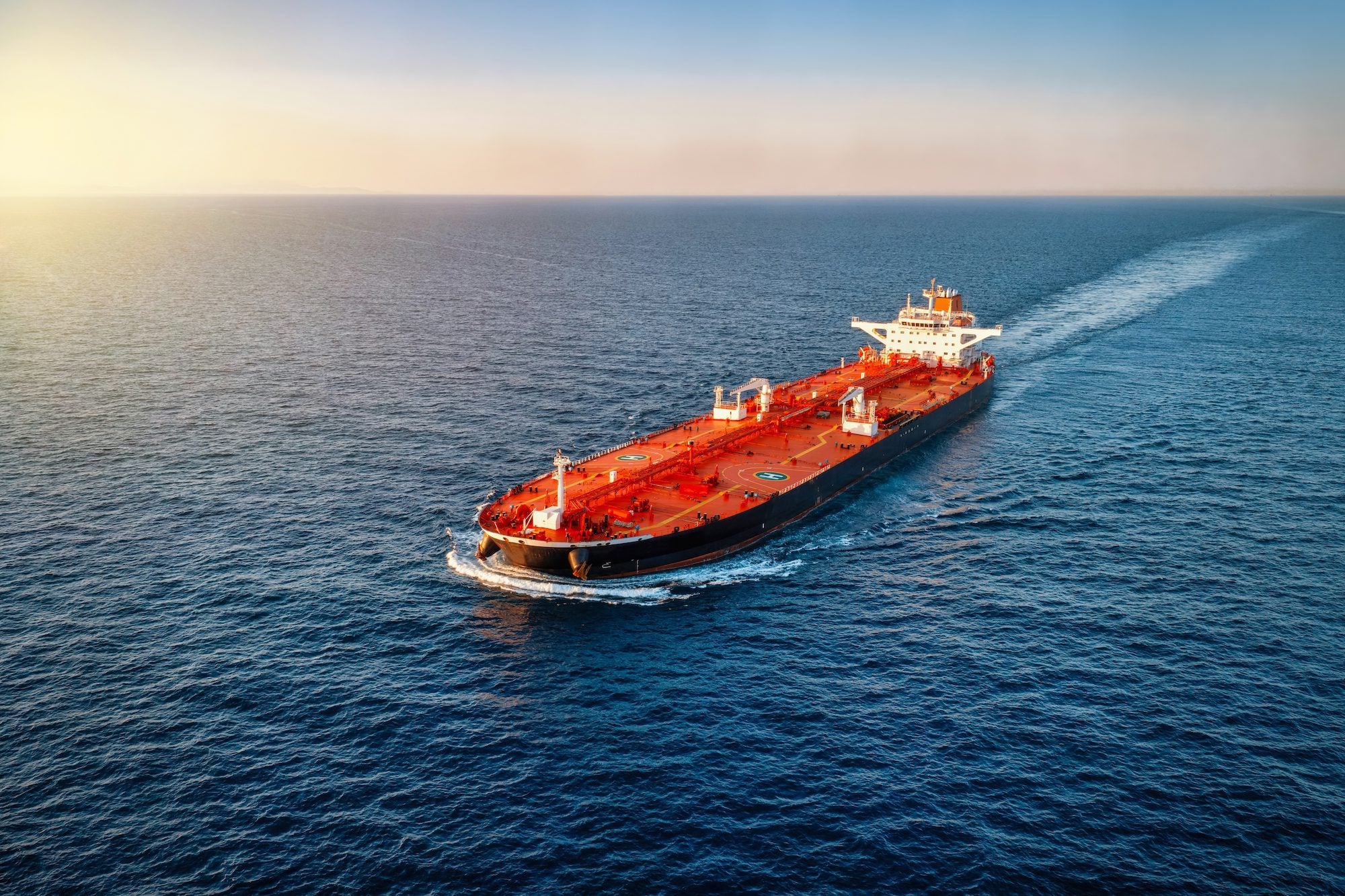
Oct 4, 2026 (Bloomberg) –Iraq’s state tanker company arranged a very large crude carrier to transport 2 million barrels beyond the Strait of Hormuz, marking a move toward offering oil outside the Persian Gulf.
Iraqi Oil Tankers Co. loaded a VLCC and arranged for it to sail through the strait “for the first time in decades,” Director General Ali Qais Abdul Jabbar said in video comments published on the Oil Ministry’s Facebook page. Previously, buyers would have arranged for supertankers to collect Iraqi crude at Basra, near the head of the Persian Gulf.
Read Also: Thousands Of Trucks Haul Iraq’s Oil Through Syria In Sign Of Hormuz Legacy
The transit marks a shift in how Iraq markets its crude, with the state tanker company taking responsibility for moving a shipment beyond the critical strait. Delivering outside the Gulf could help Iraq reach refiners reluctant to send vessels through Hormuz and secure better prices, reducing the discounts needed to attract buyers to its southern terminals.
Oil producers across the Middle East are rushing to secure tankers to underpin their ability restore flows of crude and refined fuels through the strait, following disruptions caused by the Iran war. Abu Dhabi National Oil Co.’s shipping arm is among those building the capacity of its tanker fleet.
Iraq is also seeking funding to purchase tankers for the company, Oil Minister Basim Mohammed Khudair told the state-run news agency on Saturday. Owning vessels would support exports and increase financial returns, he said, without saying how many tankers it wants to buy.
The company’s push to buy tankers would give Baghdad greater control over crude deliveries as Iraq seeks to compete with regional producers, Qais said. He didn’t identify the VLCC used for the first shipment outside Hormuz, nor its owner or the final destination and buyer of the crude.
Last month, Iraq’s crude exports averaged about 2.6 million barrels a day in the period through Sept. 21, the ministry said. That was up from about 2 million barrels a day in August, but remained below the daily exports of 3.3 million to 3.5 million barrels shipped before the war.
Baghdad is also pursuing alternative export outlets, including the northern route through Turkey and a proposed pipeline to Syria’s Baniyas port.
© 2026 Bloomberg L.P.

 Join The Club