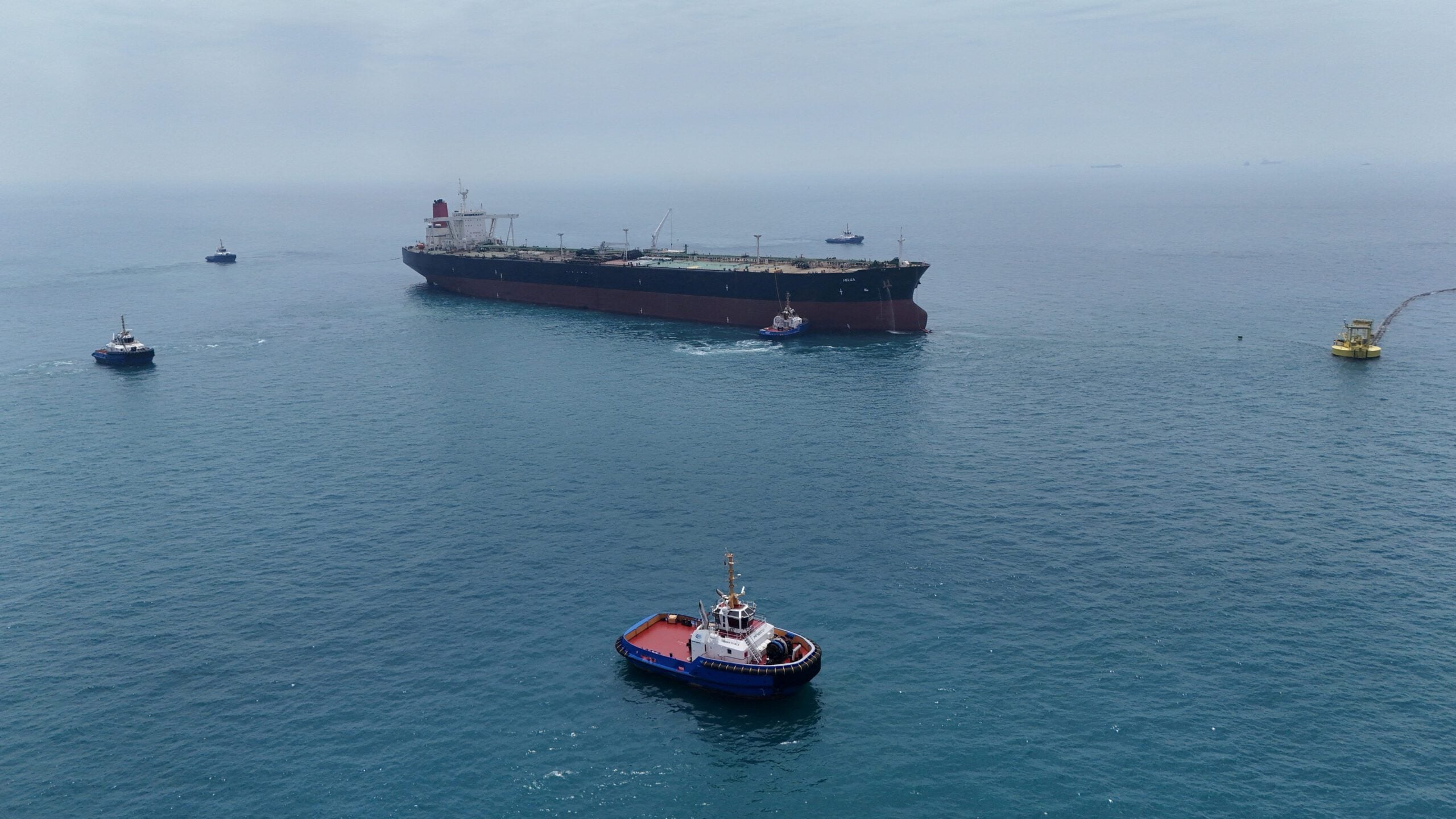
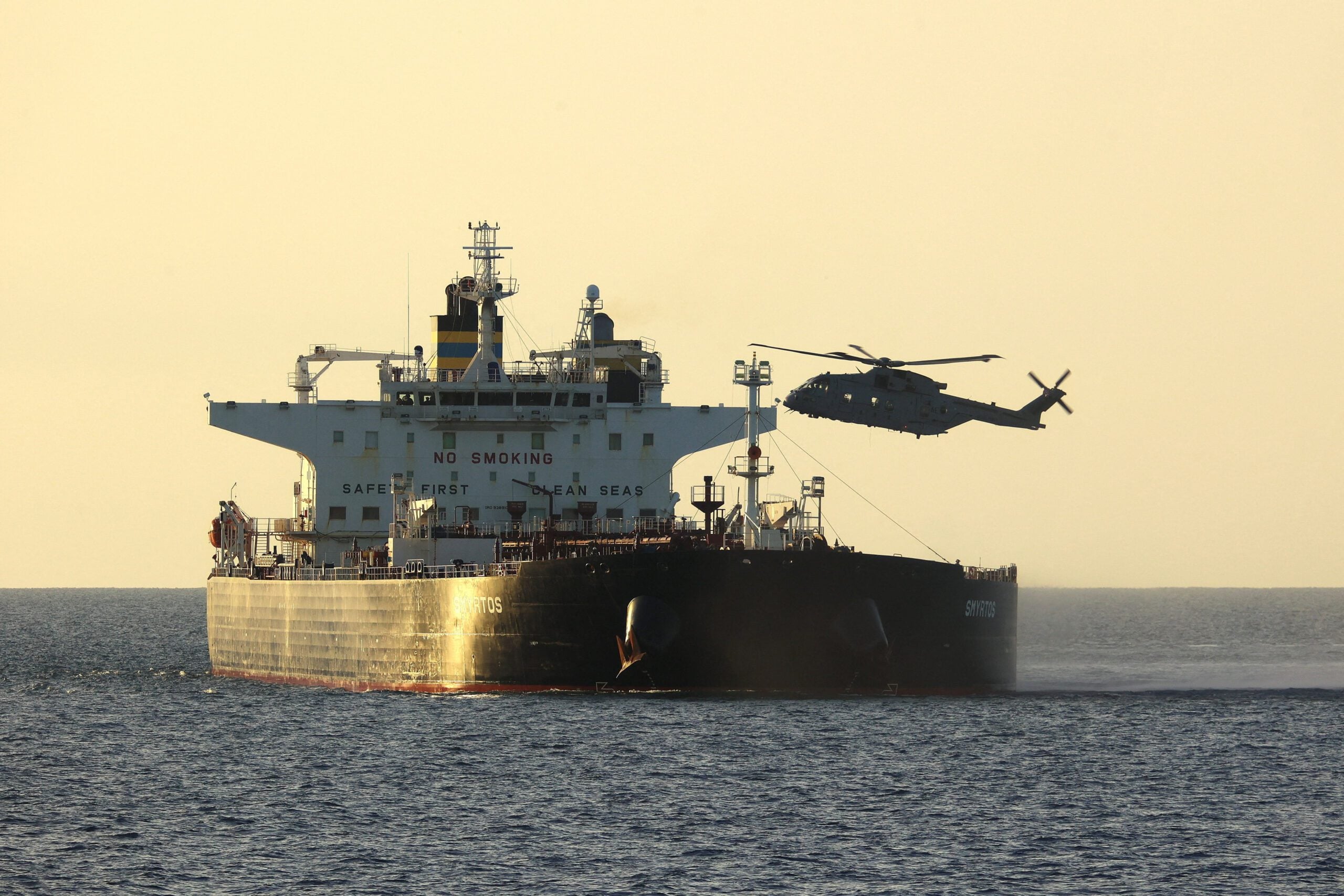
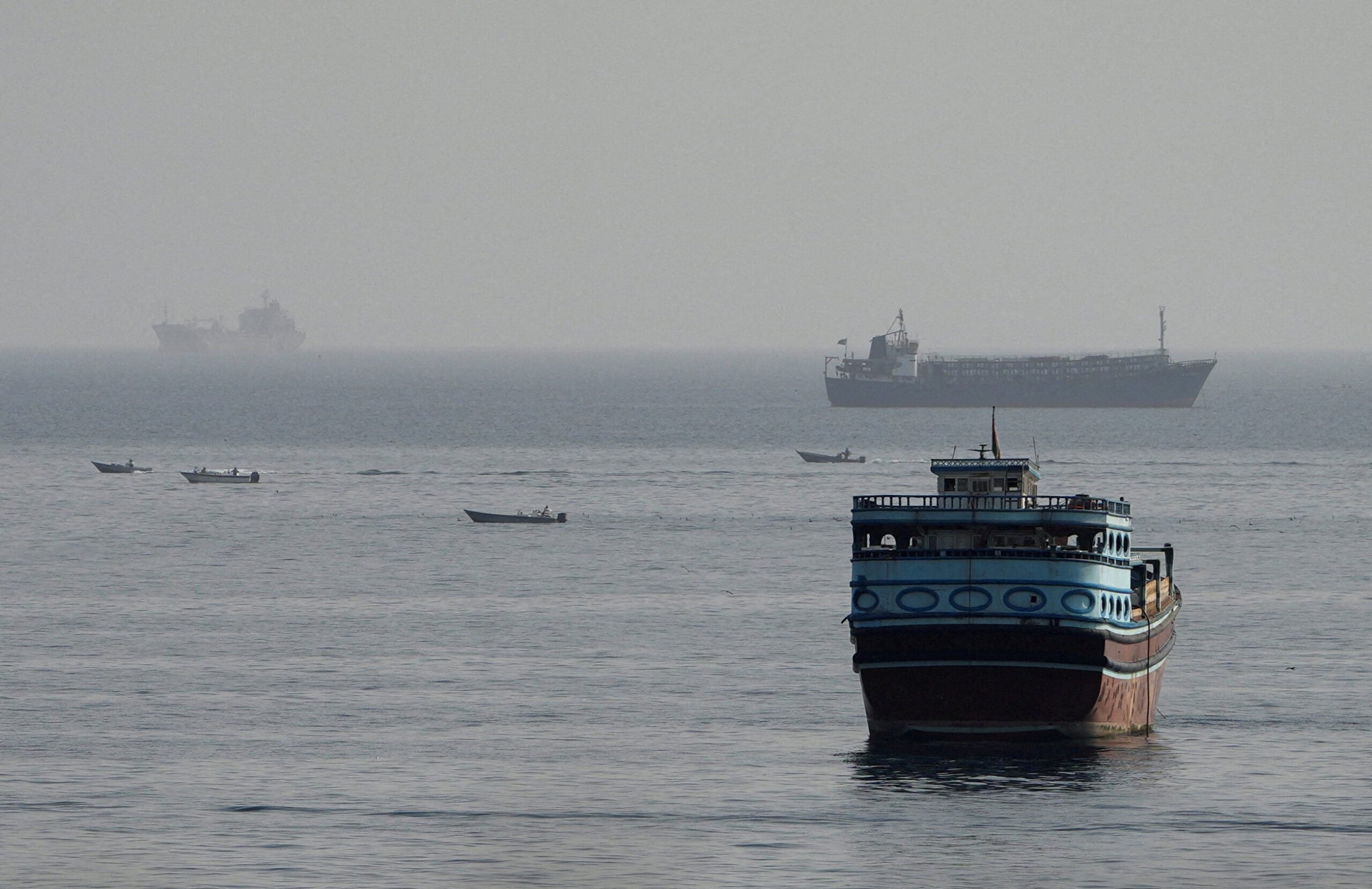
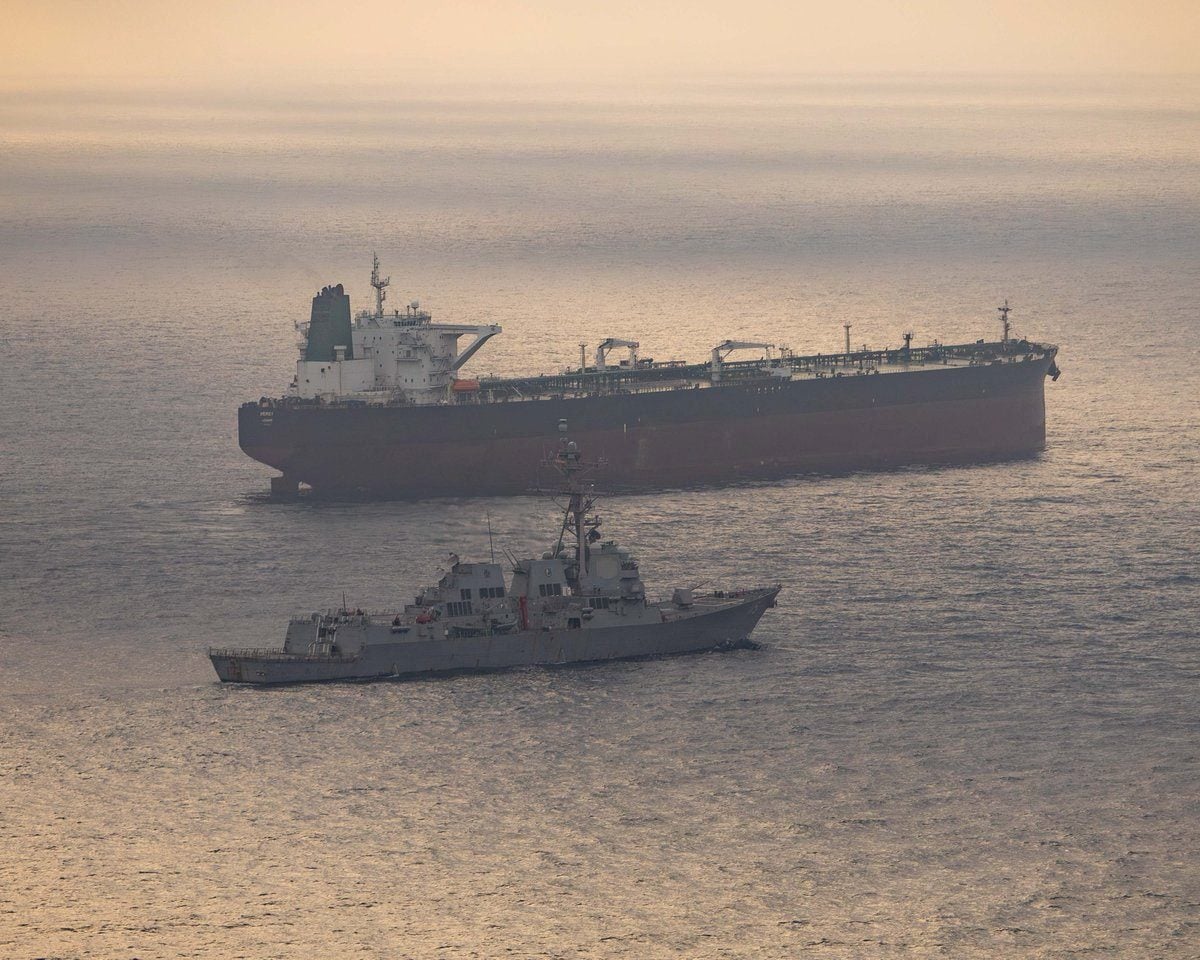
By Khalid Al-Ansary, Salma El Wardany, Alex Longley and Anthony Di Paola (Bloomberg) — Iraq is holding a tender to hire two or more oil supertankers to perform transits through the Strait of Hormuz, the latest evidence that producers in the region are trying to take greater control of their exports through the chokepoint.
Iraqi Oil Tankers Co. is seeking the rental for 180 days of at least two very large crude carriers to deliver the nation’s oil through Hormuz, according to a notice on the oil ministry’s website. The tender process closes Thursday.
Oil producers across the Middle East are rushing to secure tankers to guarantee their ability to carry cargoes of crude and refined fuel through the strait. Iraqi owners also bought at least two supertankers, at least one of which was at a record price, according to people familiar with the deals. This week, a senior Kuwaiti official said that his country is actively trying to purchase vessels.
The spree is all the more noteworthy because the cost of buying the ships has seldom been higher. Oil tanker owners are currently enjoying one of the biggest earnings bonanzas in history, meaning they’re demanding sky-high fees to part with their prized assets.
The fleet-capacity building efforts follow moves from Abu Dhabi National Oil Co.’s shipping arm, which has placed a large number of second-hand and newbuild orders. The producers’ efforts to secure tankers come as the Iran war brings global energy security into focus — both for consuming nations, and producers who need the freighters to get their barrels to the world.
So far in the conflict, countries with access to their own fleets have had the biggest flexibility in how they ship barrels. That’s included so-called shuttle transits, in which cargoes are carried from inside the Persian Gulf to just outside Hormuz for collection by a different vessel.
An expansion in gulf producers’ shipowning would give them greater control of the logistics they use to get barrels to customers, and potentially make their exports more resilient in the event of future events.
“We are in the market to acquire more ships,” Shaikh Khaled Al-Sabah, managing director for international marketing at state-owned producer Kuwait Petroleum Corp said at the APPEC conference in Singapore. “Controlling your own fleet, controlling your own operation will give you a lead over the others.”
Greece’s Dynacom Tankers Management sold a supertanker to Iraqi buyers, a person familiar with the matter said this week. That deal, at $200 million, would be the most ever paid for such a vessel, based on data from Clarkson Research Services Ltd, a unit of the world’s largest shipbroker. Another supertanker was also sold to Iraqi buyers, a person familiar with the deal said. Both people asked not to be identified because the transactions are not public. Dynacom declined to comment.
Iraq’s oil ministry didn’t comment on the tanker purchases.
Iraq’s tender says that the tankers should be able to conduct so-called ship-to-ship transfers, allowing them deliver onto waiting vessels for onward transportation to customers once they’ve crossed Hormuz. It also says that owners wouldn’t get paid if the ship were to be unavailable for hire for any reason.
Kuwait, meanwhile, is looking to both buy and hire tonnage, according to a person familiar with the matter. It has been bidding for ships at elevated levels recently, one tanker industry official said.
Tanker ownership among Middle Eastern producers varies from country to country.
Saudi Arabia has a state tanker giant with huge capacity, while the UAE’s Adnoc owns vessels and has sought to expand its ownership. Other producers, like Kuwait, operate smaller fleets, while Iraq barely owns any vessels. Iran also has large fleet capacity.
“The recent crisis shed light on the importance of having national carriers,” Ibrahim Al Nadhairi, Chief Executive Officer of Oman’s Asyad Shipping, which has a diversified fleet of more than 90 ships, said in an interview at the APPEC S&P Global Energy conference in Singapore. “You need to have that kind of in-house capability to ensure that when something goes wrong, you have your ships ready.”
© 2026 Bloomberg L.P.

 Join The Club