The Trump administration expanded its economic campaign against Iran on Thursday, targeting the country’s rail system, major industrial companies and a Russia-linked shadow banking network that U.S. officials say has helped Tehran move oil revenues and other funds around international sanctions.
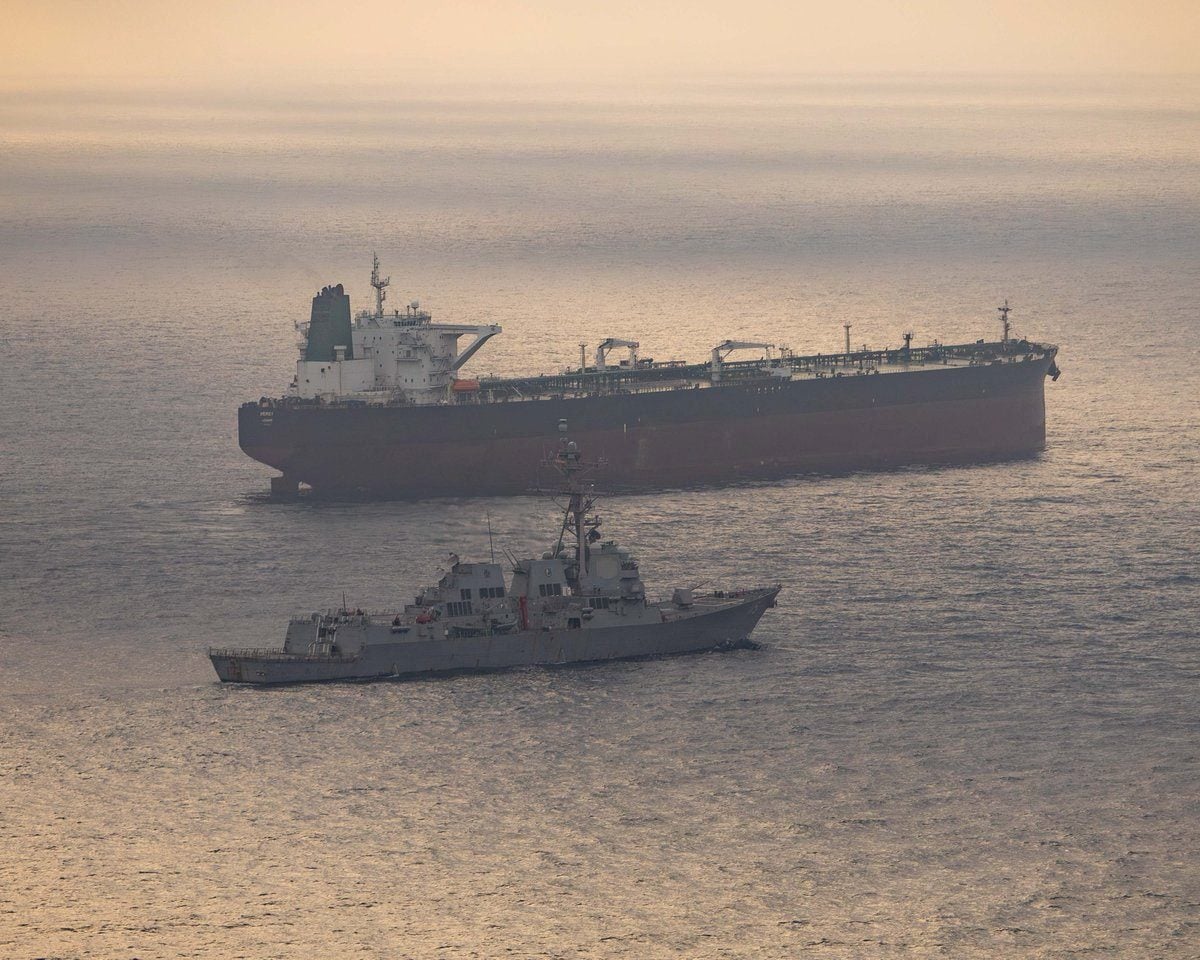
The U.S. Treasury Department announced two separate actions under its Operation Economic Outcast campaign, widening sanctions beyond Iran’s petroleum industry as the U.S. military blockade continues to restrict maritime trade.
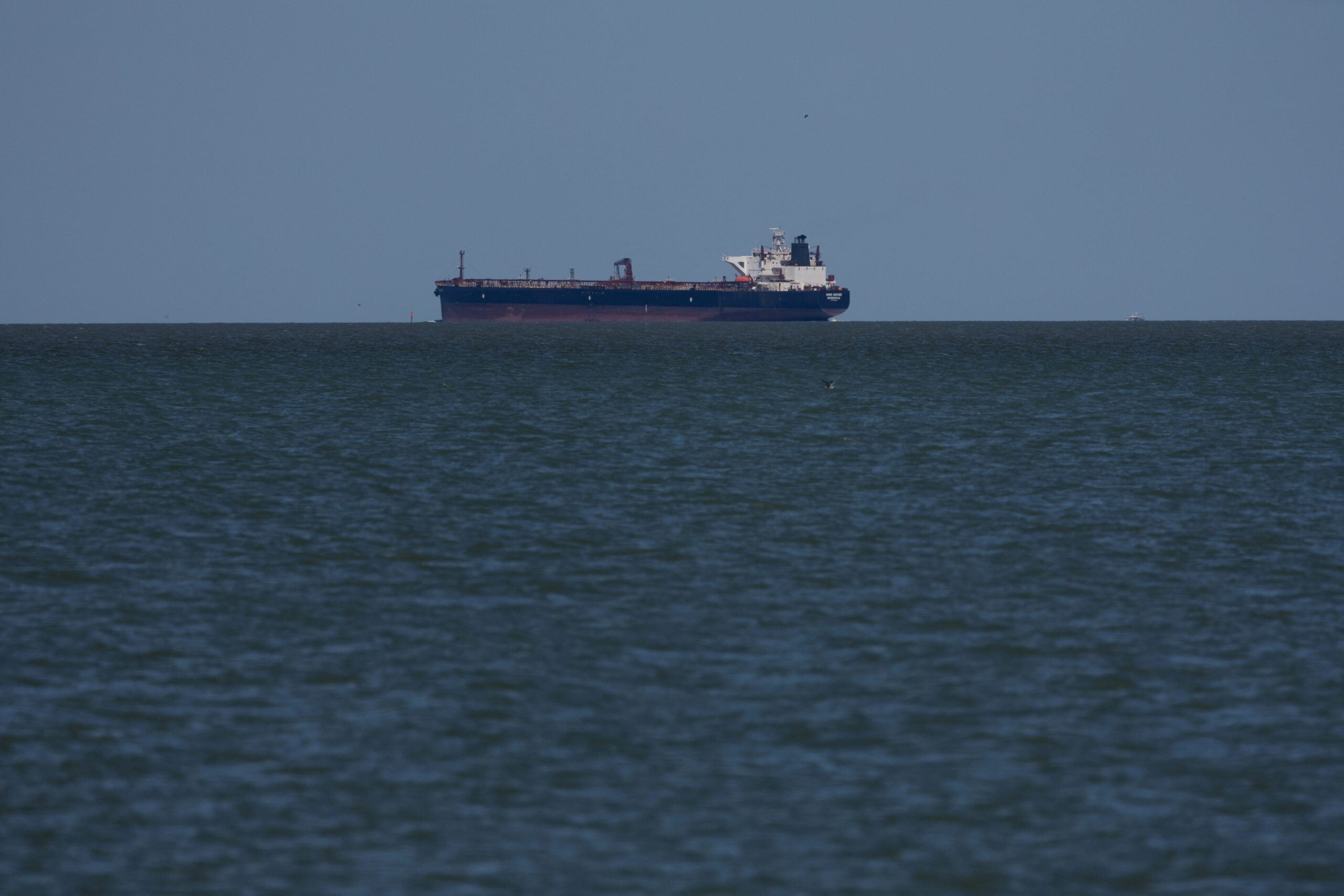
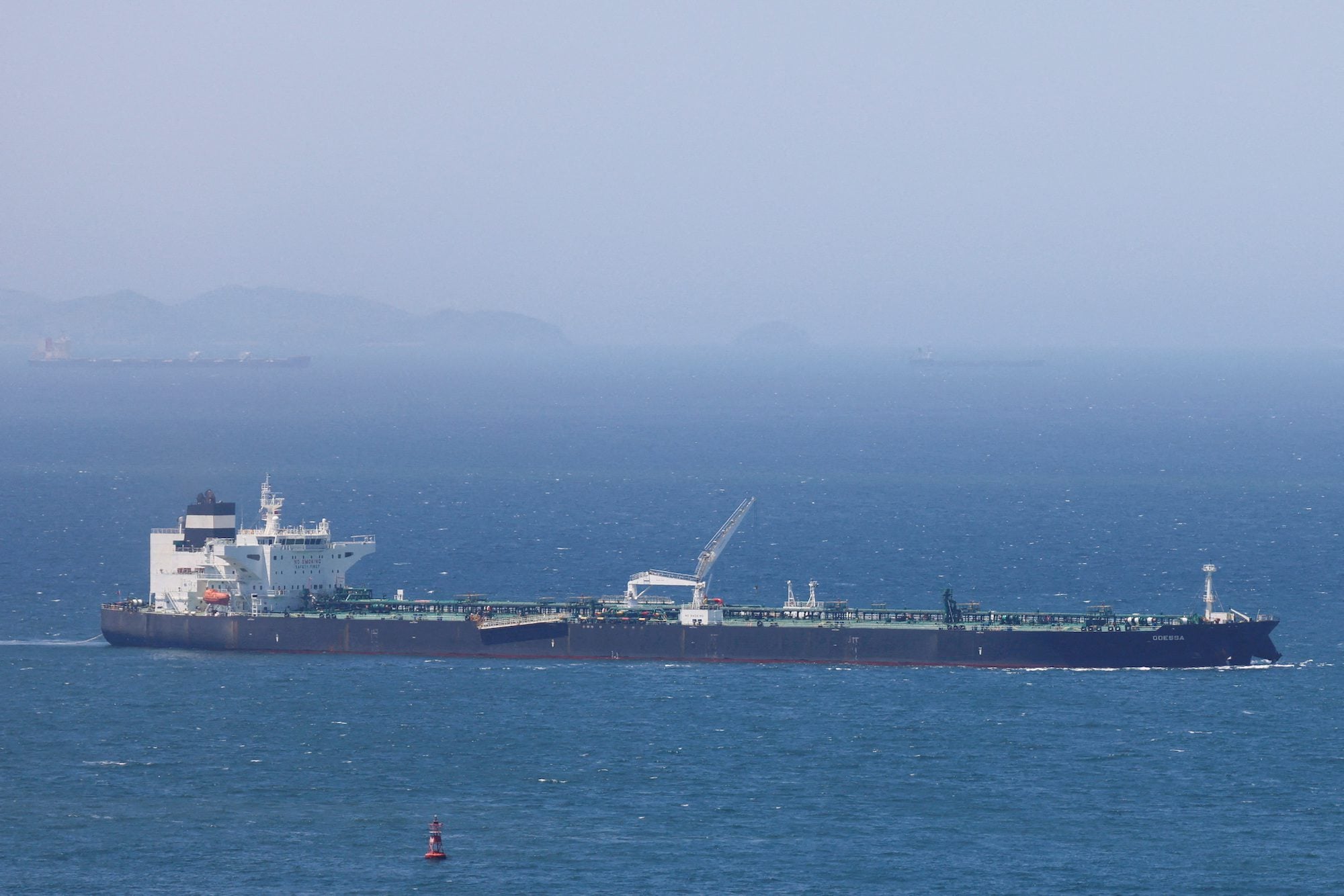
Treasury said Iran has increasingly turned to rail transportation and alternative financial networks to sustain regional trade and move oil as conventional maritime routes have come under pressure. The department claimed Iranian oil revenues have fallen to zero under the blockade, though that assertion was presented by Treasury and was not independently verified.
The new measures establish Iran’s automotive and rail industries as sanctionable sectors under Executive Order 13902 and designate dozens of Iranian companies, overseas suppliers, financial intermediaries and individuals.
Among the most significant targets for the transportation sector is the state-owned Islamic Republic of Iran Railway Company, or RAI, along with Raja Passenger Trains Company and freight operator Sherkat-E Rah Ahan-E Khamle-O-Naghle.
Treasury said Iran has relied increasingly on its rail network to transport oil and maintain regional commerce as maritime movements have been disrupted.
The action also targets Iran Khodro Company and SAIPA Iranian Automobile Manufacturing Company, which Treasury said together account for more than 90% of Iran’s domestic automobile market, along with truck, bus and motorcycle manufacturers and suppliers in the United Arab Emirates, Turkey, Indonesia and Hong Kong.
The measures reach further into Iran’s heavy industry and metals trade, including Heavy Equipment Production Company, known as HEPCO, and its China-based subsidiary. Treasury said HEPCO machinery has been used by the Islamic Revolutionary Guard Corps to construct military facilities.
Steel-related sanctions include companies in Germany, the UAE, China and Hong Kong accused of supplying Iranian producers or facilitating exports and payments.
Treasury also targeted a network linked to Iranian-Dominican businessman Ramin Keshvardoust, alleging companies under his control facilitated tens of millions of dollars in Iranian steel and oil shipments while participating in Iran’s shadow banking system.
Shadow Banking Network Targeted
In a separate action Thursday, Treasury escalated pressure on the A7 Network, a Russia-linked financial network that U.S. officials say has been used by Iran to move money, facilitate oil sales and finance weapons procurement.
The Treasury Department’s Financial Crimes Enforcement Network proposed a rule that would prohibit certain transfers involving companies acting as A7 sub-agents, while the Office of Foreign Assets Control designated the broader A7 Network as a significant transnational criminal organization.
According to Treasury, A7 operates through companies in third countries that disguise sanctioned payments as ordinary commercial transactions using falsified trade documents, import-export records and descriptions of goods.
Treasury said A7-linked companies processed more than $17 billion between January 2025 and June 2026. One sub-agent allegedly transacted directly with companies involved in Iran’s so-called shadow fleet and, together with a related company, received nearly $140 million from entities tied to Iranian sanctions evasion.
Another A7-linked company transferred approximately $1.6 million to a business Treasury associated with Iranian sanctions evasion and weapons procurement.
The network has also used the A7A5 digital token, a ruble-backed cryptocurrency issued by previously sanctioned Old Vector LLC, which Treasury said was designed in part to facilitate international transactions outside conventional banking channels.
The latest measures are part of Operation Economic Outcast, launched August 24 to intensify economic pressure on Iran by targeting oil trading, financial intermediaries, procurement networks and foreign companies doing business with sanctioned Iranian entities.
Earlier this week, Treasury sanctioned another group of companies and individuals accused of procuring weapons and components for Iran’s Ministry of Defense and Armed Forces Logistics.
The expanding sanctions campaign underscores the increasingly interconnected nature of the economic and maritime pressure on Iran. With conventional tanker movements constrained, Washington is now targeting the railways, trading companies, foreign suppliers and financial channels that could allow cargoes and payments to move around those restrictions.
Companies dealing with the newly designated entities face potential blocking sanctions and, in some cases, secondary sanctions exposure if they continue facilitating significant transactions.
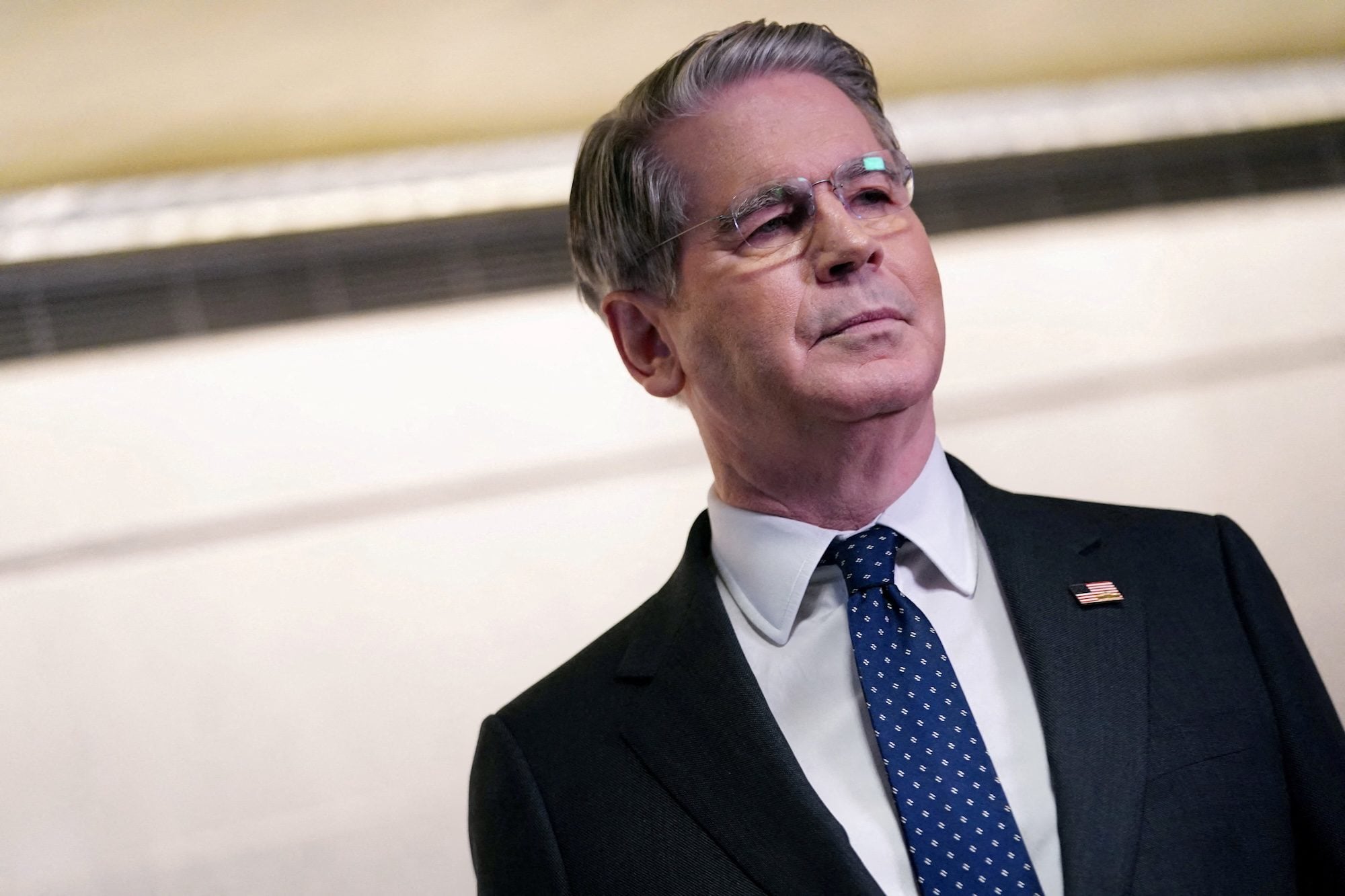
Treasury Secretary Scott Bessent said the administration intends to target the remaining financial infrastructure available to Tehran.
“Today’s action directly targets Iran’s enablers and lays the groundwork for the United States and our partners to drain the regime’s revenue once and for all,” Bessent said.

 Join The Club