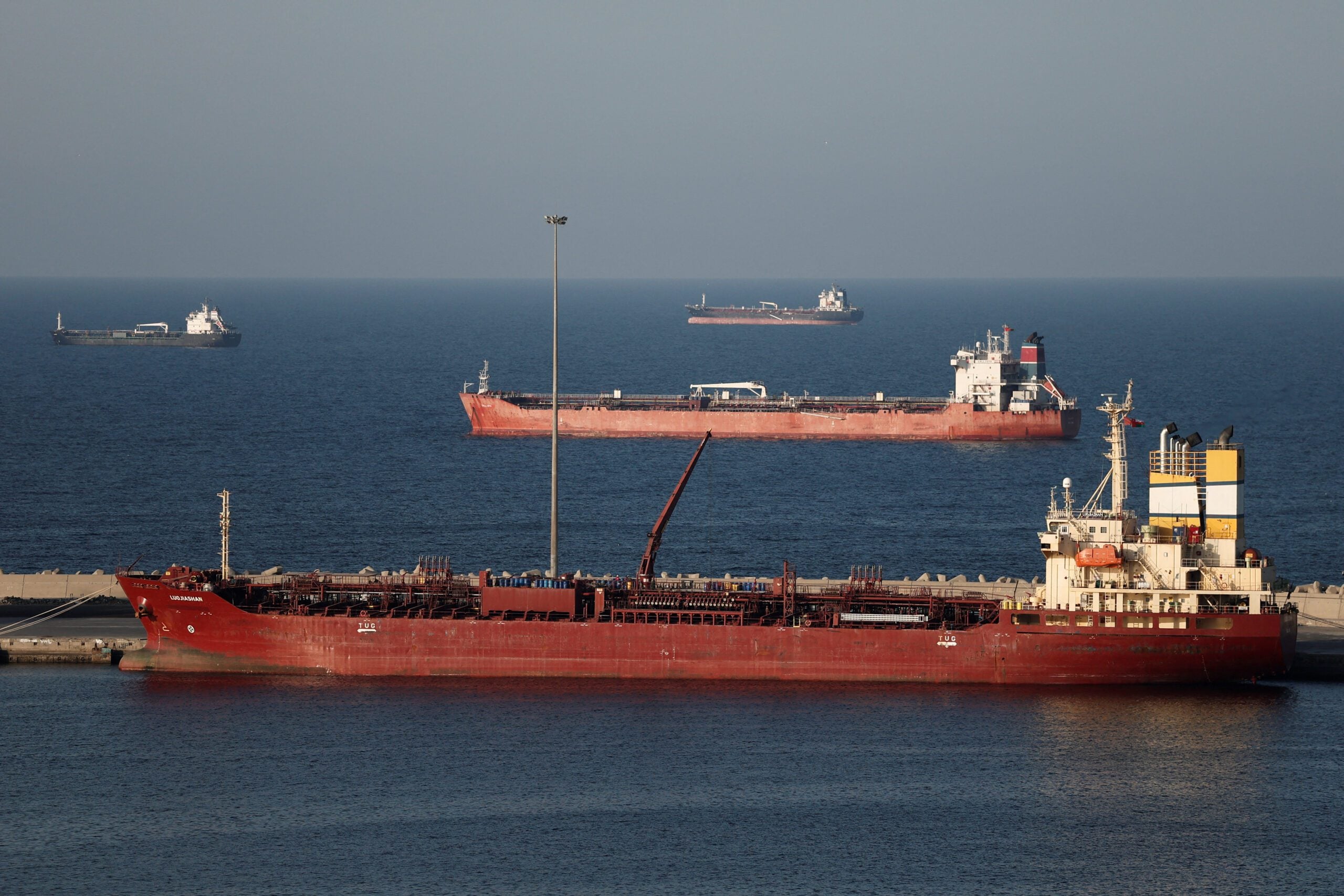
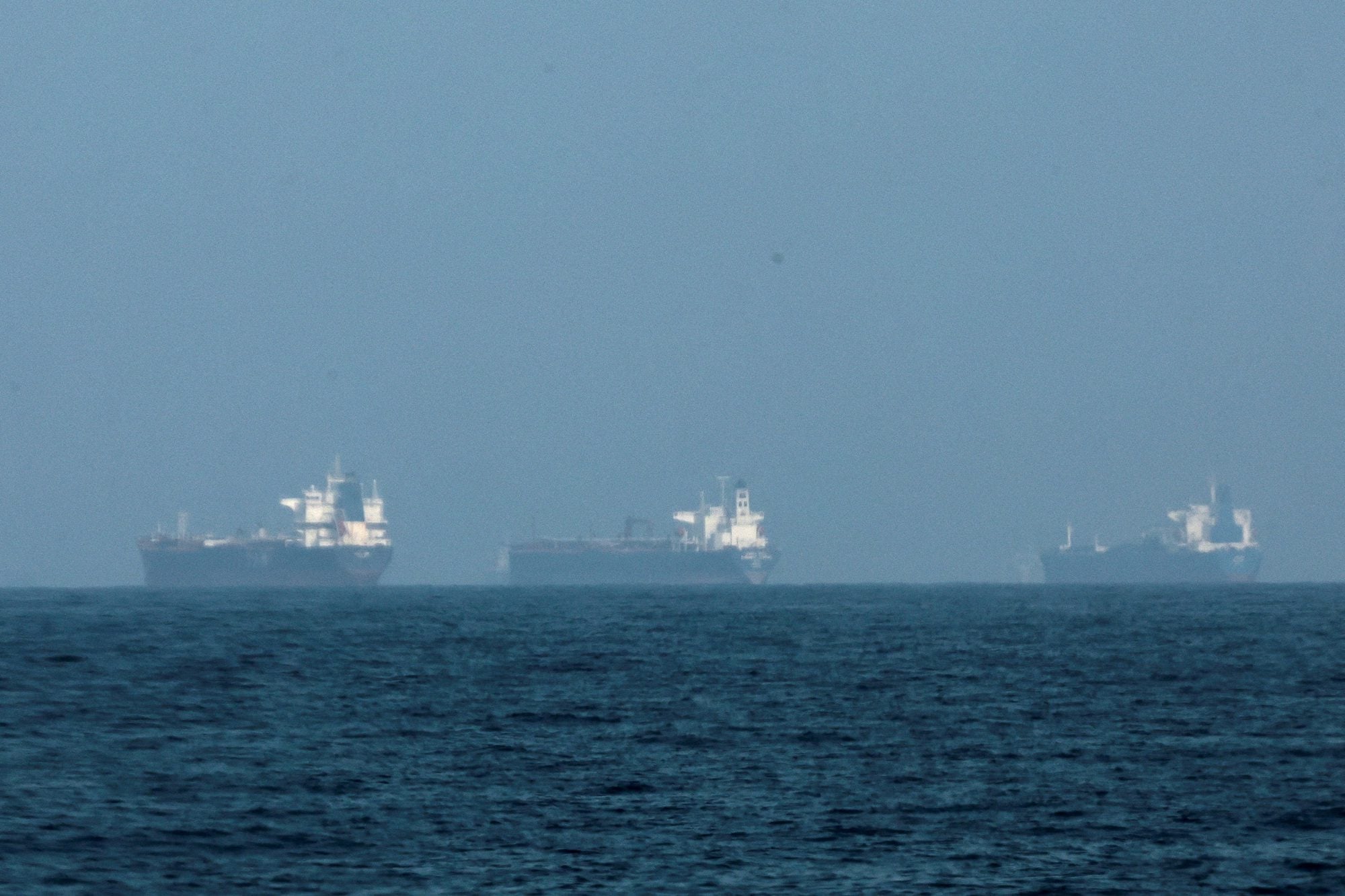
(Bloomberg) — A widening conflict in the Middle East has led to dramatic swings and surges in the price of fuel for ships, prompting distributors in Singapore, the world’s top bunkering hub, to cut back their purchases.
Bunker distributors typically buy large volumes of fuel oil and marine gasoil that they then resell to vessels calling at Singapore for refueling. However, several people directly involved in the trade said they had been holding off bigger orders since last week, citing extreme price fluctuations.
Their reluctance to bet on volatile prices — driven by disruption in the Persian Gulf, a region that is also a major supplier of fuel oil — has created an impression of tightness in the local market, despite local wholesale supply that is, for now, relatively comfortable by historic standards.
Some distributors are prioritizing preferred customers, and either trimming or canceling other sales as they ration their stock, the people said, adding some of those changes allow them to take advantage of rising prices in the spot market. They asked not to be named as they are not authorized to speak to the media.
Shipping is the backbone of the global economy and fuel oil underpins those flows, through the world’s biggest ships. That means higher costs for both feed through to food and other prices, driving up inflation globally.
Singapore’s ship-refueling industry relies on ample onshore and floating storage and a range of suppliers, making it more resilient than some other hubs — even with the prospect of more vessels heading to the city-state in order to avoid Fujairah, a hub in the United Arab Emirates favored by vessels sailing from the Atlantic basin, which has been subject to repeated attacks. Threats extending beyond the Persian Gulf may even put vessels off stops at Oman.
Such shifts can be slow, as shipowners weigh up different routes, and the Maritime and Port Authority of Singapore said last week it had yet to observe significant changes. Stockpiles of residual fuels rose in the week to March 11, according to government data, hovering above the seasonal five-year average inventory for the grade.
Even so, disruption caused by the war and the effective closure of the Strait of Hormuz means that the cost of very-low sulfur fuel oil in the city-state has more than doubled since Feb. 27, rising more than 30% on certain days.
Marine gasoil prices, meanwhile, have soared 160% during the same period. Both grades have far outperformed crude oil, which has risen more than 40% in the same period.
MPA said it was monitoring developments closely. “Singapore’s bunker supply comes from several sources. At present, there is adequate supply to meet demand,” it said, in an emailed statement.
The nation’s hoard of middle distillate fuels, which include jet fuel and gasoil, is at its lowest since Nov. 2022, according to data compiled by Bloomberg. Singapore jet fuel prices have doubled since the war began.
Inventories of middle distillates held in Singapore tanks — which do not include commercial stockpiles used to support the aviation industry — were low even before the war, and have since dipped further. Marine gasoil makes up a niche, high-performance corner of the industry, as most large vessels run on fuel oil.
As of Monday, fuel oil and gasoil remained available to most distributors from terminal sellers, the people said. Purveyors were becoming stricter in terms of timing, quantities and other conditions, however, threatening to cancel volumes in the event of delays.
© 2026 Bloomberg L.P.
Editorial Standards · Corrections · About gCaptain
This article contains reporting from Bloomberg, published under license.

 Join The Club