By Omar Tamo and Arsalan Shahla
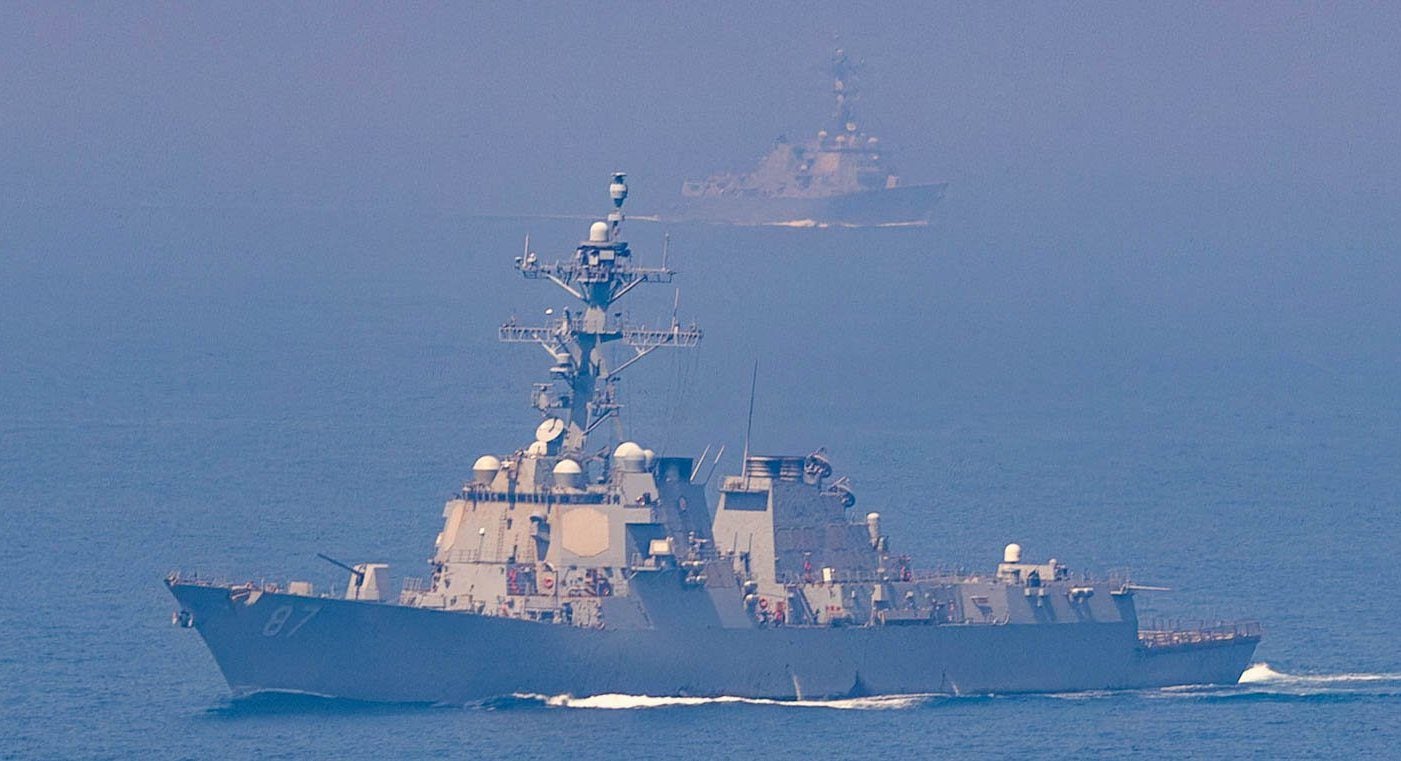
Jul 16, 2026 (Bloomberg) –The US struck Iran for a fifth straight day overnight and hit a sanctioned oil tanker near the country’s main export terminal, as tensions between the warring sides show little sign of abating.
Iran responded to the US’s barrage on military targets such as command centers and missile sites by firing upon American bases in Kuwait and Jordan. The Jordanian government said it intercepted eight missiles.
Tehran seems in no mood to back down in the face of US President Donald Trump’s warning that he’ll escalate strikes until the Islamic Republic reopens the Strait of Hormuz, the waterway that’s now the focal point of the war.
“As long as the United States does not accept the Iranian legal system, this strait will remain closed,” a spokesman for Iran’s army said, according to a report from the semi-official Iranian Students’ News Agency. That was likely a reference to Tehran’s demand that ships seek its permission before sailing through Hormuz and abide by its rules, including the imposition of any service fees.
Read More: US Strikes Iranian-Linked Oil Tanker Deep Within Persian Gulf
Iran’s parliamentary speaker and chief negotiator in the now-stalled peace talks with the US, Mohammad Bagher Ghalibaf, said his country had “no reason to remain committed” to an interim deal the two sides signed around a month ago. He stopped short, however, of saying Iran would formally withdraw from the so-called memorandum of understanding.
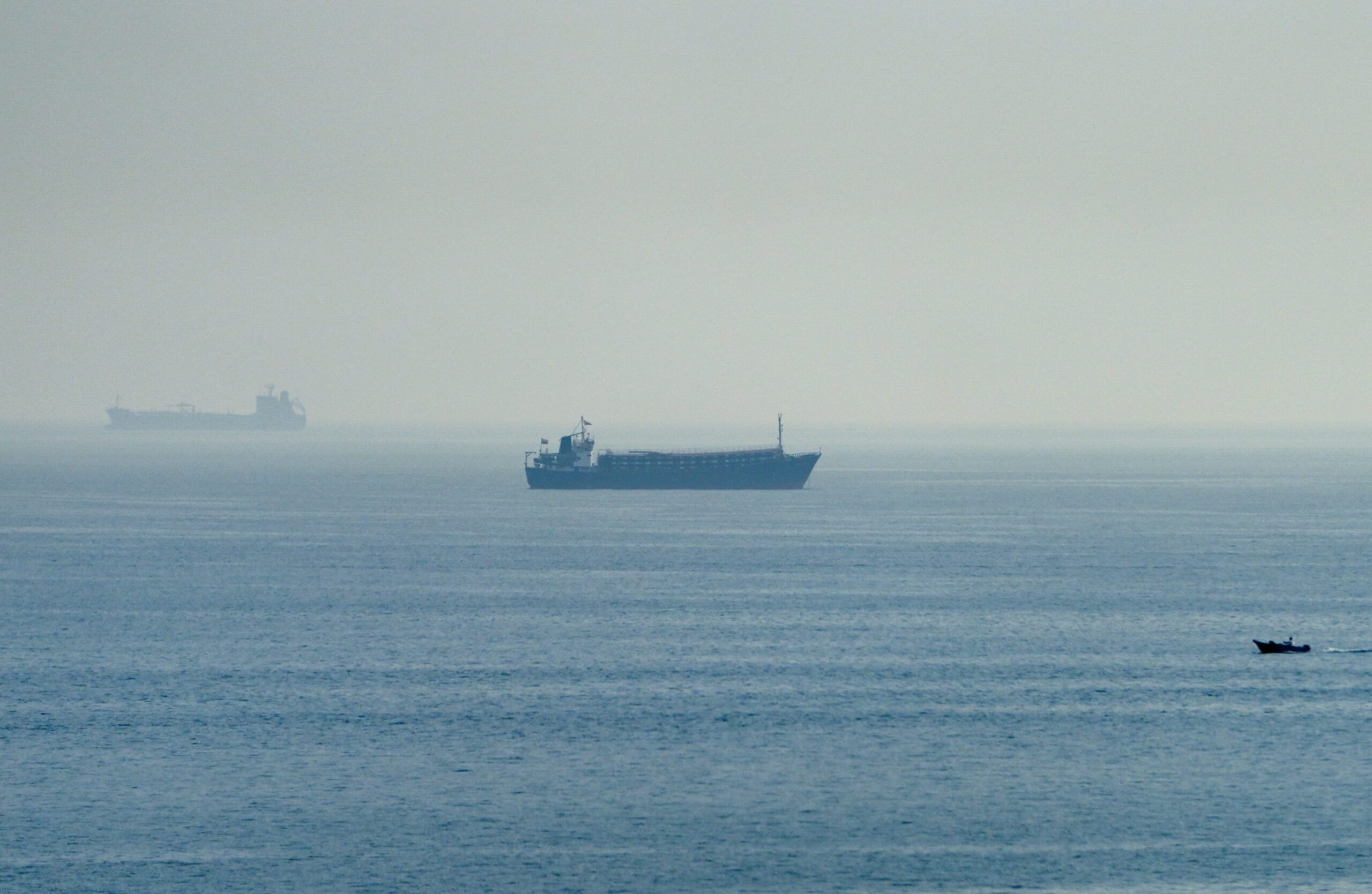
The US is increasingly frustrated with Iran’s willingness and ability to attack vessels in the Strait of Hormuz, a vital chokepoint for oil and liquefied natural gas supplies from the likes of Saudi Arabia, Iraq, Qatar and Iran itself. Washington and Tehran accuse each other of breaching the terms of the MOU, which was meant to reopen the strait but worded ambiguously as to how fast that would happen.
Amid an uptick in tensions since early last week, the US has reimposed a blockade on Iranian ports and ended a waiver on oil sanctions.
US Vice President JD Vance, in an interview with podcaster Joe Rogan, described Washington’s approach as “a delicate diplomatic dance” combining economic pressure, military action and negotiations. He rejected the idea that talks with Iran are futile and said the US wasn’t going to deploy ground troops to try and topple the government.
“We’re not going to send 150,000 ground troops in order to accomplish a change in a regime unless the people on the ground themselves want to accomplish that outcome,” he said, referring to Iranians.
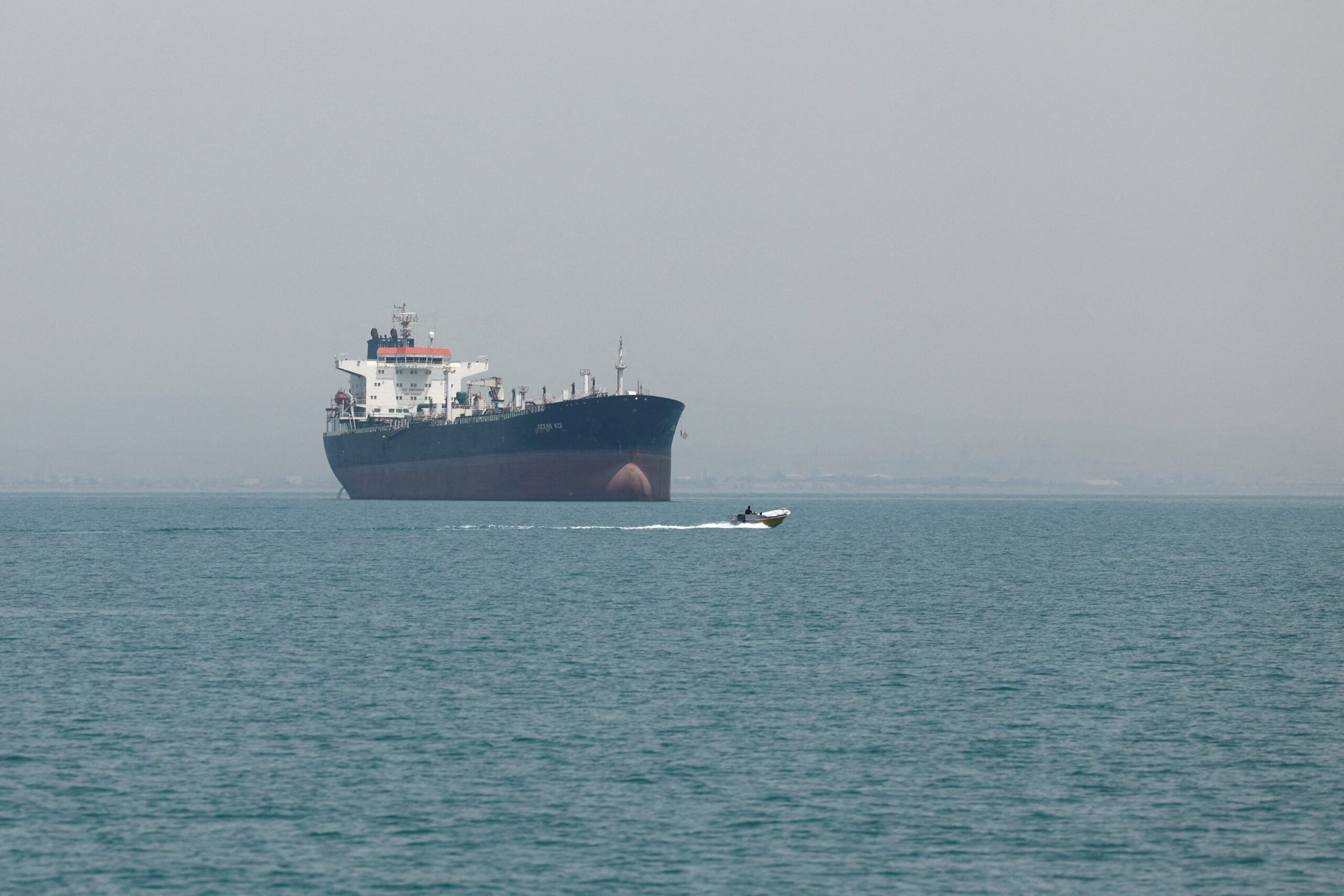
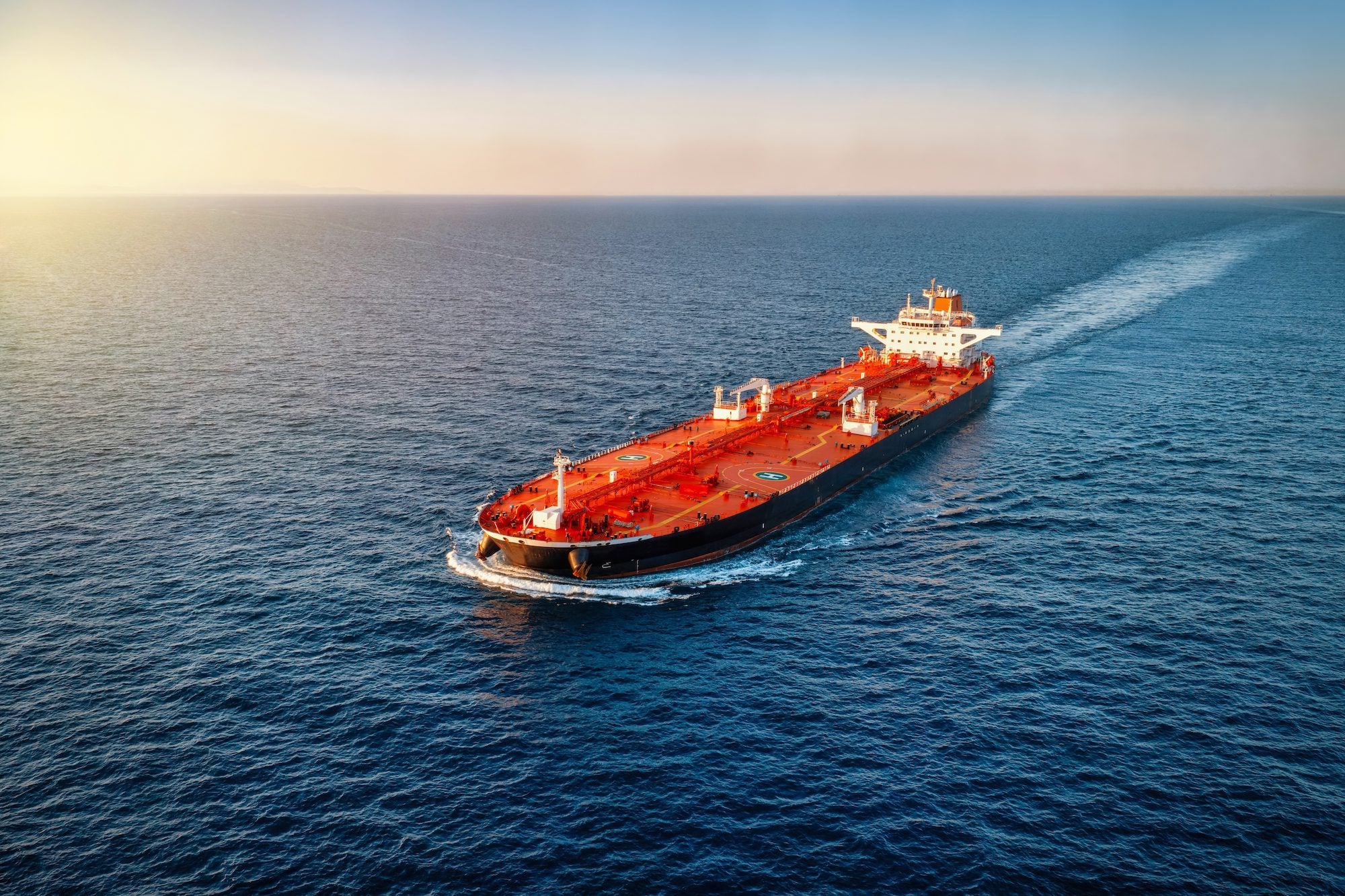
Early Thursday, the US said it had struck a supertanker near Iran’s Kharg Island export terminal, its first attack on a vessel since the blockade restarted. The strike, was deep within the Persian Gulf and far from the Hormuz strait, suggesting the US is widening the scope of the naval operation.
The US military said the Curacao-flagged “unladen” tanker ignored multiple warnings as it moved to an Iranian port.
The blockade, which threaten to further weaken Iran’s strained economy, was first imposed in April and then lifted with the signing of the MOU.
The American military added it had assisted more than 10 ships going through the strait overnight. Still, the number of transits has fallen sharply in the past week. The seven-day average of oil flows has dropped to 3.9 million barrels from 4.6 million, according to RBC Capital Markets LLC.
“The ceasefire is over, with vessels under heavy Iranian fire,” RBC analysts including Helima Croft said in a note to clients. “We do not see Hormuz traffic returning to pre-war levels as long as shippers have to contend with the threat of mines, missiles, drones, and Tehran tolls.”
Brent crude oil dipped slightly on Thursday, but at around $84.50 a barrel is still up 11% this week because of the renewed hostilities.
Trump reiterated his claims Iran is seeking more talks because US strikes had degraded its missile and drone capabilities. Tehran hasn’t publicly confirmed a desire to resume negotiations.
“We received a call just as I was coming here that they want to meet,” Trump said in an interview with Fox Business.
Trump also announced Wednesday night that Iran had released an American woman detained since December 2024. He praised it as a “gesture of Goodwill” and saying she was safely outside the country.
Trump did not name the citizen, but her lawyer, Jared Genser, said in a social media post that she was Dena Karari, who had been trapped in Iran since December 2024. Media outlets including the New York Times and the Guardian also identified the woman as Karari, a dual US-Iranian citizen.
The latest wave of US attacks has mostly singled out military sites in the south of the Islamic Republic such as radar, missile and drone facilities. The bombing campaign remains far less intense than during the height of the war in March and early April, when Tehran and other major cities were under constant fire.
Congressional Republicans are moving to increase war spending despite the political risks of supporting an unpopular campaign that has pushed up consumer prices, all before midterm elections in November.
The White House is advancing plans to extend a shipping waiver to ease movement of oil, fuel and fertilizer as supply disruptions threaten.
© 2026 Bloomberg L.P.

 Join The Club