Greece has thrown the European Union’s proposed 21st sanctions package against Russia into limbo, demanding exemptions for a domestic shipping company whose specialized Arctic liquefied natural gas carriers could become stranded assets under new restrictions aimed at tightening pressure on Moscow’s energy exports.
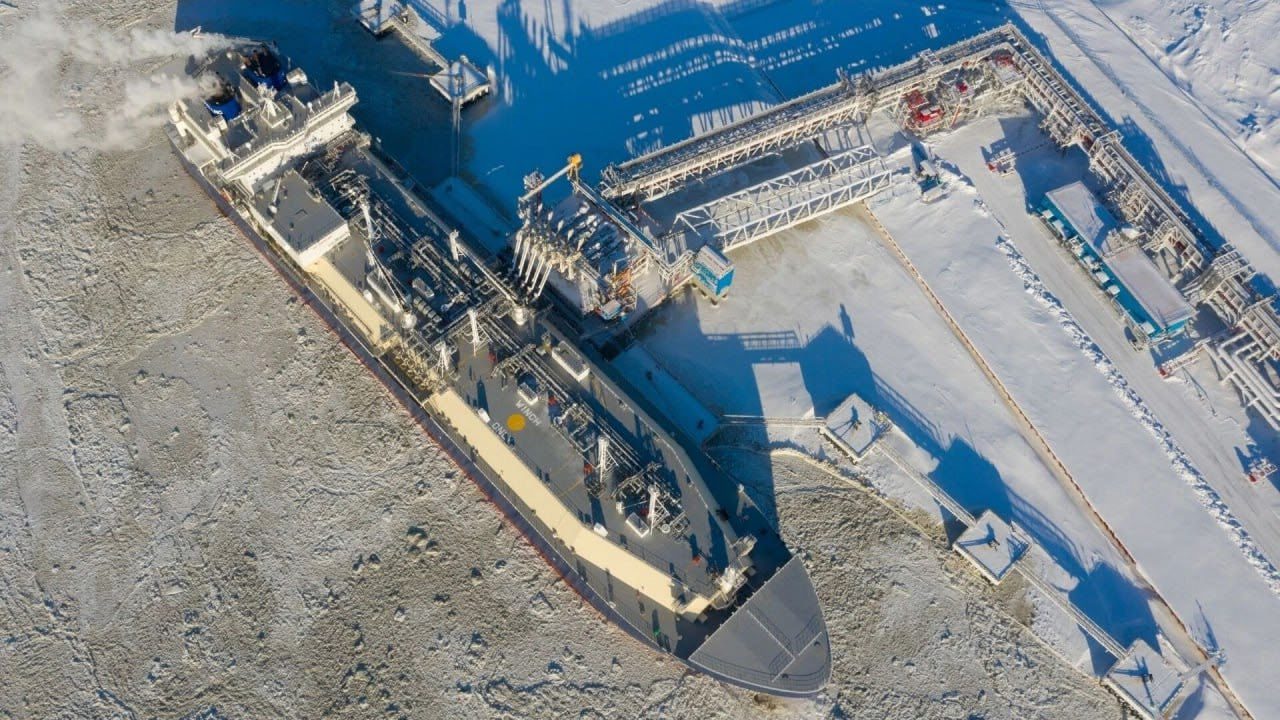
At the center of the dispute is Greek shipowner George Prokopiou’s Dynagas, one of the largest operators of icebreaking LNG carriers serving Russia’s Yamal LNG project in the Arctic. Greece’s ambassador to the EU argued that the proposed measures would “ruin” Dynagas, prompting Athens to withhold the unanimous support required for the sanctions package.
The proposed sanctions would go beyond the EU’s previously agreed ban on imports of Russian LNG, which is due to take effect on Jan. 1, 2027. Brussels also wants to prohibit EU companies from transporting Russian LNG anywhere in the world, regardless of the cargo’s destination or buyer, significantly tightening restrictions on maritime services supporting Russia’s gas exports.
For Dynagas, the impact would be particularly severe.
The company operates five Arc7 icebreaking LNG carriers and four Arc4 vessels employed on the Yamal LNG project, one of Russia’s key Arctic energy developments. Unlike conventional LNG carriers, the vessels were purpose-built for year-round operations through thick Arctic sea ice, featuring reinforced hulls, powerful propulsion systems and specialized icebreaking capabilities.
Those same characteristics also make them commercially unattractive for conventional LNG trades. Their heavier steel construction, unique hull form and higher fuel consumption reduce their competitiveness on standard open-ocean routes, leaving owners with few economically viable alternatives if they are barred from transporting Russian cargoes.
According to people familiar with the negotiations, Greece has argued that forcing the vessels off the Yamal trade would leave Dynagas little choice but to sell them to non-Western buyers. EU officials are simultaneously discussing restrictions on transferring such vessels into Russian ownership or control, a combination that could leave the highly specialized ships effectively stranded. Each Arc7 carrier is estimated to cost roughly $300 million to build.
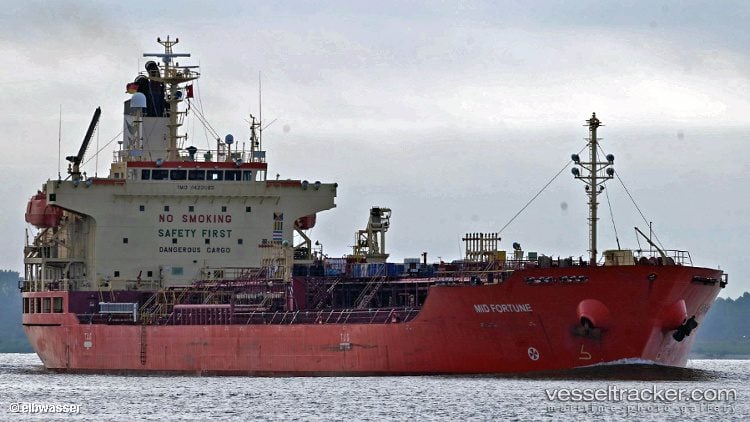
Dynagas is part of shipping magnate George Prokopiou’s maritime empire, which also includes tanker operator Dynacom. While Dynagas has become a key player in transporting Arctic LNG, Dynacom has remained active in carrying Russian crude oil following Moscow’s invasion of Ukraine, benefiting from continued demand for shipping services under the G7 price-cap regime. Dynacom has reportedly earned more than $900 million from transporting Russian oil over the past three years.
Maritime intelligence shows Dynagas has transported more than 10 million tonnes of Russian LNG since the beginning of 2025, completing well over 140 voyages from Yamal LNG using its fleet of specialized carriers. Together with vessels operated by Seapeak, Mitsui O.S.K. Lines and Russia’s Sovcomflot, Dynagas’ Arc7 fleet forms a critical component of the year-round logistics chain that keeps Arctic LNG flowing to customers in Europe and Asia.
The standoff has delayed not only the LNG shipping restrictions but the entire sanctions package, which also targets additional Russian banks, cryptocurrency networks and military-industrial companies, while introducing changes to the G7 oil price cap mechanism. EU ambassadors were forced this week to extend the existing $44.10-per-barrel price cap temporarily while negotiations continue.
EU foreign policy chief Kaja Kallas acknowledged the deadlock earlier this week.
“I also regret that we do not have an agreement on the 21st package,” Kallas told reporters after a meeting of EU foreign ministers. “Of course, member states have various reasons” for objecting, she said, adding: “Our aim is to have an agreement. If we don’t have an agreement, then we start to work on Plan B.”
Whether Brussels ultimately grants Greece the exemptions it is seeking could determine not only the fate of Dynagas’ Arctic fleet, but also how aggressively Europe is prepared to target Russia’s specialized shipping infrastructure.

 Join The Club