Don’t Miss Your Daily Briefing for the Maritime Industry
Join the leading maritime news network
— trusted by our 107,009 members
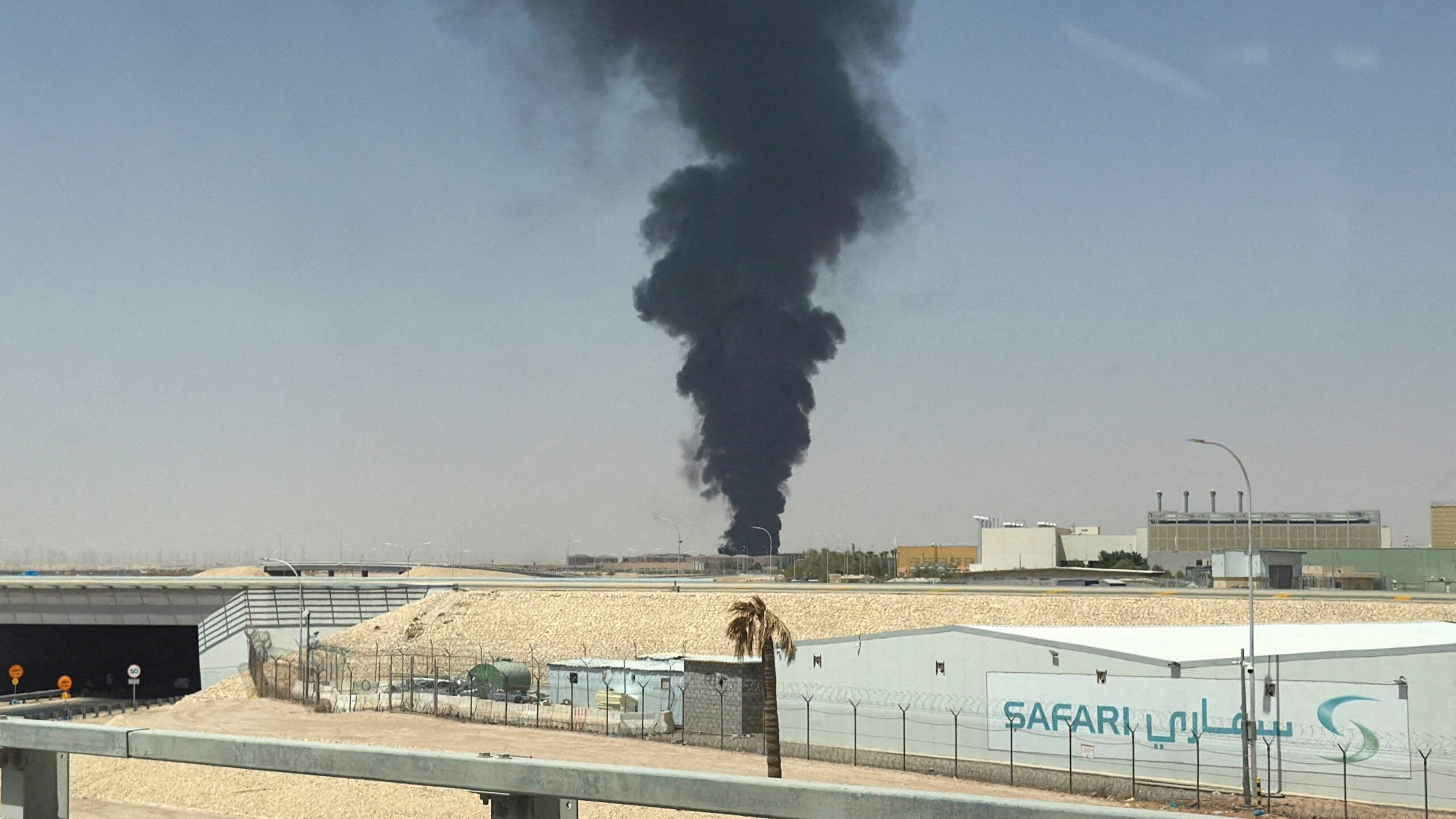
Large plume of black smoke rises from the fuel storage area at King Khalid International Airport, in Riyadh, Saudi Arabia, September 19, 2026. Picture taken with a mobile phone. REUTERS/Stringer
Houthis Kill Three in Strikes on Saudi Arabian Airports
Oct 7, 2026 (Bloomberg) –The Houthis struck two airports in Saudi Arabia in the past two days, killing three people and injuring dozens as the Iran-backed militant group intensifies its attacks on the kingdom from Yemen.
King Khalid International Airport in the capital, Riyadh, and Abha airport in the south-west came under fire on Tuesday and Wednesday, the Saudi General Authority of Civil Aviation said in a statement. The Houthis claimed to have attacked both airports.
A Sudanese man was killed in the assault on the Riyadh airport, according to GACA. Five Saudi nationals, two Egyptians and a Pakistani were injured.
Two women — one Moroccan and one Algerian — were killed in the strike on Abha International Airport, where 28 people sustained injuries ranging from minor to serious.
The Houthis are facing a ground offensive from a Saudi-led coalition in Yemen. Soldiers from the internationally-recognized Yemeni government and the Saudi air force are working to take back territory won by the militant group over the past month near the strategic Bab el-Mandeb strait.
The offensive began on Sunday and the coalition says it has gained ground, including retaking the Red Sea port city of Mokha. The Saudi-led group says it aims to “eliminate” the Houthis, who control land home to around 70% of Yemen’s population, including the capital, Sanaa.
The developments are a blow to the government of Crown Prince Mohammed bin Salman, who is trying to keep his multitrillion-dollar economic diversification plan on track. In under three weeks, Riyadh is scheduled to host the Future Investment Initiative, the country’s flagship investment conference. This year’s attendees are meant to include JPMorgan Chase & Co. Chief Executive Officer Jamie Dimon and David Solomon of Goldman Sachs Group Inc.
US-Iran Tensions
Tensions, meanwhile, between the US and Iran are worsening and there’s little sign the warring sides are close to restarting peace talks.
The White House has asked the Pentagon to draw up attack options against Iran that could be executed before the midterm elections on Nov. 3, The Atlantic reported, citing two administration officials. The size and targets of the potential strikes, and whether the administration will proceed, are still being debated, according to the report.
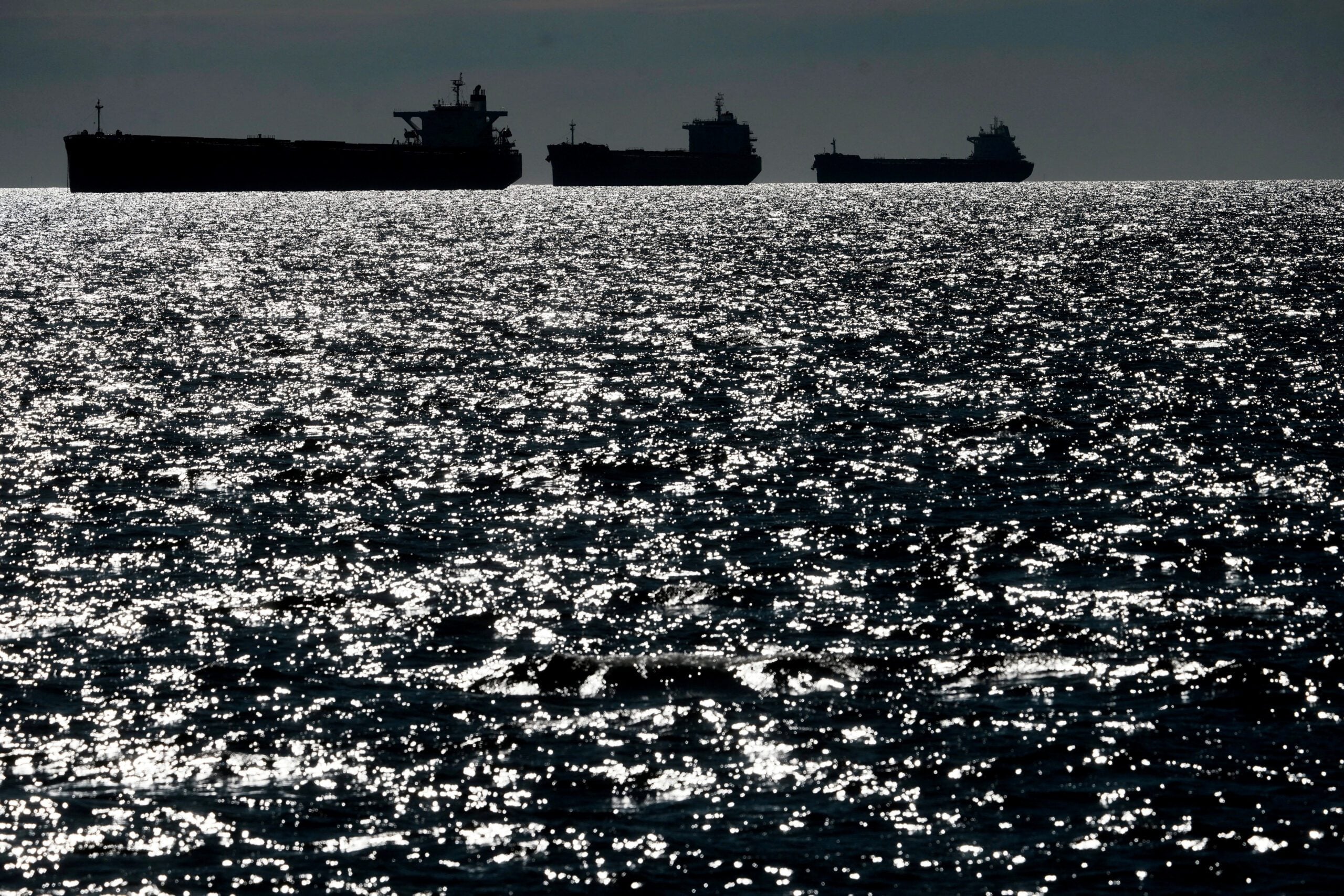
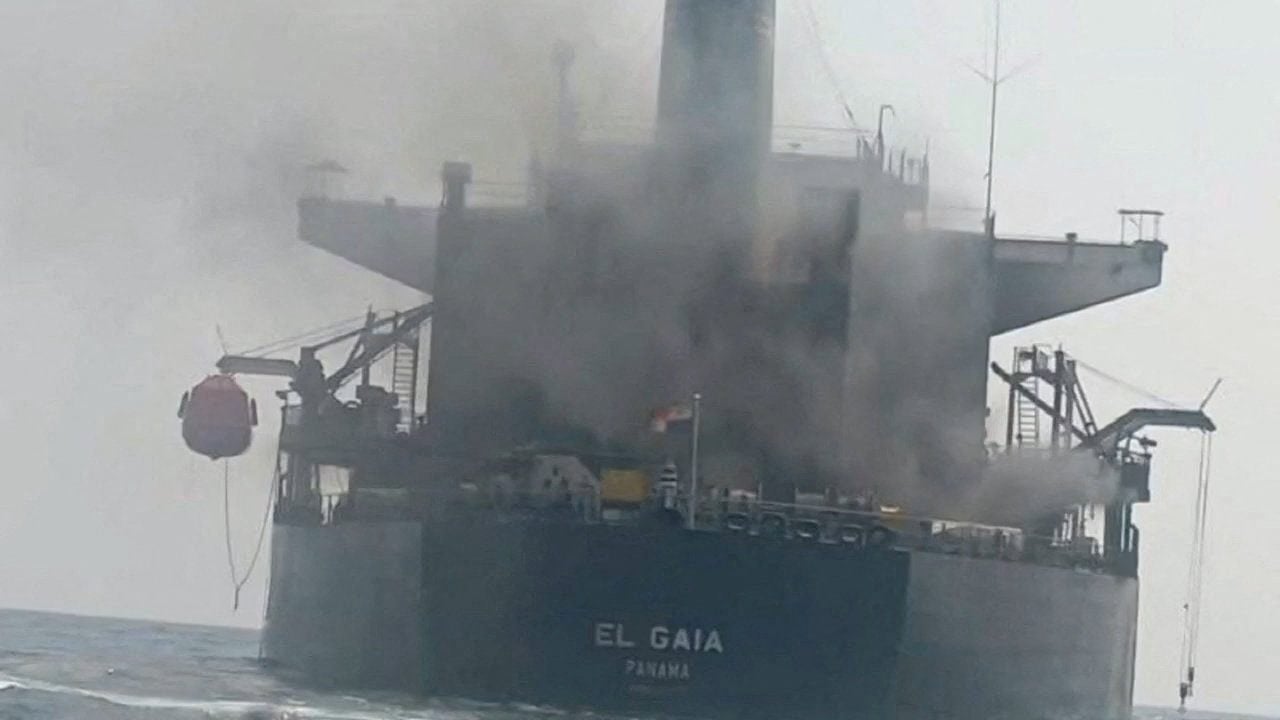
Iran is ramping up shipping attacks in the Persian Gulf and near the Strait of Hormuz. UKMTO — a British organization that provides a link between commercial shipping and the military — said a tanker was struck by projectiles off the coast of Qatar on Wednesday. It was the first reported strike on a tanker that deep within the Persian Gulf in about a month.
UKMTO has reported nine attacks in or near Hormuz so far this month. That’s about half of the amount reported in September.
Oil has risen on the increased tensions, with Brent crude surging roughly 4% to $104.10 a barrel on Thursday. The jump has triggered a fresh round of selling in bonds and stocks across global markets.
Saudi Arabia’s GACA said it was working to assess the damage at the airports and verify the safety of the facilities.
The kingdom said the coalition retaliated by destroying 82 military targets belonging to the Houthis in Yemen. They were in the areas of Saada, Hodeida, Jawf and Marib.
The sites included ballistic missile storage facilities and command and control centers, the coalition said on X. Houthi attacks on civilian sites in the kingdom “will not go unpunished,” a spokesman, Turki Al-Maliki, said.
The coalition said early Wednesday that it intercepted a ballistic missile north of Riyadh launched by the Houthis and later announced it had destroyed the launch platform used in the attack. The platform was in Sanaa and being prepared for another strike on Saudi Arabia, the spokesman added.
The Houthis, one of Tehran’s main proxy militant groups, took over Sanaa in 2014, marking the start of Yemen’s ongoing civil war. The group withstood a bombing campaign led by Saudi Arabia and the United Arab Emirates until a truce in 2022.
In July, the Houthis, who had largely stayed out of the US-Israel war on Iran, announced a blockade of Saudi ports, claiming the kingdom was besieging parts of Yemen.
Read more: GLOBAL INSIGHT: Hormuz Oil Flows, But Iran Still Causes Pain
Fighting picked up in early September, when the group started firing on Saudi Arabia almost daily and advanced south from its stronghold in northwest Yemen toward the Bab el-Mandeb, a crucial chokepoint for energy tankers and container ships.
The United States on Thursday imposed sanctions on 22 tankers and dozens of individuals and companies linked to Iran’s oil trade, expanding its campaign to cut off Tehran’s remaining petroleum...
Attacks on tankers sailing through the Strait of Hormuz hit their highest last week of any week since the Iran war began, according to maritime security sources tracking incidents, amid a bigger export push by Gulf producers.
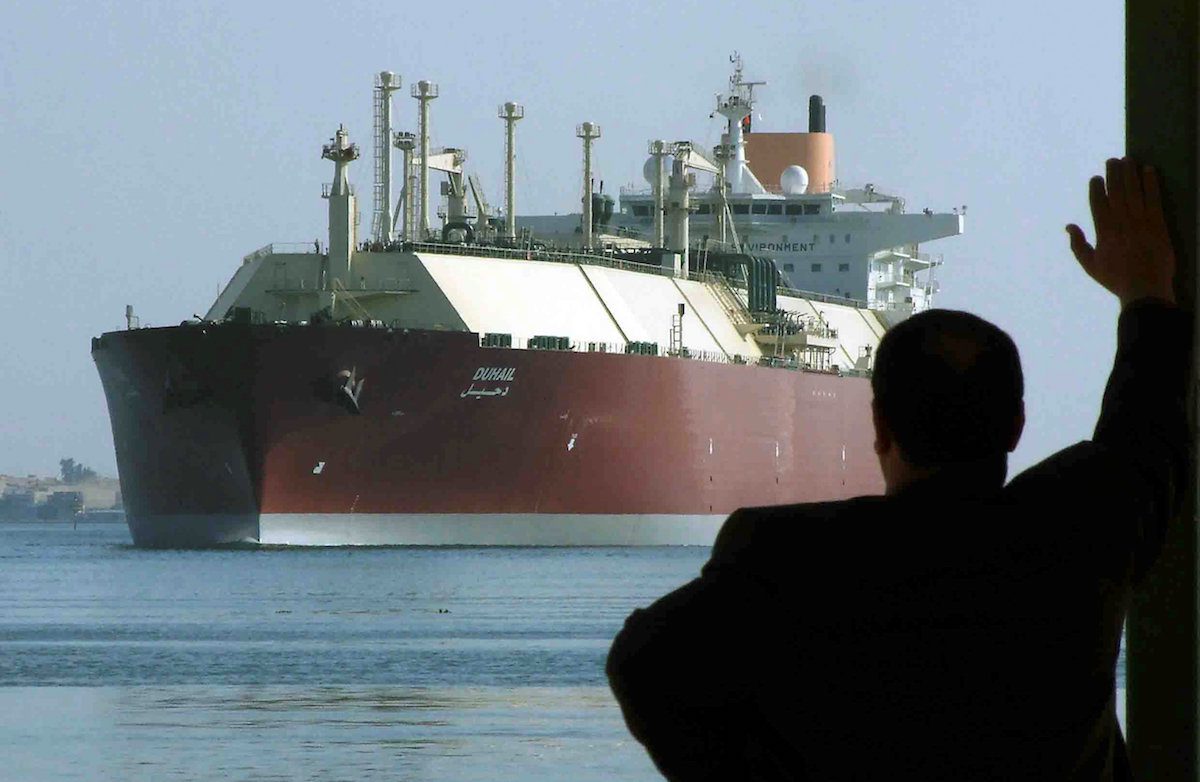
Qatar has amassed a fleet of empty liquefied natural gas tankers in the Persian Gulf, a sign that one of the world’s biggest exporters of the fuel may be preparing to boost shipments through the Strait of Hormuz.
October 7, 2026
Total Views: 2079
Get The Industry’s Go-To News
Subscribe to gCaptain Daily and stay informed with the latest global maritime and offshore news
— just like 107,009 professionals
Secure Your Spot
on the gCaptain Crew
Stay informed with the latest maritime and offshore news, delivered daily straight to your inbox
— trusted by our 107,009 members
Your Gateway to the Maritime World!
Essential news coupled with the finest maritime content sourced from across the globe.

 Join The Club