Europe’s estimated bill reaches €7.88 billion through September as U.S. sanctions deadline adds uncertainty for Yamal’s specialized tanker fleet.
The European Union imported a record 12.18 million metric tons of liquefied natural gas from Russia’s Yamal Arctic project in the first nine months of 2026, paying an estimated €7.88 billion, according to an analysis by German environmental group Urgewald.
Shipments rose 9.5% compared with the same period last year, even as Yamal’s worldwide deliveries fell 1.3%. Europe received 167 cargoes, accounting for 85% of the project’s recorded deliveries by volume, according to Urgewald’s analysis of Kpler shipping data.
The figures highlight Europe’s continuing importance to Russia’s Arctic gas trade despite the EU’s planned phaseout of Russian LNG imports. The bloc’s estimated bill included €2.88 billion in the first quarter, €3.08 billion in the second and €1.92 billion in the third.
Third-quarter deliveries fell 13.6% year-over-year to 2.21 million tons. September shipments, however, reached 792,440 tons, slightly above the same month last year, with an estimated value of €818 million.
The figures come ahead of an Oct. 18 deadline for the Trump administration to implement provisions of the Lindsey O. Graham Sanctioning Russia and Iran Act, signed into law on Sept. 18.
The legislation authorizes sanctions against certain foreign vessels involved in moving Russian energy to evade sanctions, as well as people connected to Russian energy projects including Yamal LNG and foreign port operators that provide services to U.S.-sanctioned vessels. How broadly Washington applies those powers remains uncertain.
Urgewald sanctions campaigner Sebastian Rötters said Europe’s continued purchases provide Russia with a substantial nearby market while giving European governments leverage over the trade.
“The short-term contract ban has done little to disrupt the trade,” Rötters said, arguing that the full import ban scheduled for 2027 will be needed to put serious pressure on Russia’s LNG business.
Restrictions on Russian LNG imports under eligible existing short-term contracts took effect on April 25. The EU’s broader ban covering eligible existing long-term contracts is scheduled to take effect on Jan. 1, 2027. Urgewald said September deliveries showed no noticeable impact from the short-term restrictions so far.
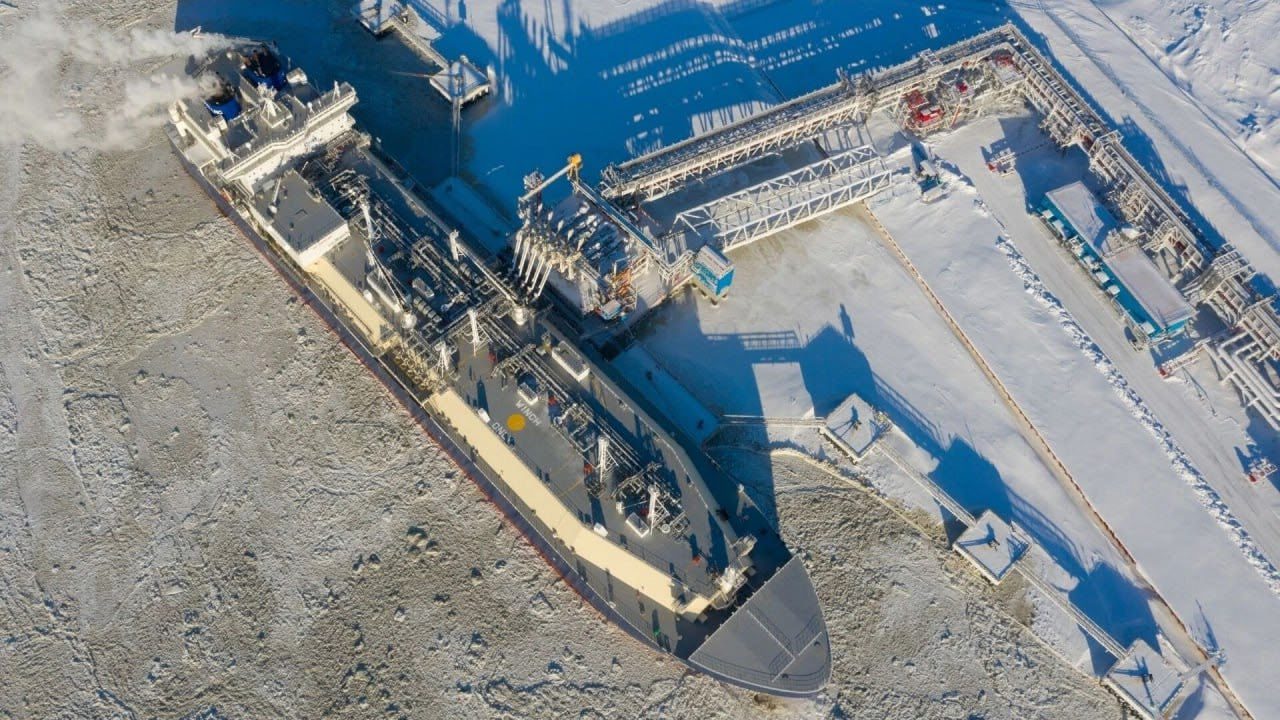
Yamal’s dependence on Europe is also a logistical issue. The project relies on a relatively small fleet of specialized Arc7 ice-class LNG carriers designed to operate in Arctic waters. European terminals and shipyards offer a nearby destination, allowing the vessels to discharge and receive maintenance and return to Yamal quickly. That turnaround is particularly important as winter conditions make eastbound voyages through the Northern Sea Route toward Asia more difficult.

 Join The Club