European Union spending on Russian Arctic LNG has already surpassed last year’s total, even as the bloc prepares for a broader phaseout of Russian energy imports.
EU countries paid an estimated €7.28 billion for LNG from Russia’s Yamal project between January 1 and September 5, slightly more than the €7.2 billion estimated for all of 2025, according to an analysis by German environmental group Urgewald using Kpler shipping data.
The increase reflects both higher European gas prices and a rise in shipments to EU ports.
During the first eight months of 2026, EU ports received 156 Yamal LNG cargoes carrying about 11.39 million tonnes, up 10.1% from the same period last year. At the same time, Yamal’s worldwide exports fell 3.1% to 12.82 million tonnes.
That pushed the EU’s share of Yamal LNG exports to nearly 89%, up from 78.2% during the first eight months of 2025.
The numbers underscore the continued importance of Europe to Russia’s Arctic LNG trade despite the EU’s broader push to move away from Russian energy.
The trend briefly shifted in August as the seasonal opening of Russia’s Northern Sea Route allowed more LNG cargoes to move east toward Asia.
Seven Yamal cargoes totaling about 498,000 tonnes were delivered to EU ports during the month, while seven cargoes carrying about 494,000 tonnes went to Asia. EU-bound volumes were down 36% compared with August 2025.
But the seasonal increase in Asian shipments has done little to change Yamal’s broader dependence on Europe.
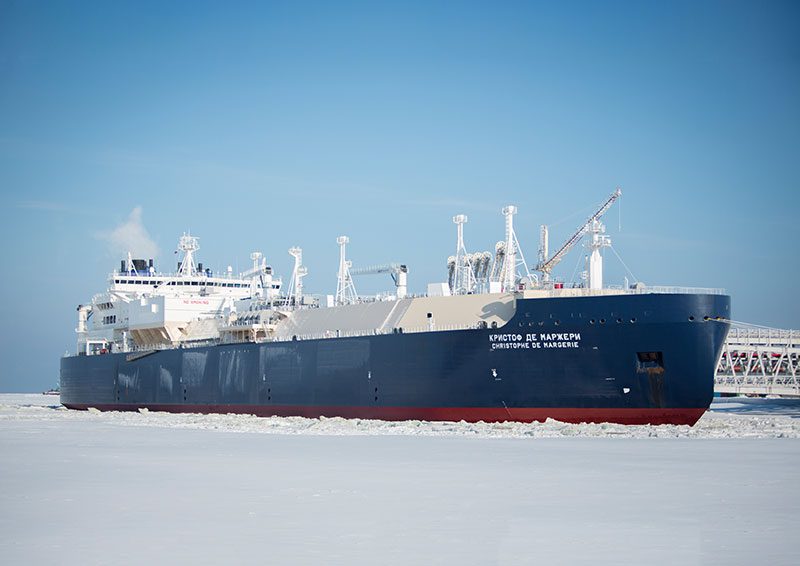
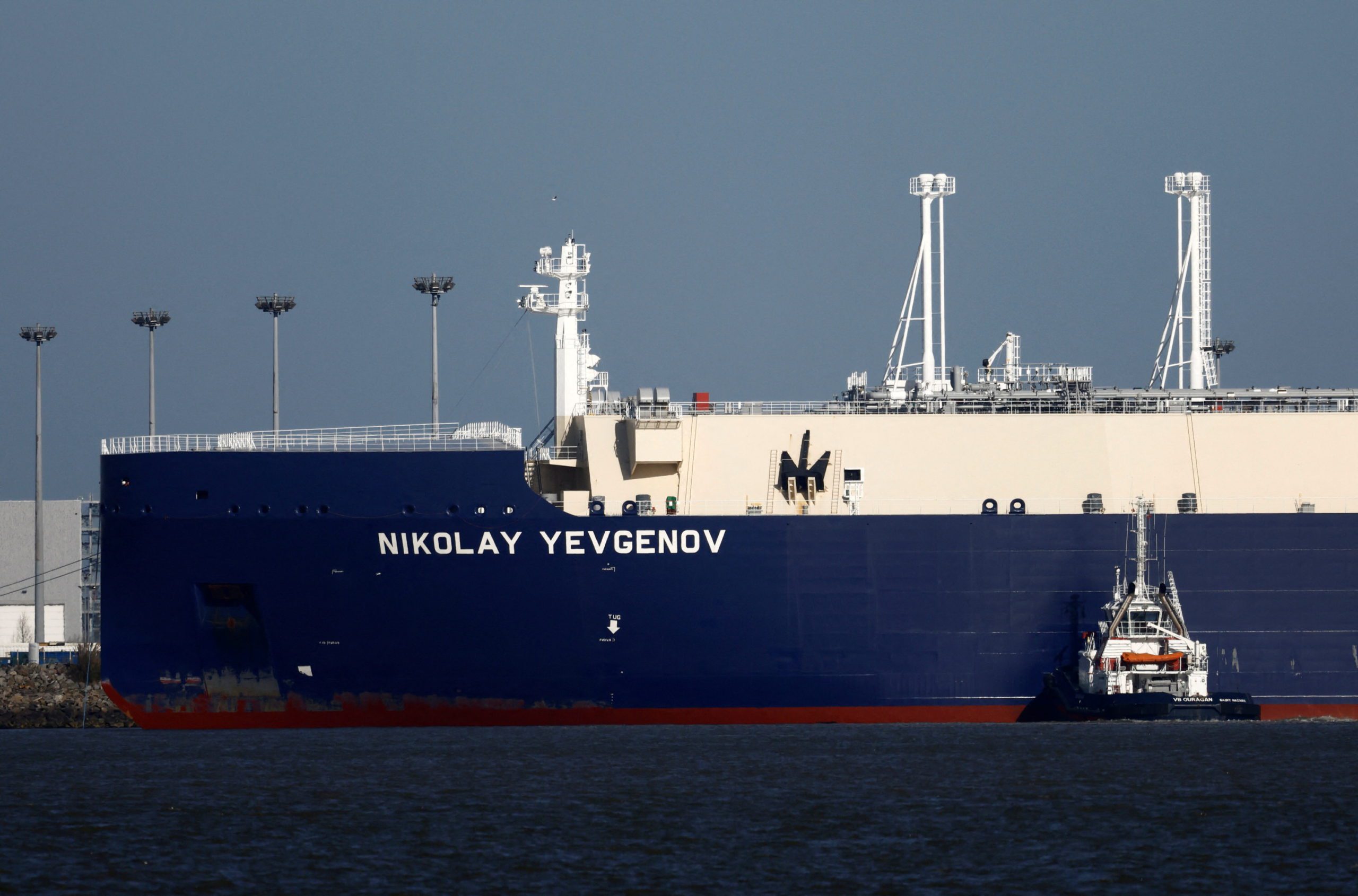
The project relies on a relatively small fleet of specialized Arc7 ice-class LNG carriers capable of operating through Arctic ice. Shorter voyages to European terminals allow those ships to discharge their cargoes and return to Yamal relatively quickly.
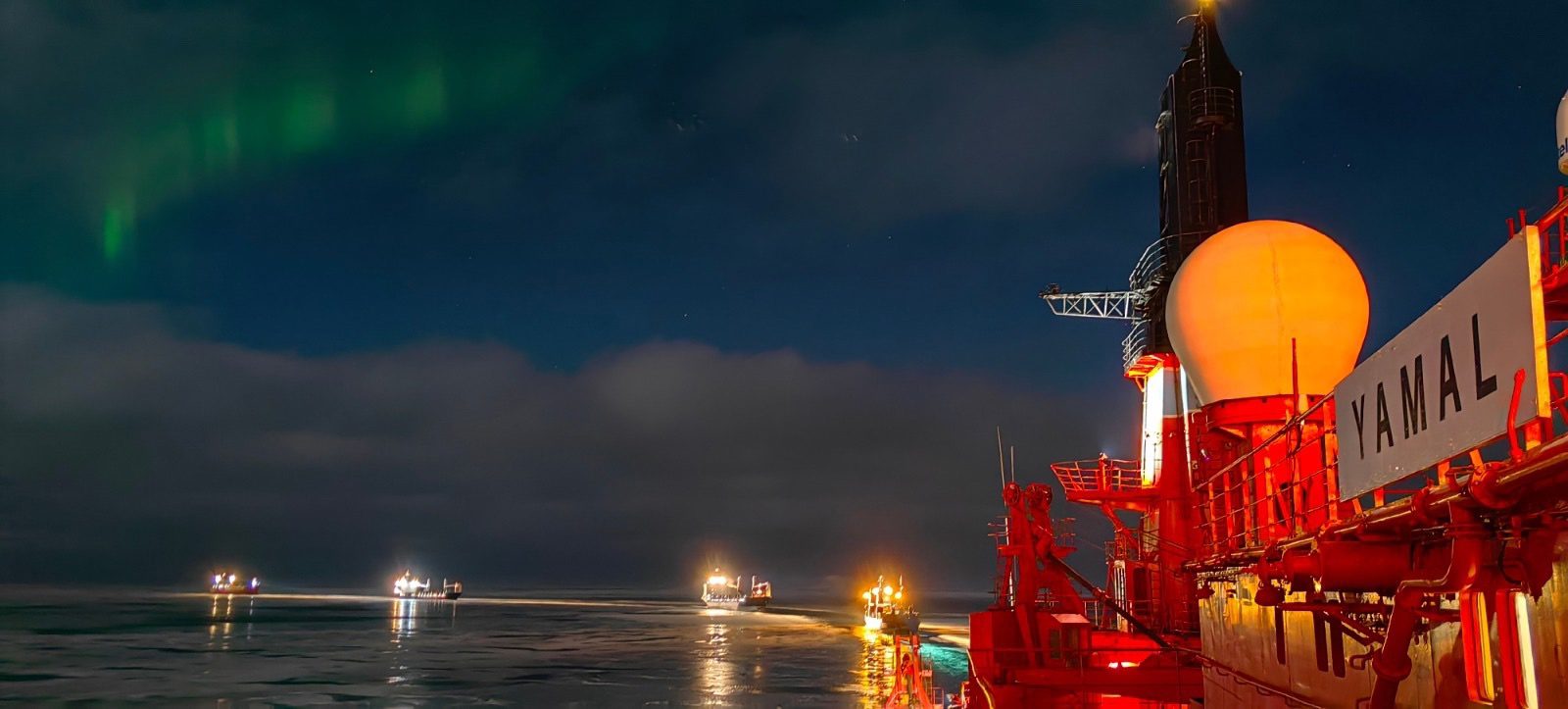
That advantage becomes particularly important during winter, when direct LNG shipments east along the Northern Sea Route become much more difficult.
Between January and August, Arc7 vessels linked to Glasgow-based Seapeak carried 65 Yamal cargoes totaling 4.73 million tonnes, while ships linked to Greece’s Dynagas handled another 62 cargoes totaling roughly 4.5 million tonnes. Together, the two groups accounted for about 72% of Yamal exports during the period.
The Arctic LNG fleet also continues to rely on European maritime services. Urgewald said Denmark’s Fayard remains the last EU shipyard it has identified as servicing the Arc7 fleet. The Dynagas-operated Boris Davydov has been undergoing maintenance there since August 29.
Urgewald published the figures ahead of the European Arctic Summit in Rovaniemi, Finland, on September 13 and 14, where European leaders are expected to discuss security and the region’s growing geopolitical importance.
The group is urging EU governments to target the Arctic LNG trade in the bloc’s upcoming 22nd sanctions package, including restrictions on LNG tanker sales and services supporting Russia’s ice-class fleet.
The bigger test will come in 2027.
An EU ban on Russian LNG imports is due to take effect January 1, potentially forcing Yamal LNG to find alternative markets just as winter conditions restrict direct Arctic access to Asia.
Urgewald’s payment figures are estimates rather than reported sales revenue. The group calculated the totals using EU-delivered volumes, an energy conversion factor and monthly Dutch TTF benchmark gas prices. Contract-level prices are not publicly available, meaning the figures do not account for discounts, transport costs, taxes, freight income or other commercial factors.

 Join The Club