By Rakesh Sharma and Yongchang Chin
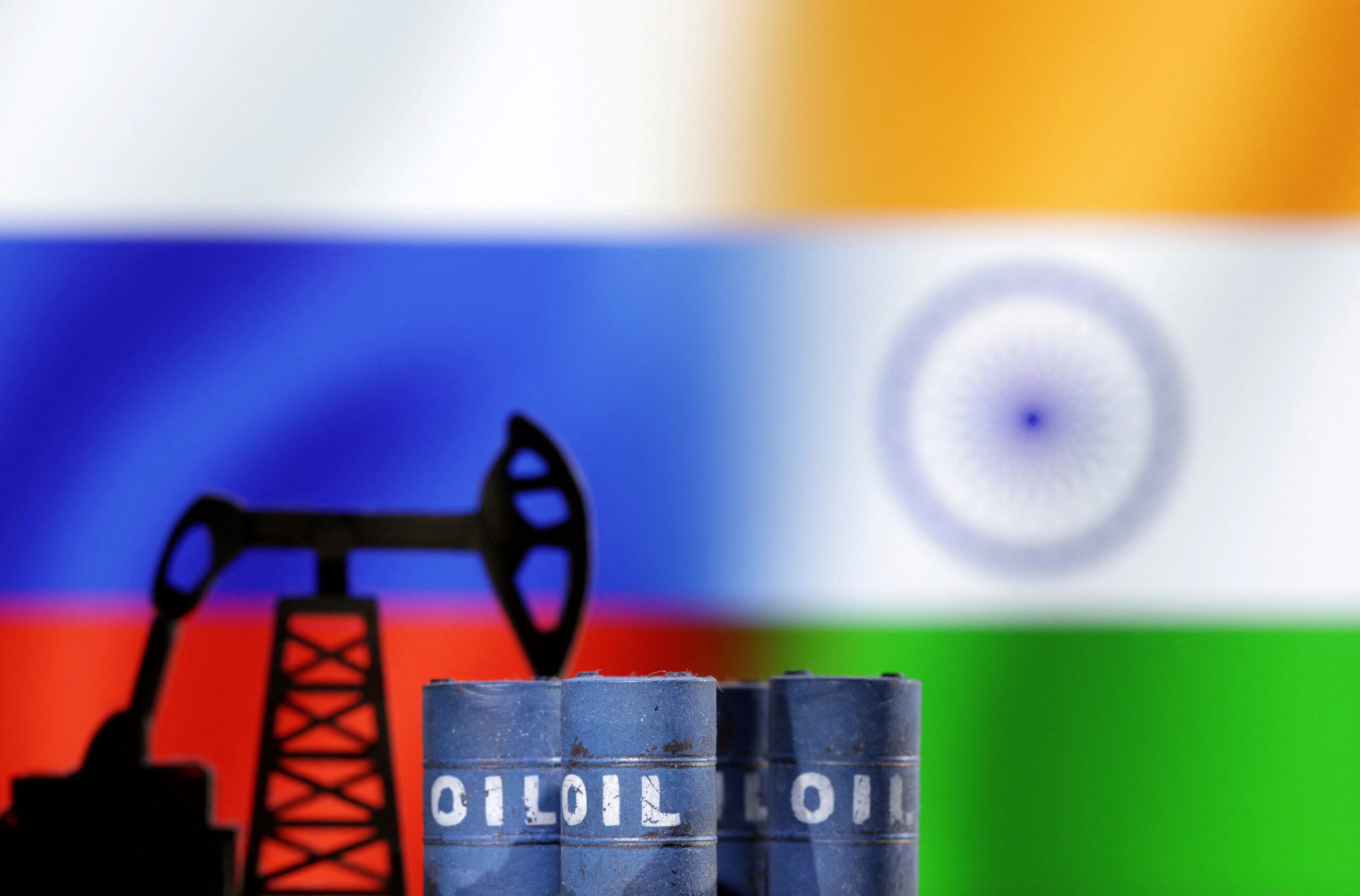
Oct 8, 2026 (Bloomberg) –Indian refiners have cut back Russian crude purchases for November delivery, as rising competition from China pushes up prices at a time when buyers can tap alternative shipments from the Middle East.
Surging prices for Russia’s flagship Urals crude loaded in the Baltic, a mainstay for Indian refiners, are driving the pullback, according to people familiar with the matter. Economics have outweighed Washington’s pressure on New Delhi to reduce purchases from Russia, its biggest crude supplier.
Russian crude is being offered at premiums of more than $10 a barrel to Dated Brent, the people said, asking not to be named as the information is commercially sensitive. Once sold at steep discounts, those barrels are now priced almost at par with Middle Eastern grades, prompting Indian refiners to turn back to Persian Gulf suppliers, the people said. Some of those cargoes are also being offered to Chinese independent refiners.
Refiners in the world’s third-biggest oil importer were already cutting Russian purchases after a sweeping US sanctions law raised the threat of punitive tariffs. Moscow’s share of India’s crude imports fell to about 35% in September from as high as 56% in July, according to Kpler. Shipments averaged just 310,000 barrels a day in the four weeks through Oct. 4, the lowest since March 2022, tanker-tracking data compiled by Bloomberg show.
China and India remain the biggest buyers of Russian crude, while many cargoes are assigned a final destination only after they are well into their voyage.
Read More: Supertankers Racing to Middle East Worsen Global Ship Crunch
“China’s imports of Russian crude have been increasing over the past few months, adding competition for those barrels that would otherwise be available to Indian refiners,” said Sumit Ritolia, senior manager of modeling at Kpler. “This has partly coincided with reduced Chinese access to Iranian crude.”
New Delhi hasn’t asked refiners to cut imports from Russia in response to US tariff risks, the people said. India’s oil ministry did not immediately respond to a request for comment.
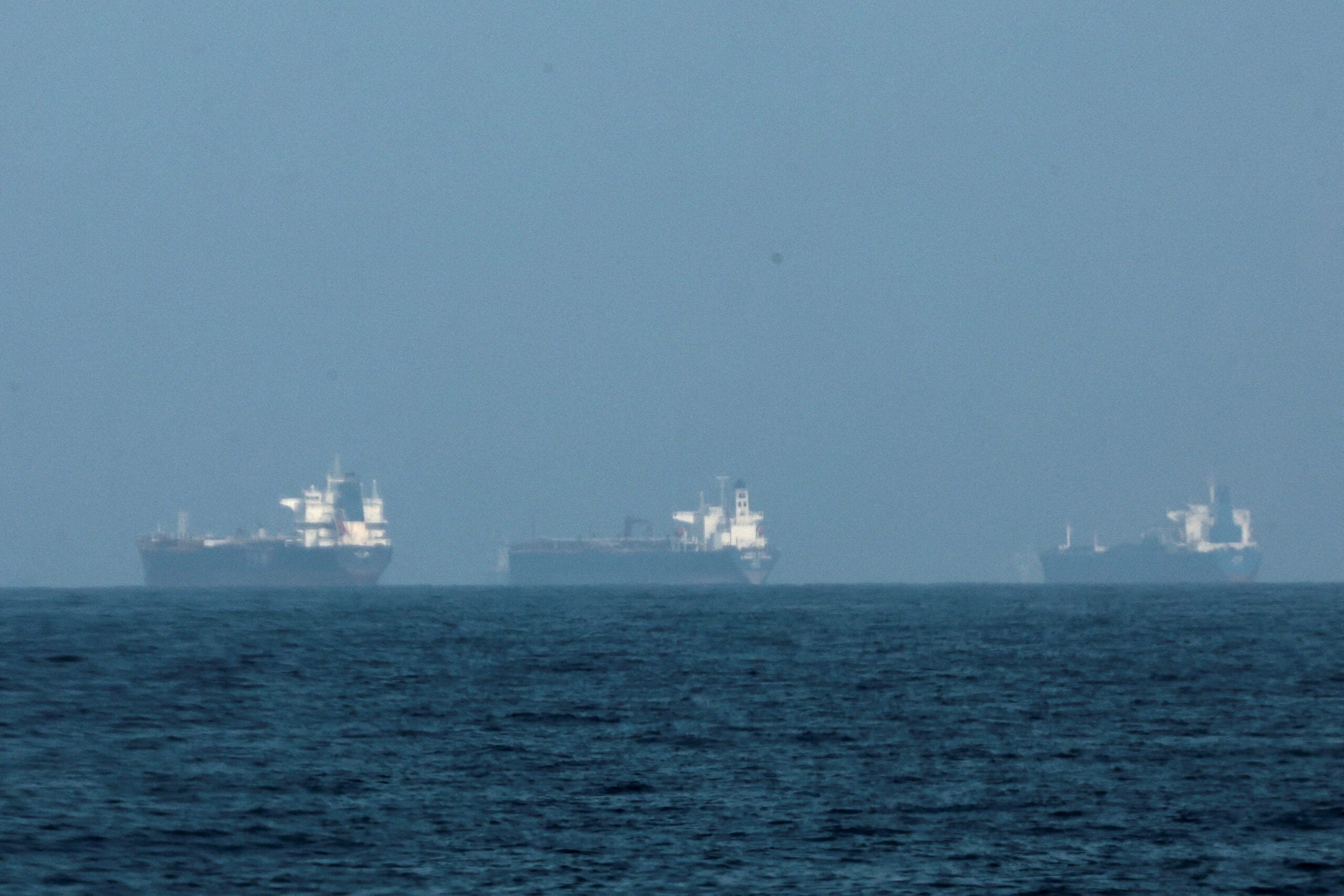
Meanwhile, Middle Eastern flows have risen as more tankers navigate the Strait of Hormuz despite still-elevated risks from increasing Iranian attacks on shipping. Volumes have recovered to about 80% of prewar levels, according to Shell Plc Chief Executive Officer Wael Sawan. Gulf barrels also benefit from shorter voyages and lower shipping costs, adding to their appeal for Indian buyers at a time tanker freight rates are surging.
Alongside China, India became a crucial outlet for Russian oil after Western sanctions redirected exports away from Europe following Moscow’s 2022 invasion of Ukraine. The Indian shift toward Middle Eastern crude stands to intensify competition for Gulf barrels as Asian refiners secure supplies for the final months of the year.
“India has certainly been diversifying its crude slate, with more barrels coming from the Middle East and the Americas,” Ritolia said.
© 2026 Bloomberg L.P.

 Join The Club