The global shipping industry is raising urgent warnings about the safety of civilian seafarers as escalating conflict in the Middle East halts commercial traffic through the Strait of Hormuz, strands hundreds of vessels, and forces insurers, labor groups, and shipowners to enact emergency measures.
Industry bodies representing shipowners, insurers, and maritime labor say the rapidly deteriorating security environment in the Persian Gulf has placed civilian crews directly in harm’s way as missile strikes, drone threats, and military activity spread across one of the world’s most critical shipping corridors.
The International Chamber of Shipping (ICS) said the situation has left seafarers exposed to extreme danger while performing essential work that underpins global trade.
“I have been deeply concerned about the seafarers who are being put in extreme danger in the Strait of Hormuz and the surrounding region when they are simply trying to do their job,” said ICS Chairman Emanuele Grimaldi in a statement. “By no fault of their own, their lives are now tragically at risk.”
Grimaldi urged governments to prioritize the safety of merchant shipping and the crews who operate it.
“Freedom of navigation is crucial to global trade. All States must ensure the safe passage of merchant vessels, prioritising the safety and welfare of the crew on board,” he said, adding that the ICS is closely monitoring the crisis while hoping for “a quick and peaceful resolution.”
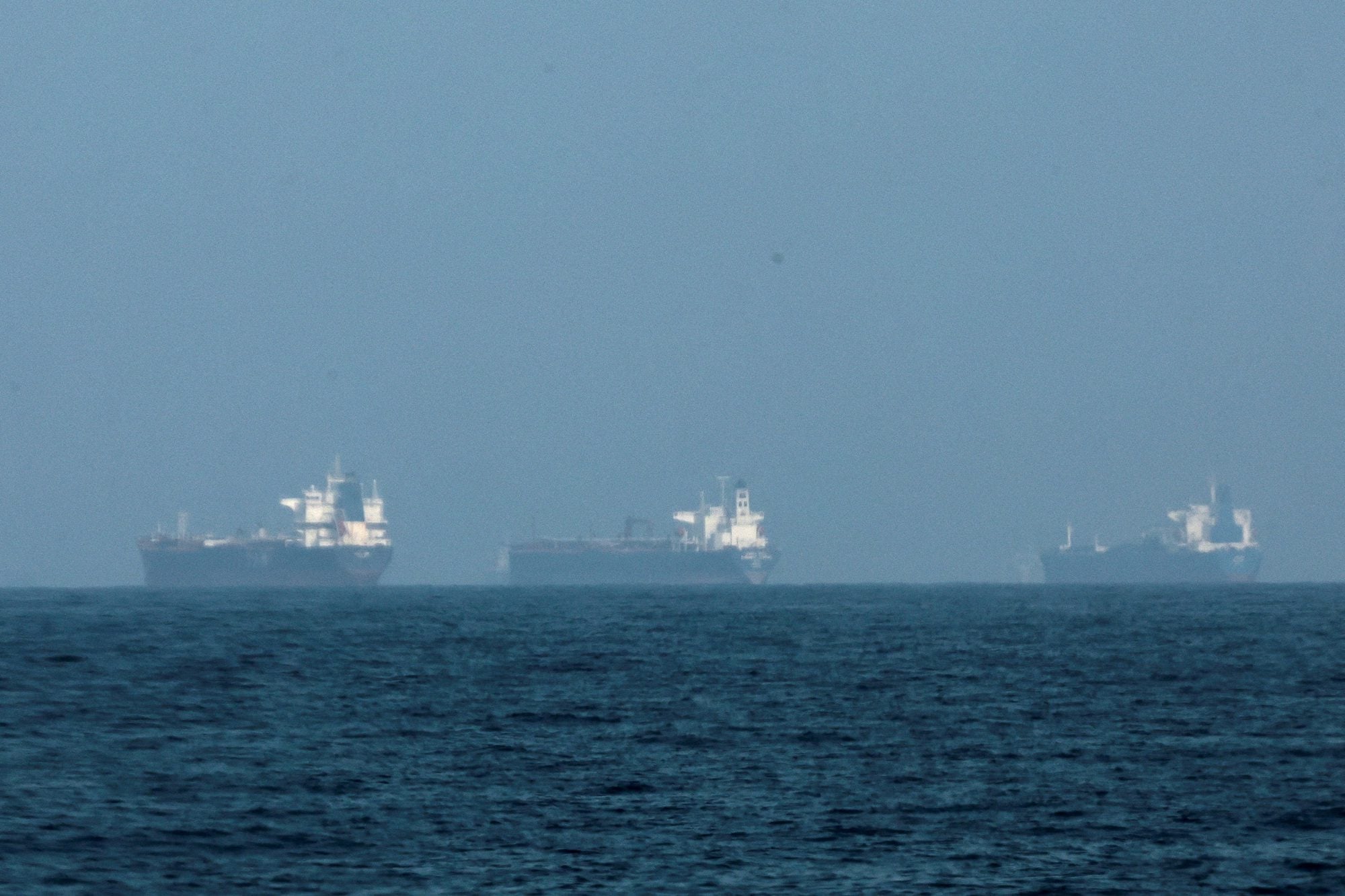
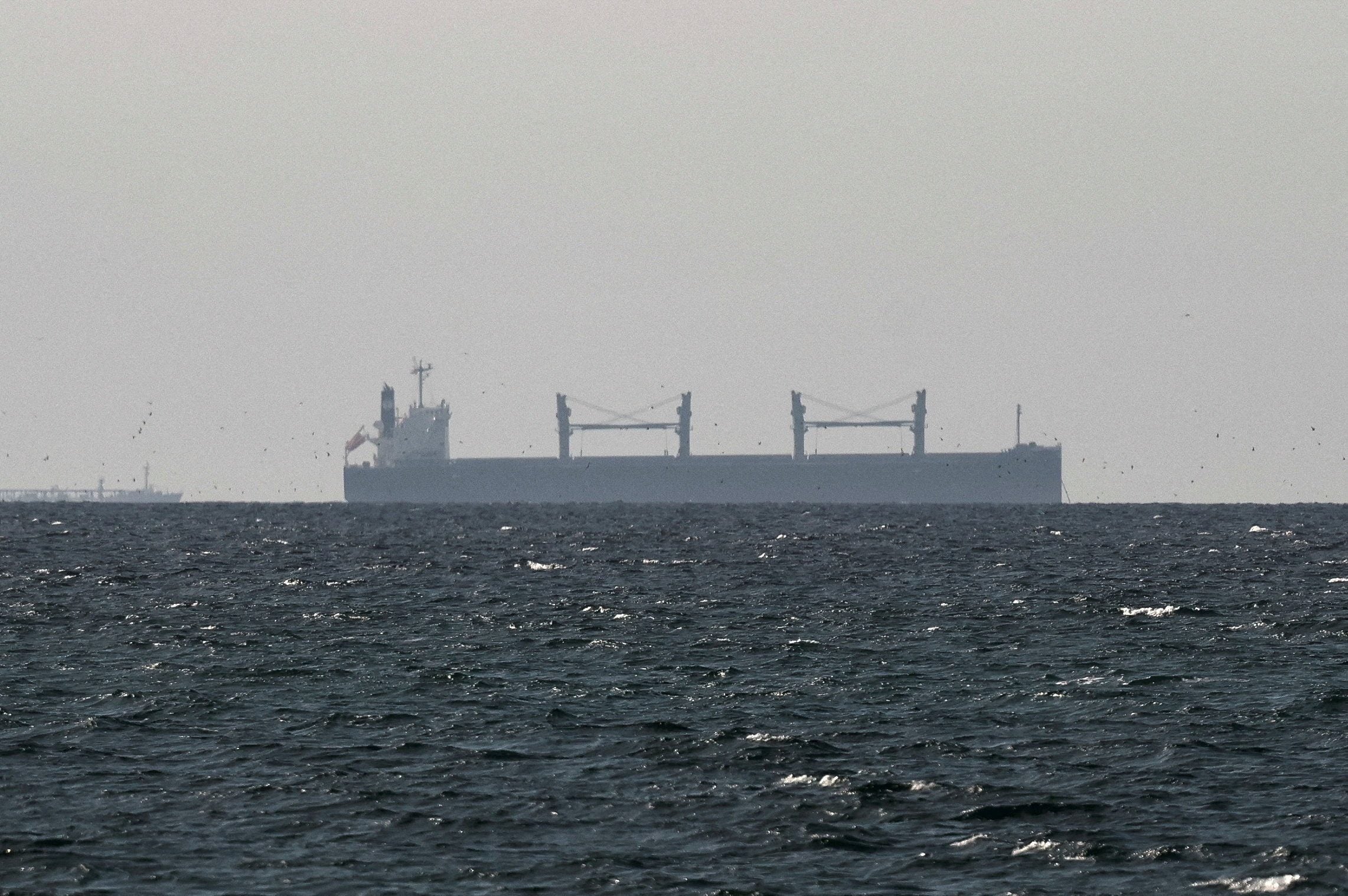
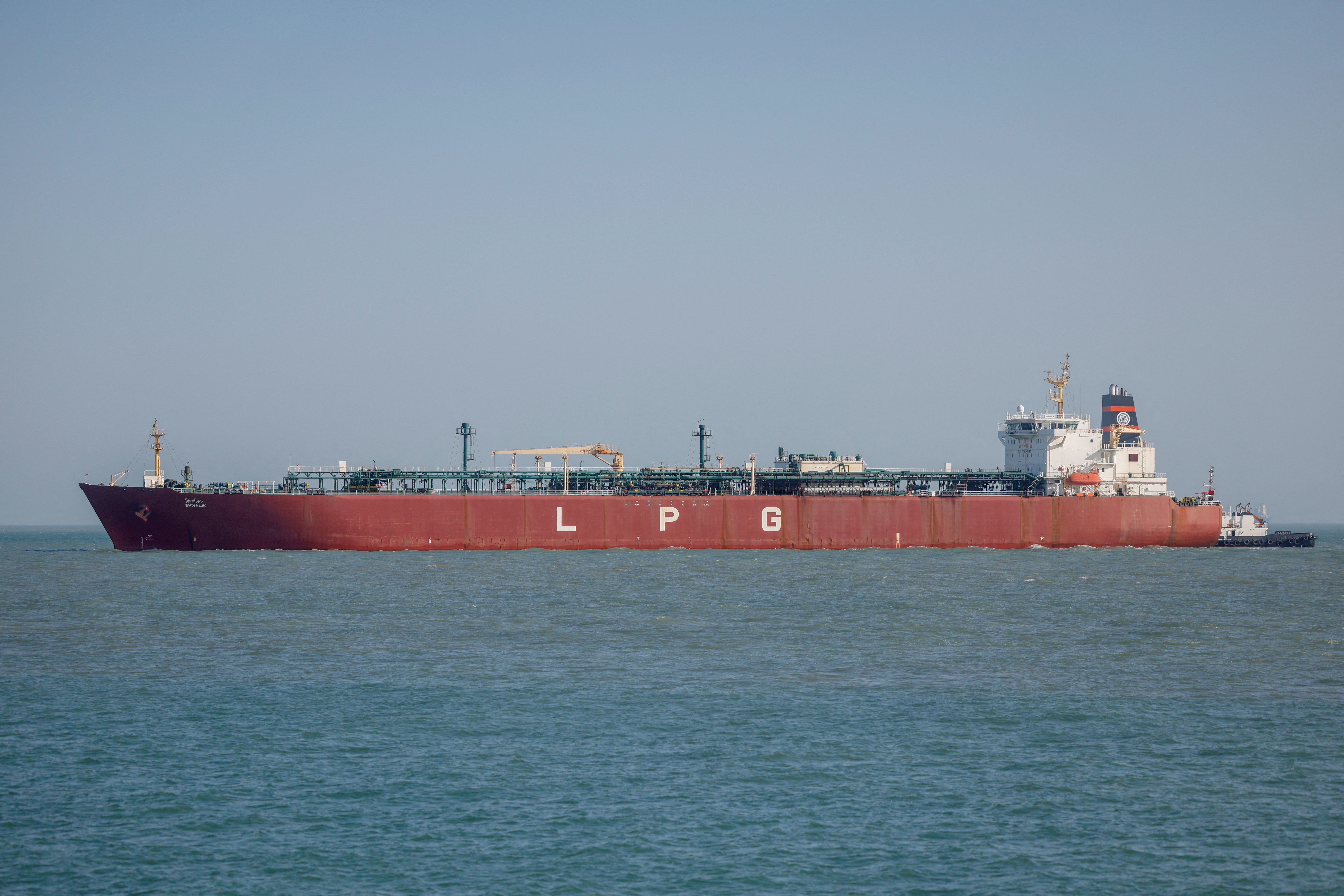
The concerns come as vessel movements through the Strait of Hormuz have slowed dramatically amid the conflict involving the United States, Israel, and Iran. Hundreds of commercial vessels are now effectively stranded in the Persian Gulf as shipowners reassess the risks of transiting the narrow waterway that normally carries roughly a fifth of the world’s oil shipments.
The International Transport Workers’ Federation (ITF) said the escalating hostilities have forced the world’s maritime workforce into the line of fire.
“Once again, seafarers are being placed directly in harm’s way in a conflict not of their making,” said ITF General Secretary Stephen Cotton. “Too often in recent years we have seen civilian seafarers become the collateral damage of war – whether in the Black Sea, the Red Sea or now in the Strait of Hormuz.”
Cotton warned that the situation has already triggered a surge of calls from crews seeking guidance about their rights and safety.
“Every day since the United States of America and Israel launched ‘Operation Epic Fury’ against Iran on 28 February, ITF Seafarers’ Support has received a high volume of enquiries from seafarers seeking advice and assistance,” he said.
In response to the worsening threat environment, the International Bargaining Forum (IBF) — a global labor agreement between maritime unions and shipowners — has formally designated the Strait of Hormuz, the Gulf of Oman, and the Persian Gulf as a Warlike Operations Area (WOA).
The designation, agreed by the ITF and the Joint Negotiating Group (JNG) representing shipowners, activates enhanced protections for seafarers working on vessels covered by IBF agreements, including additional pay, increased compensation in the event of injury or death, and the right to refuse assignments into the war zone.
The ITF said the move reflects the scale of disruption already unfolding across the region.
“Around 1,000 ocean-going vessels are stranded in the Gulf following the halt of vessel movements through the Strait of Hormuz,” the organization said.
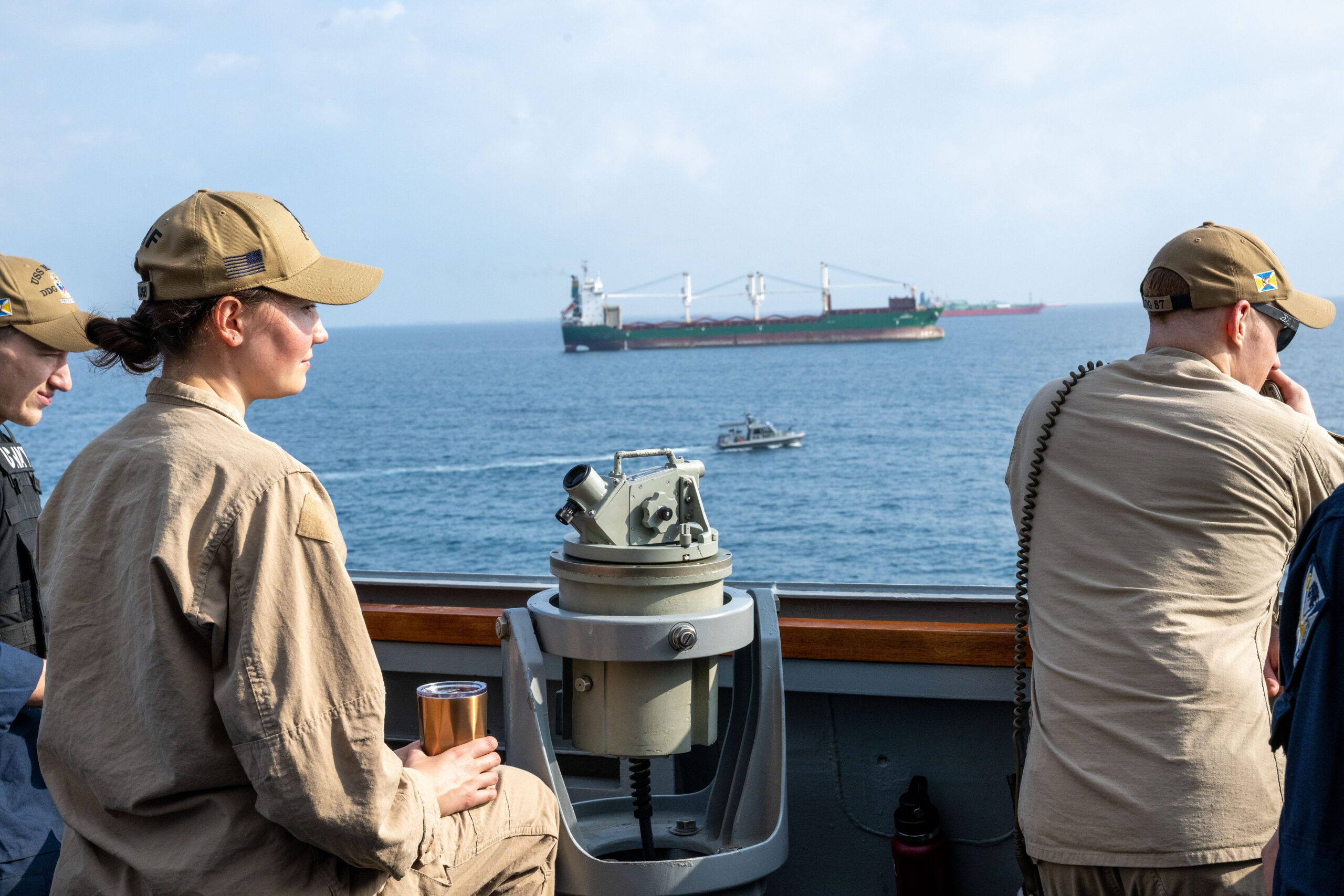
While some policymakers have suggested reopening shipping lanes under naval escort, labor leaders warned that military protection cannot eliminate the risks posed by missiles, drones, or other attacks targeting merchant shipping.
“We must be clear: the safest way to protect seafarers is not to send them through a war zone in the first place,” Cotton said. “Naval escorts cannot guarantee the safety of civilian crews.”
At the same time, the marine insurance market is scrambling to reassess risk exposure as the conflict threatens global trade flows.
The International Union of Marine Insurance (IUMI) said war-risk cover for voyages through the Persian Gulf and Red Sea remains available, but only under carefully negotiated terms.
“The granting of war cover for the Persian Gulf and Red Sea is and will remain available under specific agreement on a single voyage basis as long as navigation is authorised by governments and flag states,” IUMI said in a statement.
Maritime organizations say the crisis highlights the human cost of geopolitical conflict for the crews who keep global trade moving.
“These are workers, often from the Global South, far from home and with no connection to the conflicts unfolding around them,” Cotton said. “No worker should have to risk being killed or maimed simply for doing their job.”
With regional airspace closures limiting repatriation options and hundreds of vessels stranded in Gulf waters, industry groups say the only real solution is a reduction in hostilities.
“The priority must be de-escalation, diplomacy and an end to the conflict,” Cotton said. “Until then, civilian seafarers should not be placed in the line of fire.”
Updated: March 30, 2026 (Originally published March 5, 2026)
Editorial Standards · Corrections · About gCaptain

 Join The Club