The UN Trade and Development is warning that the Strait of Hormuz crisis is quickly moving beyond a shipping disruption and into a broader economic shock.
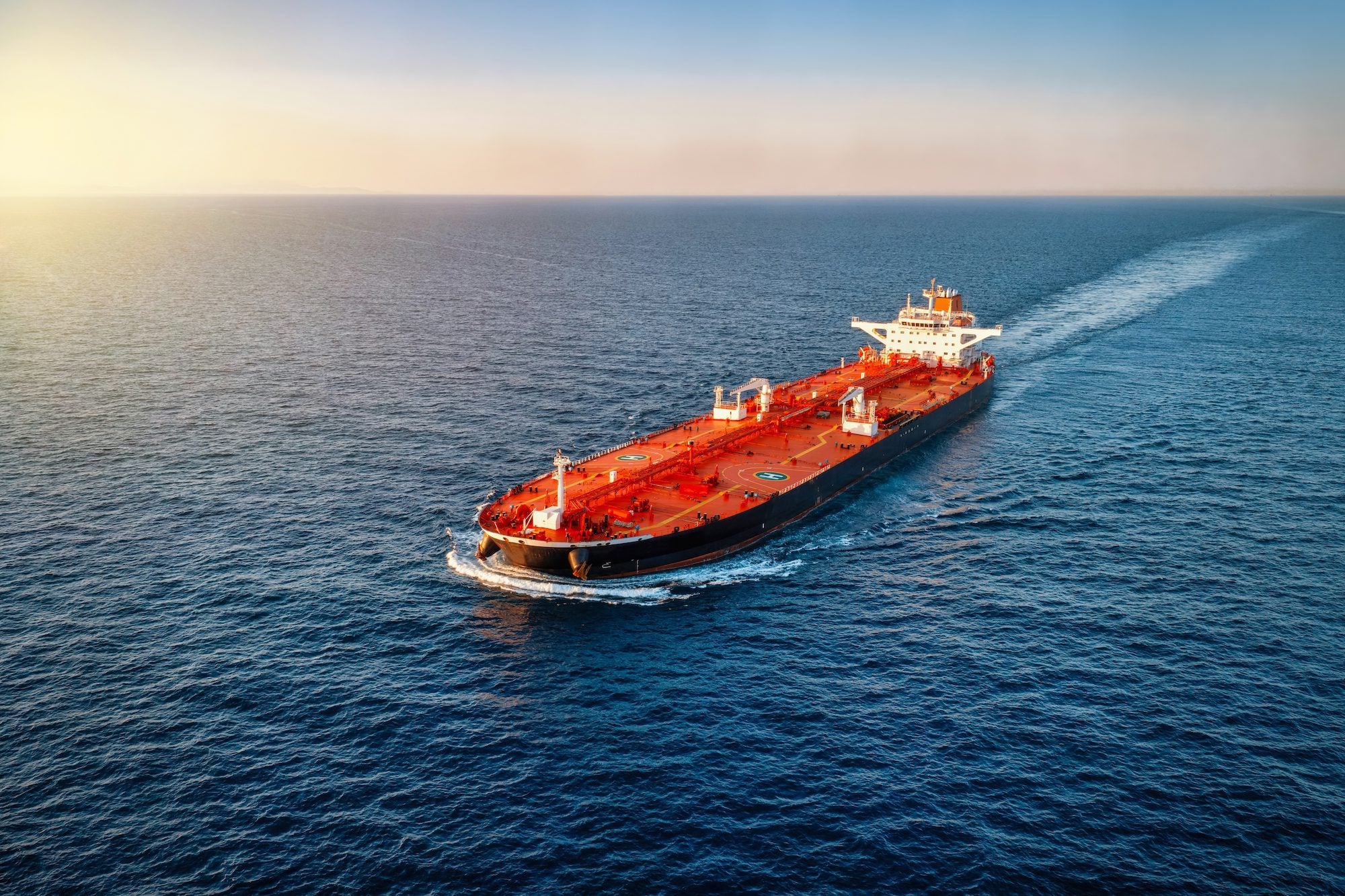
About a quarter of global seaborne oil—and significant LNG and fertilizer volumes—pass through the Strait. With flows now severely disrupted, the effects are already spreading.
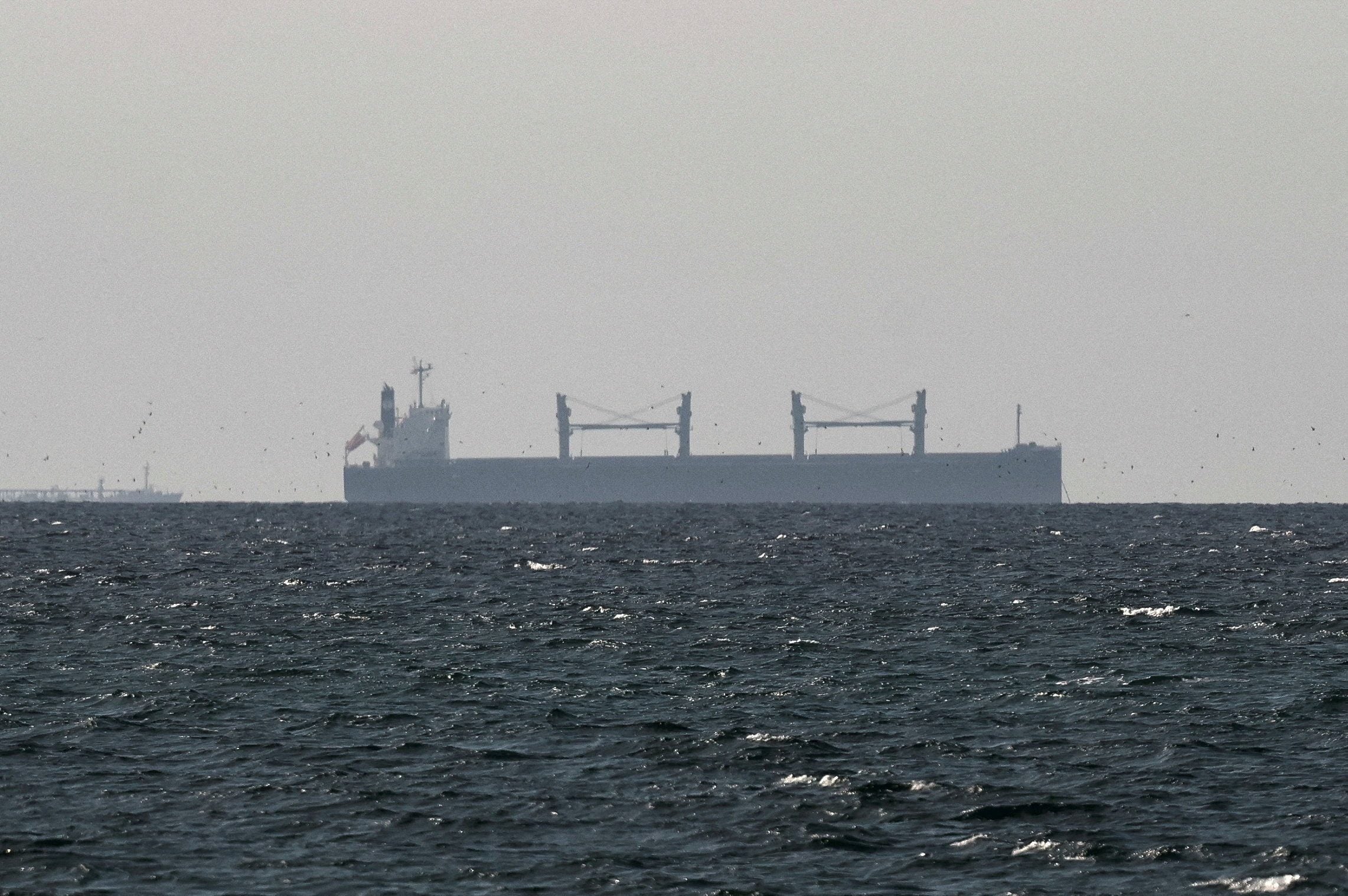
Ship transits, which averaged around 129 per day in February, fell into single digits in early March, according to UNCTAD data based on Clarksons. The drop reflects what operators are already doing: holding back, rerouting, or waiting for clearer security conditions.
Markets reacted immediately. Brent crude moved above $90 per barrel, while gas prices surged. That’s feeding straight into higher bunker costs, insurance premiums, and freight rates.
UNCTAD flags a familiar chain reaction as higher energy costs push up transport and fertilizer prices—eventually driving food inflation.
For developing economies already under debt pressure, that combination can hit quickly.
The Strait is also a key route for Gulf fertilizer exports. Several import-dependent countries rely heavily on those flows, raising concerns about both price and availability if disruptions continue.
There are early signs of financial strain, with regional bond yields ticking higher. UNCTAD says the pattern mirrors past shocks, where energy disruptions quickly spill into wider economic stress.
The takeaway is simple: chokepoints like Hormuz remain critical fault lines in global trade.
If disruptions persist, the ripple effects—from shipping to energy to food—are likely to intensify.

 Join The Club