Hold off on popping the champagne. The oil recovery will take weeks to normalize, and supply chain shocks are already here.
By Lori Ann LaRocco – Don’t be fooled by the latest declaration that the Strait of Hormuz is “open.” Many things still need to be put in place for that to truly happen. There is a lot of bluster right now—don’t get caught up in it.
Now more than ever, the agnostic data on trade needs to be reviewed to reflect the current reality and outline a timeline for when things return to “normal.”
The biggest data point that will cut through this bluster is the time it takes for trade to move. This is the only reliable way to gauge when the supply chain shocks we are seeing will begin to ease.
Shipping Industry Pushes Back on ‘Open’ Hormuz Narrative as Risks Persist
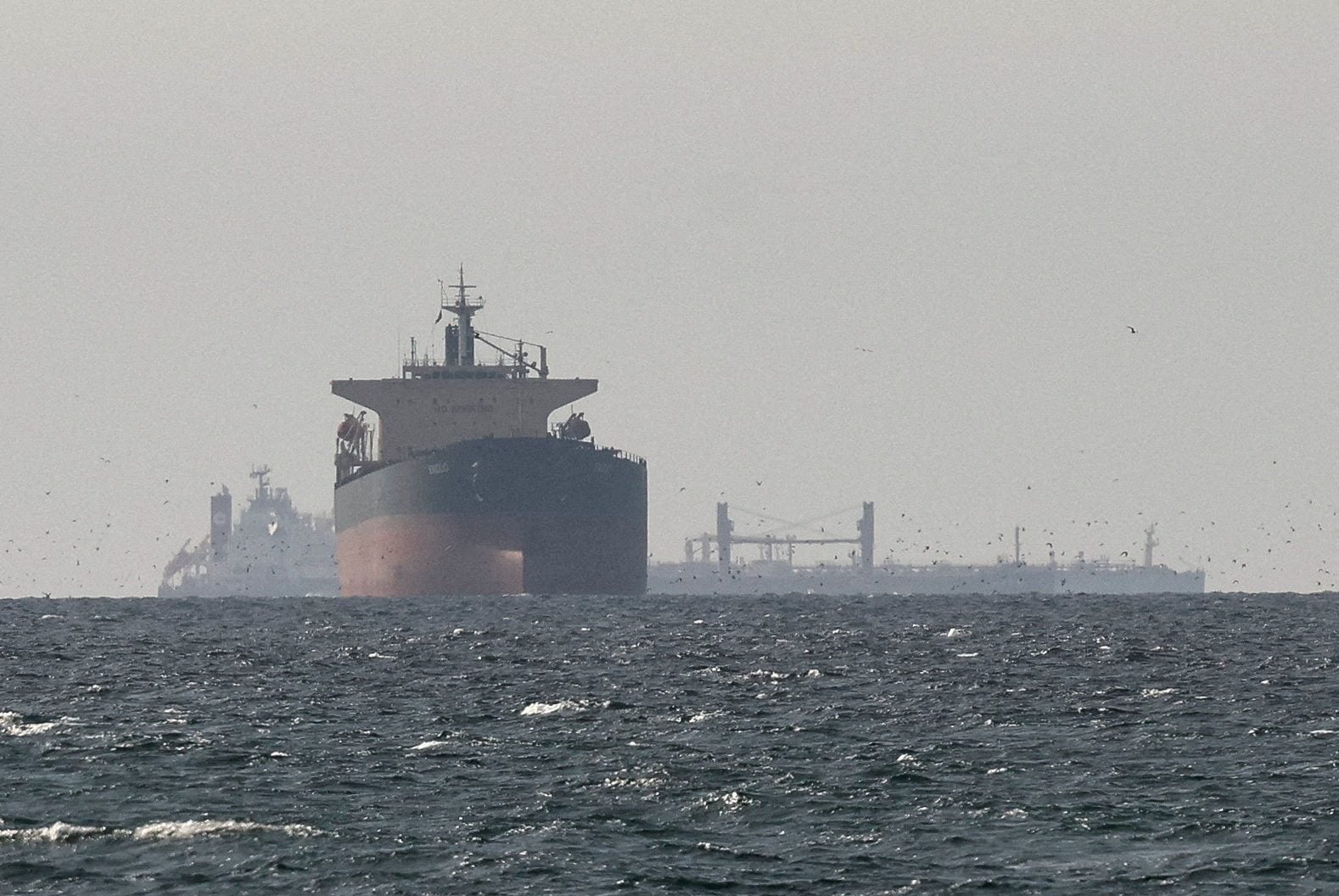
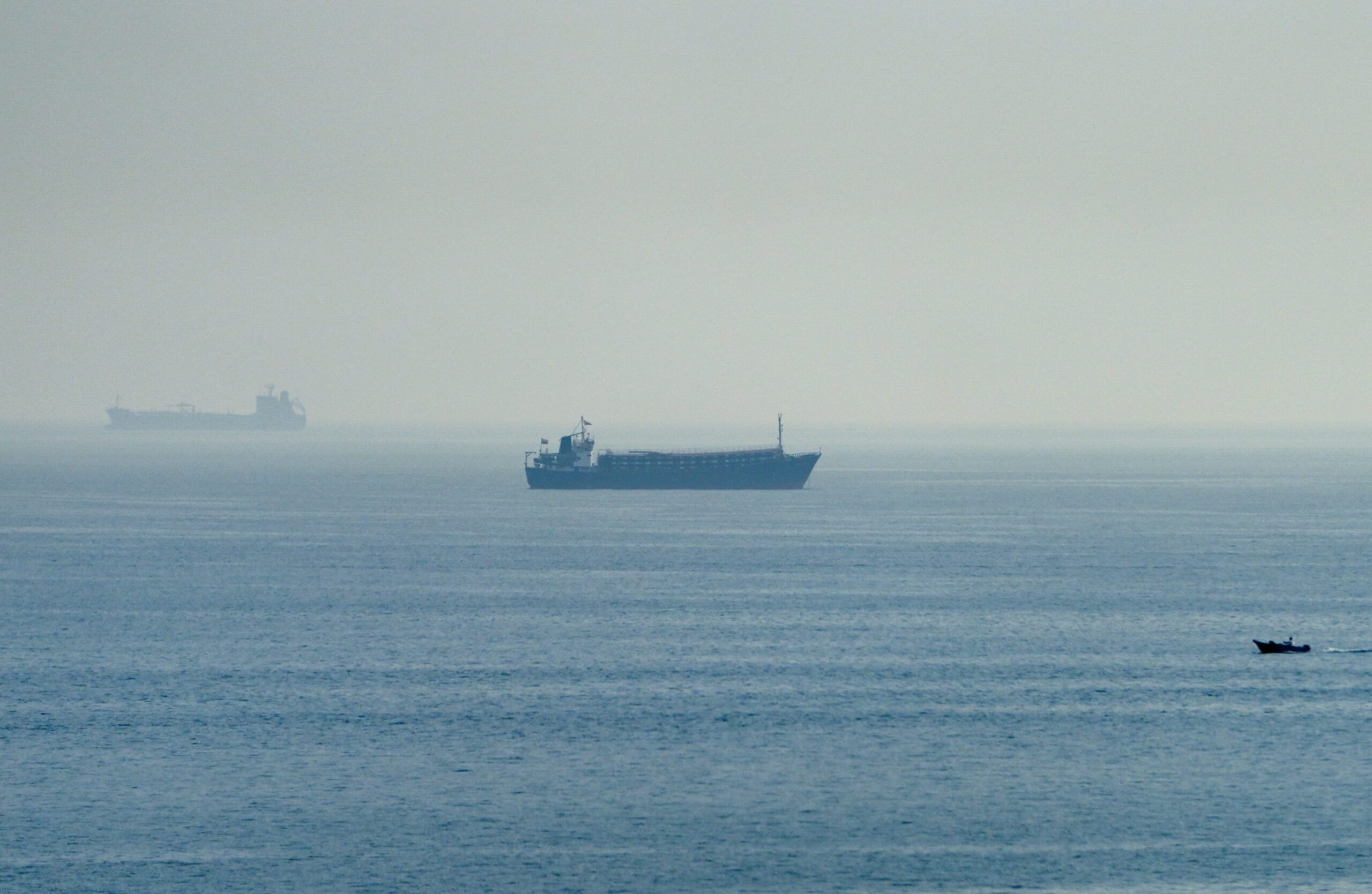
The supply chain relies on the consistent movement of trade. The closure of the strait has rerouted vessels of all types worldwide to ensure trade continues to flow—albeit at a fraction of normal volumes.
This rerouted trade, combined with constrained volumes, is driving the current supply chain shocks.
The jet fuel crisis—which I have been flagging for weeks on gCaptain and my Substack—will take months to resolve. Why? The compounding impact of time.
Jet fuel supply in Europe is already at critical levels, and with each passing day of constrained trade, inventory problems worsen. Consumption continues to outpace supply. The extended transit times mean deliveries simply cannot keep up.
As a result, the buffer is gone.
This data has been easy to track. If you were watching trade flows and transit times, the shock was visible well in advance. The warnings from airlines and airports should not have come as a surprise.
Inventory will not fall to zero, but mitigation measures are already here: flight cancellations, higher surcharges, and rising fees. These pressures will persist.
You can’t fill a bucket with a hole in it. The hole needs to be plugged. That plug is a return to normal transit through the Strait of Hormuz—typically between 135 and 150 vessels per day.
Today, just seven empty vessels transited the Strait of Hormuz into Middle East ports, according to Kpler. No fully laden vessels have exited the strait to deliver products to global markets.
Compounding the supply shortfall is the additional time required for rerouted vessels to secure alternative cargoes. This has created further dislocation across energy and transport markets.
Trade timelines are now significantly extended. You have to factor in travel time to new loading locations, waiting time for cargoes, and additional transit time to final destinations.
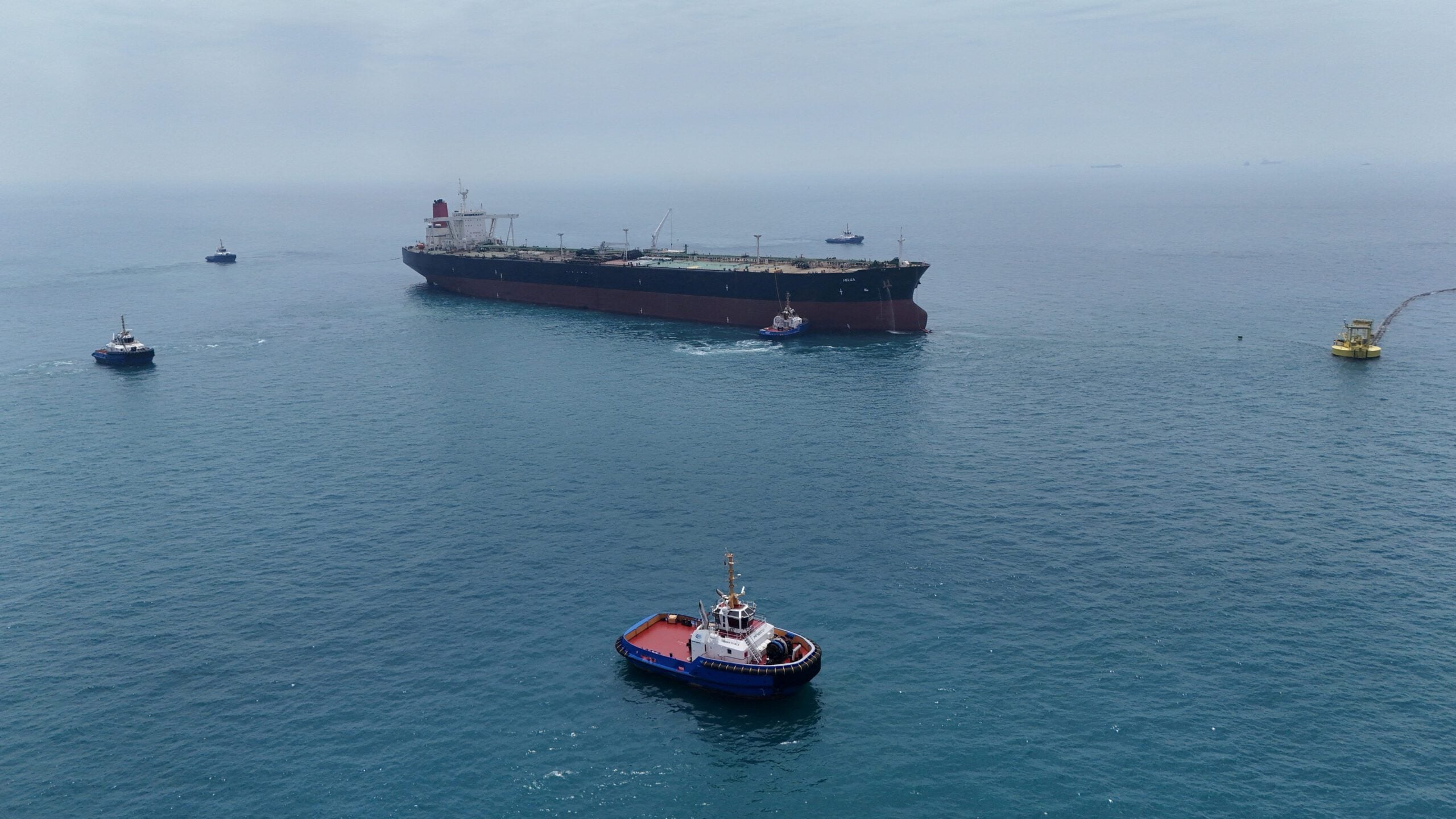
Kpler data shows 252 tankers currently en route to the United States to load petroleum products.
Once the Strait of Hormuz is deemed safe, many of these vessels will need to reposition back to the Middle East. That, again, takes time.
The added distance is compounding not only the energy crunch but also vessel scheduling disruptions.
“It’s going to make a difference in the rotations on gas and oil,” said Tim Wilkens, managing director of INTERTANKO.
“We have ramped up the use of fossil fuels in our society,” Wilkens added. “The dependency on fuel and the need for supplies are much greater today than in the 1990s or 1970s.”
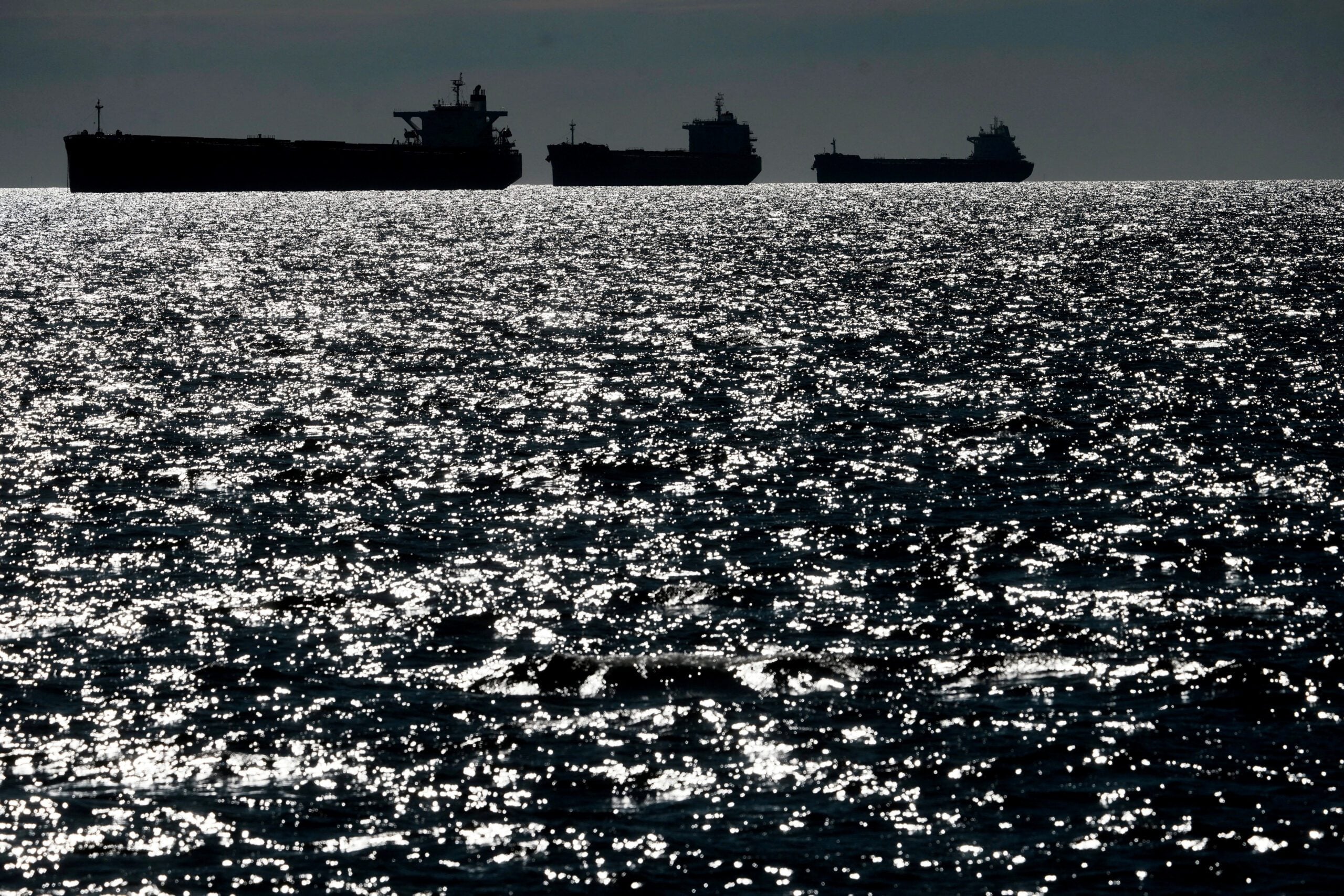
According to INTERTANKO, there are 330 compliant tankers in the Gulf region waiting for the strait to reopen and be declared safe for transit.
Wilkens said 40 member companies have 102 tankers and approximately 2,400 seafarers currently stranded in the Gulf.
Even with these vessels waiting, there must be confidence that transit through the strait is safe.
There is a lot of rhetoric, but the threat of mines remains top of mind for operators. Iran is believed to have deployed two primary types: the Maham-3 (anchored, deep-water, 300 kg) and the Maham-7 (bottom-resting, shallow-water, 220 kg).
The United States is actively working to clear mines. France’s defense ministry has said it has the capability and capacity to assist. That’s encouraging—but freedom of navigation depends on verified safe passage. Until that is assured, hesitation will remain.
In the meantime, trade timelines will continue to lengthen, and recovery from these supply chain shocks will be delayed for weeks—if not months.

 Join The Club