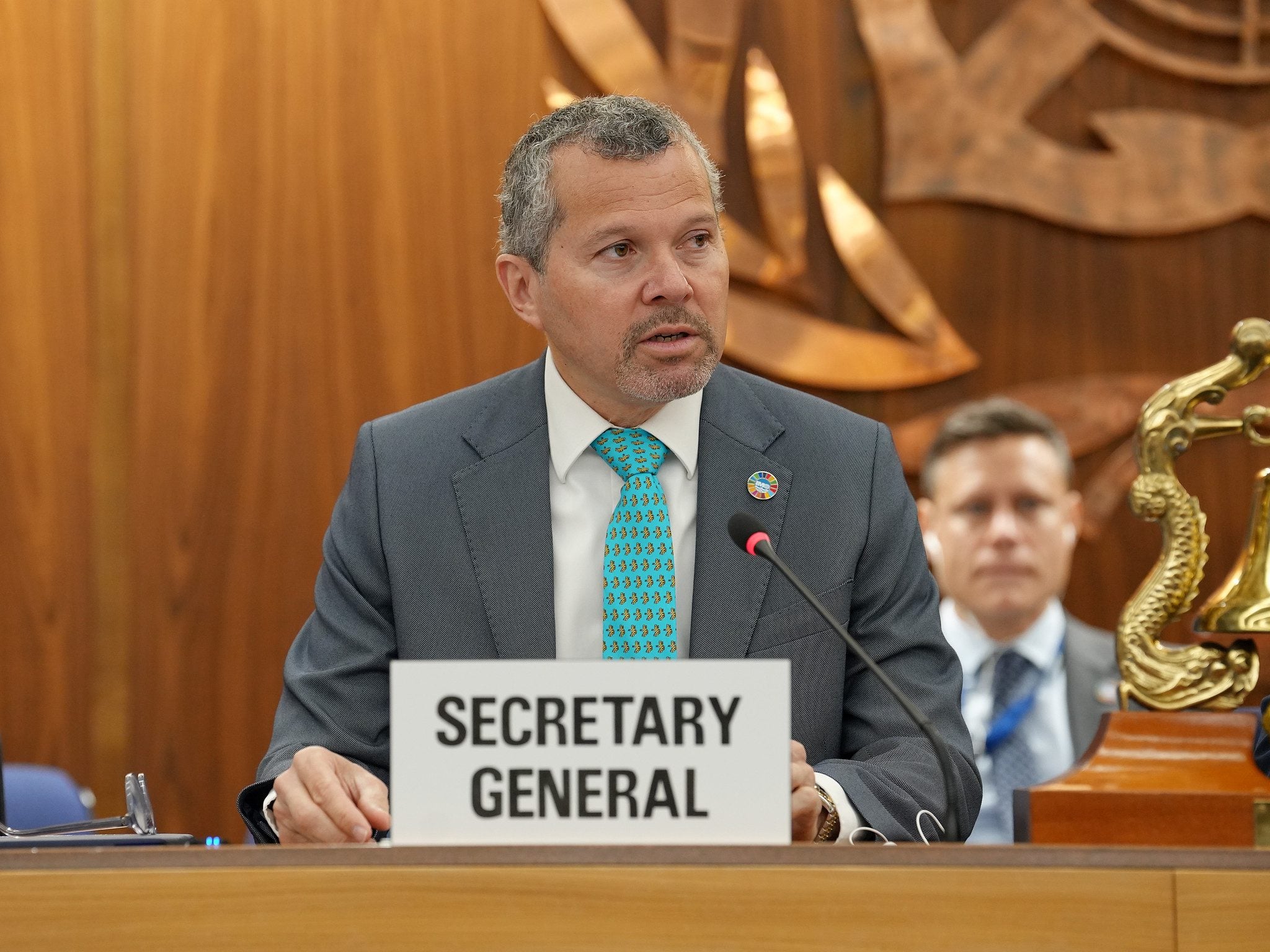
The IMO chose From Policy to Practice: Powering Maritime Excellence as its World Maritime Day theme for 2026 and 2027. Few slogans have been better timed.
The past fortnight has delivered a clear reminder that the industry’s regulatory problem is no longer a shortage of rules. It is the widening distance between what is agreed in London and Brussels and what can actually be demonstrated on deck, in the engine room and in a ship’s emissions data.
Start with the audit evidence. The IMO has completed the first cycle of its mandatory Member State Audit Scheme, with 168 Member States audited since 2016. That is 94% of the membership, and one of the broadest assessments of maritime governance ever attempted.
The organisation says the findings, corrective action plans and consolidated reports have exposed recurrent areas requiring attention, and their root causes. It has not published a league table, and it is unlikely to. The second cycle begins in July 2027 under a more risk-based, data-driven continuous monitoring mechanism.
That diplomatic restraint is understandable. It is less helpful to owners, managers and charterers who must judge the real quality of oversight behind a flag and the recognised organisations acting on its behalf.
A valid certificate confirms that a survey took place. It does not, on its own, confirm the condition of the ship on the day it matters.
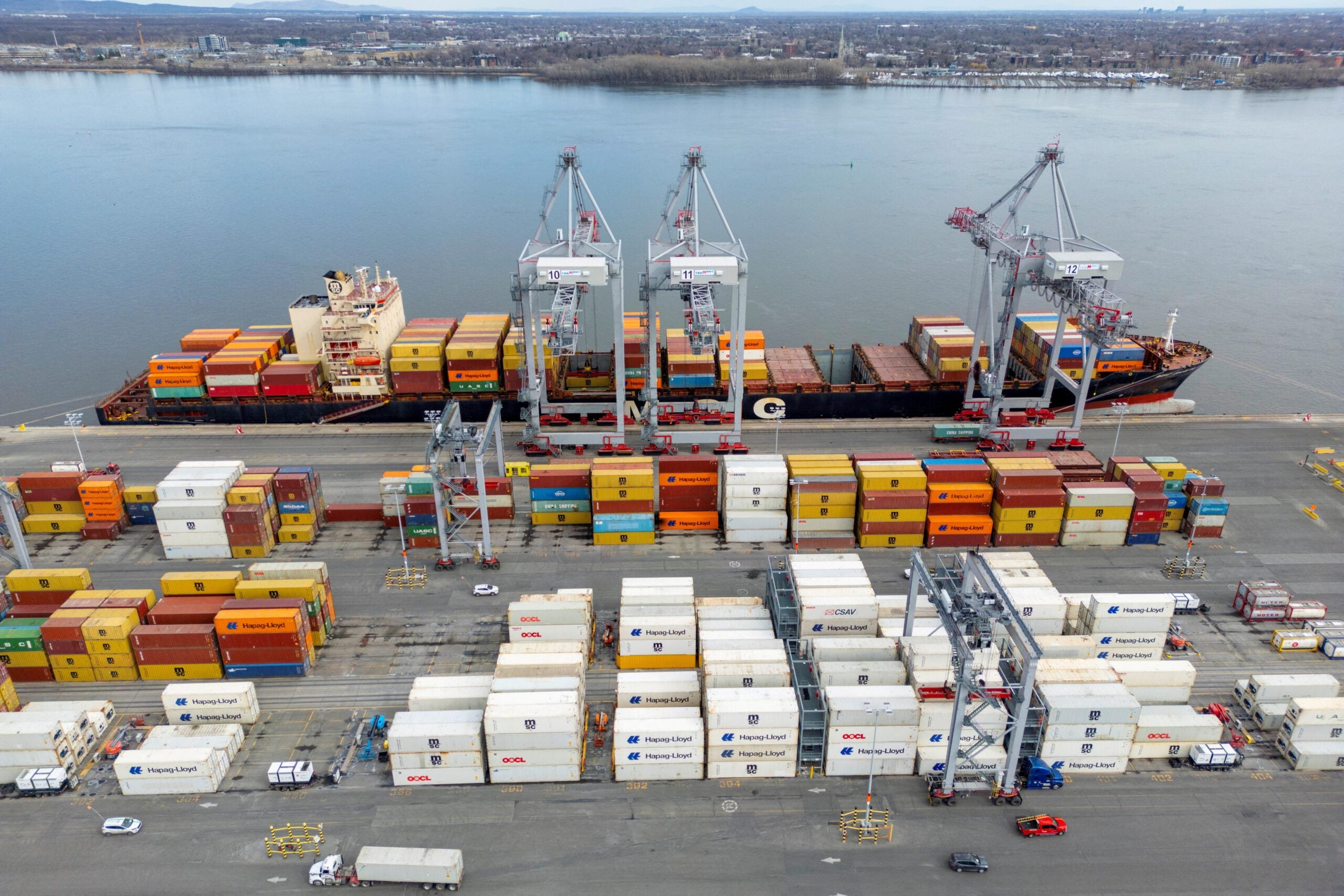
Port state control continues to fill that gap, and this autumn it is doing so with a sharp focus. The Paris and Tokyo MoUs are running a joint Concentrated Inspection Campaign on the securing of cargo units and cargo transport units, from 1 September to 30 November 2026.
Inspectors are working through a standard questionnaire. Is there an approved Cargo Securing Manual aboard? Is it being complied with? Are sufficient approved portable securing devices carried, and are fixed and portable devices in good condition?
Each ship faces one CIC inspection per MoU during the campaign. Outcomes range from a recorded deficiency to detention. The results will be analysed and presented to both MoUs’ governing bodies, with a view to later submission to the IMO, so the data gathered this autumn may well shape future rules.
This is the most immediate compliance exposure facing operators of ships carrying cargo units today. It is also a revealing test. A Cargo Securing Manual is easy to produce and file. Proving that the lashing gear on deck matches the manual, has been maintained under its inspection scheme and is understood by the crew handling it is a different matter altogether.
The same gap between paper and practice runs straight through carbon regulation.
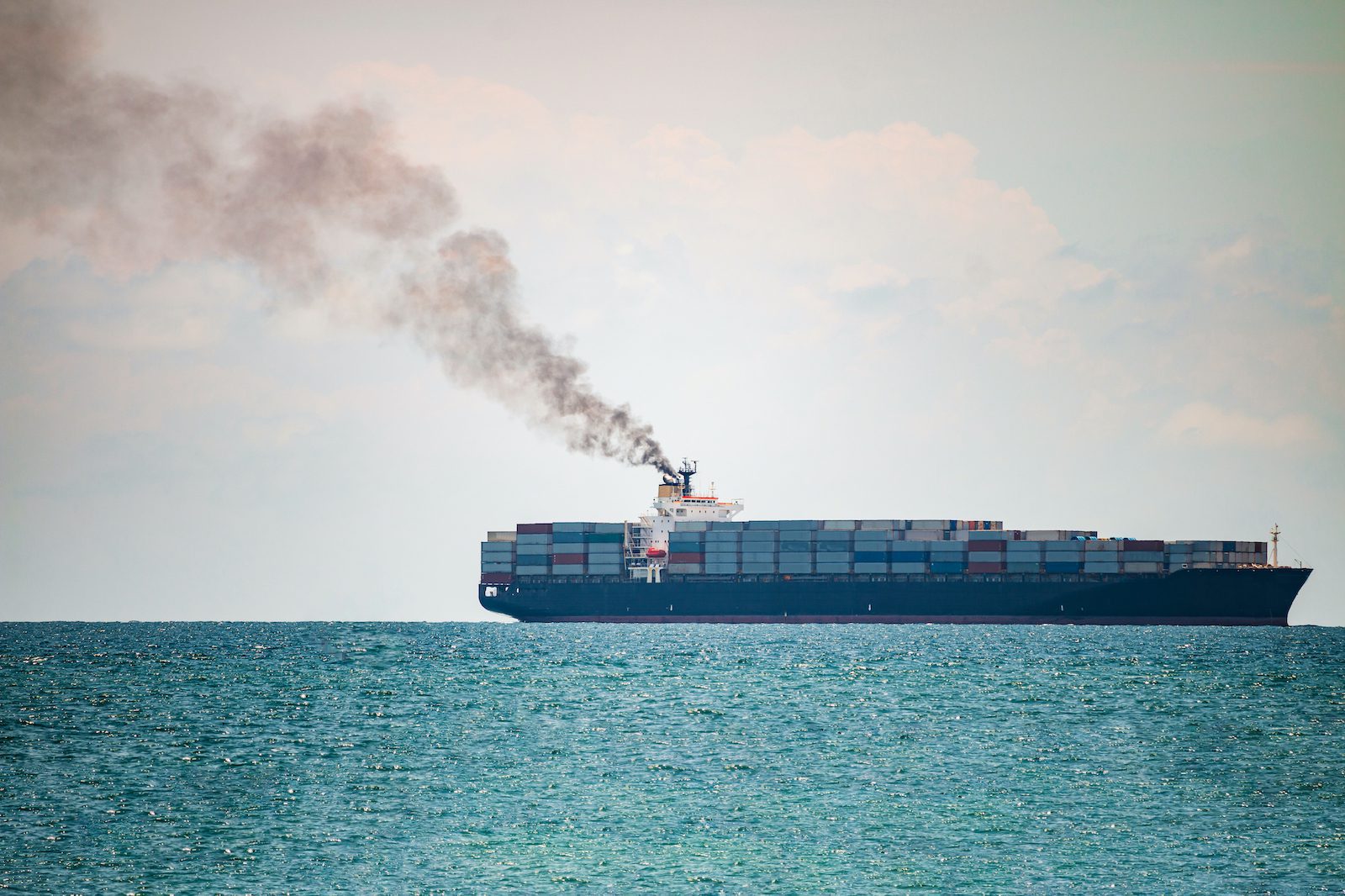
On 30 September, shipping companies met their second EU ETS surrender deadline, covering 70% of verified 2025 emissions. For emissions generated in 2026 the share rises to 100%, and methane and nitrous oxide now sit alongside carbon dioxide in the calculation.
The methane inclusion matters most to LNG-fuelled tonnage. Unburned methane slipping through a dual-fuel engine now carries a carbon cost. Engine design, load profile and verified slip performance have become commercial variables, not just technical ones.
Running in parallel, FuelEU Maritime has applied in full since 1 January 2025, limiting the well-to-wake greenhouse gas intensity of energy used aboard. One regime prices emissions. The other sets an intensity limit. Both draw on the same fuel and voyage data, and they reward and penalise fuel choices in different ways.
Closer to home, the UK ETS has applied to domestic shipping since 1 July, covering cargo and passenger ships of 5,000 GT and above on voyages between UK ports and while in UK ports. Offshore vessels join on 1 January 2027. The first surrender, covering 2026 and 2027 together, falls on 30 April 2028, and the tonnage threshold is due for review in 2028.
Brussels now proposes to change the machinery again. On 17 July the European Commission published two proposals, COM(2026) 616 revising the ETS Directive and COM(2026) 620 amending the MRV and FuelEU regulations. The Council and the European Parliament are working through them this autumn.
The maritime elements are substantial. Certain ship types as small as 400 GT would come into scope, with offshore vessels between 400 and 5,000 GT following from 2031. Up to 110 million allowances, valued by the Commission at roughly €15 billion, would be reserved to support sustainable fuels, electrification and wind propulsion.
Rules on nearby non-EU transhipment ports would tighten, and offshore worksites in EU waters would be treated as ports of call. Reporting under the ETS, MRV and FuelEU would be consolidated into a single submission, which the Commission estimates could cut annual MRV compliance costs by 10 to 20%.
Crucially, the proposal provides for the ETS to be reviewed if the IMO adopts a global carbon pricing measure, so that owners do not pay twice. Agreement is expected in 2027, with entry into force in 2028 or 2029.
That brings the story back to London.
The IMO Net-Zero Framework was approved in principle at MEPC 83 in April 2025, then failed to win adoption at the extraordinary session in October 2025. MEPC 84, in April and May this year, kept it alive but did not settle it.
The 22nd intersessional working group met in London from 1 to 4 September, with nearly 1,200 registered participants. Its chair reported a genuine willingness to put text before MEPC 85, while work on guidelines and life cycle assessment was pushed back to the next session for lack of time.
The timetable is now tight. ISWG-GHG 23 meets from 23 to 27 November. MEPC 85 follows from 30 November to 3 December. The adjourned extraordinary session is scheduled to resume on 4 December, subject to confirmation by MEPC 85. If it is not needed, that day simply becomes an extra MEPC 85 meeting day.
Until then, there is no adopted global carbon price for shipping. Any commentary, broker note or charter clause that treats IMO levies as settled is running ahead of the facts.
For owners weighing LNG, methanol, ammonia or biofuel capability, the practical consequence is uncomfortable. Investment decisions are being taken against two moving targets at once, a European regime under active revision and a global framework that may or may not be adopted in December.
The engine room has its own change to absorb. Amendments to the NOx Technical Code 2008 entered into force on 1 September, setting out a certification procedure for marine diesel engines that undergo substantial modification, or are to be certified to a NOx Tier they did not meet when installed.
Remarkably, that procedure had never previously been specified. The amendments now allow parent engine testing to be carried out on an installed engine where no comparable test-bed engine exists.
It is a sensible fix for a long-standing gap. It also means fuel conversions, injection changes and Tier III upgrades need NOx certification on the critical path from the feasibility stage, not as an afterthought at commissioning. A second set of amendments, on multiple engine operational profiles, follows on 1 March 2027.
New fuels are also exposing the limits of emergency planning. The IMO’s Research and Development Forum in Singapore on 21 and 22 September, hosted by the Maritime and Port Authority of Singapore with support from China, examined pollution preparedness for LNG, LPG, methanol, ammonia, hydrogen, biofuels and e-fuels.
Participants stressed that response procedures should be in place for each fuel before a major incident, not after one. The forum was preparatory work, not new law. The point still stands. A port that can supply ammonia is not, by that fact alone, a port that can respond to an ammonia release.
Security and autonomy complete the picture. The ISPS Code has been under review since MSC 111 in May, following a United States submission on illicit trade and organised crime. The European Union is preparing submissions for MSC 112 in December, including one proposing amendments to the ILO/IMO Code of practice on security in ports.
On autonomy, the non-mandatory MASS Code has applied since 1 July. EU drafts for MSC 112 address the framework and an action plan for the experience-building phase. The IMO roadmap points to work on a mandatory code from 2028, adoption by July 2030 and entry into force on 1 January 2032.
The engineering questions there remain badly underexplored. Remote machinery monitoring, redundancy, maintenance responsibility and accountability when no engineer is aboard deserve far more attention than navigation algorithms currently attract.
Taken together, the fortnight’s developments point one way. Regulatory volume is not falling. What is changing is the burden of proof.
Carbon regimes demand verified fuel and voyage data. Port state control is testing whether manuals reflect practice. Engine certification now has a defined route for modification. The audit scheme is moving towards continuous, risk-based monitoring.
For technical managers, the lesson is practical rather than political. The ships that will fare best are those whose documentation, equipment and data all tell the same story.

 Join The Club