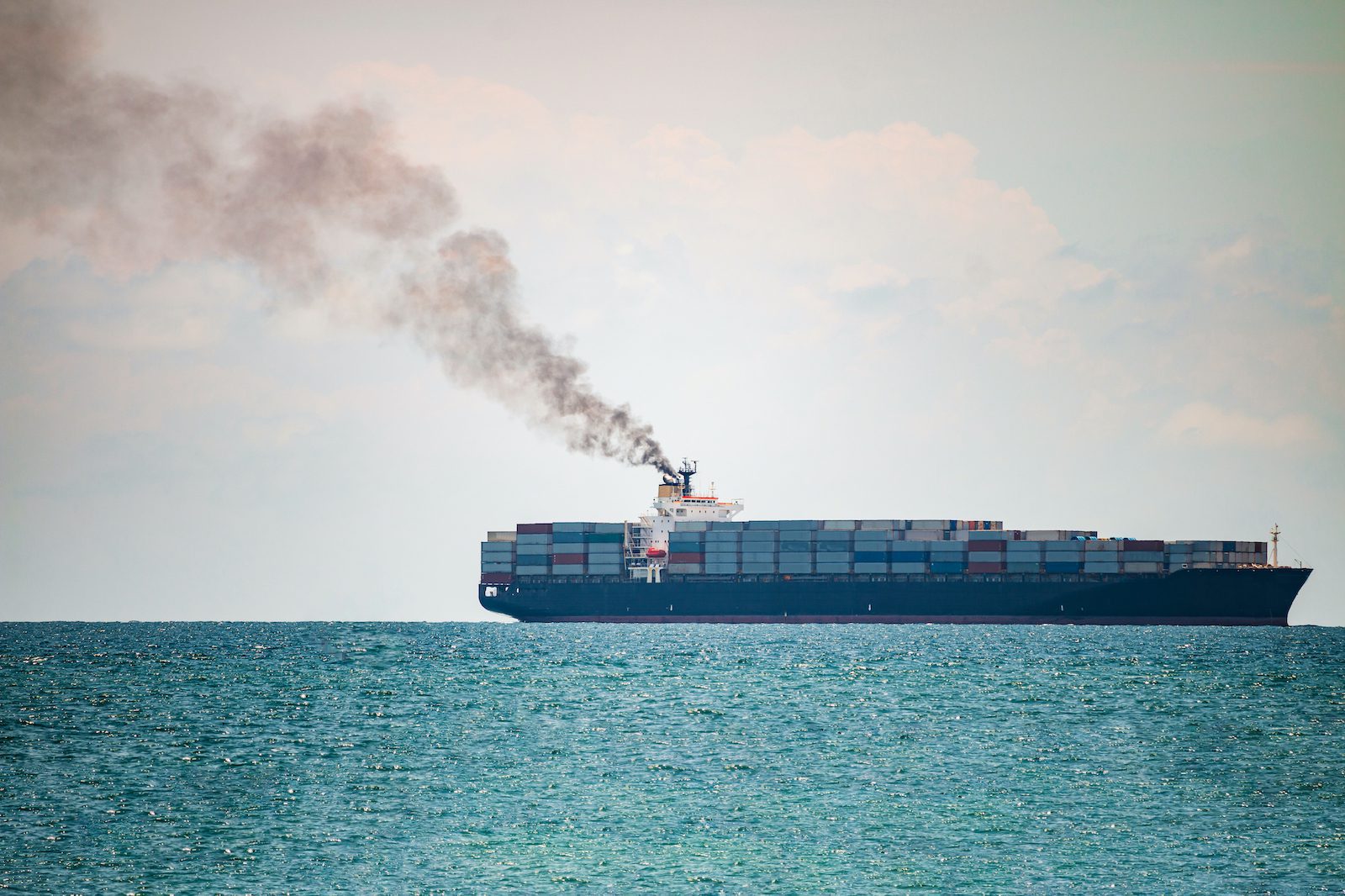
Shipping is running out of time to meet a key 2030 target for zero-emission fuels, even as methanol infrastructure and alternative-fuel vessel capacity continue to expand.
A new assessment from the UCL Energy Institute and Getting to Zero Coalition finds that progress has become increasingly uneven, with advances in technology being offset by weaker demand, financing and policy signals.
At the center of the problem is uncertainty over the International Maritime Organization’s Net-Zero Framework, which was agreed in principle last year but has yet to win formal adoption.
The framework is intended to help create demand for lower-emission marine fuels by imposing increasingly stringent greenhouse gas intensity requirements while charging higher-emitting ships and rewarding cleaner energy use.
Its delayed adoption has left shipowners, fuel producers and lenders making long-term investment decisions without knowing exactly what the global regulatory system will look like.
The new Climate action in shipping: Progress towards shipping’s 2030 breakthrough report describes last year’s failure to adopt the framework as the “single most transition-regressive event” since the annual assessment began five years ago.
That uncertainty is beginning to show up in the numbers.
The share of scalable zero-emission fuel-capable vessels in the global orderbook fell from 9.5% to 5.7% of tonnage over the past year. Shipping-specific sustainable debt issuance also slipped, from $3.4 billion in 2024 to $3 billion in 2025.
Those declines come despite continued progress on the technology side.
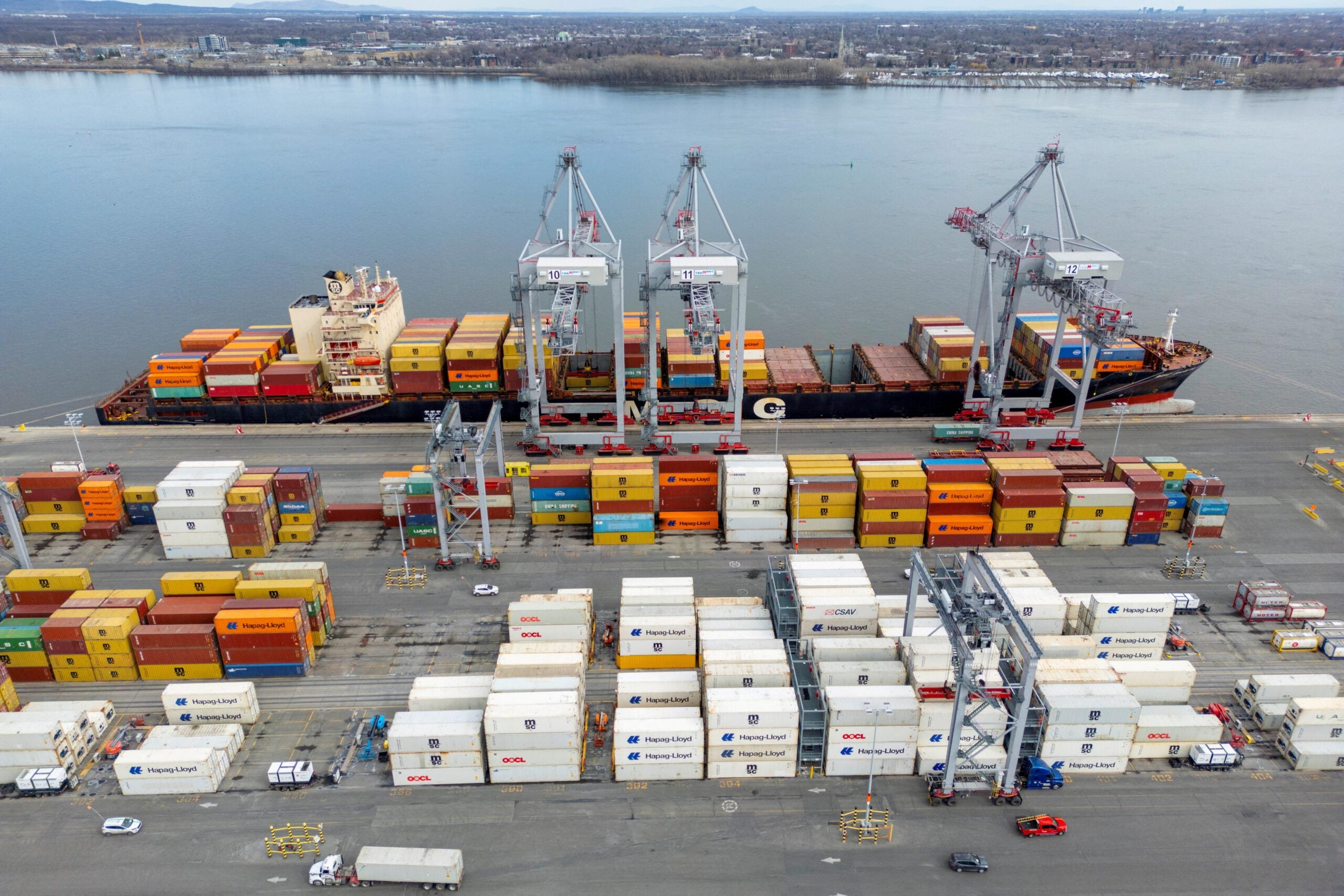
The number of ports offering methanol bunkering increased from 19 to 29 over the past year, while methanol-capable tonnage already in service tripled. The industry also recorded its first ammonia bunkering operations and sea trials.
Taken together, the numbers point to an industry increasingly capable of using alternative fuels, but still lacking the demand signals needed to support investment at the scale envisioned just a few years ago.
Shipping’s 2030 target calls for scalable zero-emission fuels to account for at least 5% — and preferably 10% — of fuel used in international shipping. That level of uptake is considered an important milestone toward the IMO’s broader goal of reaching net-zero greenhouse gas emissions from international shipping by or around 2050.
The report assessed five areas needed to reach that point. Technology and zero-emission fuel supply were considered partially on track, as was civil society engagement. Demand, finance and policy were all rated off track.
“The failure to adopt the NZF was the single most transition-regressive event we’ve seen in the five years this report has been running,” said Dr. Pinar Langer, research fellow at the UCL Energy Institute.
The regulatory uncertainty comes at a particularly important point for shipowners. Thousands of vessels ordered over the next several years could remain in service well into the 2040s, forcing owners to make decisions now about engines and fuels that will operate under regulations that are still being negotiated.
The IMO’s Net-Zero Framework remains the leading proposal for providing that global regulatory structure, but governments remain divided over its economic mechanism.
Under the current framework, ships would face increasingly strict limits on the greenhouse gas intensity of their fuels, while an economic mechanism would collect money from higher-emitting vessels and reward cleaner energy use.
The system is expected to generate roughly $10 billion to $15 billion annually, making both the cost to shipping and the eventual distribution of those revenues major sticking points.
At the IMO’s latest technical negotiations earlier this month, 38 countries that spoke explicitly supported retaining carbon pricing and the revenue mechanism, while 17 countries, largely oil-producing states, opposed it over concerns about costs.
The United States has also emerged as one of the framework’s strongest opponents, while European countries, Pacific Island states and others have argued that weakening the economic mechanism would undermine investment in alternative fuels.
The Getting to Zero Coalition warned following those negotiations that continued uncertainty could delay investment in zero-emission ships, fuels and infrastructure as the industry approaches a major fleet renewal cycle.
The next major round of negotiations is approaching quickly.
The IMO will hold another technical working group meeting November 23-27, followed by the Marine Environment Protection Committee’s MEPC 85 session from November 30 through December 3. The Net-Zero Framework is expected to return for possible adoption at an extraordinary MEPC session on December 4.
That leaves shipping with a narrowing window. The technology needed for the transition is beginning to emerge, but with just four years remaining until 2030, the bigger question is whether regulation, investment and demand can catch up.

 Join The Club