Panama President José Raúl Mulino announced Thursday that Ilya Espino de Marotta has been selected as the next administrator of the Panama Canal, making her the first woman to lead one of the world’s most strategically important shipping chokepoints.
Espino de Marotta will replace Ricaurte Vásquez, who has led the canal since 2020 through a period marked by historic drought disruptions, surging geopolitical trade tensions, and major shifts in global shipping patterns.
In a statement posted on X, Panama’s Minister for Canal Affairs José Ramón Icaza said the Board of Directors began planning the succession process last year with support from an internationally recognized consulting firm.
“The search for Panamanian professionals covered both the national and international spheres… and identified more than 100 outstanding profiles,” Icaza said.
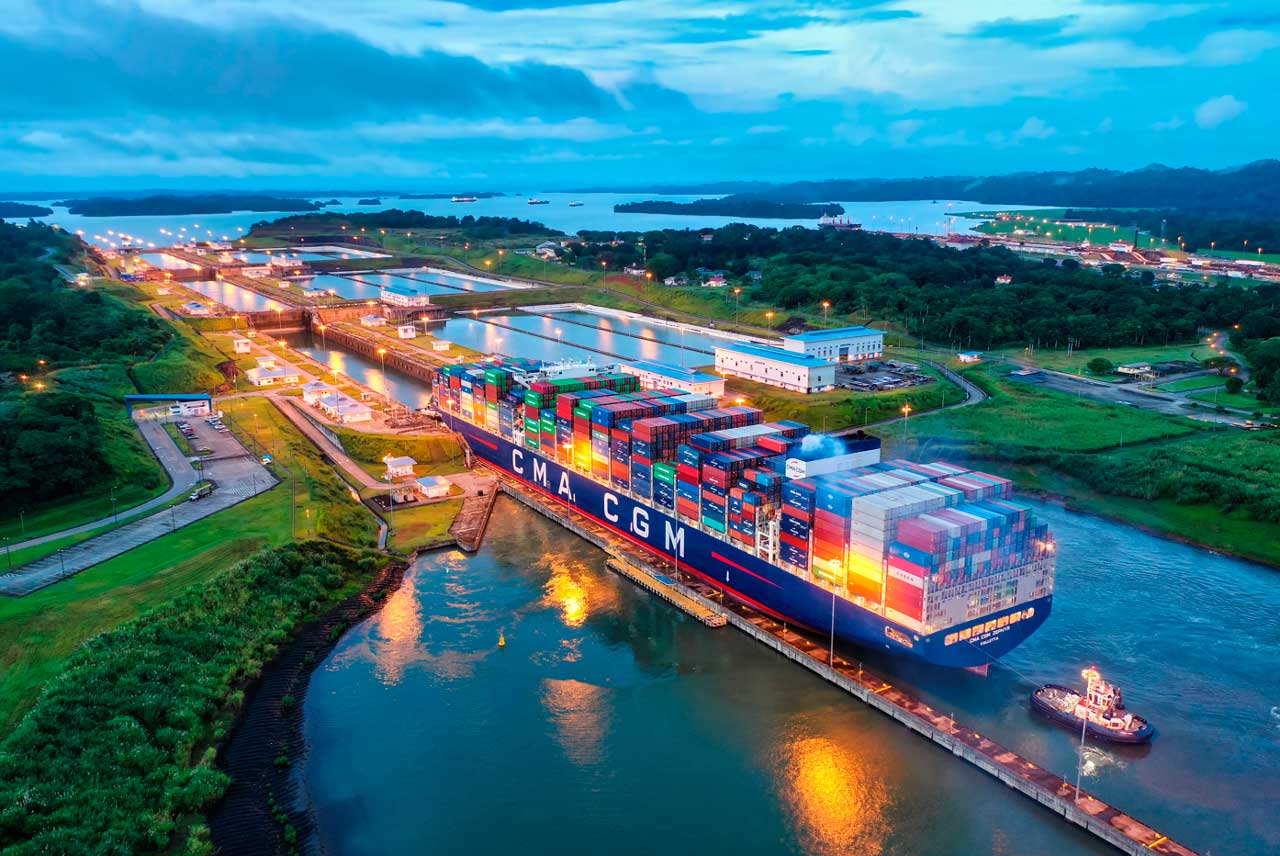
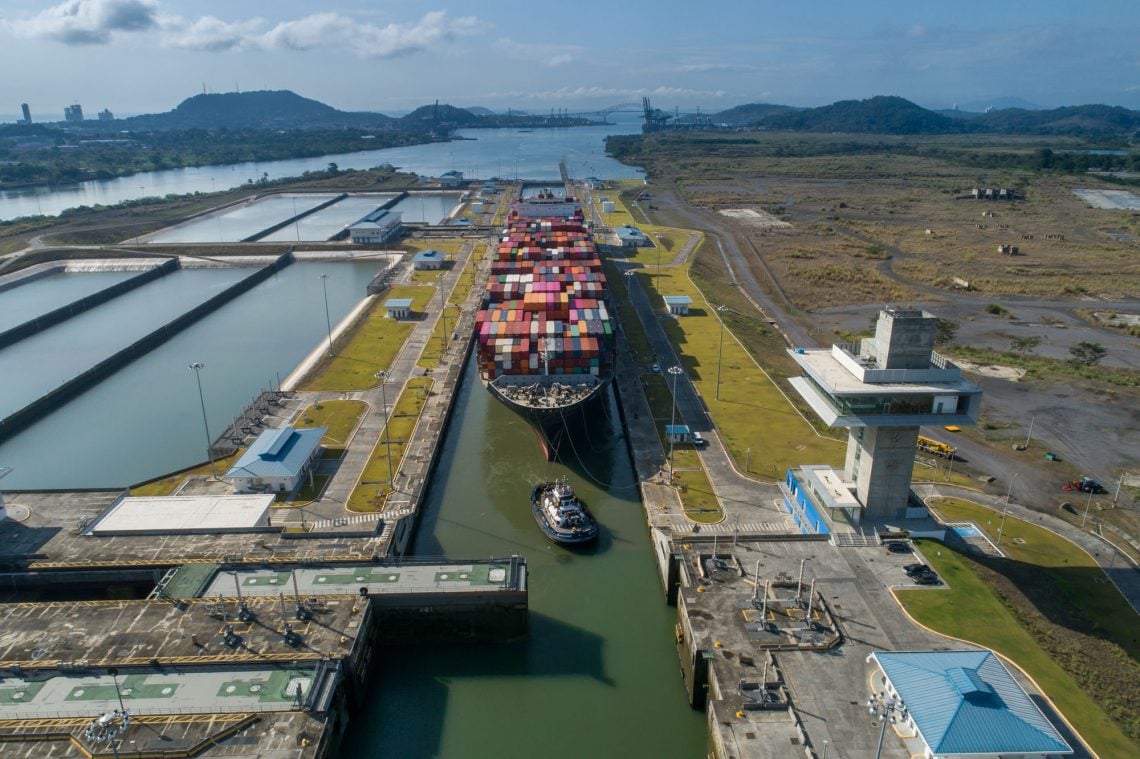
Espino de Marotta is one of the canal’s most experienced senior executives. She began her career at the waterway in 1985 and played a central role in the $5.25 billion Panama Canal expansion project that added the larger Neopanamax locks.
She previously served as Executive Vice President for Engineering during the expansion program and later became Vice President for Transit Business. In 2019, the Panama Canal Board selected her as deputy administrator under Vásquez.
Her appointment comes at a pivotal moment for the canal and global shipping markets.
The canal is currently operating near maximum capacity after disruptions in the Strait of Hormuz triggered a surge in U.S. energy exports toward Asia and Pacific markets. BIMCO said this week that Panama Canal transits have risen 8% year-on-year in 2026 to a daily average of 38 vessels, close to the canal’s practical operating ceiling of roughly 36 to 40 ships per day.
Espino de Marotta also takes over at a time of rising geopolitical scrutiny surrounding the canal as strategic competition between the United States and China intensifies. U.S. officials have increasingly emphasized the canal’s importance to national and economic security, while concerns over Chinese infrastructure influence and Beijing-linked commercial interests in Latin America have pushed the waterway back into broader discussions about control over critical global trade corridors.
At the same time, canal authorities are preparing for the possible return of El Niño later this year after the devastating 2023–2024 drought crisis forced transit restrictions and triggered major global shipping disruptions.
NOAA’s Climate Prediction Center has issued an El Niño Watch, warning there is an 82% chance the weather pattern emerges between May and July 2026 and persists through winter.
The previous El Niño event caused water levels in Gatún Lake to plunge, forcing the canal to reduce daily vessel transits to as few as 24 ships and impose draft restrictions below 44 feet.
Since then, the Panama Canal Authority has aggressively rebuilt water reserves and implemented conservation measures aimed at preventing another operational crisis.
Espino de Marotta’s engineering background and direct involvement in the canal’s modernization efforts are expected to place water management, infrastructure resilience, and long-term capacity planning at the center of her administration as climate volatility and geopolitical disruptions increasingly reshape global trade routes.

 Join The Club