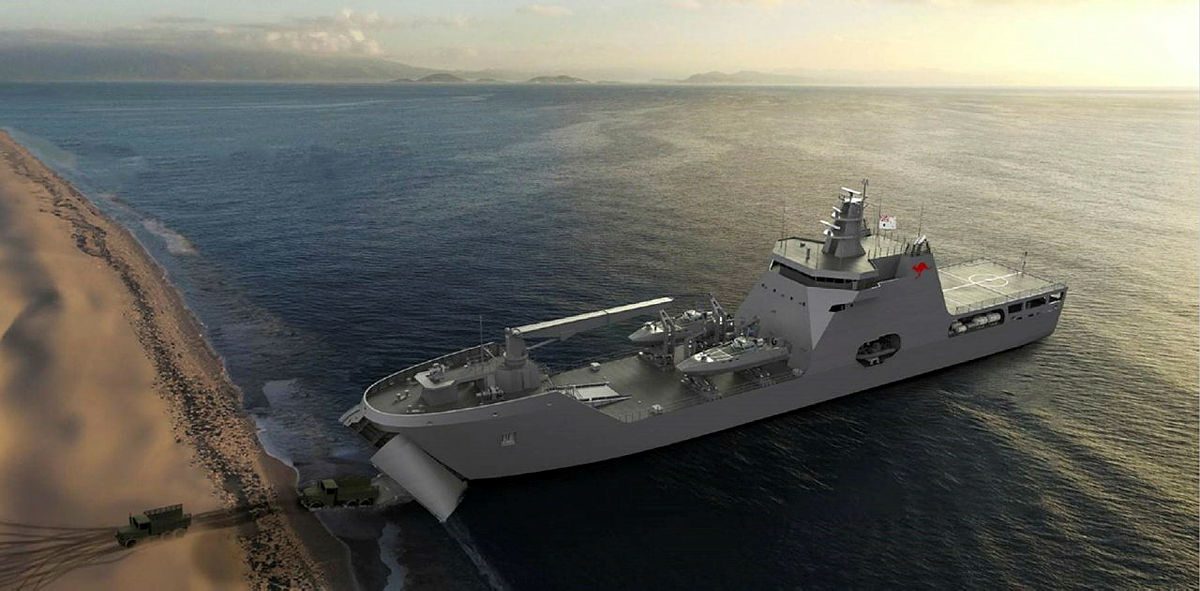
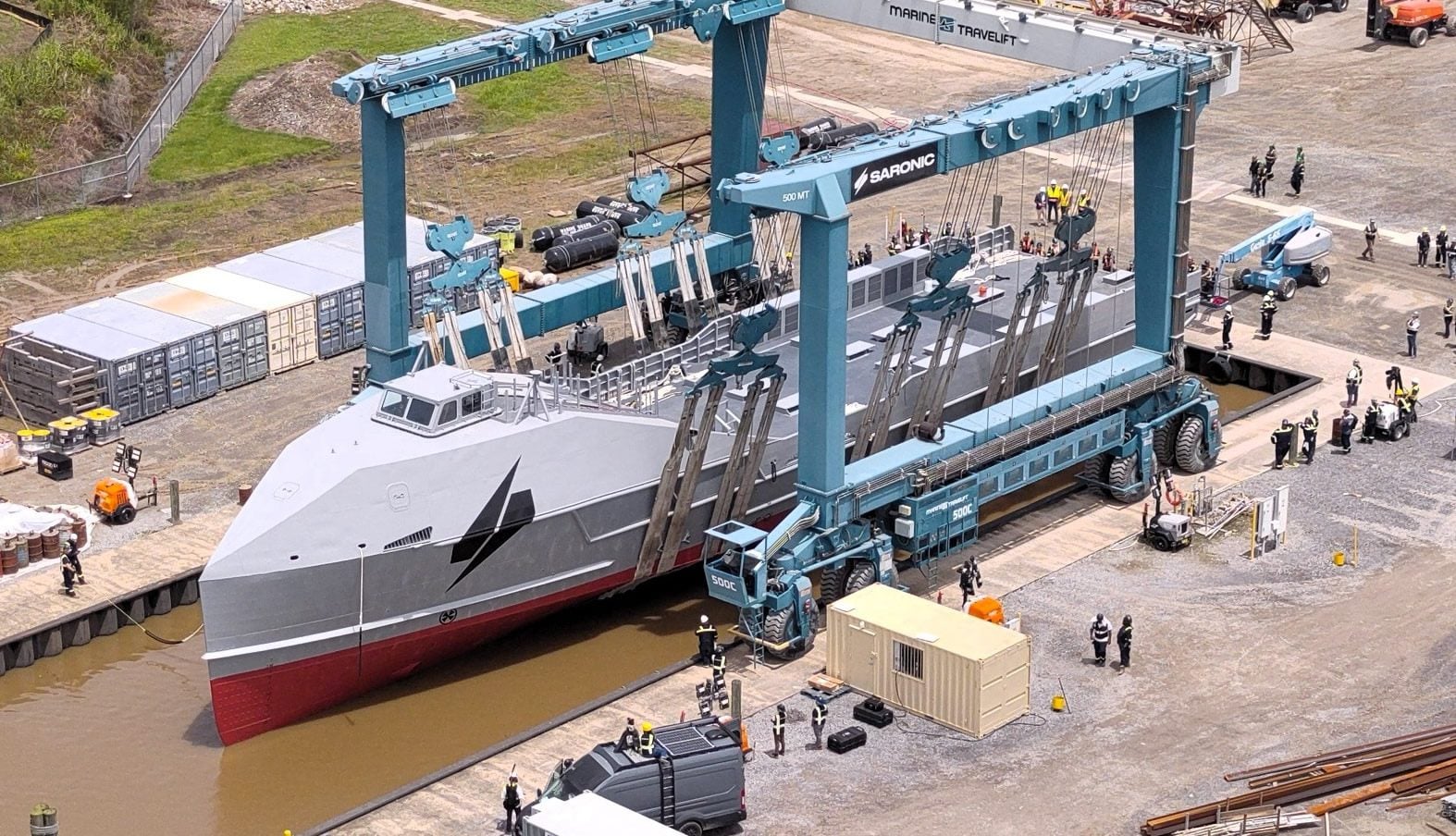
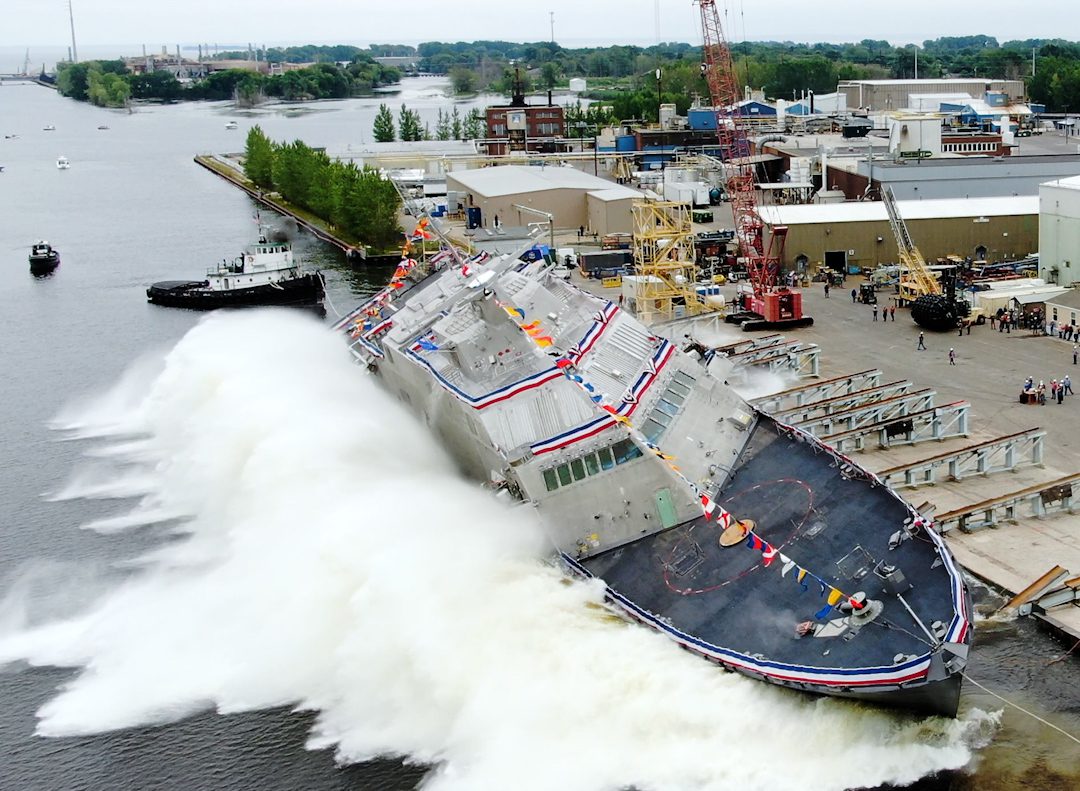
Fincantieri has secured its first U.S. Navy contract tied to the Medium Landing Ship (LSM) program, marking a key step as the service pushes to accelerate a new class of vessels central to Marine Corps operations in contested littoral environments.
The company said its U.S. subsidiary, Fincantieri Marine Group, was awarded a $30 million contract covering long-lead materials procurement along with early engineering and production readiness work for the first four vessels. The award positions the program for a potential construction start as early as the fourth quarter of 2026.
The contract builds on the Navy’s February 2026 Request for Proposal and its earlier designation of Fincantieri Marine Group to construct the initial ships. While it does not yet include full construction, the award is designed to reduce schedule risk and accelerate the transition to production under the Navy’s Vessel Construction Manager (VCM) model.
The move comes as part of a broader shift in Navy shipbuilding strategy. In late 2025, Secretary of the Navy John C. Phelan selected the LST-100 design for the program—a roughly 4,000-ton landing ship based on a Damen design—after canceling four Constellation-class frigates that had not yet begun construction due to mounting delays.
At the time, Phelan described the LSM program as a more “operationally driven” and “fiscally disciplined” approach aimed at delivering capability to the fleet on a more realistic timeline.
The LSM program—previously known as the Light Amphibious Warship—has taken on increased importance as the Marine Corps shifts toward distributed operations under its Expeditionary Advanced Base Operations concept. The vessels are designed to move small Marine units between islands and austere locations, supporting missions ranging from logistics to anti-ship missile operations in contested regions such as the Western Pacific.
The Navy has outlined plans for between 18 and 35 vessels, with Fincantieri positioned to build at least the first four.
U.S. Navy Secretary John C. Phelan underscored the urgency behind the latest award, linking it directly to both fleet readiness and industrial capacity.
“Enhancing our maritime dominance depends on a modernized fleet and a strong industrial base, and today’s contract helps accomplish both,” Phelan said, adding that the move “reduces schedule risk and enables our shipbuilders to rapidly transition to ship construction.”
Fincantieri CEO Pierroberto Folgiero said the award reflects confidence in the company’s U.S. industrial base and its ability to execute complex naval programs. He pointed to the VCM approach as a shift toward commercial best practices and more disciplined production.
“The award of this contract represents an important step in the evolution of our long-standing partnership with the U.S. Navy,” said Folgiero. “It reflects the confidence placed in the industrial capabilities built in the United States and in our ability to support complex naval programs with discipline, speed, and technical excellence.”
The contract also builds on more than $800 million in investments Fincantieri has made in its U.S. shipyards over the past decade. The company employs roughly 3,000 workers in the United States and says those investments have positioned it to support multiple naval programs simultaneously.
A full construction award is expected to follow, pending approvals and final contract arrangements.

 Join The Club