President Donald Trump said Thursday that Navy Secretary John Phelan was fired following conflicts with senior Pentagon leadership over shipbuilding, offering the clearest explanation yet for the abrupt ouster that stunned Washington and raised questions about the future of the administration’s maritime agenda.
Phelan’s departure, first announced Wednesday without explanation by the Department of War, had initially been portrayed as a surprise leadership shakeup. But Trump’s comments now recast it as a power struggle over naval procurement, industrial reform, and the pace of the administration’s push to expand the fleet.
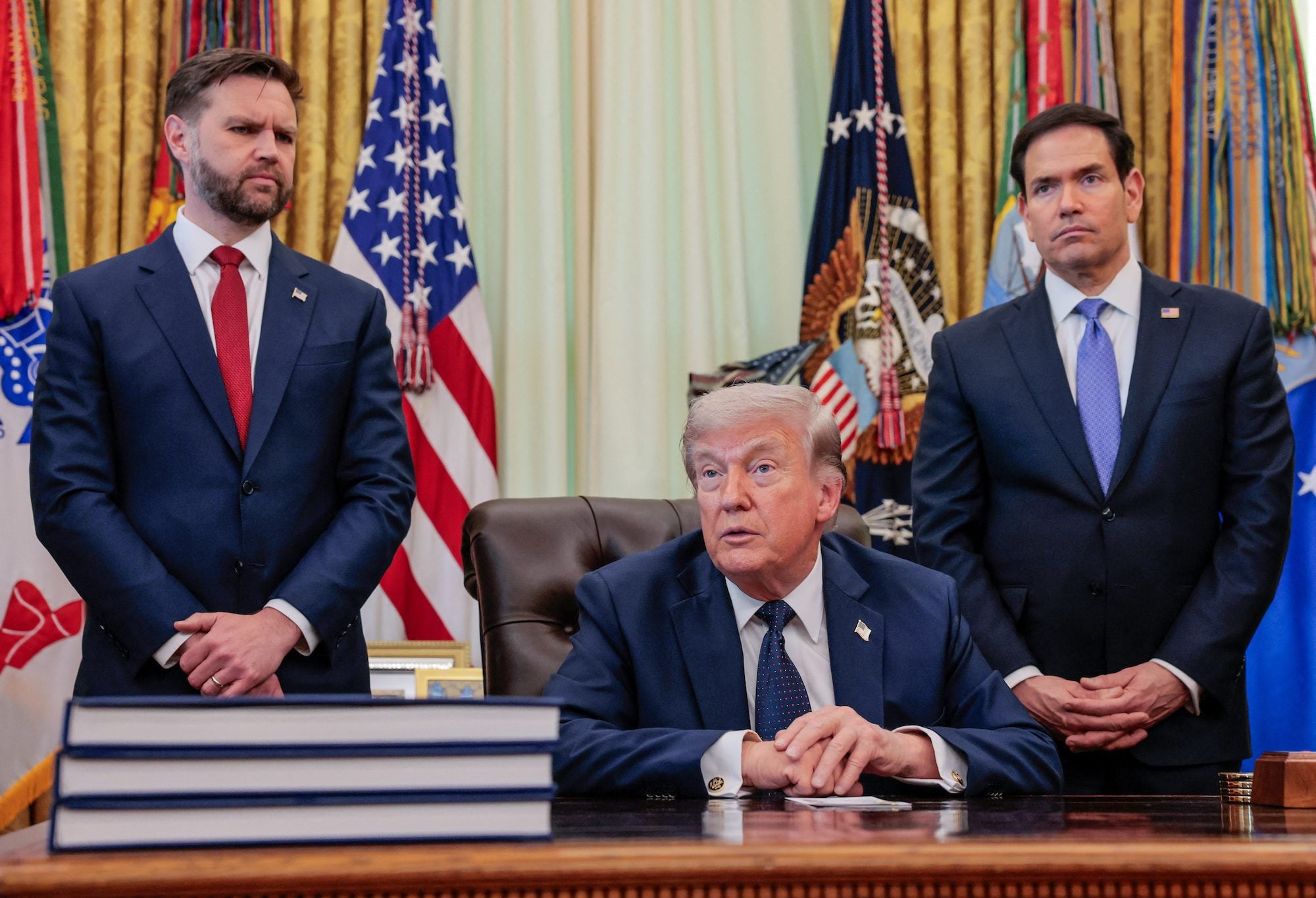
“He’s a hard charger, and he had some conflicts with some other people, mostly as to building and buying new ships,” Trump told reporters in the Oval Office. “Got to get along, especially in the military, got to get along.”
Reuters, which first reported additional details surrounding the dismissal, cited sources saying Phelan was removed in part because he was moving too slowly to implement reforms meant to accelerate shipbuilding and had fallen out with key Pentagon leaders.
Congress Confronts U.S. Shipbuilding Crisis as Maritime Buildout Meets Reality Check
The conflicting explanations underscore what increasingly appears to have been a deeper internal struggle over how to revive American naval power at a moment of mounting wartime strain.
The latest departure comes as the U.S. Navy continues sustaining heavy operational demands tied to the Middle East conflict and maritime security operations around the Strait of Hormuz, while also confronting long-running shipyard delays, readiness concerns, and intensifying pressure to compete with China’s industrial-scale naval buildup.
A financier and political outsider, Phelan arrived at the Navy Department as an unconventional pick, but quickly made shipbuilding and industrial capacity the defining themes of his tenure.
Under Phelan, the administration’s “Golden Fleet” initiative and proposals for a larger future fleet, including the headline-grabbing BBG(X) next-generation battleship concept .
Just one day before his dismissal, Phelan was publicly touting that agenda. “@POTUS historic FY27 budget delivers $65.8B for Navy shipbuilding—+46% over FY26,” Phelan wrote on social media Tuesday. “To be a superpower, a nation must be a seapower.”
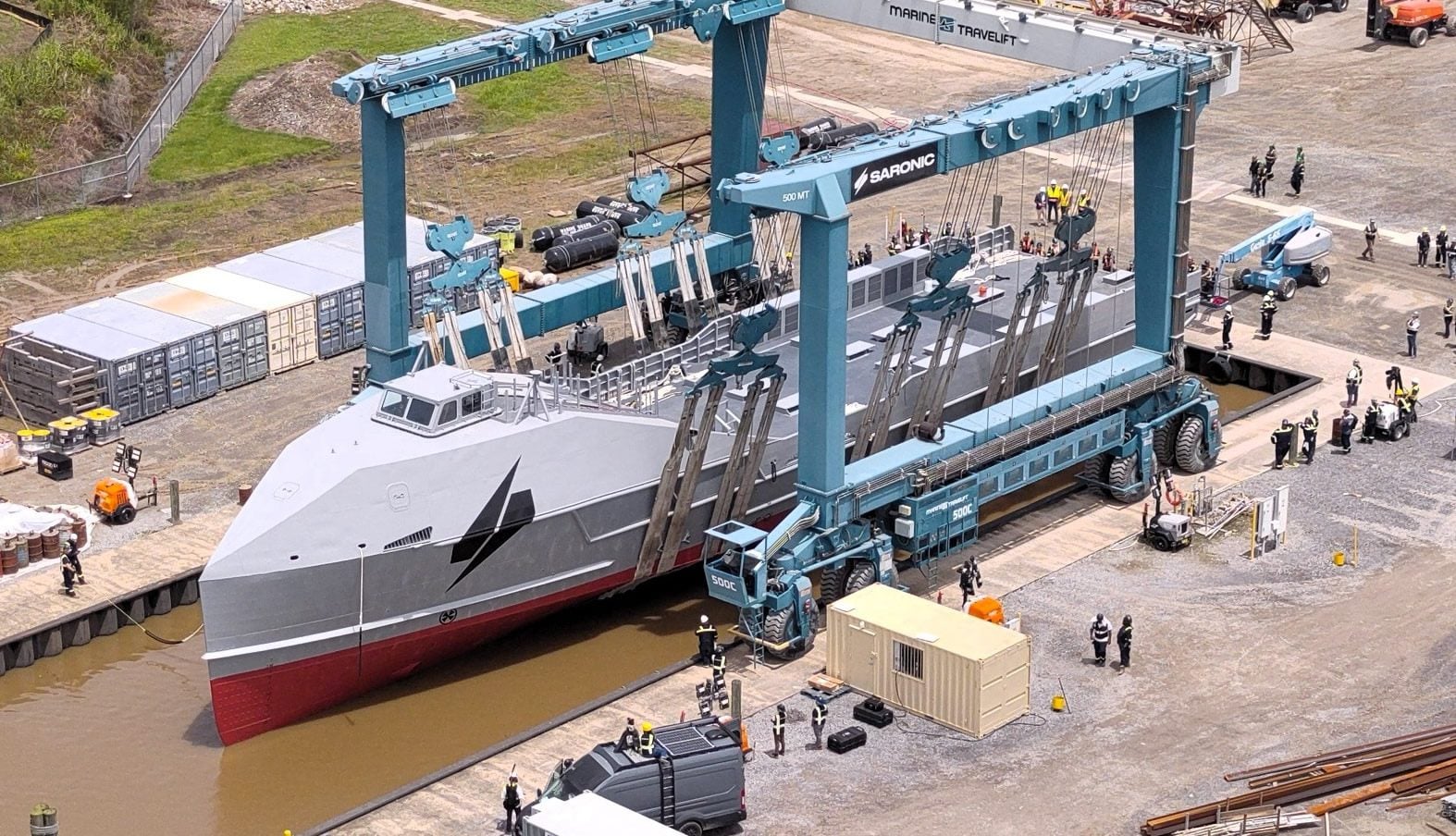
Among the more concrete initiatives associated with his tenure were support for the new FF(X) frigate program and the Medium Landing Ship (LSM), both tied to his push for simpler, scalable shipbuilding and faster procurement.
That such a shipbuilding-focused secretary may have been fired over disagreements about shipbuilding only deepens the uncertainty surrounding the administration’s maritime agenda.

 Join The Club