The European Commission on Wednesday unveiled sweeping new strategies aimed at strengthening Europe’s maritime industrial base and modernizing its ports, as Brussels seeks to boost competitiveness, enhance security, and accelerate the shipping sector’s transition to cleaner energy.
The twin initiatives—the EU Industrial Maritime Strategy and the EU Ports Strategy—target key segments of Europe’s waterborne economy including shipbuilding, shipping, and port infrastructure. The Commission said the plans are designed to reinforce Europe’s leadership in high-end shipbuilding and maritime services while responding to rising geopolitical tensions, security threats, and the global push toward decarbonization.
“Europe’s maritime manufacturing and shipping industries are fundamental to our sovereignty,” said Stéphane Séjourné, Executive Vice-President for Prosperity and Industrial Strategy. “They are key enablers of our strategic autonomy, security, and resilience. Our strategy will not only increase manufacturing capacities in Europe but also support ‘Made in EU’ leadership for specific vessel segments, technologies and innovation.”
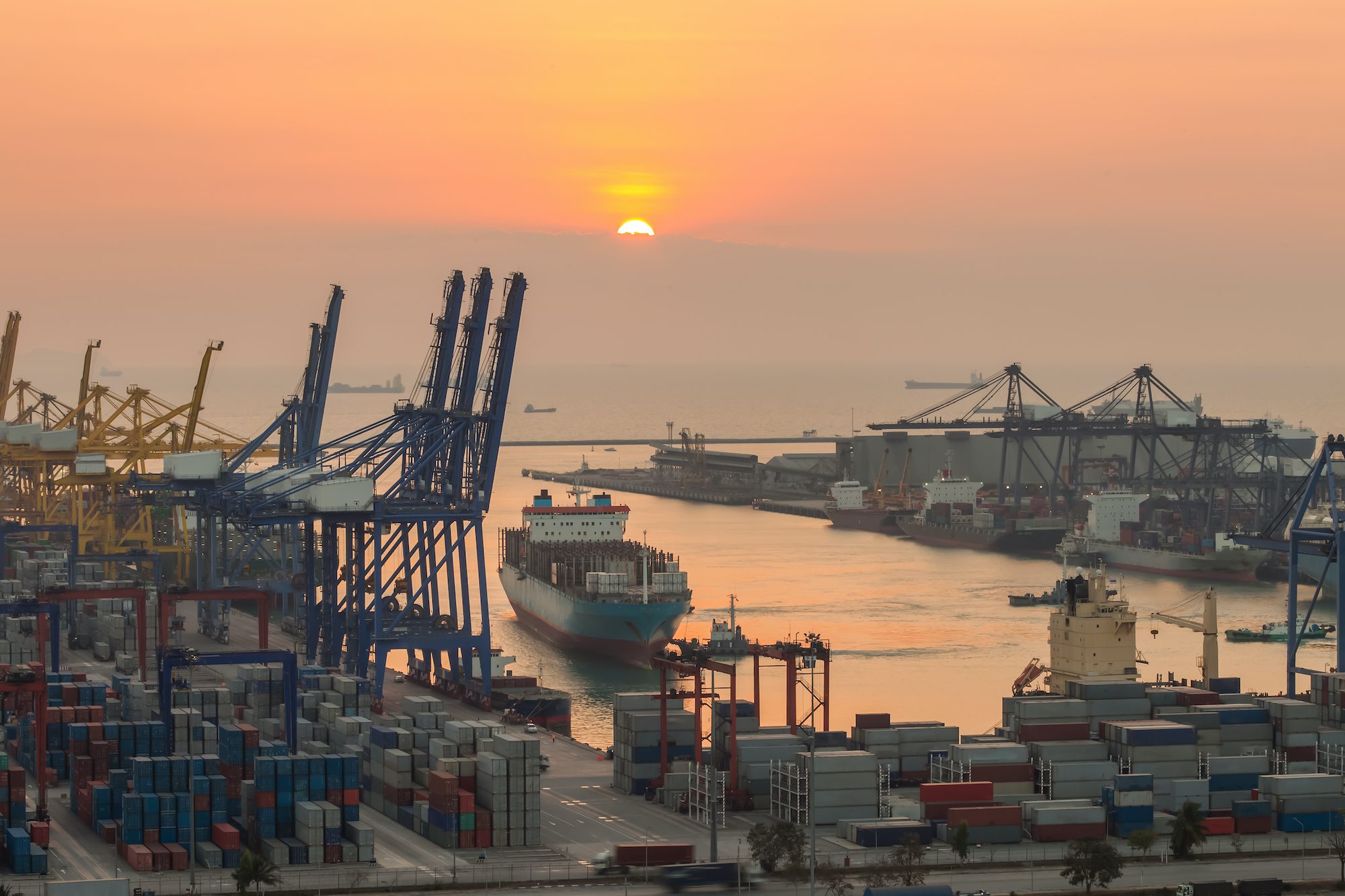
Europe collectively holds the world’s largest maritime area and maintains a dominant role in maritime services, accounting for more than one-third of global shipping tonnage across all segments. EU ports handle roughly 74% of the bloc’s external trade, processing more than 3.4 billion tonnes of cargo and nearly 395 million passengers annually, according to the Commission.
The new Industrial Maritime Strategy aims to reinforce Europe’s maritime manufacturing ecosystem by launching an EU Industrial Maritime Value Chains Alliance and supporting next-generation technologies such as high-tech shipbuilding, offshore wind service vessels, underwater drones, and advanced port equipment. The Commission also plans a “Shipyards of the Future” research and innovation initiative under Horizon Europe, designed to test new shipyard technologies and accelerate digitalization across the industry.
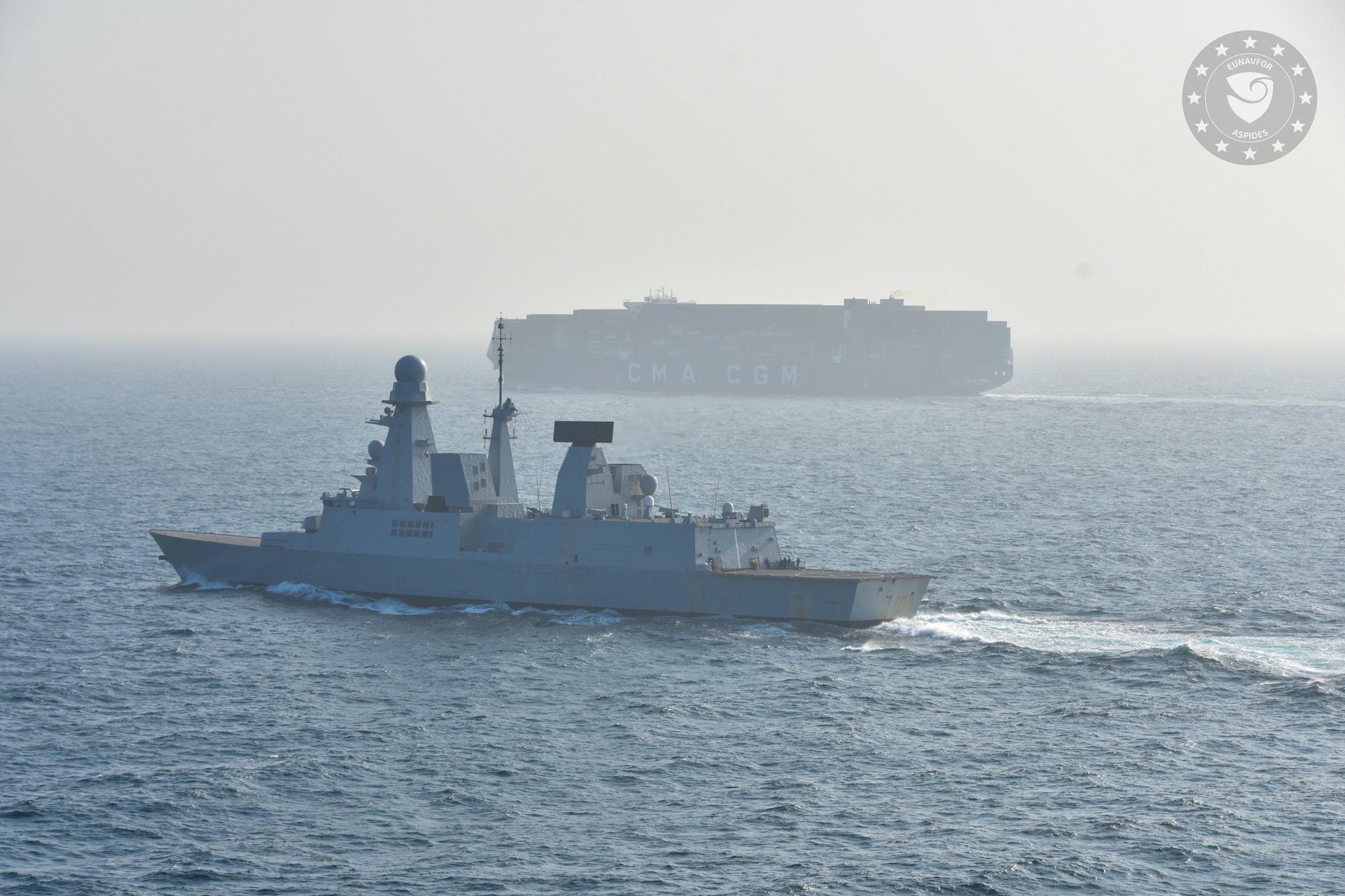
The strategy also reflects the sector’s dual civilian and military role, with measures intended to ramp up naval industrial capacity and support the construction of dual-use vessels.
“Ports, maritime manufacturing and shipping are essential for the European Union’s competitiveness, security and cohesion, especially in an increasingly volatile geopolitical environment,” said Raffaele Fitto, Executive Vice-President for Cohesion and Reforms. “The Industrial Maritime and Ports Strategies provide an integrated and comprehensive approach that builds on the strengths of these industries and their workforce.”
The Commission said it will also promote measures to strengthen the competitiveness of European shipping, including dialogue with member states to encourage the use of EU flags and efforts to streamline regulatory frameworks such as EU ETS Maritime and FuelEU Maritime.
Alongside the industrial strategy, Brussels released a new EU Ports Strategy aimed at transforming Europe’s ports into more secure, digitally connected, and energy-efficient logistics hubs.
Ports have become increasingly critical nodes in Europe’s energy supply chain, defense infrastructure, and industrial economy. The Commission said ports are also evolving into centers for emerging industries including offshore energy and hydrogen supply chains.
“Ports are vital gateways to our internal market, yet they are increasingly targeted by trafficking networks, organised crime and corruption,” said Magnus Brunner, European Commissioner for Internal Affairs and Migration.
The Ports Strategy includes measures to strengthen security through enhanced background checks for port workers, deeper cooperation with partner countries, and expanded information sharing through the EU Ports Alliance. The Commission said €200 million has already been mobilized to upgrade customs scanning and container inspection systems at major EU ports, with plans to extend such tools to smaller facilities.
Beyond security, the strategy emphasizes the clean-energy transition of maritime transport by accelerating the deployment of shore power systems, port electrification, and renewable fuel infrastructure.
“With our EU Ports and Industrial Maritime Strategies, we are equipping Europe’s ports, shipping and shipbuilding sectors to lead the clean energy transition, secure trade and defence, and remain globally competitive,” said Apostolos Tzitzikostas, Commissioner for Sustainable Transport and Tourism. “They renew our ambition for European maritime leadership.”
Industry reaction has been broadly supportive. The World Shipping Council, which represents the global liner shipping industry, welcomed the Commission’s focus on security and decarbonization while urging additional action to reduce administrative burdens for shipping companies.
“European ports and maritime supply chains are only as secure as their weakest link,” said Joe Kramek, President and CEO of the World Shipping Council, emphasizing the need for stronger public-private cooperation and consistent enforcement across EU member states.
The group also praised the strategy’s emphasis on renewable fuel infrastructure and shore power deployment, noting that liner shipping companies have already invested more than €125 billion in over 1,100 dual-fuel vessels either delivered or on order.
However, Kramek said the strategies do not go far enough in simplifying trade procedures within Europe’s single market.
“In a true single market, moving goods by ship within Europe should be as seamless as moving them by truck,” he said, pointing to persistent administrative barriers that require ships to submit up to 1,200 data elements for a single port call. Full implementation of the EU Maritime Single Window could save an estimated 2.2 to 2.5 million staff hours annually, according to the group.
To oversee implementation, the Commission plans to establish a high-level Maritime Industries and Ports Board, chaired by senior EU officials, to coordinate policy actions across member states and industry stakeholders.
The strategies were developed following a series of consultations with industry leaders and port executives during 2025 and form part of the European Commission’s broader competitiveness agenda and European Ocean Pact.
Editorial Standards · Corrections · About gCaptain

 Join The Club