The European Union has boarded another tanker linked to Russia’s shadow fleet as Brussels expands its use of naval forces to challenge vessels suspected of operating under false flags.
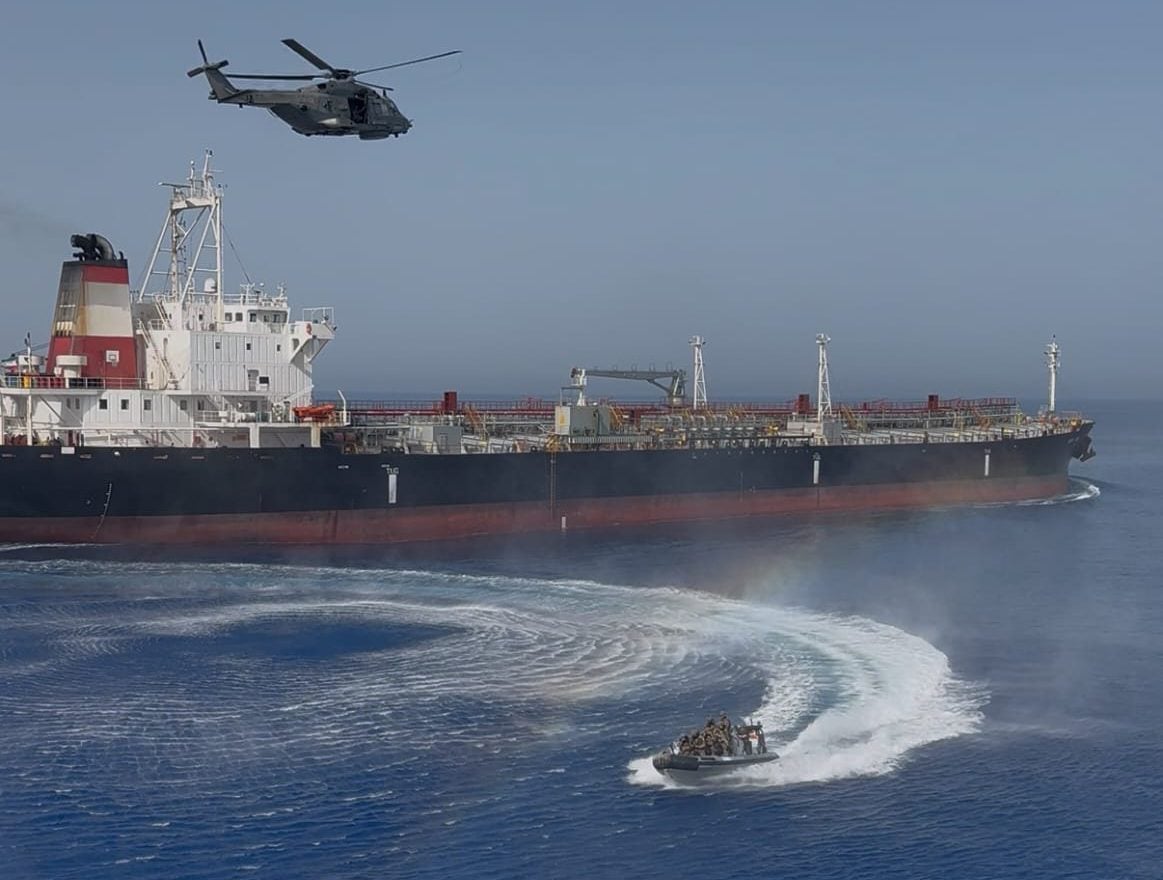
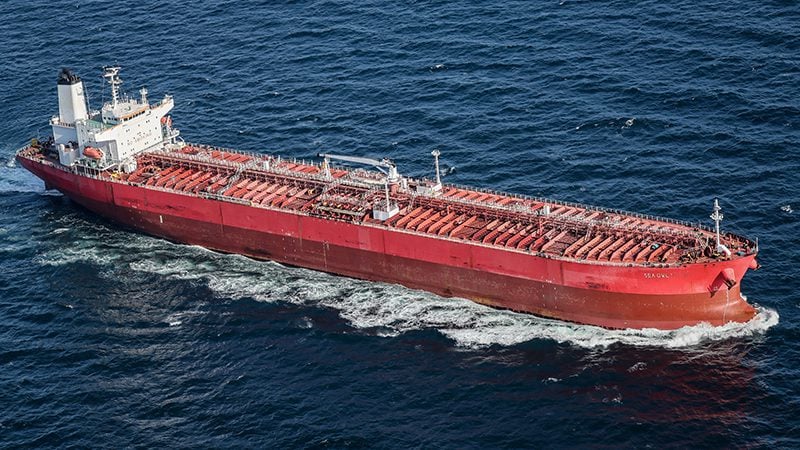
Forces assigned to the EU’s Operation IRINI boarded the oil tanker SOUTH STAR this week for a flag-verification inspection, according to EU foreign policy chief Kaja Kallas.
The vessel is under European Union sanctions over its alleged role in transporting Russian oil and petroleum products using irregular and high-risk shipping practices.
“We’re turning up the pressure on Russia’s shadow fleet,” Kallas said.
“The oil tanker MV SOUTH STAR, suspected of sailing under false flag in breach of international maritime law, has been boarded on 20 July by Operation EUNAVFOR MED IRINI forces for flag verification,” she added. “Every illicit voyage helps sustain Russia’s war machine. We are matching our sanctions with action at sea.”
The boarding was carried out to verify the tanker’s claimed nationality, rather than simply because the vessel appears on an EU sanctions list. Under Article 110 of the United Nations Convention on the Law of the Sea, a warship may board a merchant vessel on the high seas when there are reasonable grounds to suspect it is without nationality or is fraudulently claiming a flag.
The SOUTH STAR operation forms part of a broader European crackdown that has gathered pace during 2026.
Operation IRINI, the EU naval mission established primarily to enforce the United Nations arms embargo on Libya, received authority in March to conduct flag-verification visits under Article 110. The mission said it carried out its first such boarding in early May on a tanker suspected of sailing under a false flag.
By late June, three suspected shadow fleet tankers had also been inspected by the European naval mission in the Mediterranean, according to Reuters.
Kallas’ announcement said EU member states had also authorized Operation ATALANTA, the bloc’s counter-piracy mission in the western Indian Ocean, to begin carrying out flag-verification boardings of suspected Russian shadow fleet vessels.
“This decision further tightens the net,” Kallas said.
The authorization considerably expands the geographic reach of the EU effort. Operation IRINI operates in the Mediterranean, while ATALANTA patrols waters off the Horn of Africa and across parts of the western Indian Ocean—an important route for tankers moving Russian oil toward buyers in Asia.
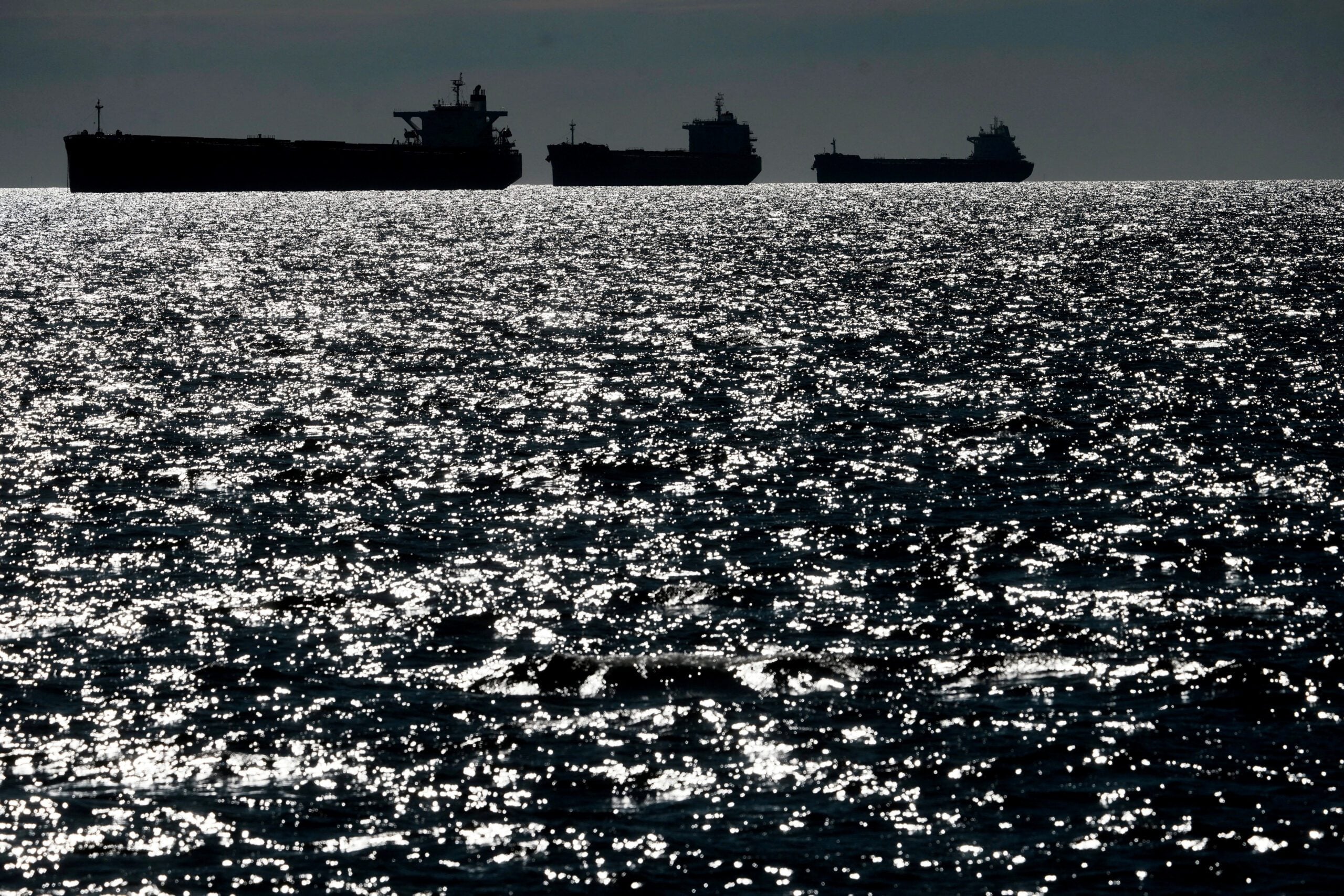
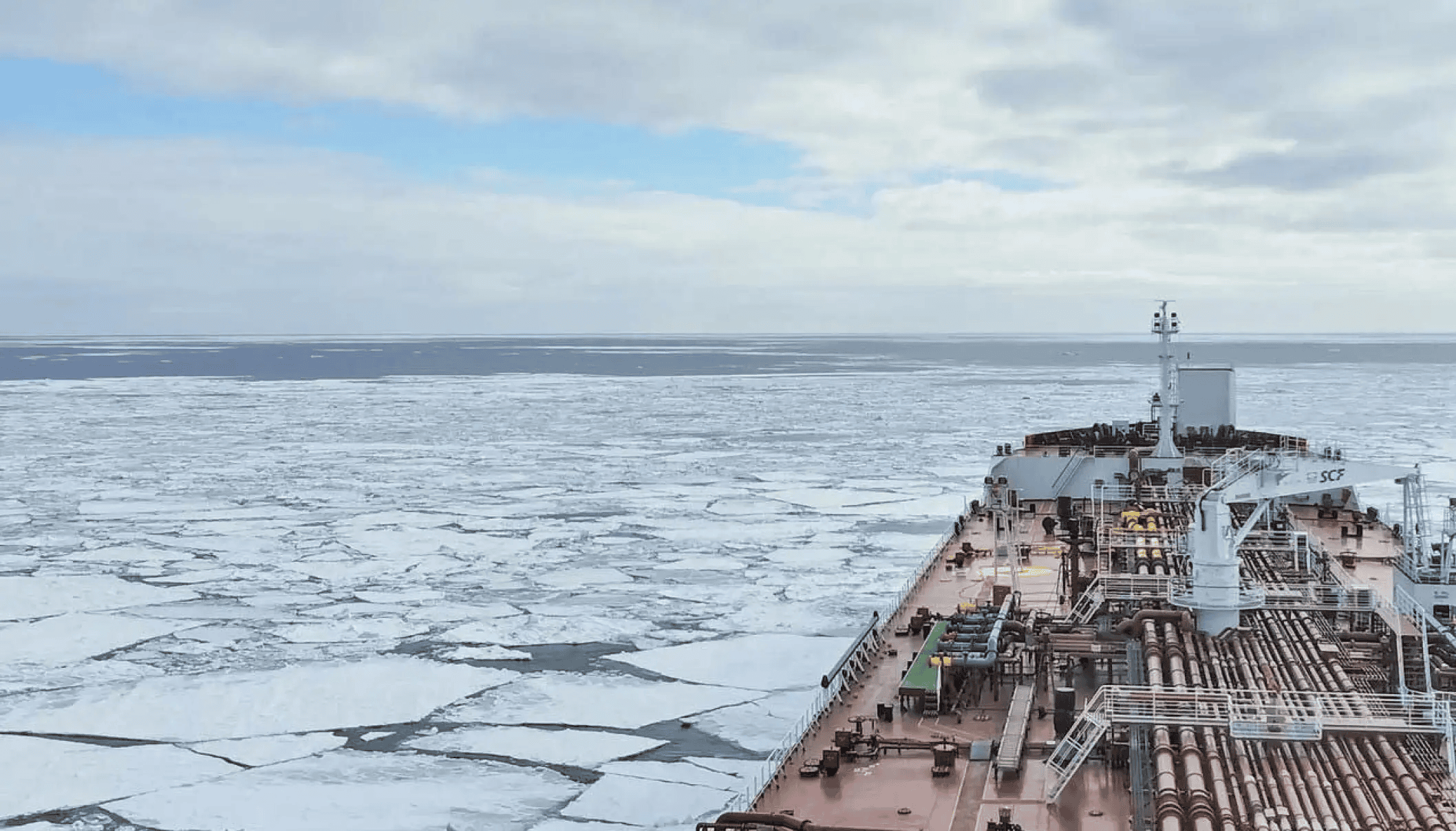
Russia has assembled a large fleet of aging tankers operating through opaque ownership structures, frequently changing flags, managers and corporate identities to keep crude exports moving despite Western sanctions and the oil price cap.
Western governments accuse some of those ships of using fraudulent registrations, manipulating vessel-tracking signals and relying on uncertain insurance arrangements. European officials have also warned that the fleet presents an environmental and maritime safety risk because of the age of many vessels and the difficulty of identifying who would be responsible for a major casualty or oil spill.
The boarding of SOUTH STAR shows how the EU is increasingly combining sanctions with existing law-of-the-sea authorities to disrupt the shadow fleet’s operations at sea.
The tanker does not appear to be individually designated by the U.S. Treasury Department, although it remains subject to EU restrictions.

 Join The Club