European leaders have backed a stronger role for the European Union in the Arctic, with Finland pushing for a joint icebreaking capability as the region becomes increasingly important for commercial shipping, military mobility and competition with Russia and China.
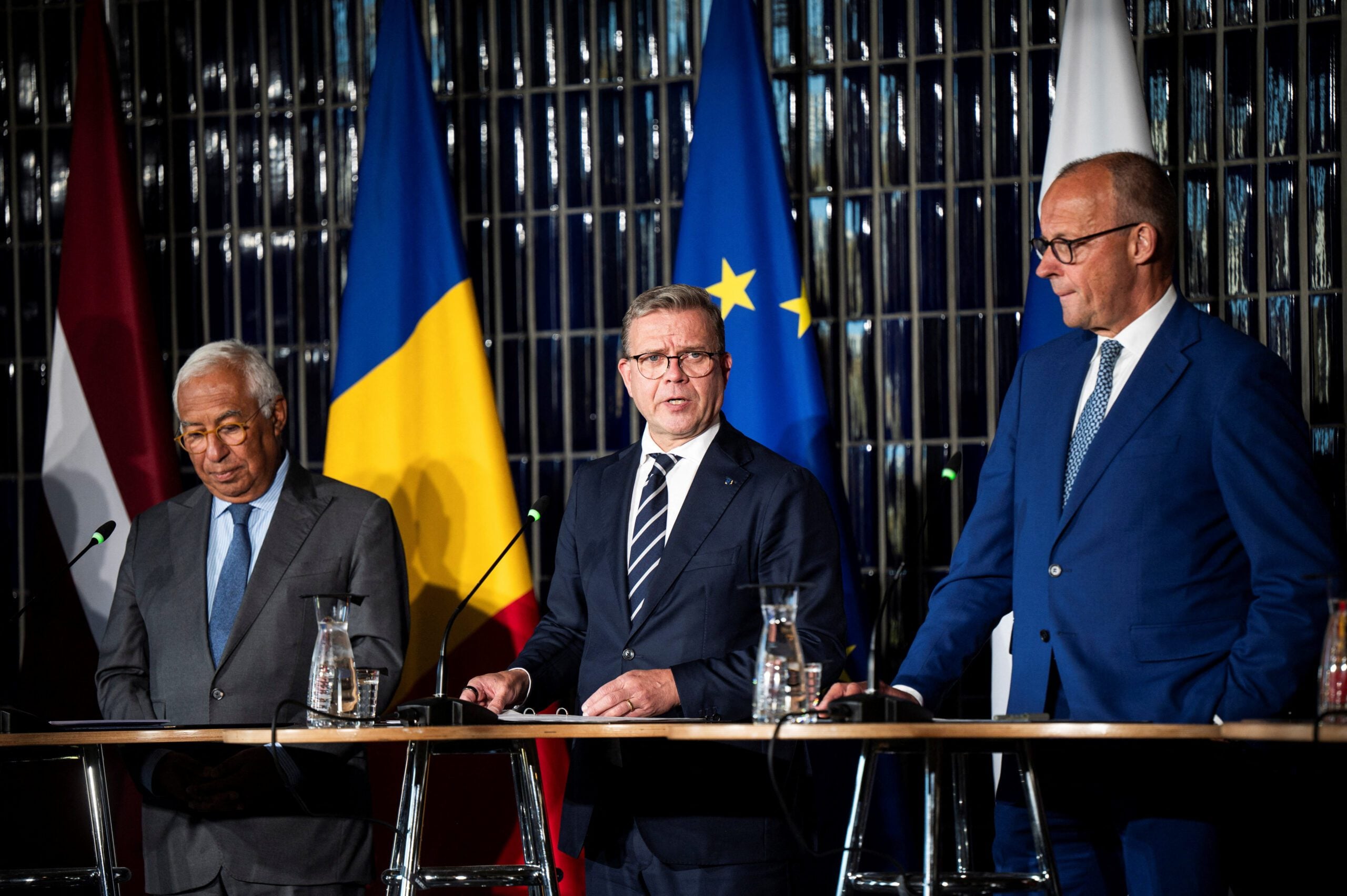
Finnish Prime Minister Petteri Orpo proposed that the EU develop a common fleet of icebreakers, potentially built and hosted by Finland. German Chancellor Friedrich Merz backed the idea, saying Europe needs to strengthen its icebreaking capacity as the strategic importance of the Arctic grows.
“We definitely need icebreakers and this is not just an issue for Finland, for Norway, for Sweden,” Merz said at the summit. “This is something for the entire European Union, for the entire European continent.”
“High north – and low attention – is over,” Merz said at a news conference, pointing to Russia’s military buildup and hybrid activities in the region.
He said Europe first needed a common understanding of the changing security environment before developing a strategy and roadmap, adding that icebreaking was one of the capabilities the bloc “really need[s].”
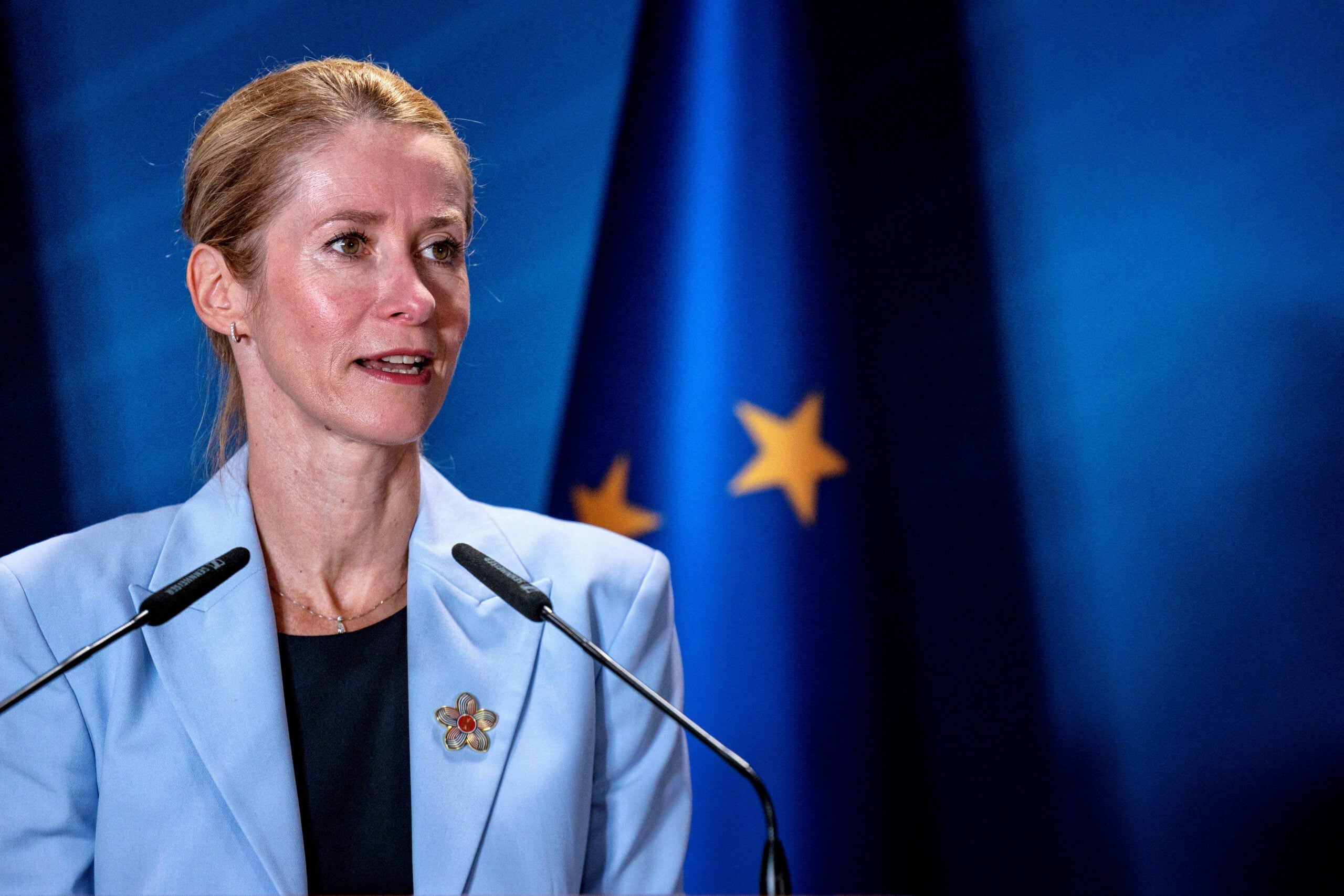
EU foreign policy chief Kaja Kallas also linked icebreakers to the changing maritime environment, saying that climate change and the opening of maritime routes meant Europe needed vessels capable of operating in difficult conditions.
The discussions did not result in a procurement agreement or establish the size, ownership, financing or construction schedule for a European fleet. Any such decision would likely depend on the EU’s forthcoming Arctic strategy and longer-term budget negotiations.
Still, the discussion marks a significant shift in how icebreakers are viewed in Europe. Traditionally treated primarily as infrastructure supporting winter navigation and commercial shipping, the vessels are increasingly seen as strategic assets that can provide military mobility, search and rescue, emergency response, critical infrastructure protection and a visible government presence in remote waters.
Finland is particularly well positioned to lead such an effort. The country has more than a century of experience designing and building icebreakers and has developed some of the world’s most advanced expertise in ice-capable ship design and Arctic operations.
That expertise is already being exported.
The United States is building its next generation of Arctic Security Cutters with substantial Finnish involvement. Four of the US Coast Guard’s planned fleet of 11 vessels are to be built in Finland, while Finnish shipbuilding expertise and technology will also support construction of additional vessels in the United States.
Canada is pursuing an even broader expansion of its icebreaking fleet. Ottawa plans to spend more than C$11 billion on six new medium icebreakers, while construction of its new two heavy icebreakers is already underway through cooperation between Canadian and Finnish shipyards.
The growing focus on icebreakers comes as commercial activity in the Arctic is expanding. Russia has increased shipments of oil and liquefied natural gas through the Northern Sea Route, while Chinese companies are beginning to establish more regular commercial shipping services through the Arctic.
For Europe, developing its own icebreaking capacity would therefore provide more than an ability to keep ships moving through ice. It would give the EU an additional tool for maintaining access to Arctic waters and demonstrating a strategic presence in a region where maritime traffic and geopolitical competition are both increasing.
It remains to be seen if this recent push for icebreakers will be reflected in the new EU Arctic Strategy, due in late October.

 Join The Club