Canada is committing more than C$11 billion ($7.95 billion) to build six new icebreakers for the Canadian Coast Guard, the country’s biggest shipbuilding contract in Quebec’s history, as Arctic nations race to replace aging fleets and expand their ability to operate in increasingly strategic northern waters.
Prime Minister Mark Carney announced the contract on Monday at Chantier Davie in Lévis, Quebec, where all six vessels will be built. Construction is scheduled to begin in 2027, with the first ship due five years later and the full fleet expected to enter service by 2038.
The new vessels will replace Canada’s aging heavy and medium icebreakers, which keep shipping lanes open in Atlantic Canada, the St. Lawrence and Great Lakes during winter and operate in the Arctic during summer.
Similar to the USCG icebreaker renewal efforts, Canada’s push has faced ongoing delays. The vessels’ procurement was originally announced in 2019 with deliveries by 2027. Now the first vessels won’t arrive until 2032.
“These six state-of-the-art icebreakers will keep the trade routes that carry Canadian goods to the world accessible and secure,” Carney said. “Built in Lévis by Canadian workers, they are a lasting investment in a stronger, more self-reliant Canada.”
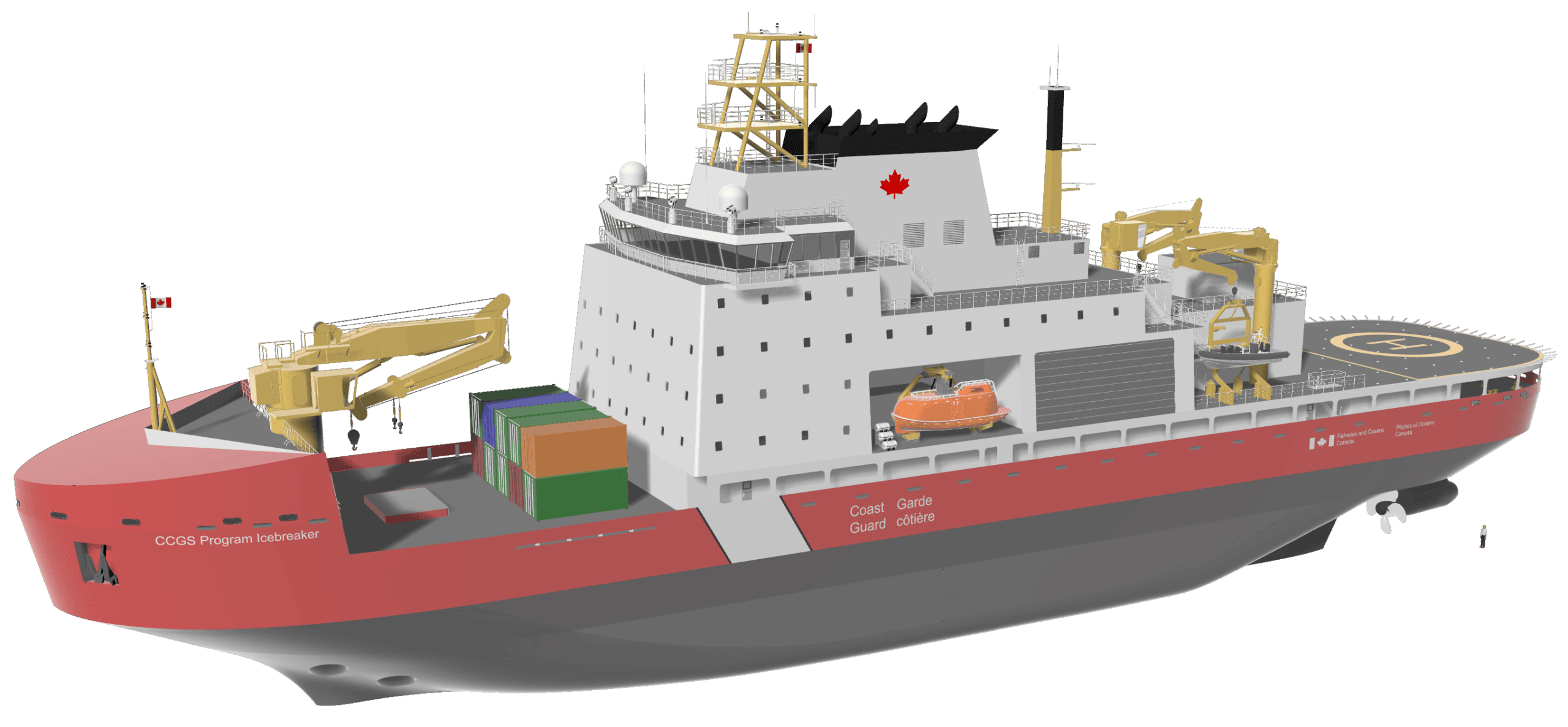
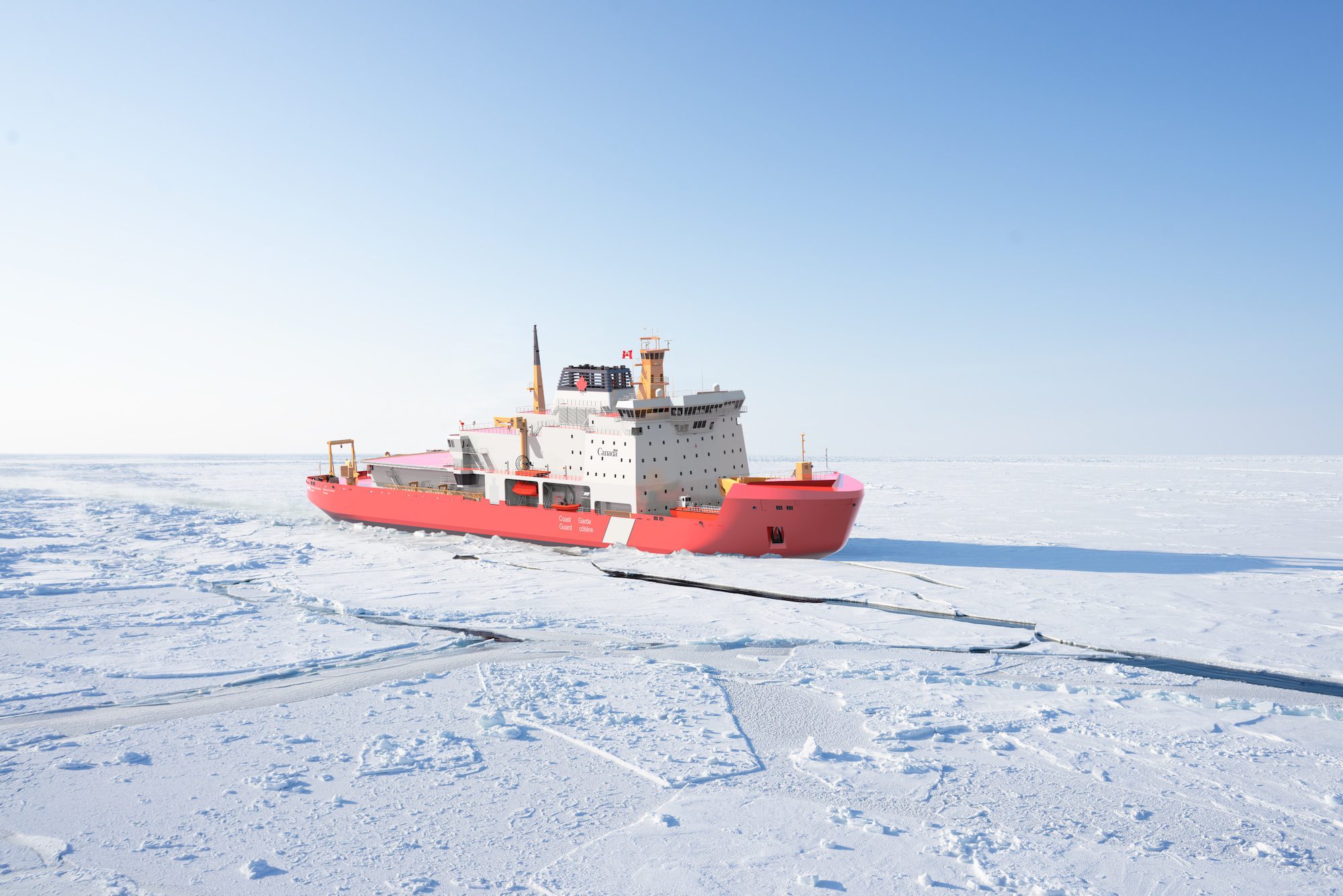
The Polar Class 3 vessels will be about 110 to 120 meters long and capable of maintaining three knots through 1.4 meters of ice. They will operate a medium Coast Guard helicopter and have a range of about 20,000 nautical miles at 11 knots, according to Davie.
PC3 vessels are designed for year-round operation in second-year ice, potentially including inclusions of older multi-year ice giving the ships broad Arctic capabilities.
The program is part of Canada’s National Shipbuilding Strategy, a long-term effort launched to rebuild the country’s shipbuilding industry and eliminate the boom-and-bust procurement cycles that previously left fleets aging faster than they could be replaced. Ottawa says it had awarded about C$54 billion in contracts under the strategy by the end of 2025.
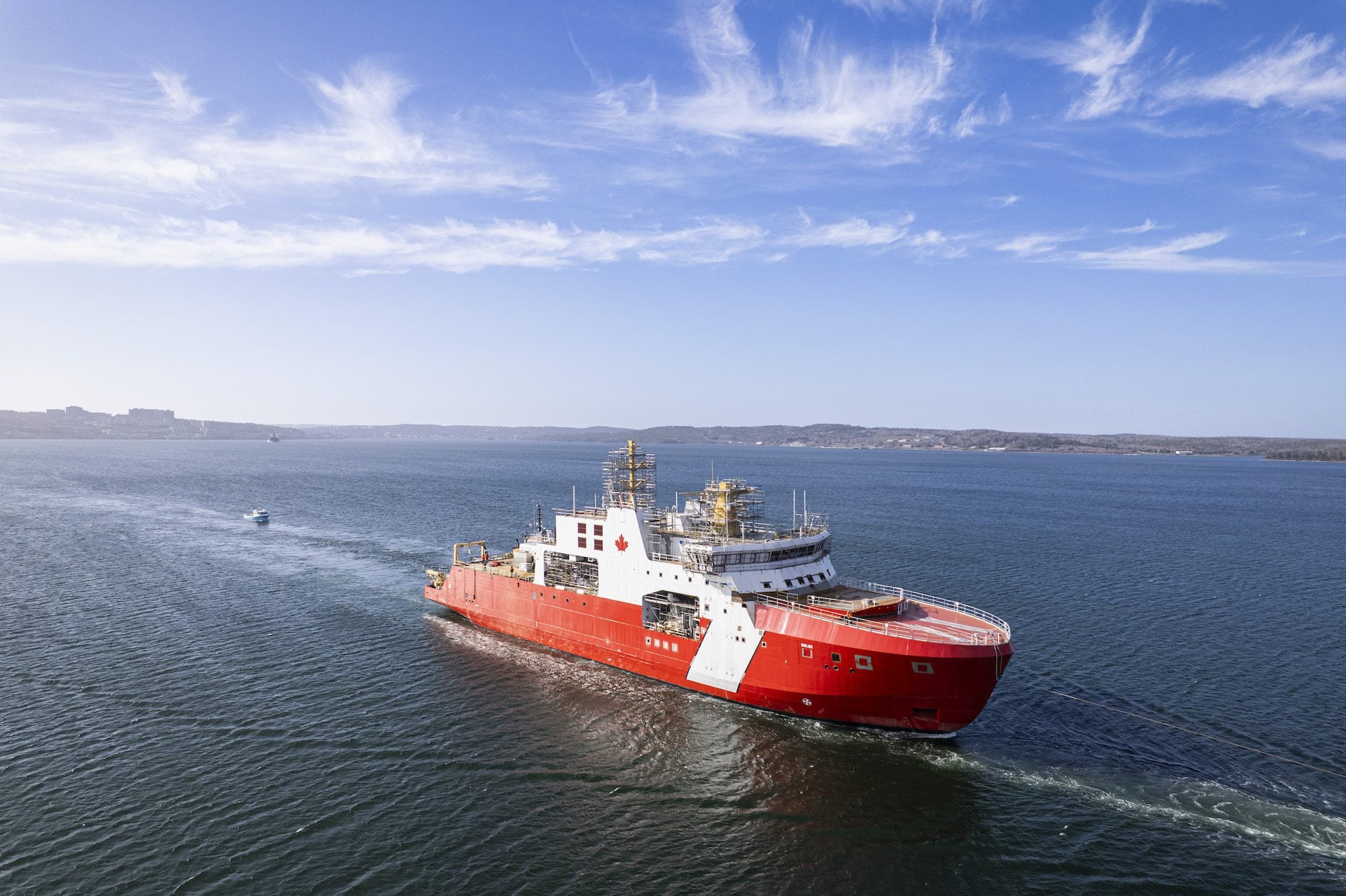
The six new ships add to a separate effort to build two much larger polar icebreakers. Davie is constructing the CCGS Arpatuuq, with hull work taking place in Finland and production also underway in Quebec, while Seaspan’s Vancouver Shipyards is building the CCGS Imnaryuaq. Both will be PC2 vessels and are intended to provide year-round Arctic capability, with deliveries targeted for 2030 and 2032 respectively.
Canada’s buildup comes amid a broader Western push to renew icebreaker fleets.
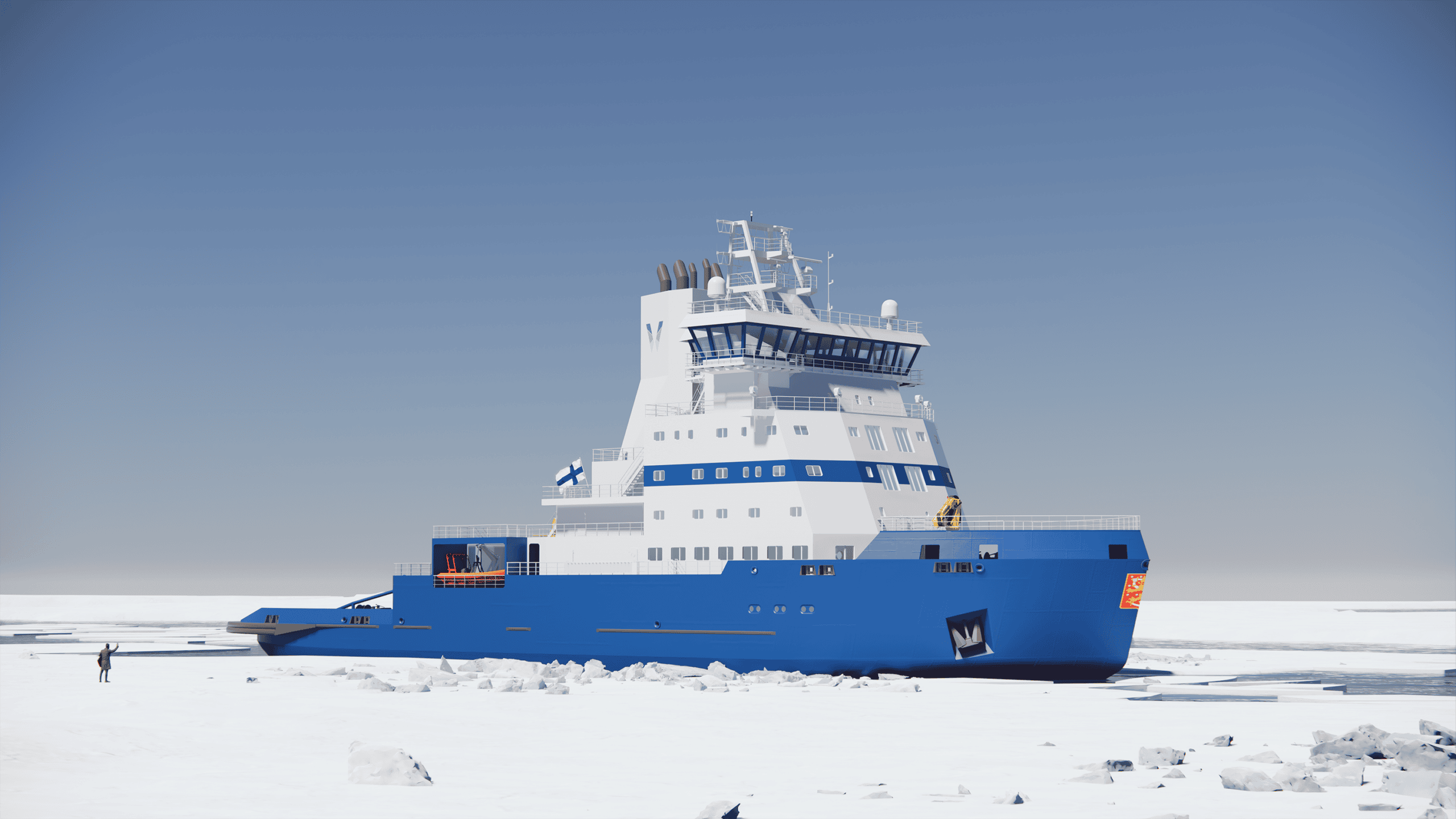
The United States plans 11 Arctic Security Cutters, with the first expected in 2028. Four will be built in Finland and seven in the United States as Washington combines foreign icebreaker expertise with a revival of domestic production.
Sweden has contracted South Korea’s HD Hyundai Heavy Industries to build a new icebreaker for delivery in 2029, with plans for further fleet renewal. South Korea is also developing a 16,560-ton Polar Class 3 research icebreaker to replace its aging Araon.
The projects reflect a growing recognition among Arctic nations and non-Arctic states that icebreakers are no longer simply winter workhorses but strategic infrastructure supporting trade, sovereignty, security, science and access to northern resources.

 Join The Club