By Bloomberg News
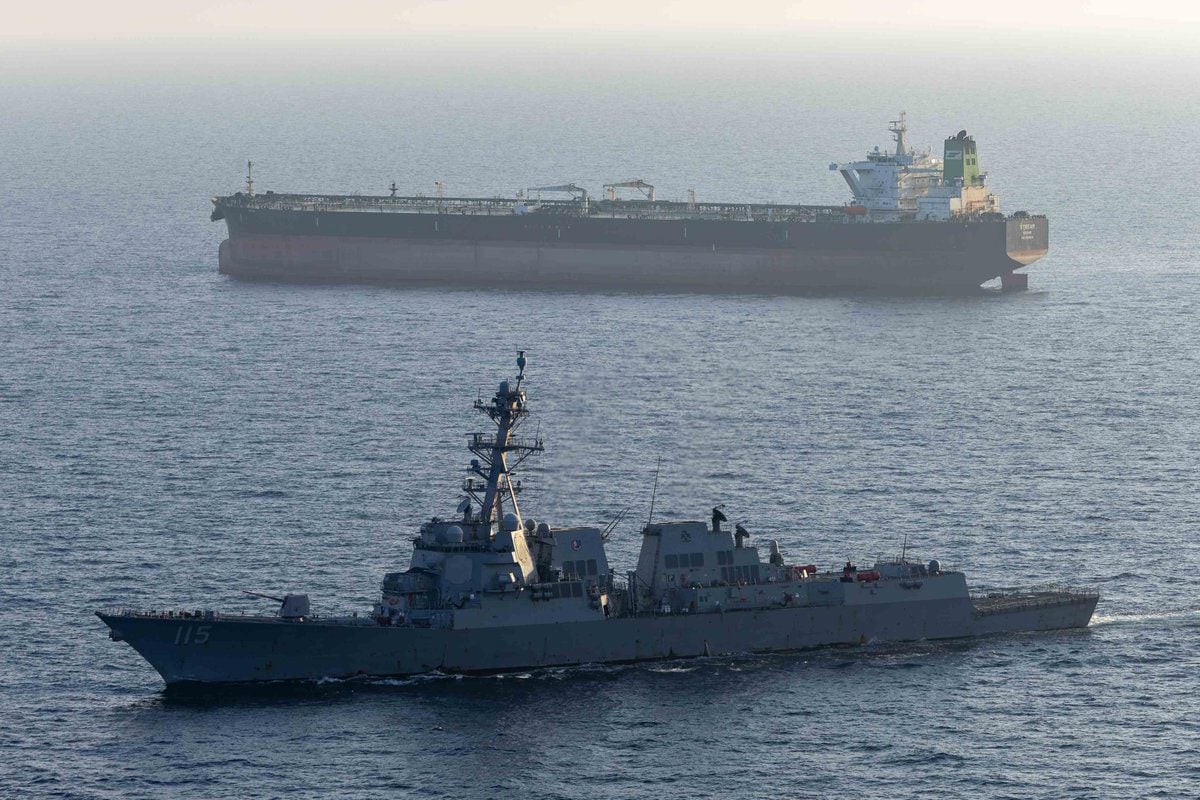
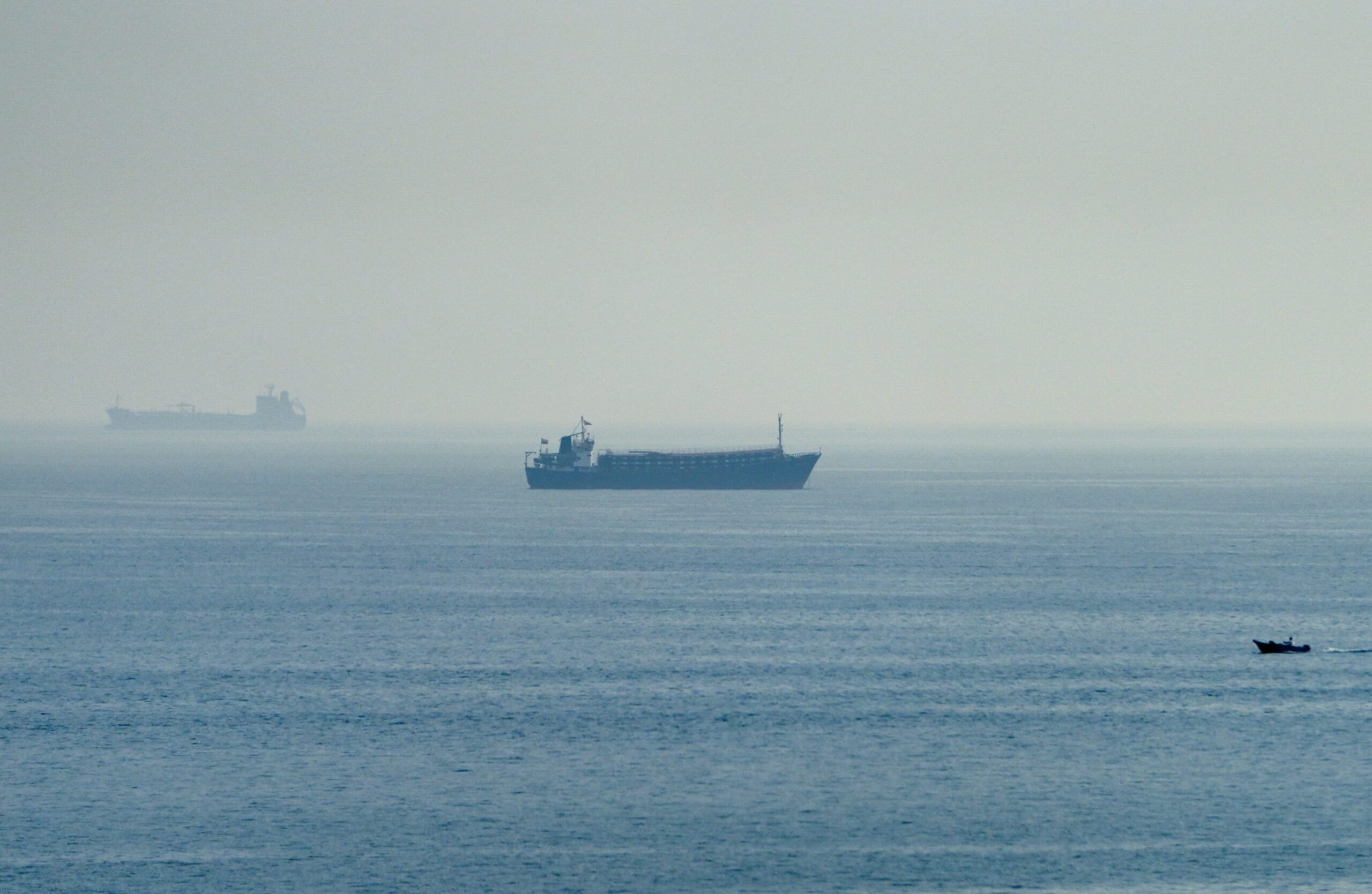
Aug 5, 2026 (Bloomberg) –A growing flotilla of Iranian oil tankers is gathering off the country’s coast, a sign the renewed US naval blockade is disrupting Tehran’s energy exports and depriving it of much-needed revenue.
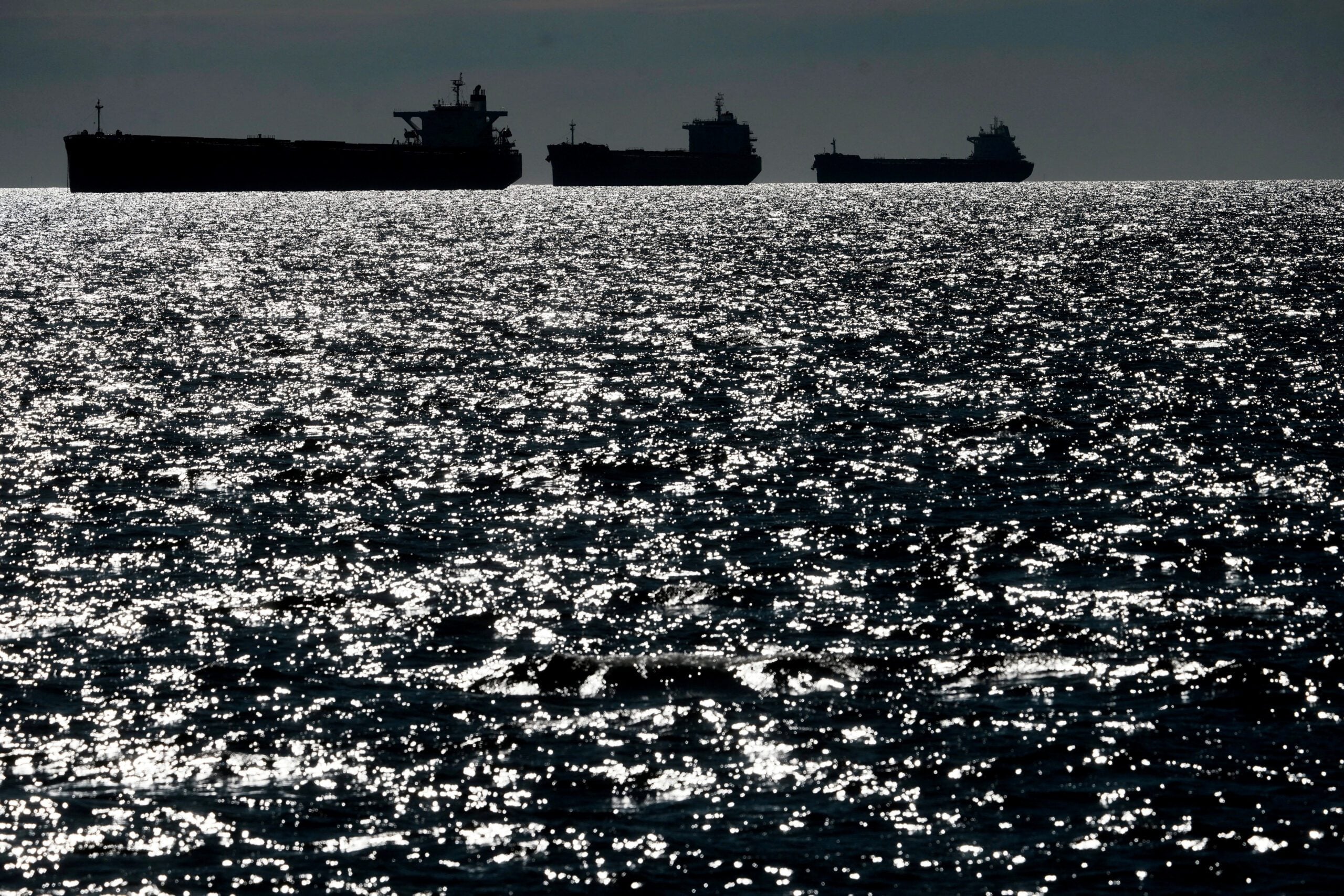
Some 50 laden vessels — mostly carrying crude, but also fuels and liquefied petroleum gas — were idling along Iran’s coastline in the Persian Gulf and Gulf of Oman as of Tuesday, according to nonprofit group United Against Nuclear Iran. That’s up from 45 a week earlier and 36 when the blockade was renewed on July 14.
The US action, intended to stop activity at Iranian ports, is impeding the export of oil but also prevents the return of empty vessels needed for fresh loadings.
“The blockade seems effective,” given the increase in the number of ships along the coast, said Charlie Brown, an adviser to UANI. Tankers are continuing to load LPG and other petroleum products from Iranian ports, suggesting smaller vessels may still attempt to get past the blockade, he said.
The buildup comes as hopes rise for a potential interim deal between Washington and Tehran to free up shipping in the Strait of Hormuz. Qatar said a proposal had been drafted, and both US and Iranian officials sounded optimistic about reopening the critical waterway.
UANI said it hasn’t tracked any laden Iranian crude tanker successfully leaving the Gulf of Oman without encountering US enforcement since the blockade was reinstated. However, it’s possible some ships have gotten out undetected by turning their transponders off.
Fresh offers of Iranian crude have been scarce since the US threatened strikes on the country last week, according to traders familiar with the matter. Sellers are holding back cargoes and seeking higher prices due to the blockade, they said, asking not to be named as the discussions are private. Iranian Light for delivery next month was offered at discounts of about $4 a barrel to ICE Brent this week, narrowing from about $5 a week earlier, the traders said.
Weak Demand
For Iranian oil that’s already in Asian waters, demand remains weak in China, which takes the lion’s share of the country’s shipments. Independent refiners there, historically Tehran’s biggest customers, are operating well below normal as margins remain negative. Plants in Shandong province, where most of the so-called teapots are located, were running at just over 48% of capacity as of July 31, compared with a five-year seasonal average of nearly 60%, according to Mysteel OilChem.
Tepid consumption and the ongoing blockade means the amount of Iranian oil on the water worldwide is growing. The country’s crude in floating storage — meaning ships that have been idle for at least seven days — has climbed 14% to 135 million barrels in the month through Tuesday, according to Vortexa Ltd. Most of the increase occurred in the Yellow Sea, between China and the Korean peninsula, and near the teapot hub of Shandong.
Bloomberg has also observed a growing cluster of Iranian crude tankers off the southeastern coast of peninsular Malaysia, while UANI said it had identified at least seven laden vessels from the Islamic Republic idling near Sri Lanka.
The finite pool of Iranian crude already outside the Persian Gulf and Gulf of Oman becomes increasingly important should the US blockade continue.
“This round of US blockade threatens to throttle Iranian oil floaters in the months to come,” said Emma Li, lead China market analyst at Vortexa.
© 2026 Bloomberg L.P.

 Join The Club