U.S. Energy Secretary Chris Wright said the Trump administration is likely to extend its temporary emergency waiver of the Jones Act again, arguing the measure has helped move energy supplies around the country and kept fuel prices lower during disruptions tied to the Middle East conflict.
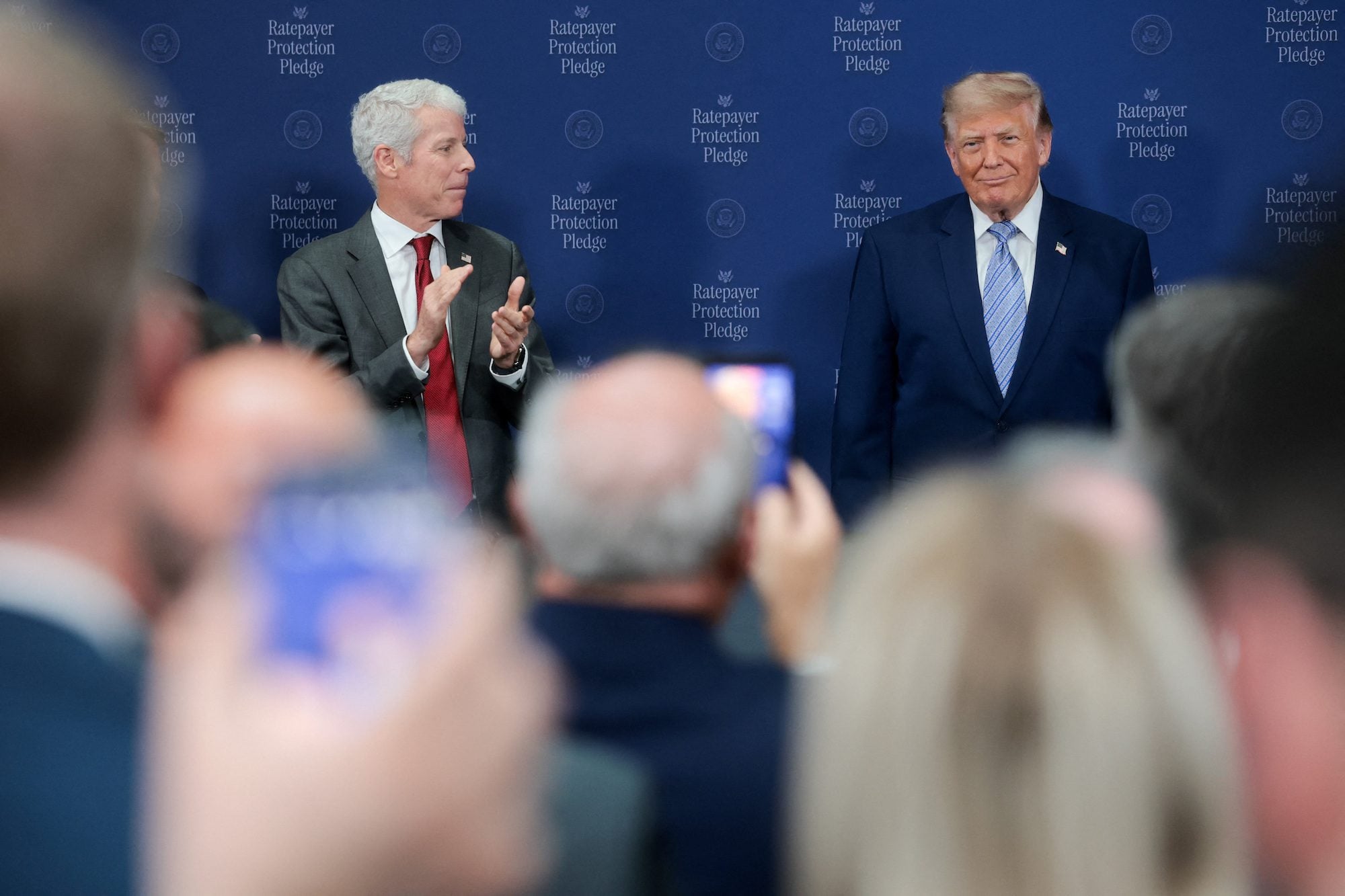
Speaking Tuesday at the Port of Brownsville, Texas, Wright said the administration considers the waiver a success.
“I think the temporary waivers of the Jones Act for transporting energy have been very successful,” Wright said. “We’ve had probably 200 ship voyages that have used that to move energy, particularly to places like California.”
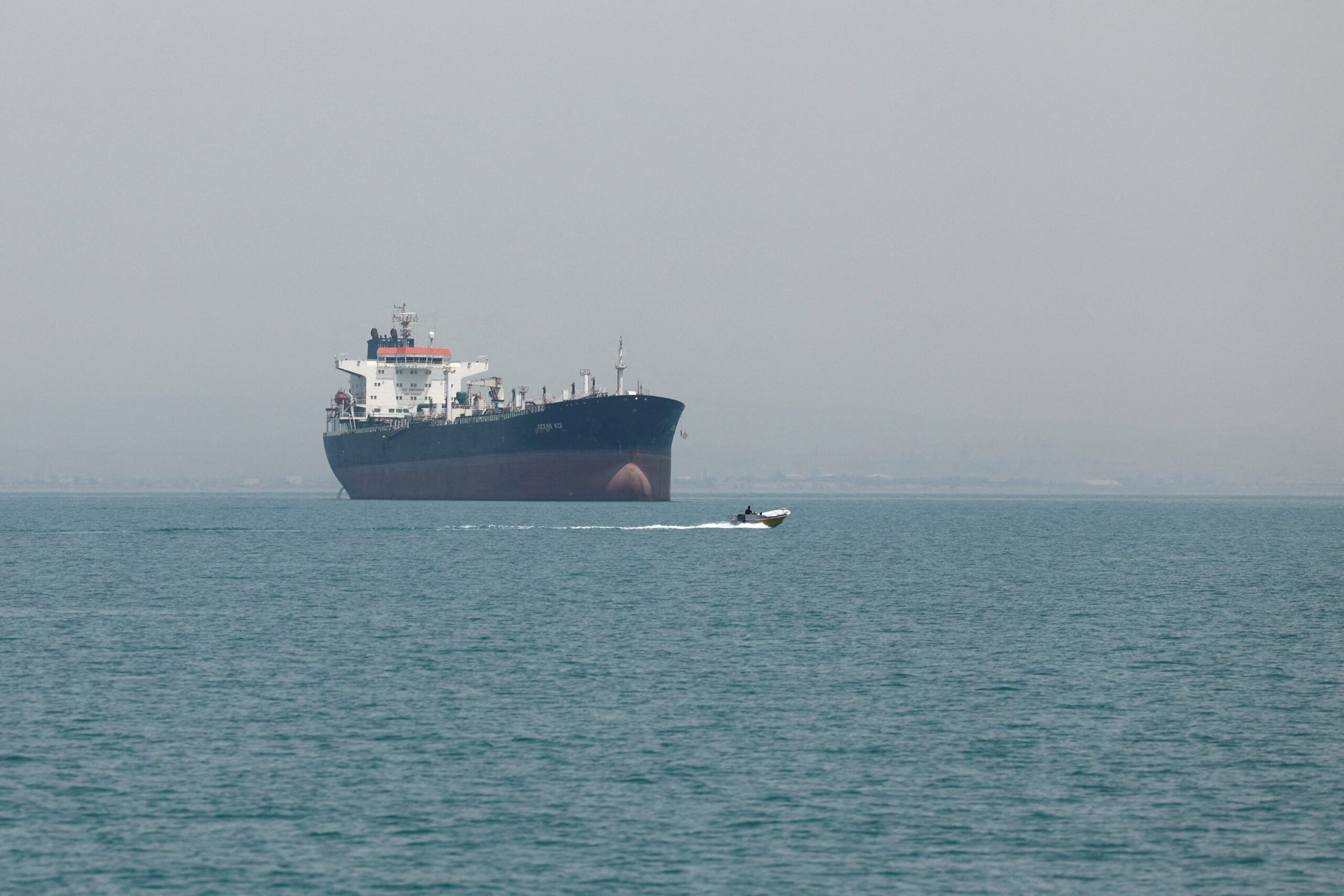
He said the waiver has helped lower energy costs on both coasts by allowing foreign-flag vessels to transport petroleum products between U.S. ports.
“The Jones Act waivers have been helpful in keeping energy prices on the east coast and on the west coast lower than they would otherwise be. That’s a Trump Administration Agenda,” Wright said. “So I think another extension, temporary extension, of the Jones Act waivers is quite likely to happen. When we get energy flows back to normal again, things will go back to as they were.”
The comments suggest the administration intends to continue using emergency authority under Section 501 of the Merchant Marine Act beyond the current expiration date, despite mounting opposition from the U.S. maritime industry, labor unions and a bipartisan group of lawmakers.
The administration first invoked the waiver in March, citing national defense concerns following disruptions to global energy markets caused by the conflict with Iran and threats to shipping through the Strait of Hormuz. The measure temporarily allows approved foreign-flag vessels to transport petroleum products and other energy cargoes between U.S. ports that would normally be reserved for U.S.-flag ships under the Jones Act.
MARAD records reviewed by gCaptain showed 196 approved voyages as of July 28.
The waiver has become one of the maritime industry’s most contentious policy debates. Supporters argue it has increased shipping capacity and improved fuel distribution during a period of market disruption. Critics counter that it has displaced American vessels and mariners while providing little measurable benefit to consumers.

 Join The Club