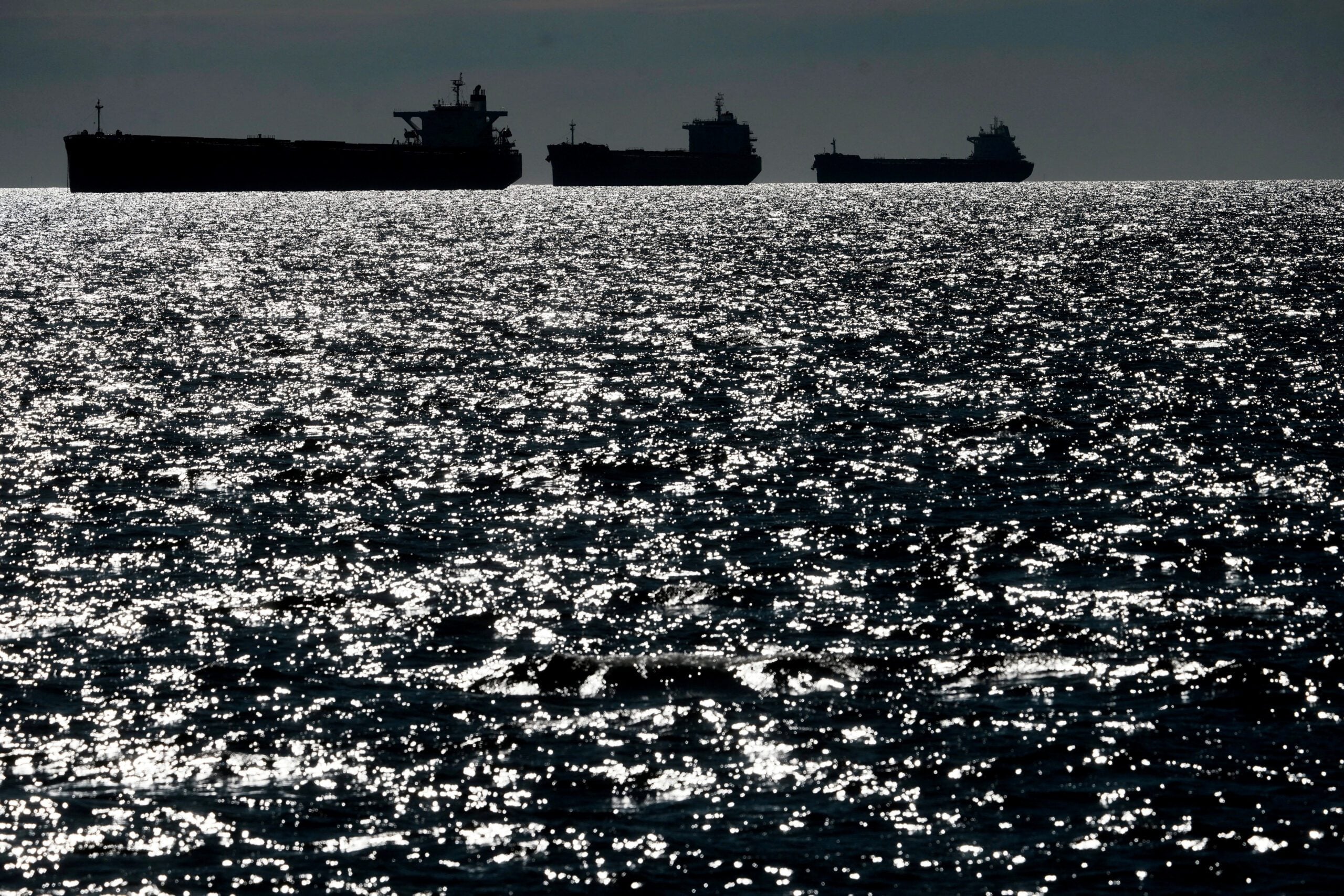
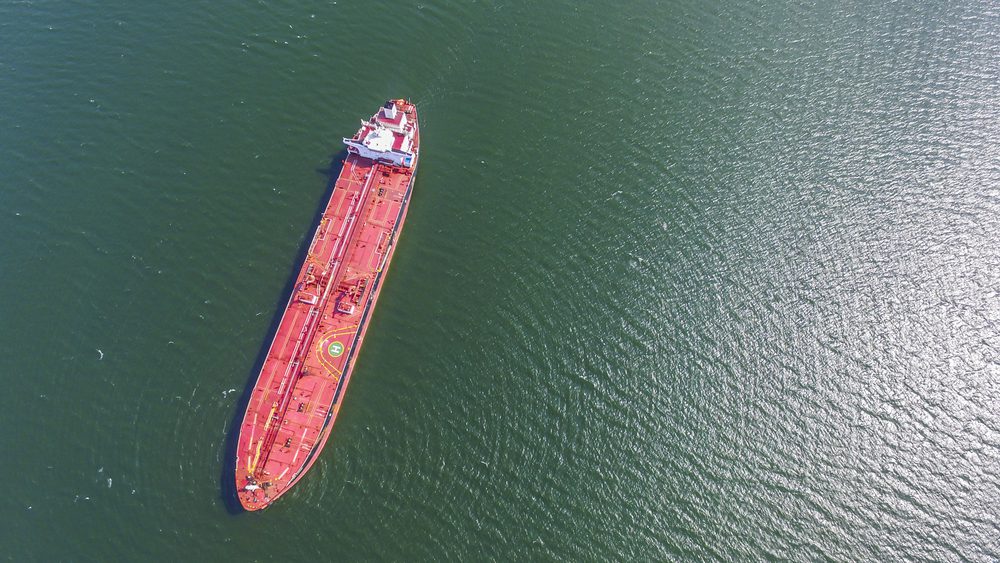
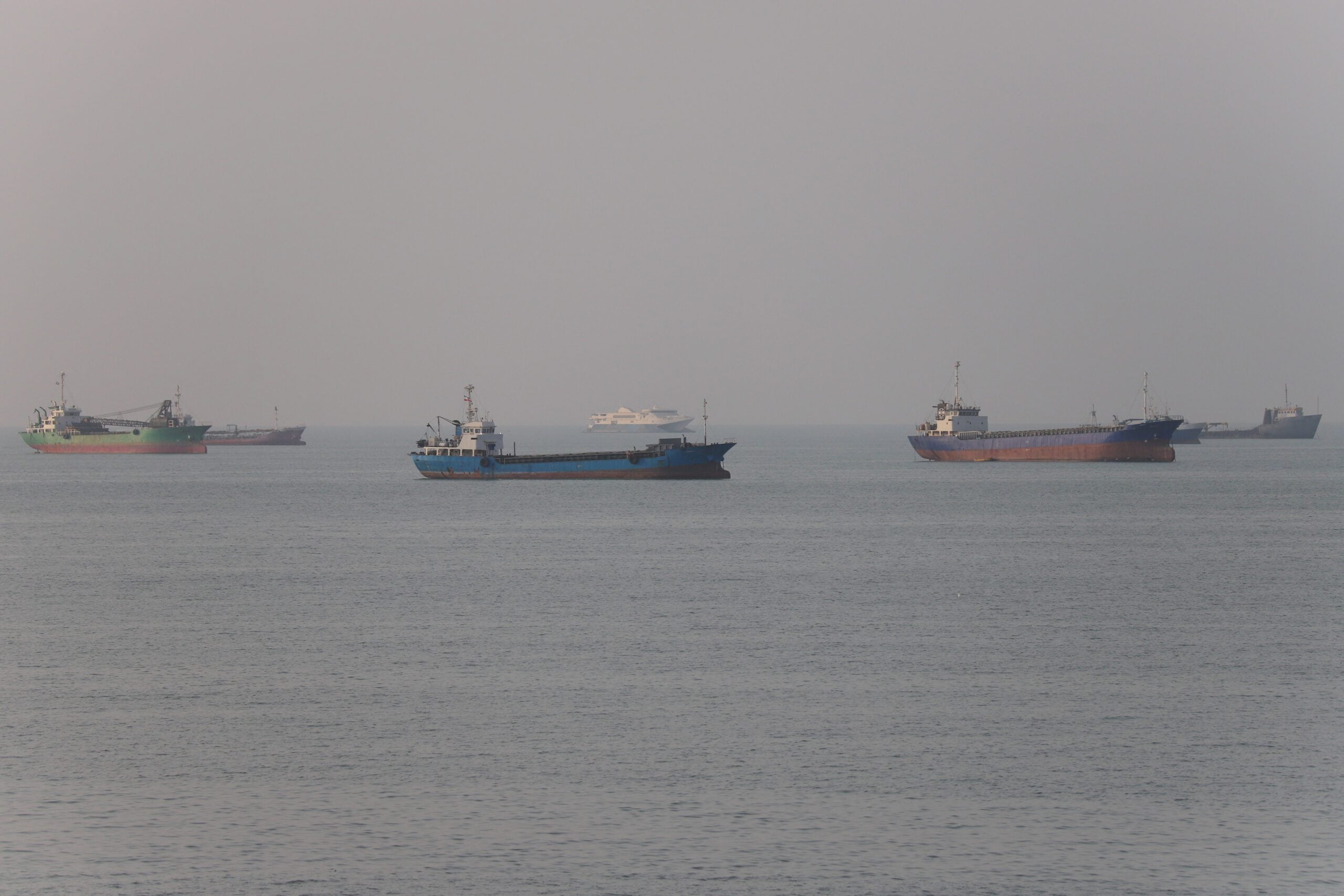
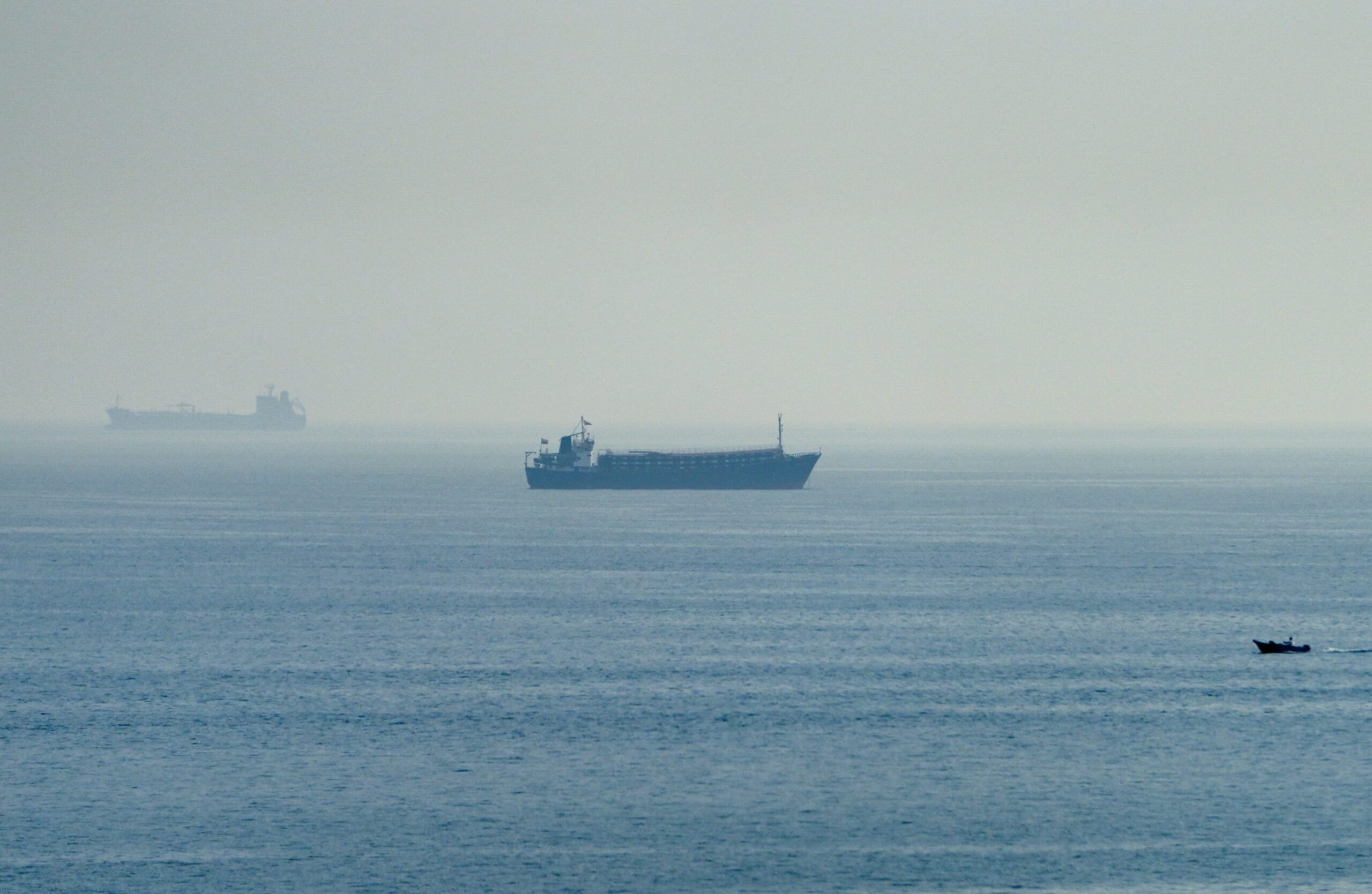
The United States on Thursday imposed sanctions on 22 tankers and dozens of individuals and companies linked to Iran’s oil trade, expanding its campaign to cut off Tehran’s remaining petroleum revenues as a U.S. naval blockade continues to restrict Iranian exports.
The U.S. Treasury Department designated 17 vessels and their associated companies under Operation Economic Outcast, while the State Department announced sanctions against another five vessels, 10 entities and six individuals involved in trading Iranian petroleum and petrochemical products.
Treasury said the latest measures effectively neutralize the vast majority of Iran’s remaining shadow fleet network, a collection of aging tankers and offshore companies that have helped Tehran move billions of dollars worth of oil and petroleum products to foreign markets despite years of U.S. sanctions. But maritime tracking specialists say a substantial number of Iran-linked tankers remain outside U.S. sanctions.
“Treasury is starving the tyrannical regime in Tehran of the money it uses to wage war in the region, and we will continue exposing those who enable the regime’s oil sales,” Treasury Secretary Scott Bessent said.
The sanctions target vessels operating under flags from more than a dozen jurisdictions, with ownership spread across companies registered in the Marshall Islands, Hong Kong, China, the British Virgin Islands and elsewhere.
Among the vessels newly designated by Treasury is the Cameroon-flagged crude oil tanker SHENZHEN (IMO 9276561), which the department said has transported more than 3.5 million barrels of Iranian crude since November 2025.
The Vanuatu-flagged TINA 5 (IMO 9237761) allegedly transported more than 1.5 million barrels of Iranian crude in August alone.
Other vessels targeted in the action have carried naphtha, fuel oil, liquefied petroleum gas, methanol and other petrochemical products to markets across Asia and the Middle East.
The Panama-flagged STARWAY (IMO 9273246), for example, has transported more than three million barrels of Iranian naphtha since 2025, according to Treasury. The Cameroon-flagged KING CHAIN (IMO 9277761) has carried several million barrels of Iranian methanol to China since 2023.
The designations also cover the companies behind the vessels, targeting the ownership and operating networks used to move Iranian cargoes through international markets.
Thursday’s action marks another step in Operation Economic Outcast, launched August 24 as part of the Trump administration’s effort to isolate Iran economically and disrupt the financial networks supporting its government.
The campaign has targeted Iranian petroleum exports, industrial companies and financial intermediaries as Washington combines economic sanctions with a naval blockade that has sharply curtailed Iran’s ability to move crude oil to international markets.
Treasury said the latest designations would further restrict the remaining channels Iran has used to circumvent sanctions and generate revenue from oil and petrochemical exports.
Still, the extent to which the measures have dismantled Iran’s broader tanker network remains difficult to establish. Maritime tracking firm TankerTrackers.com said 173 Iran-linked tankers remain outside U.S. sanctions, despite Treasury’s assessment that most of the remaining shadow fleet has been neutralized.
Treasury acknowledged that the shadow fleet is constantly changing, with vessels entering and leaving the network, and said it would continue identifying and disrupting attempts to evade sanctions.
The department also removed two vessels, HAKUNA MATATA (IMO 9354167) and PINOCCHIO (IMO 9400112), from its sanctions list after determining they had left Iran’s shadow fleet and been sold to operators not subject to sanctions.
Under the latest designations, property and interests in property belonging to sanctioned entities within U.S. jurisdiction are blocked. Foreign financial institutions facilitating significant transactions with designated parties could also face secondary sanctions.
The latest measures add to Washington’s effort to squeeze Iran’s remaining oil revenues through a combination of financial restrictions and military enforcement, further limiting the shipping networks available to move Iranian petroleum to international markets.

 Join The Club