(Bloomberg) —
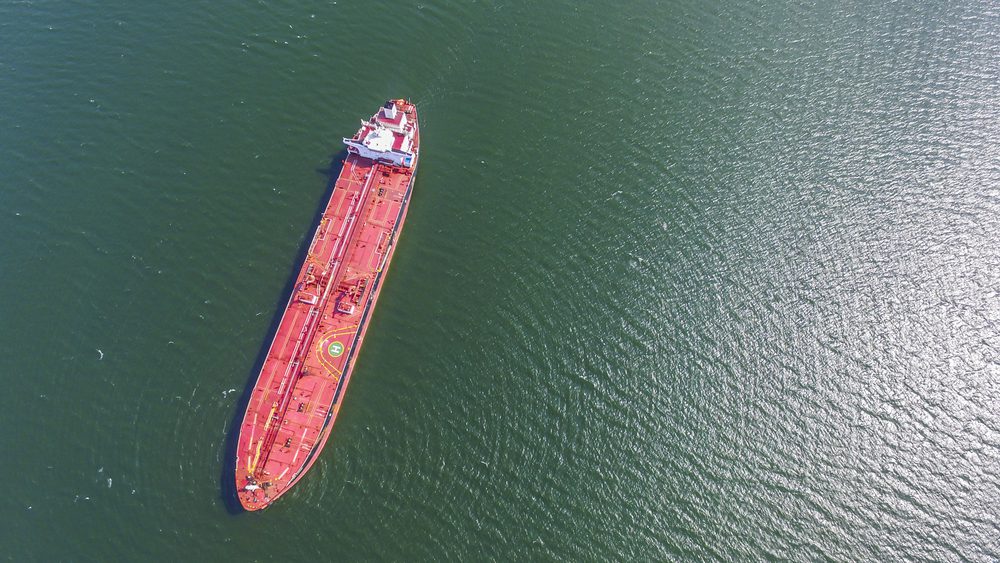
Supertankers are racing to the Middle East to cash in on soaring fees for carrying oil through the Strait of Hormuz, exacerbating a global shortage of vessels that has spiked freight rates.
Crude flows through the waterway, which connects the Persian Gulf to international markets, have recovered to near pre-war levels in recent weeks despite continued attacks on ships. But the perils of the trade have prompted tanker fees to skyrocket: Moving oil from the gulf to East Asia costs more than six times as much as it did prior to the conflict.
More than 40% of the world’s fleet of about 850 very large crude carriers are now either in the Persian Gulf or within a couple of days sailing time from it, according to Signal Ocean, a shipping data provider.
The concentration of vessels in the area is being exacerbated by the so-called shuttling trade where crude is transferred to other ships — which aren’t willing to take the risk of crossing Hormuz — in the Gulf of Oman or at new transshipment points, such as off the west coast of India.
“The recent months have been have been the best of all time for crude tankers,” said Georgios Sakellariou, a freight analyst at Signal Ocean. “The major issue is that the ship-to-ship system outside Hormuz is inefficient and that’s really stretching vessel supply there and elsewhere.”
The number of empty VLCCs heading to Atlantic Ocean ports has halved from a month ago, the Signal Ocean data show. The dearth of supertankers is also changing the composition of the oil fleet elsewhere, driving an increase in the amount of smaller vessels that don’t benefit from economies of scale like the larger carriers do.
Meanwhile, crude producers outside of the Middle East — particularly in the Americas – are still maintaining high levels of output, even as flows from the Persian Gulf rebound. All of this is rippling through oil freight markets worldwide, and supercharging already elevated fees.
At least one VLCC was offered this week to sail from the US Gulf to Japan at a potential record fee of $82 million, or more than $40 a barrel. That’s a 50%-plus increase on the route from just three weeks ago.
For the Persian Gulf to East Asia journey, which takes about three weeks, assessed supertanker rates reached an all-time high of nearly $1.4 million per day on Wednesday. That’s a surge of almost 540% since before the war, compared with an increase of about 40% in Brent oil over the period.
The scarcity and sky-high fees for supertankers have prompted a switch to smaller Suezmax and Aframax vessels for non-Middle Eastern routes. So far, most of the deals to carry US oil loading in November to Asia involve these ships, driving up those costs in turn.
“The VLCC’s smaller sisters, Suez- and Aframaxes, are showing no sign of slowing down either, so there’s really nowhere to hide right now,” shipbroker Fearnleys said in a note on Monday.
© 2026 Bloomberg L.P.

 Join The Club