Iran’s offshore crude stockpile in Southeast Asia is being rapidly depleted as the U.S. maritime blockade prevents fresh barrels from leaving the Persian Gulf, according to new tracking data from United Against Nuclear Iran.
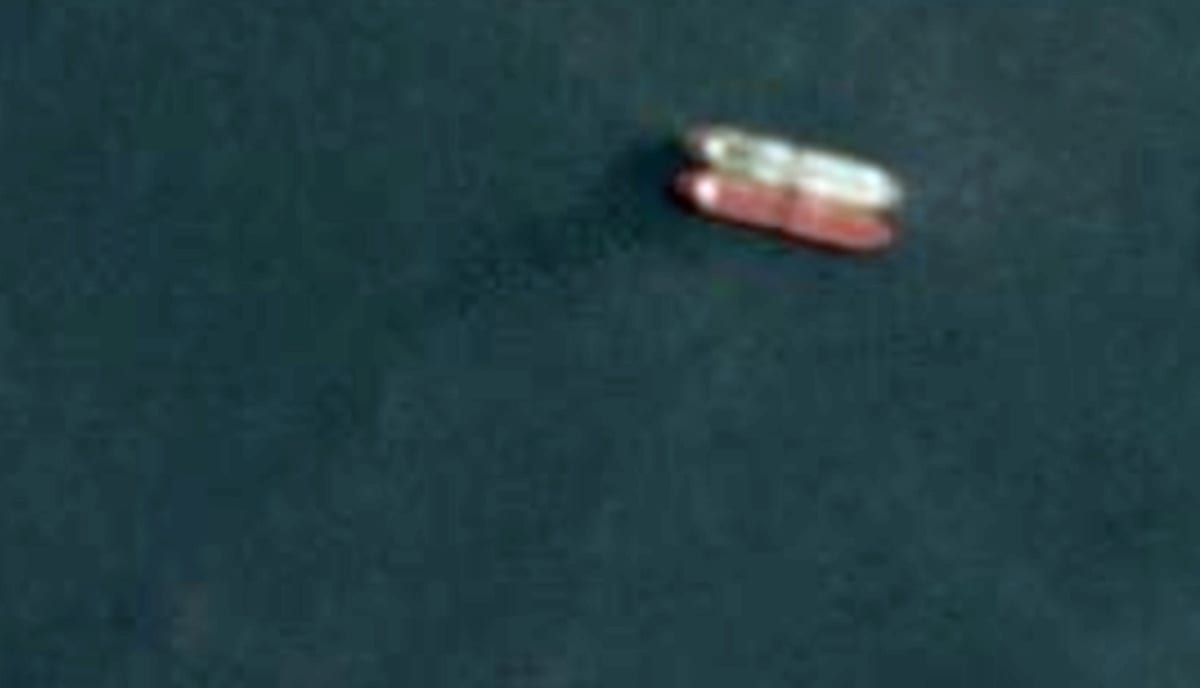
UANI said an estimated 9 million barrels of Iranian crude were transferred through ship-to-ship operations in waters off Malaysia during September, drawing down inventories accumulated before the blockade took effect. The group estimates that no more than roughly 10 million barrels of Iranian crude now remain in floating storage around Malaysia’s Eastern Outside Port Limits, or EOPL.
The drawdown suggests one of Iran’s remaining buffers against the blockade may be approaching exhaustion.
While Iranian crude already positioned outside the Persian Gulf can still be transferred between tankers and delivered to buyers, UANI says no new Iranian crude has crossed the U.S. blockade line since July 14.
“Given that no Iranian crude has made it past the blockade line, Iran’s offshore floating storage in the South China Sea is rapidly dwindling,” the group said.
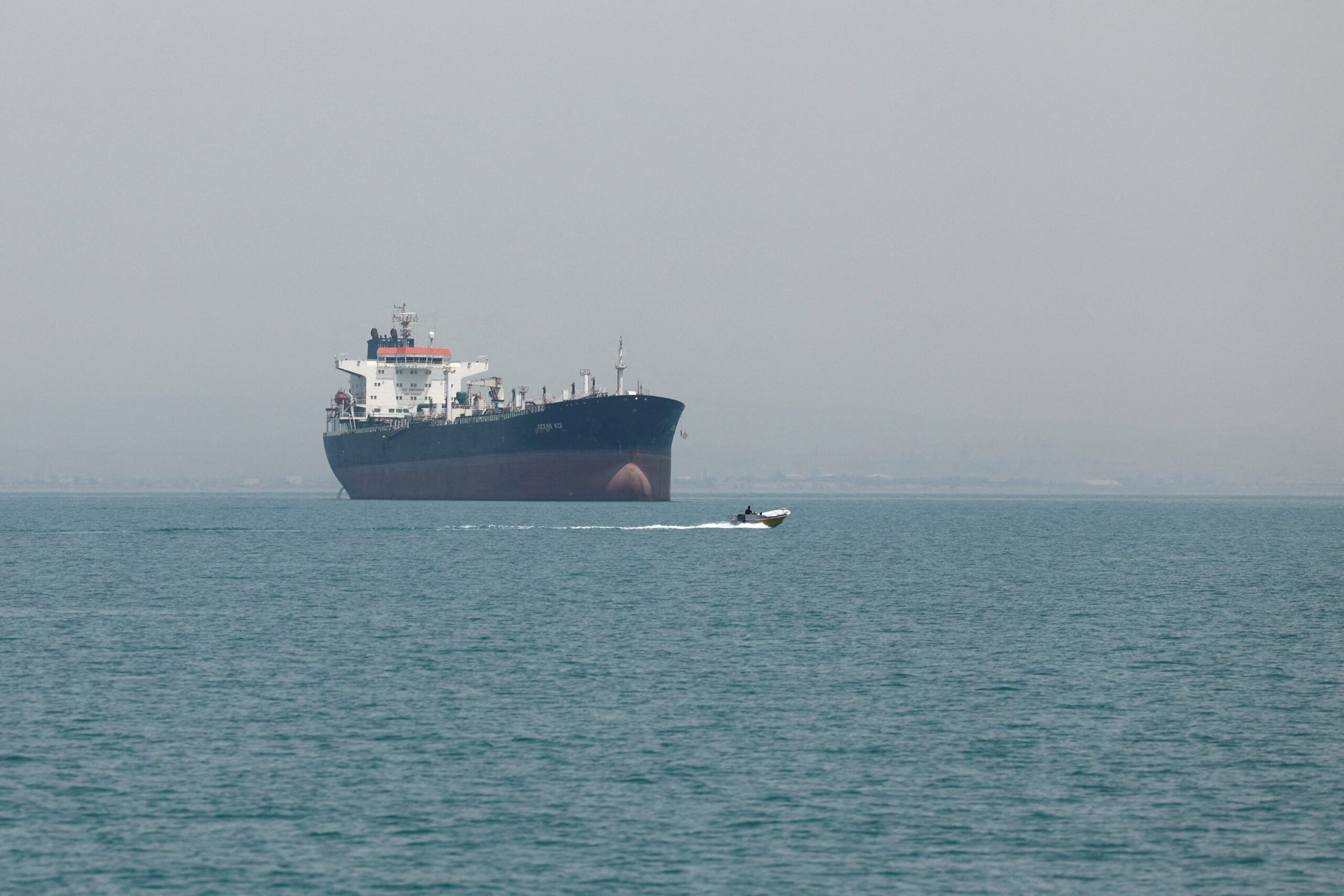
Iranian exports remained near a standstill in September. UANI tracked just three Handymax tankers crossing the blockade line during the month, collectively carrying about 1.52 million barrels of Iranian LPG and methanol, equivalent to an average of 50,789 barrels per day.
The group said satellite monitoring showed no crude oil loadings at Iranian export terminals during September. The limited loading activity that did occur involved LPG, naphtha and fuel oil.
UANI calculates Iranian exports when vessels cross the declared U.S. blockade line rather than when they load cargo, reflecting the number of ships that have been unable to depart Iranian waters. Its monthly data showed Iranian exports falling from 966,133 barrels per day in July to 49,677 bpd in August and 50,789 bpd in September. China, historically Iran’s largest crude buyer, received no newly exported Iranian barrels under UANI’s methodology during September.
The squeeze has increased the importance of oil already stored outside Iran.
UANI said it observed eight ship-to-ship transfers in the Malaysian EOPL during September, including six involving Iranian crude and two involving LPG. The crude transfers totaled an estimated 9 million barrels and were ultimately destined for Chinese independent refiners, commonly known as “teapots.”
The activity has continued despite growing scrutiny of the large network of sanctioned and Iran-linked vessels operating in the region.
UANI said Malaysian authorities carried out targeted enforcement actions around the EOPL shortly before a September field investigation by the group. At least 25 so-called ghost fleet tankers subsequently left the area, while roughly 20 remained.
Some of the vessels appear to have simply shifted their operations north.
The Iran-flagged tanker Hilda I conducted a ship-to-ship transfer of Iranian crude south of Zhuhai on September 17, according to UANI, while Happiness I carried out another transfer south of Hong Kong on September 22. Other vessels relocated to anchorages farther north in the South China Sea following the heightened enforcement activity around Malaysia.
Iran’s tanker fleet is also becoming increasingly dispersed.
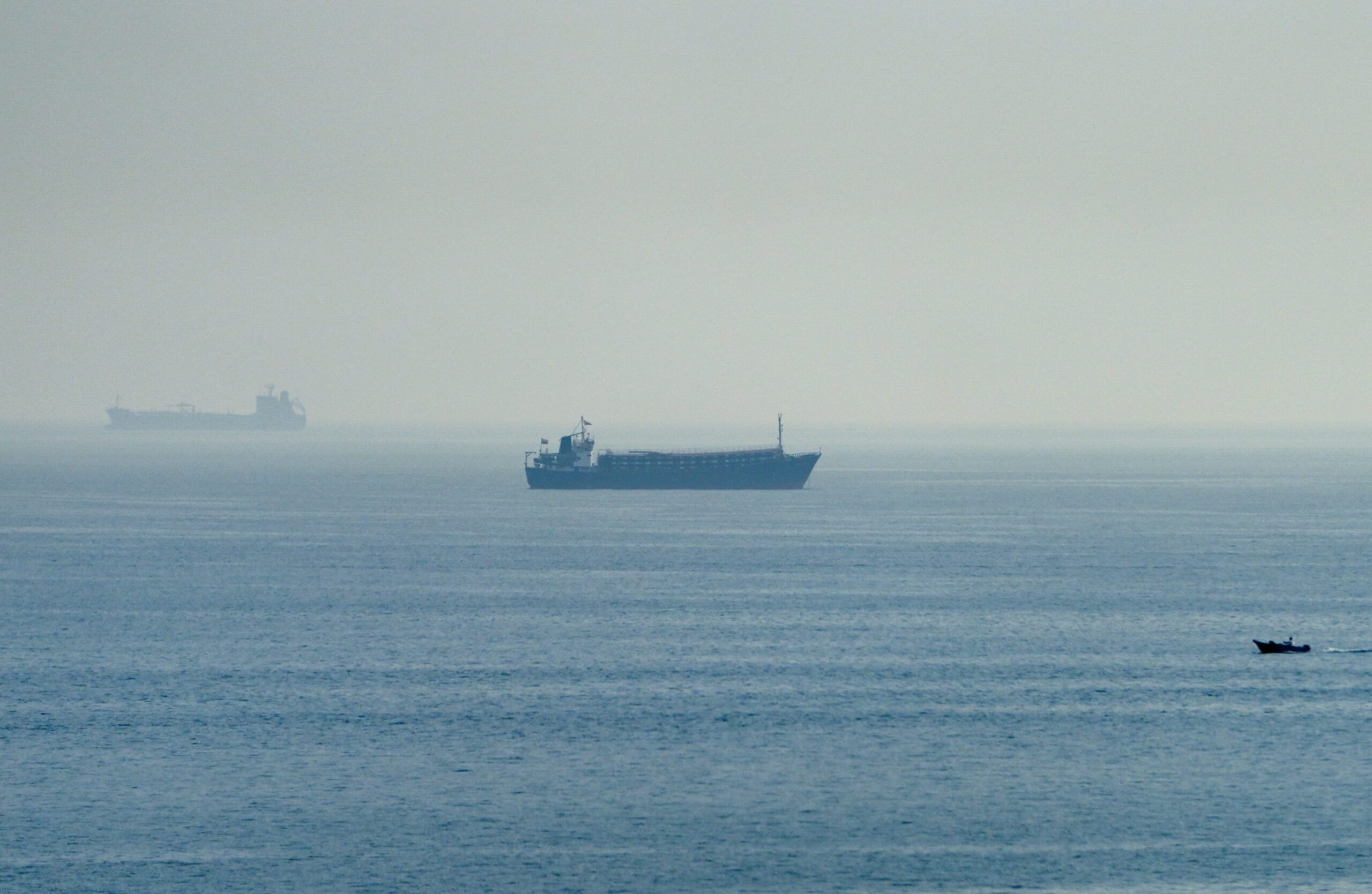
UANI said 20 empty Iran-flagged tankers were loitering off Sri Lanka at the end of September after leaving the Galle anchorage, while another tanker, Diona, remained in deep water off Duqm, Oman. The group said the vessels were unable to return to Iranian ports because of the blockade.
The depletion of offshore storage comes even as oil exports from other Persian Gulf producers have recovered.
Citing Kpler and Vortexa data, UANI said crude exports from major Middle Eastern producers averaged 18.3 million barrels per day during the final seven days of September, the highest level since the conflict began in February. The rebound was driven largely by Saudi Arabia and the United Arab Emirates.
UANI also said the scale of the recovery was initially obscured because some tankers were transiting the Strait of Hormuz with their Automatic Identification System transmitters switched off before reappearing in the Gulf of Oman. That has complicated efforts to measure traffic through the Strait using AIS data alone.
For Iran, however, the trend is moving in the opposite direction.
If UANI’s estimate of roughly 10 million barrels remaining in Malaysian floating storage is accurate, the pool of crude available outside the blockade has fallen sharply. With no new crude reaching those offshore inventories, continued deliveries to China would increasingly depend on drawing down a finite stockpile rather than replacing exported barrels.

 Join The Club