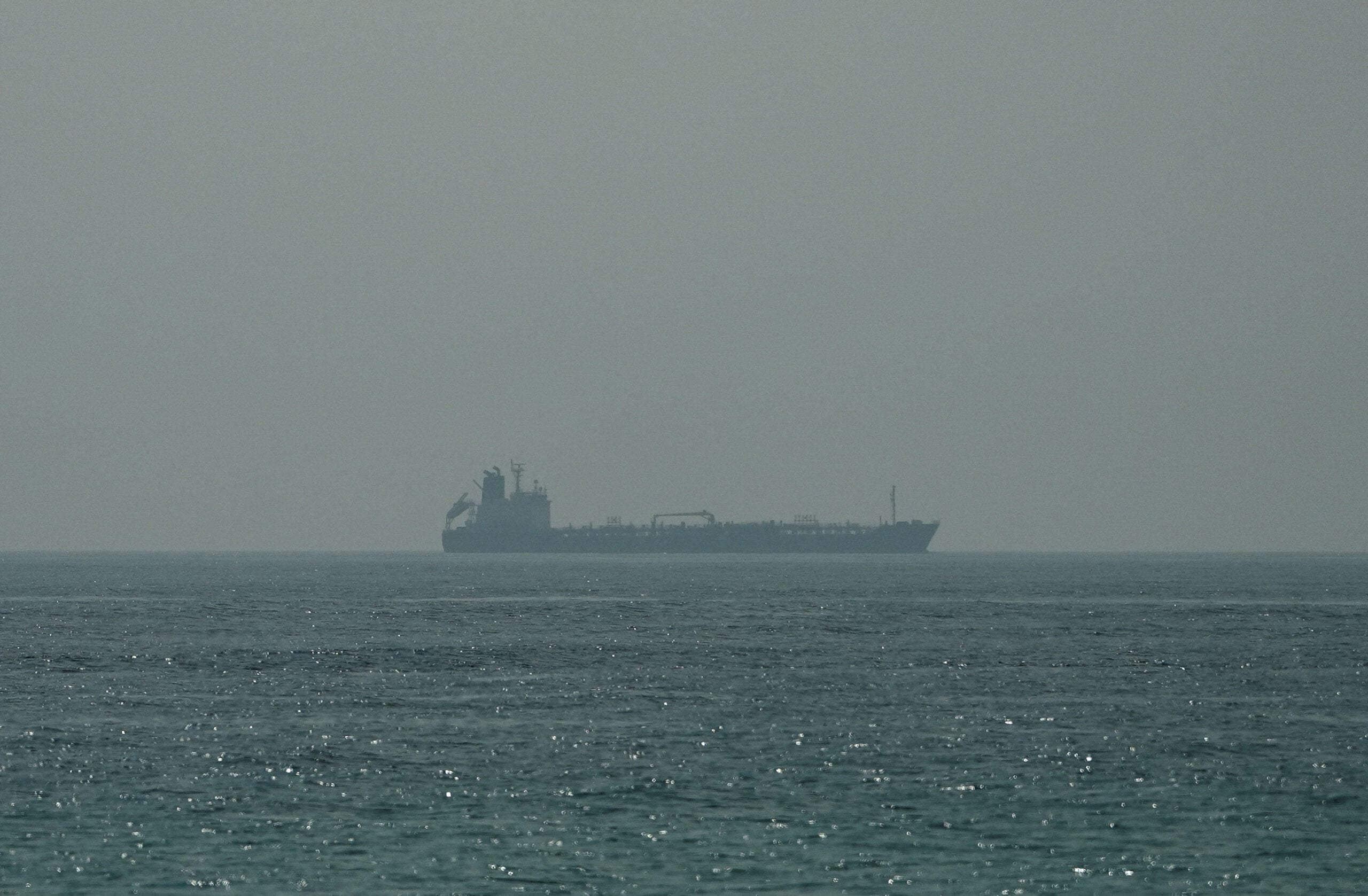
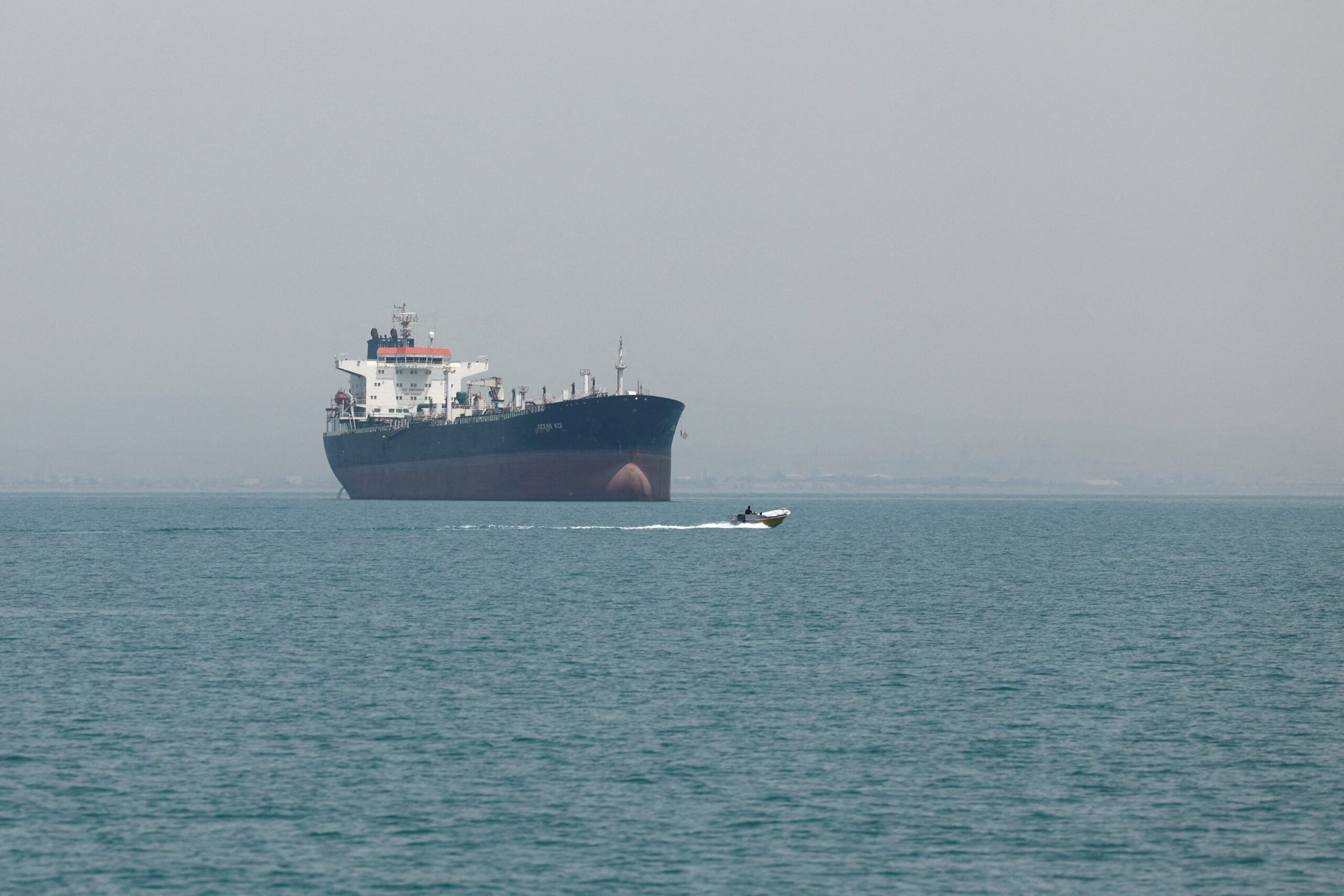
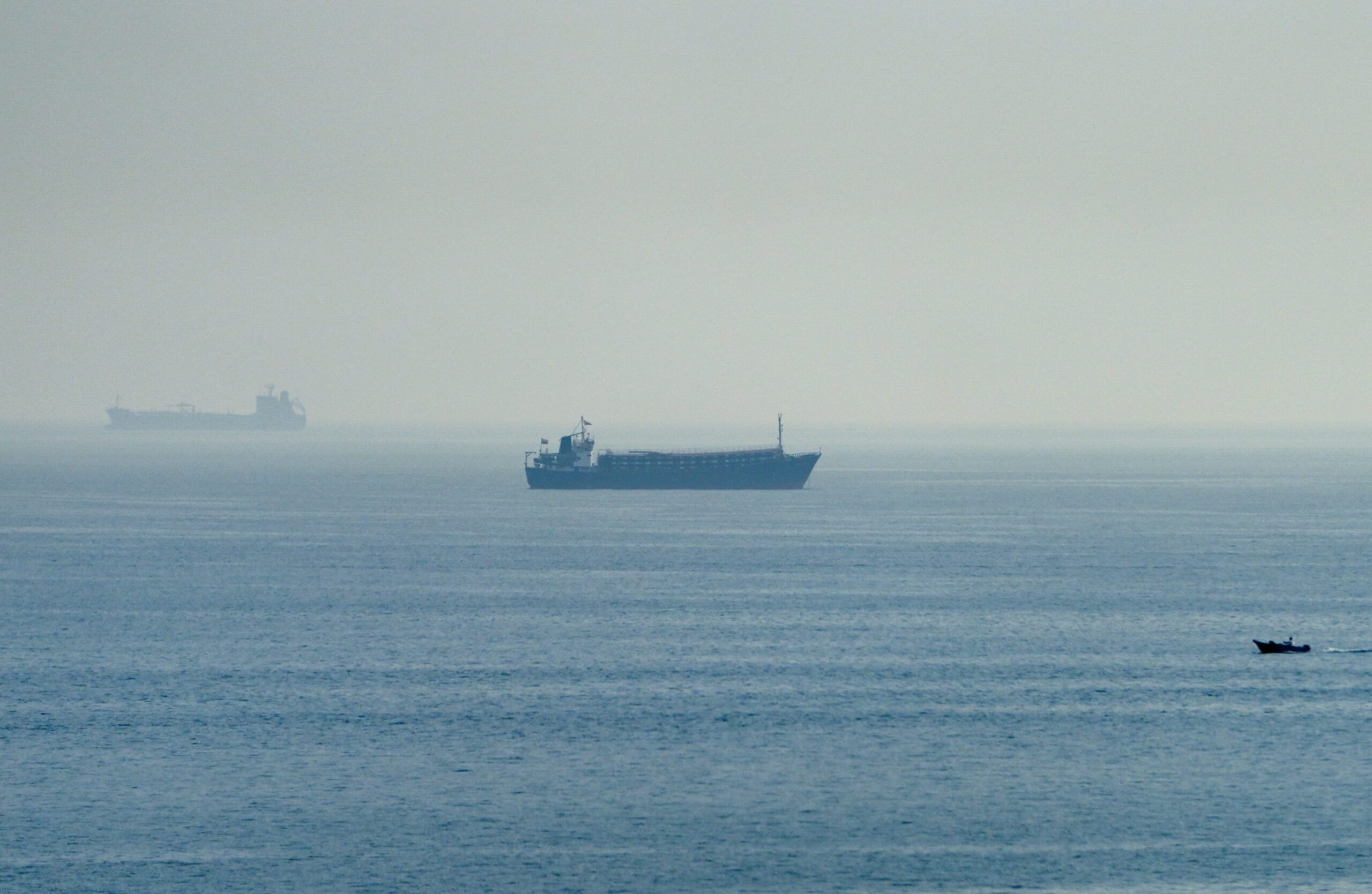
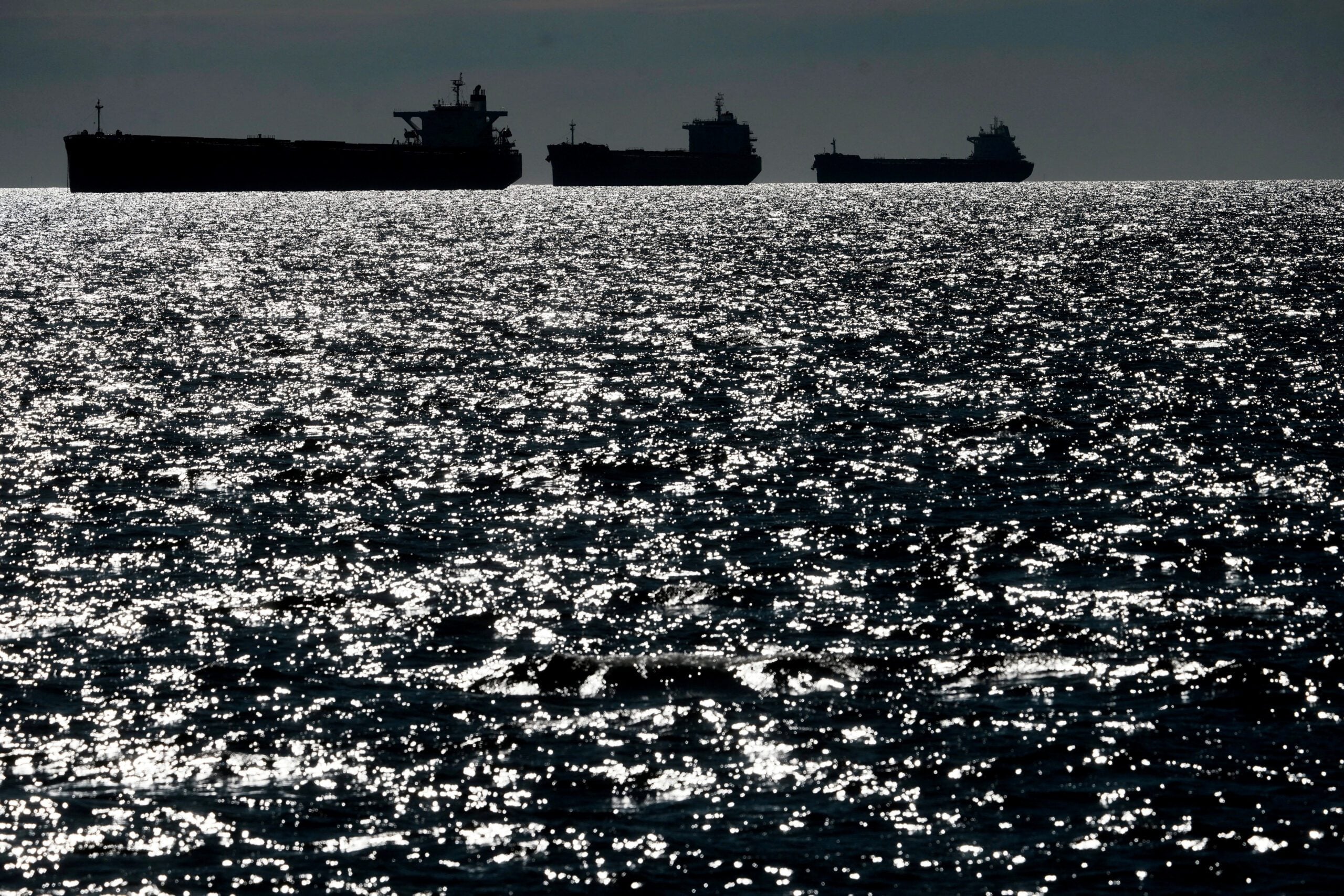
LONDON, Oct 6 – Gulf oil flows excluding Iran surged to over 81% of pre-war levels in September, data showed, led by a recovery in Saudi exports despite attacks on the kingdom’s oil infrastructure and escalating Iranian attacks on regional shipping, while Iranian exports fell to zero due to a US blockade.
The blockade has all but choked off Iranian exports, while other Gulf producers have adapted to attacks on energy infrastructure and shipping by relying on so-called dark transits — switching off tankers’ tracking systems to evade detection — to protect the oil flows that underpin their economies.
Flows of crude, condensate and refined fuels including LPG averaged 19.2 million barrels per day (bpd) from Saudi Arabia, Kuwait, Qatar, Oman, Bahrain, Iraq and the UAE, Vortexa data showed, compared with an average of about 23.6 million bpd in the year that preceded the outbreak of the Iran war on February 28.
Data from Kpler showed total September oil exports at 18.6 million bpd.
CRUDE EXPORTS POST LARGER RECOVERY, PRODUCTS LAG
Crude and condensate flows recovered to 91% of their pre-war levels of 16.3 million bpd, Vortexa data showed. But exports of refined fuels, including LPG, remain at 60% of their pre-war levels of 7.3 million bpd.
The decline in fuel exports has exacerbated global shortages of diesel and jet fuel, contributing to record or near-record prices in several markets. The Middle East is a key supplier of such fuels, making regional disruptions particularly significant for global consumers.
“Daily flows are considerably more volatile than before the war, so the key question is whether recent levels can be sustained,” Vortexa analyst Claire Jungman said.
According to Kpler data, Saudi Arabia drove a sharp recovery in overall Gulf crude and condensate exports in September, with shipments rising by about 4.2 million bpd from August to 6.6 million bpd.
Drone attacks forced Saudi Arabia to shut its East-West Pipeline last month, temporarily halting crude loadings at the kingdom’s Yanbu oil port on the Red Sea.
Saudi Arabia’s rebound more than offset declines elsewhere in the Gulf, accounting for all of the region’s net export growth and more, as exports recovered from disruptions that had depressed flows in previous months.
Kpler data showed combined crude and condensate exports from Saudi Arabia, the United Arab Emirates, Iraq, Oman, Kuwait, Qatar and Iran rose to about 14.7 million bpd in September from 10.8 million bpd in August.
The rebound came even as Iranian exports fell to zero and exports from Kuwait and Qatar declined. Higher Saudi shipments more than offset those losses, while exports from the UAE and Iraq also increased.
(Reporting by Ahmad Ghaddar, editing by Alex Lawler and Hugh Lawson)
(c) Copyright Thomson Reuters 2026.

 Join The Club