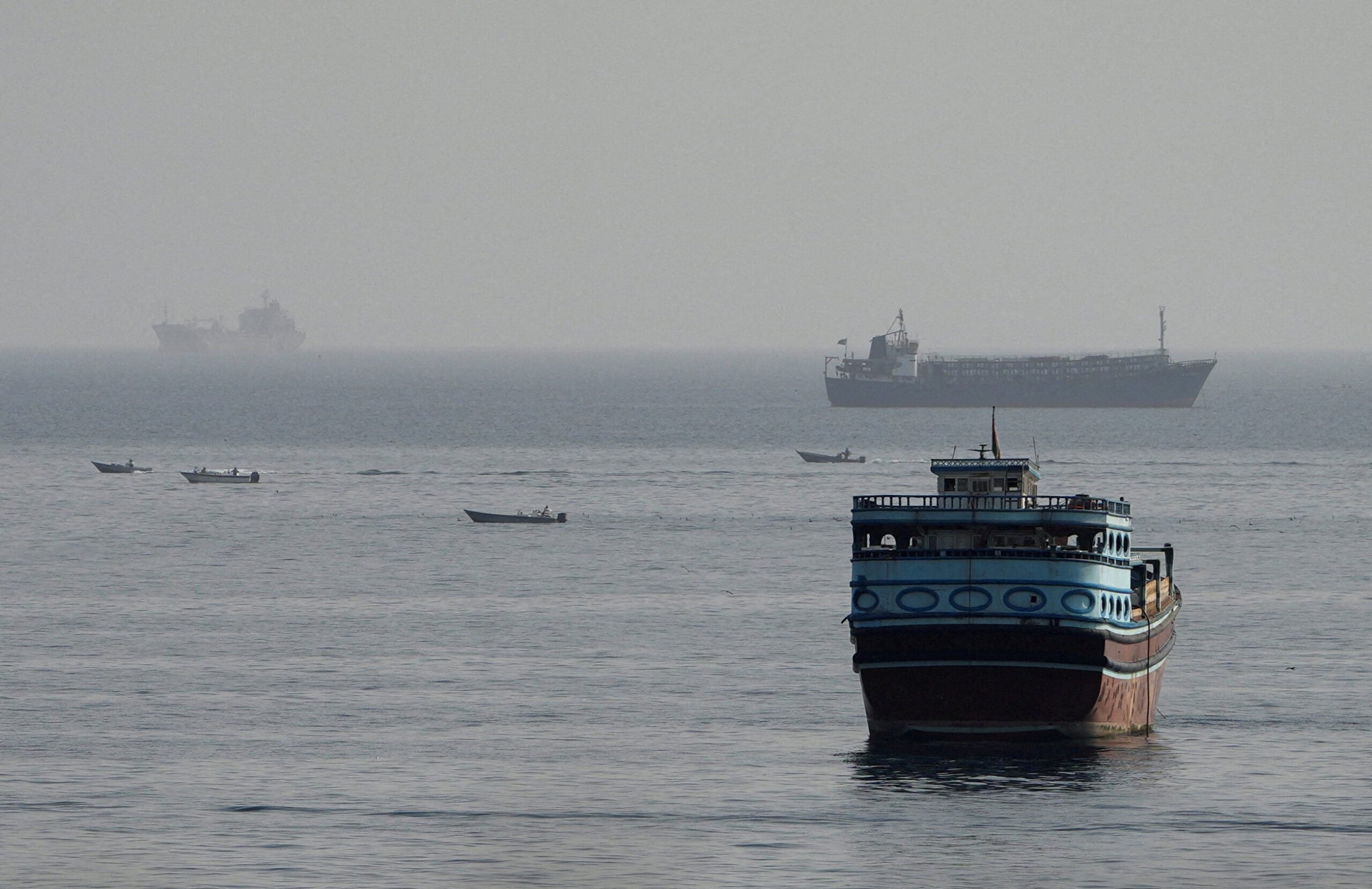
UK Maritime Trade Operations reported five separate incidents involving commercial shipping in or near the Strait of Hormuz on Monday, including four tanker attacks and an incident in which Iran’s Islamic Revolutionary Guard Corps threatened another vessel with attack.
Three of the four attack notices were time-late reports covering incidents from October 3 and 4, while the latest strike occurred Monday afternoon. The concentration of reports underscores both the intensity of the recent violence and the difficulty of establishing what is happening in the Strait in real time.
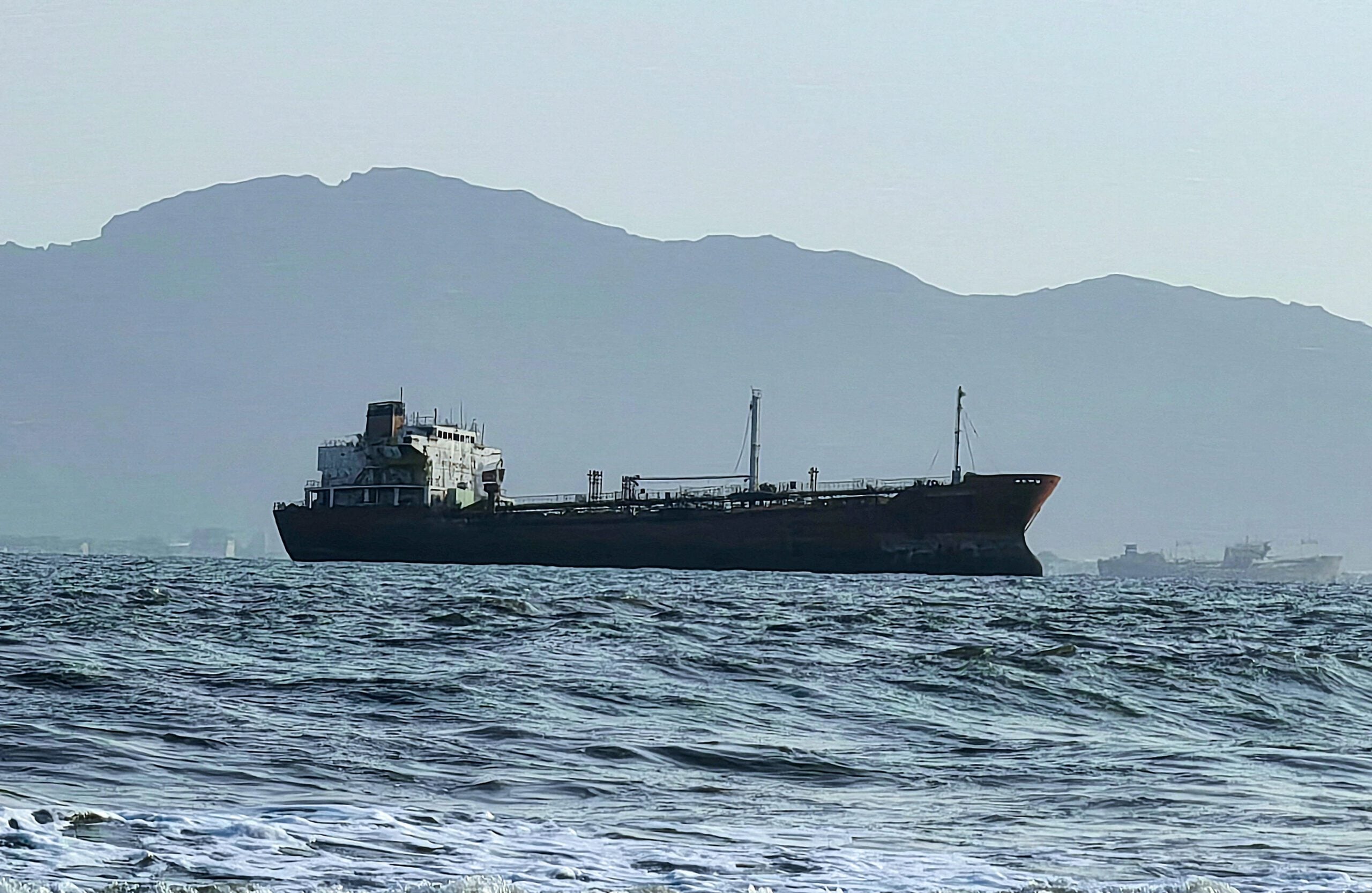
The latest incident, UKMTO 156-26, occurred at 1637 UTC Monday when the master of a tanker reported being struck by an unknown projectile while transiting the Strait of Hormuz.
The strike caused a fire in the vessel’s engine room, which the crew was fighting when UKMTO issued its warning. No casualties or environmental impact had been reported.
The attack followed four other Hormuz-related notices issued earlier Monday.
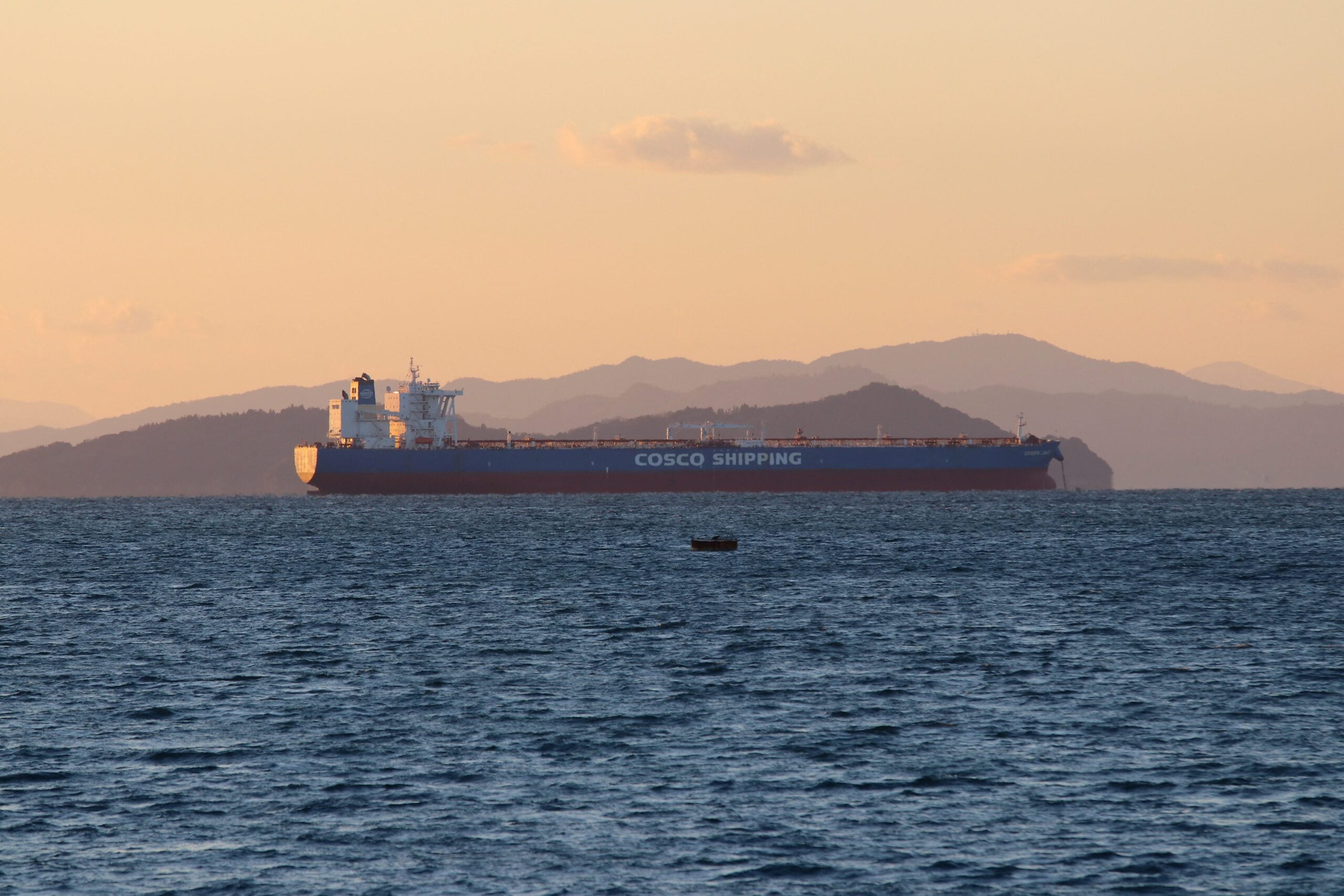
Two were time-late reports from October 4. UKMTO said an inbound LPG tanker was struck by an unknown projectile at 1716 UTC, followed less than two hours later by a crude oil tanker struck at 1907 UTC.
Another delayed report said a crude oil tanker was struck above the waterline by an unknown projectile on October 3. UKMTO did not provide an incident time, making it unclear whether the event represents an additional attack or overlaps with one previously reported.
In another notice Monday, an inbound tanker approximately 11 nautical miles north of Khasab, Oman, reported being hailed by the IRGC and ordered to turn around or face being targeted. The master complied.
Taken together, UKMTO disclosed four attacks and one direct threat against commercial shipping in the Hormuz area on Monday, although three of the attacks had occurred during the previous two days.
The reports follow an already violent stretch in the Strait.
The Joint Maritime Information Center’s October 4 update documented four confirmed tanker attacks between October 2 and October 3, all involving unknown-projectile strikes on vessels transiting Hormuz. JMIC said attacks were continuing along the Omani side of the Strait.
One tanker reported a drone entering its funnel and dropping into the engine room, causing a small fire and temporary loss of power. Another was struck on its port quarter and briefly lost power before continuing toward Fujairah with tug assistance. A third lost propulsion following another projectile strike.
CENTCOM Says 130 Ships Redirected
The surge in attack reporting came as U.S. Central Command released new figures Monday on enforcement of the U.S. naval blockade against Iran.
CENTCOM said U.S. forces redirected the 130th commercial vessel on October 5 as part of enforcement against ships attempting to enter or depart Iranian ports. The blockade resumed July 14.
The command said American forces have also disabled three vessels that refused to comply and destroyed 13 commercial vessels over the past 12 weeks that it said were either violating the blockade or part of the IRGC’s shadow network.
“The U.S. military remains intensely focused on this mission,” said Adm. Brad Cooper, commander of CENTCOM. “We will swiftly act against any vessels trying to run the blockade.”
CENTCOM advised mariners operating in the Gulf of Oman and Strait of Hormuz approaches to monitor Notice to Mariners broadcasts and contact U.S. naval forces on VHF Channel 16.
The blockade targets vessels attempting to enter or depart Iranian ports, while neutral commercial traffic through the Strait remains permitted.
Monday’s flood of incident reports suggests the recent surge in attacks is continuing, while the time-late notices underscore how the full scale of the violence may only become clear hours or days after individual incidents occur.

 Join The Club