By Alex Longley, Anthony Di Paola, Grant Smith and Weilun Soon
Aug 16, 2026(Bloomberg) –Middle Eastern oil producers are pressing ahead with shuttling large volumes of crude out of the Persian Gulf, helping keep a lid on prices and assuaging fears of an energy-driven inflation spike, even as the Iran war drags on.
The trade of ferrying oil through the Strait of Hormuz undetected to transfer the barrels onto tankers in the Gulf of Oman is running at full tilt, despite recent attacks on vessels, people with knowledge of the shipments said.
The incognito crossings of the world’s most vital energy chokepoint have become a major lifeline for global markets that were bracing for a much worse supply shock when the Iran war broke out. For producers in the region, the situation is far from normal, however, with ships subject to repeated hostility even though they have some military protection, the people said.
The shuttling has been ongoing for months, but tracking how much oil those “dark” ships are moving is a challenge for traders and analysts alike because vessels are protecting themselves by giving little clue about their locations. The volumes are running higher than market estimates of 4 million barrels a day, the people said, without specifying by how much. They spoke on condition of anonymity given the sensitivity of the matter.
Before the Iran war, about 20 million barrels a day crossed Hormuz, roughly a fifth of the world’s oil supply. Last week, US Energy Secretary Chris Wright said that 9 million barrels a day crossed Hormuz over the previous seven days — a figure that surprised many traders and would be on the high end of estimated flows, at almost half of pre-war rates.
The embattled shipments are one of the reasons that Brent oil futures have spent much of August trading between $80 and $90 a barrel, traders and analysts say. That’s far from the most alarming levels foreseen at the onset of the conflict if the Iran war lingered through the summer. Some were bracing for $150 oil.
The dark shuttle transits have combined with pipeline workarounds, stockpile releases and reductions in demand across the world to limit the economic hit from the war.
“Despite the repeated targeting of our vessels, we are determined to continue meeting our responsibility to safely deliver energy to global markets and to meet our customer commitments and needs as much as possible,” the United Arab Emirates’ state oil giant Abu Dhabi National Oil Co. said in response to a request for comment for this story. “Like other energy companies in the region, we continue to bear the direct consequences of unprovoked attacks on our people, our ships and our facilities — attacks that place employees, contractors and seafarers at increased risk while disrupting critical energy flows.”
In addition to the UAE, barrels from Iraq, Qatar and Kuwait have all been ferried through Hormuz, according to vessel-tracking data compiled by Bloomberg, as well as Kpler and Vortexa data.
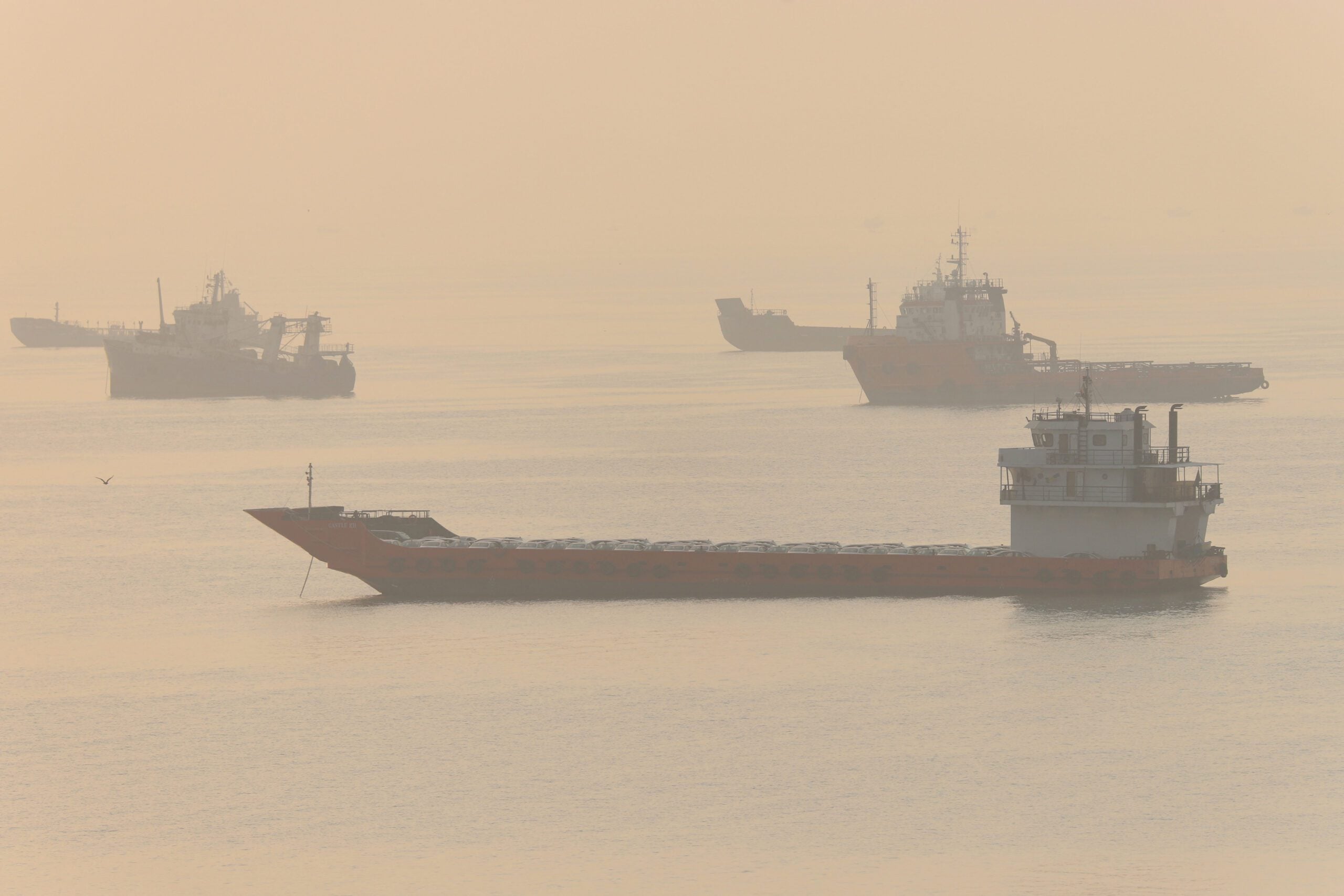
The shuttle trade shows up clearly outside the Strait of Hormuz off the coast of Oman, where around 150 ships from giant oil tankers to bulk commodity carriers are floating — compared with roughly 40 in January, based on data from the European Union’s Sentinel 1 satellite. Many are waiting for cargo transfers from the vessels that are sailing in and out of Hormuz with their transponders turned off.
People with knowledge of the UAE’s shipments said there was little indication of a slowdown, even after it reported more Iranian attacks on its ships in recent days. Adnoc has already sold about 135 million barrels of crude to buyers across the world and issued another round of sales last week.
Still, exporting large amounts of oil in the middle of a war is far from straightforward. The people with knowledge of Hormuz transits said there had been more incidents involving vessels than were publicly recognized, including both attacks on merchant ships and defensive actions by western forces targeting vessels that harass freighters trying to cross the waterway.
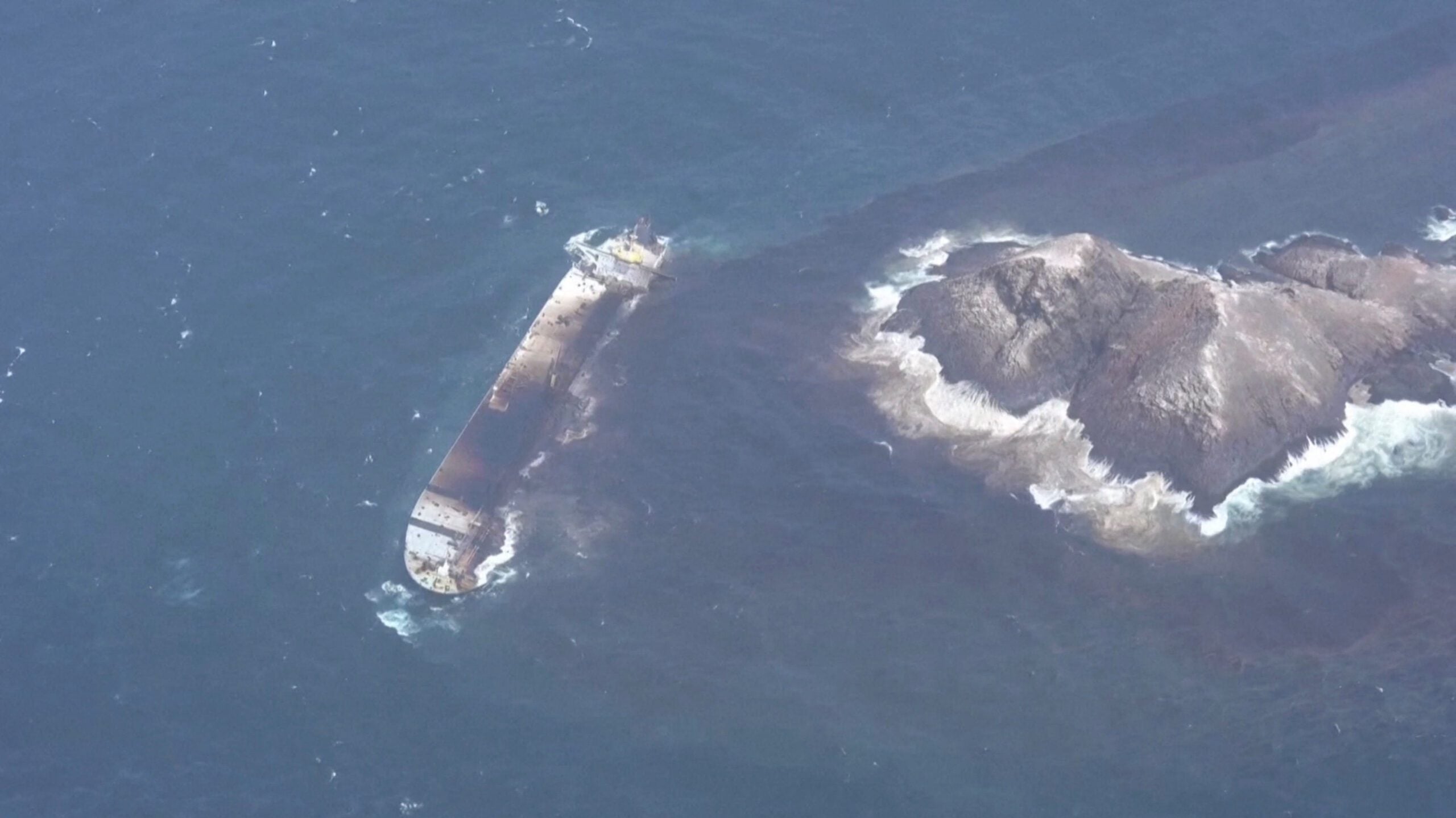
They offer a reminder that the cost of keeping energy prices low across the globe isn’t without risk — several seafarers have died transiting Hormuz and there are a growing number of regional oil spills. One appeared in satellite images in the Gulf of Oman last week, but there was no sign of where it came from, underscoring the clandestine nature of transits.
Since the beginning of the conflict, 23 of Adnoc’s vessels have been attacked while transiting Hormuz, resulting in one fatality and 20 injuries to crew members, the company said, adding the impact was also felt by businesses and households around the world.
“An attack on the infrastructure that keeps energy flowing is not simply an attack on a company,” it said. “The disruption in the Strait of Hormuz is inflicting profound damage far beyond those directly impacted in this region.”
Read Also: Major Salvage Effort Begins for Grounded Shadow Fleet Tanker Off Oman
The attacks can occasionally delay shipments, and while hold-ups are usually brief, they add to market uncertainty, buyers in Asia said.
Saudi Shipments
One country that hasn’t yet been shuttling large volumes of its own barrels is Saudi Arabia. However, there are tentative signs of more activity from the kingdom’s ports inside the Persian Gulf, now that its alternative Red Sea route is being threatened by Yemen’s Iran-backed Houthi militants.
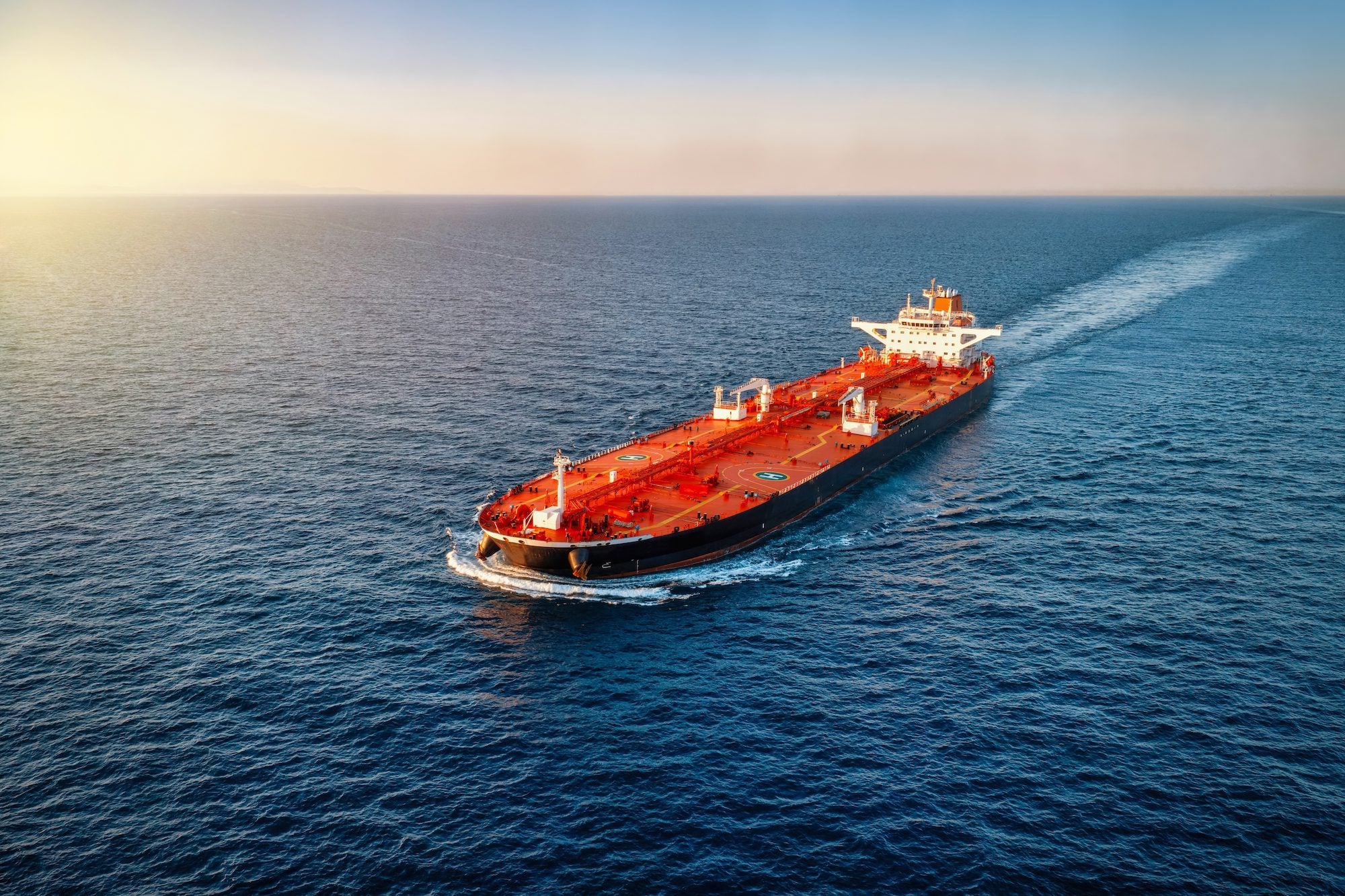
Two ships were seen loading at Saudi Arabia’s giant Ras Tanura export hub in the Gulf last week, while the nation’s tanker company Bahri has been steadily positioning vessels off Oman’s coast, where the transfers from shuttling vessels are carried out. In total, 16 supertankers are there now, with three more on the way in the coming days. Collectively they can haul 38 million barrels.
Oil producer Saudi Aramco declined to comment. Bahri didn’t respond to a request for comment.
Elsewhere, a handful of companies have recently been buying Iraqi barrels and shuttling them out of Hormuz, providing an outlet for one of the Gulf countries that has struggled most to move its barrels during the war.
In addition, vessel-tracking data compiled by Bloomberg, as well as Kpler and Vortexa data, show that cargoes from Qatar and Kuwait have also left Hormuz under shuttling arrangements.
Insurers say that they’re seeing a steady stream of requests for business from a range of Gulf producers, too.
“It’s a dark trade,” said Pankaj Khanna, chief executive officer of Heidmar Maritime Holdings Corp. “It’s the only option right now as not all owners are willing to take the risk.”
© 2026 Bloomberg L.P.

 Join The Club