Global container shipping rates climbed 7% this week to $1,927 per 40-foot container, snapping a three-week decline that had pushed spot rates to their lowest levels since January 2025, according to the latest Drewry World Container Index.
The recovery was driven primarily by rate increases on Transpacific and Asia-Europe trade routes, with carriers adopting a new tactical approach to rate management. Spot rates from Shanghai to Los Angeles jumped 8% to $2,256 per 40-foot container, while Shanghai to New York rates rose 6% to $2,895.
In a notable shift from industry practice, some carriers have abandoned traditional biweekly General Rate Increases in favor of weekly adjustments. “Instead of announcing large hikes that tend to erode quickly, carriers are now introducing smaller, more frequent increases to maintain consistent upwards pressure on spot rates,” according to the Drewry assessment. The strategy appears to have proven effective, with forecasters expecting stable rates in the coming week.
Asia-Europe trade lanes showed even stronger gains, with Shanghai to Genoa rates surging 15% to $2,648 per 40-foot container, while Shanghai to Rotterdam edged up 4% to $2,241. Unlike the Transpacific route, Asia-Europe has now sustained rate levels for three consecutive weeks, with carriers leveraging Freight All Kinds (FAK) increases to support spot rates ahead of annual contract negotiations.
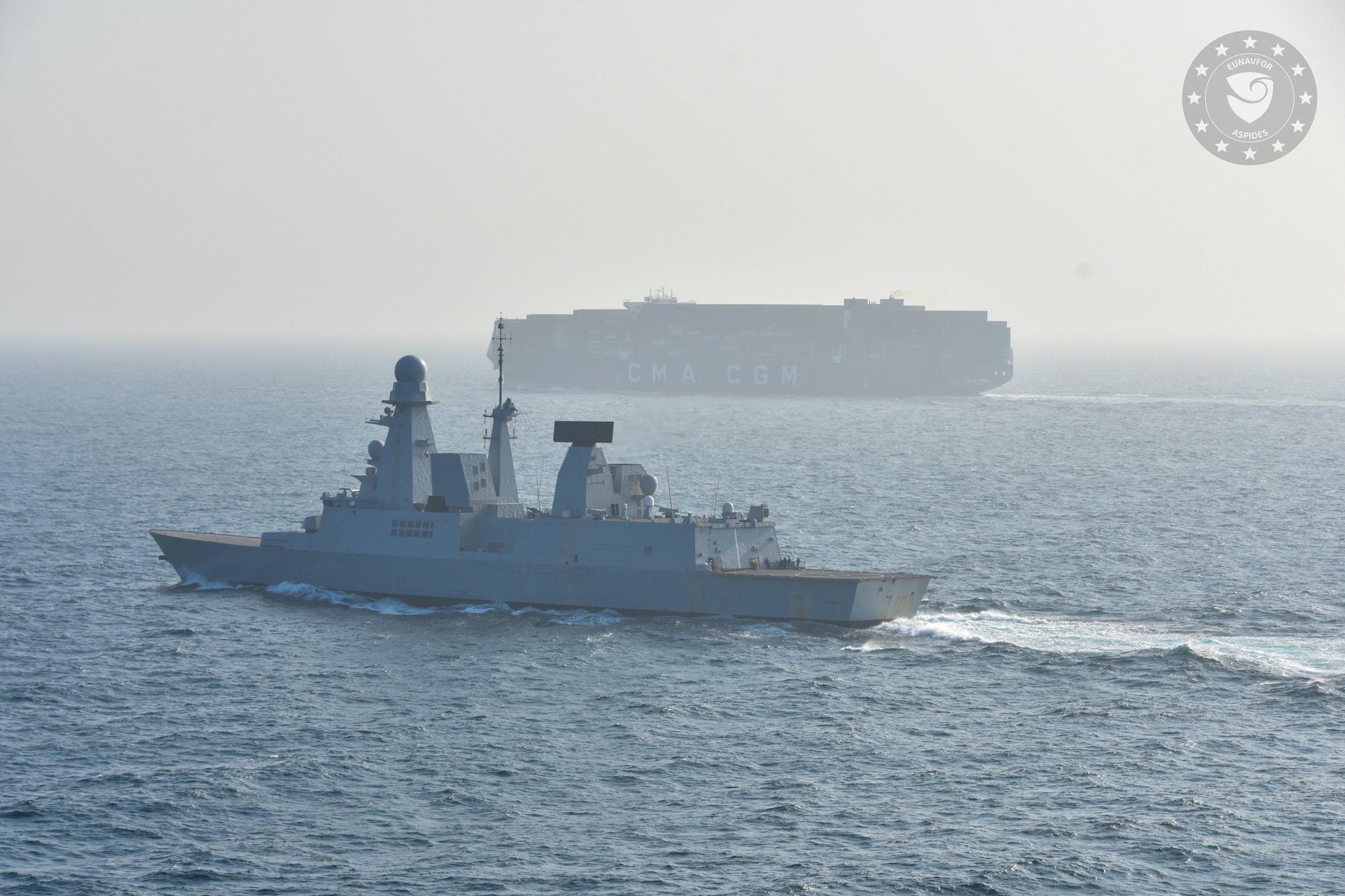
However, uncertainty surrounding the Suez Canal continues to add volatility to Asia-Europe lanes. “Carriers continue to view the Suez as the natural route between the two regions,” the assessment noted. A full resumption of canal transits would return significant capacity to the market and likely pressure rates downward, though the effect would be gradual due to potential port congestion following the realignment of East-West shipping networks.
The rate recovery comes as the container shipping industry navigates a complex market, balancing capacity management with seasonal demand patterns, the effects of earlier front-loading, and ongoing geopolitical disruptions affecting major trade routes.
Editorial Standards · Corrections · About gCaptain

 Join The Club