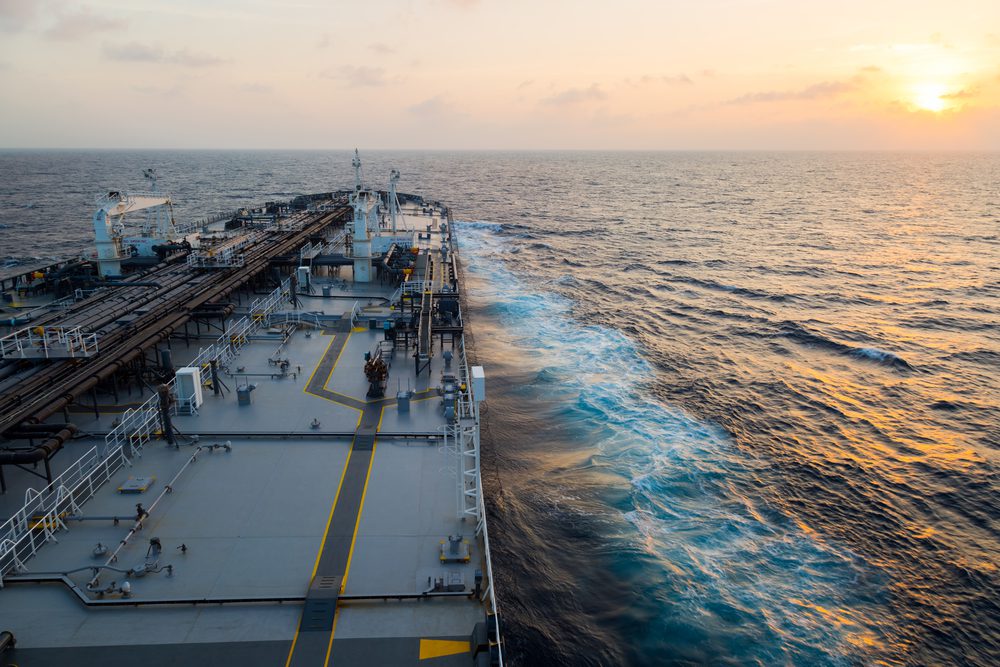
By Julian Lee and Rong Wei Neo (Bloomberg) — Chinese refiners are snapping up Russian oil that India is shunning, helping Moscow to overcome a dip in purchases by the country that’s normally its biggest buyer of seaborne barrels.
Deliveries of Russian crude to Chinese ports rose to 2.09 million barrels a day in the first 18 days of February, vessel-tracking data compiled by Bloomberg show. The increase — from 1.72 million barrels a day in the whole of January and 1.39 million in December — has more than offset a drop from India.
Russia’s ability to find buyers for its oil is vital for the Kremlin as the war in Ukraine approaches the four-year mark, with millions of barrels building up at sea, and signs that production and drilling rates are under pressure. At the same time, India’s refiners have been pressed by the US to eliminate crude purchases from Moscow, although how deep and lasting the cuts are will hinge on progress in trade talks between Washington and New Delhi.
Imports of Russian oil into India have remained at about 1.2 million barrels a day in recent months, down from 1.78 million in November, and about 40% below a recent peak seen in June last year.
The switch to China is affecting all Russia’s export grades, with an increasing number of Urals cargoes from Baltic and Black Sea ports, as well as Arctic shipments, making their way to the world’s top importer.
Shipments of Urals crude loaded for China soared to 600,000 barrels a day in December, the tracking shows. That’s the highest in data going back to 2018. With more than 20 cargoes yet to discharge, and about half of those still showing no final destination, that figure could still rise.
When India first started turning away from Urals in August, China’s refiners — including Shandong Yulong Petrochemical Co. — swooped to grab distressed cargoes, snapping up at least 10 of them.
Just months later, the mega-refining complex emerged as China’s single-largest buyer of Urals after UK and EU sanctions cut it off from mainstream sour grades, forcing a pivot to Russian crude. The refiner also takes the sweeter ESPO variety shipped from Russia’s Far East.
Now, more private Chinese refiners are considering Urals due to deeper discounts. Prices for the grade delivered to China went as low as $12 a barrel below ICE Brent, according to traders involved in the trade, as India has shifted away from such cargoes in recent weeks.
“China is now enjoying a massive incentive to bring in the Russian crude, given they are the buyer of last resort for any stranded oil,” said June Goh, senior oil market analyst at Sparta Commodities SA. They can also stockpile the barrels given the tense geopolitical climate at present, she said.
Still, the transition from India to China hasn’t been entirely smooth for Russia’s oil exporters. Cargoes are taking much longer to deliver.
That’s partly the result of the longer distances. Shipping crude from the Baltic to China’s Shandong Province, home to most of the country’s private refiners, involves a voyage of about 14,500 miles (23,300 kilometers). That compares with about 8,800 miles to Jamnagar on India’s west coast.
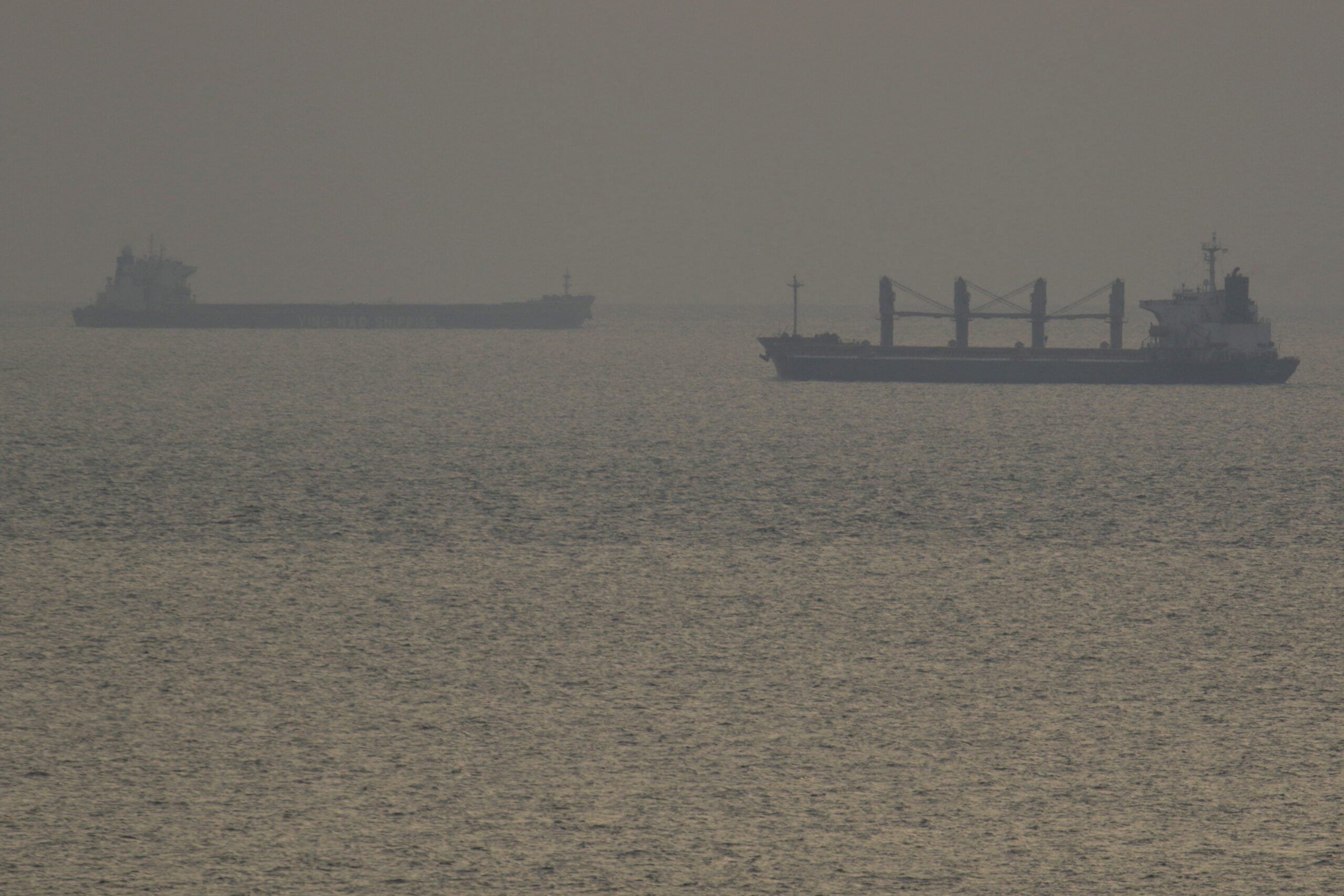
Journeys have also been delayed, with several cargoes spending weeks anchored off the coast of Oman, in the Gulf of Suez, or amid the islands of Indonesia’s Riau archipelago near Singapore.
The delays and longer voyages have combined to boost the amount of Russian oil on the water — including floating storage, as well as in transit — to about 140 million barrels. That’s an increase of more than 60% since the end of August, when the switch to China began to be felt.
Whether Indian refiners will return to buying Russian crude may determine if, and how quickly, those stranded barrels are soaked up. In the past, Russia has found ways to keep its oil flowing to India despite sanctions on its ships and companies.
© 2026 Bloomberg L.P.
Editorial Standards · Corrections · About gCaptain
This article contains reporting from Bloomberg, published under license.

 Join The Club