By Ana Mano
Jul 14, 2026 (Bloomberg) –The first container ship to run on Brazilian-made ethanol fuel is scheduled to sail early Tuesday from the port of Santos, an unprecedented test for the nation’s biofuel industry that marks a key step toward cutting emissions in maritime transportation.
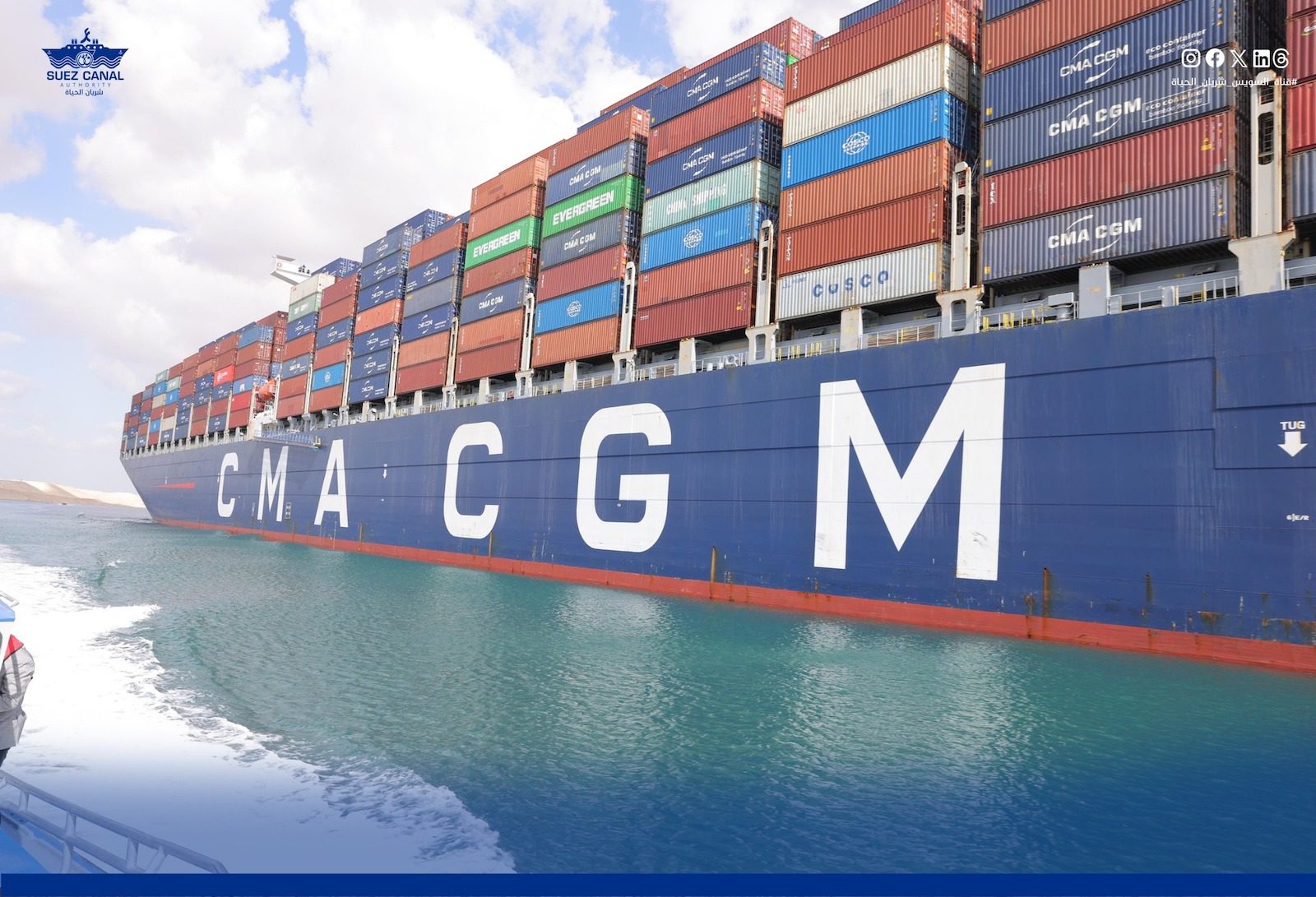
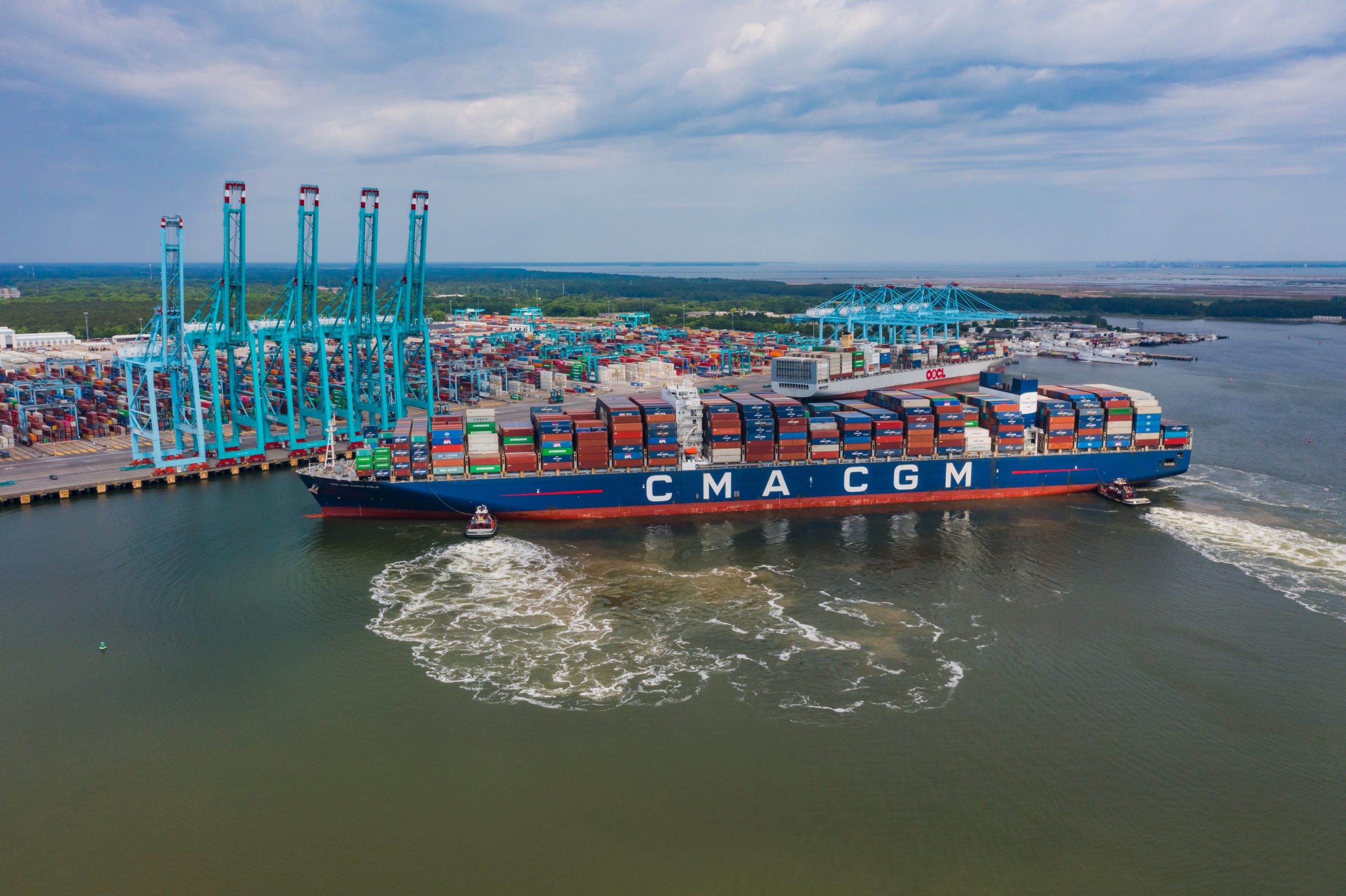
The CMA CGM Iron, which is adapted to run on methanol, ethanol and conventional fossil bunker fuel, will be bound for Asia, making stops in Sri Lanka and Singapore before reaching its final destination China. The ship is carrying various types of cargo.
“Brazil is strategic for us and the rest of the world,” said Neusa Marcelino, Brazil CEO of French shipping giant CMA CGM, adding that the ethanol-fueling operation is an audacious step in efforts to clean up ocean vessel transportation.
The use of ethanol as bunker fuel creates a potentially huge market for biofuel makers and farmers in Brazil, the world’s second biggest producer of ethanol after the US, as companies build more capacity to produce the renewable fuel alternative locally.
Widespread adoption of the fuel in shipping could lead to a substantial reduction in global emissions. It would also be a boon for Brazilian farmers as the nation’s ethanol is primarily made from sugarcane and more recently from corn feedstocks produced by the agricultural powerhouse.
The global shipping industry accounts for as much as 3% of global greenhouse gas emissions, according to a 2020 International Maritime Organization study. If the industry were a country, it would rank as the sixth largest emitter worldwide, between Japan and Germany, according to the World Bank.
The initial voyage comes as the IMO prepares to enforce a global net-zero framework for ocean vessel transportation. The group’s directive was approved in April 2025, but formal adoption was pushed back to December of this year after pressure from the US.
The long-awaited IMO rules would pave the way for ethanol to gradually displace oil as shipping’s dominant fuel and open the door for cleaner alternatives.
Narciso Bertholdi, who serves on the boards of two Brazilian corn ethanol producers, said potential US support for the guidelines would accelerate adoption of ethanol as a maritime fuel.
“Consider that the shipping industry consumes approximately 250 million tons of fuel annually. If just 10% of that volume were replaced by ethanol, demand would reach 32 billion liters (8.4 billion gallons) — virtually equivalent to the entire Brazilian ethanol market,” he said.
In May, the IMO cleared a key hurdle for Brazilian ethanol made from second-crop corn ahead of introduction of net-zero emissions guidelines.
A month earlier, Brazilian miner Vale ordered new ethanol-powered Guaibamax vessels from a Chinese shipbuilder. They are scheduled for delivery in 2029 and could be the first to use 100% ethanol to move iron ore on ocean vessels, the company said.
CMA CGM, the company behind the vessel in the initial Brazil sailing, plans to have about 200 ships adapted to run on renewable fuels by 2031. Currently, the company operates a 700-vessel fleet.
According to the World Shipping Council, some 440 dual-fuel container ships and vehicle carriers, which can run on renewable or lower emission fuels, are currently in operation worldwide. That’s up from 267 such vessels in March 2025. Also, there were 1,204 dual-fuel container ships and vehicle carriers on order or delivered as of March globally, up from 83 five years ago, council data shows.
Read More: How Push for Energy Security Is Driving Biofuels Boom: Explainer
Brazil produced 37 billion liters of ethanol overall in the crop year ended in March, according to UNICA industry data.
In spite of that, Brazilian companies keep building more corn ethanol capacity, with demand for renewables in maritime transportation crucial to absorbing the additional supply.
Still, global shipping regulations will have to evolve to make biofuels scalable for maritime use, says Filippe Fernandez, Latin America commercial director at bunker fuel trader Bunker One.
European Union regulations, which exclude first-generation crop-based biofuels made from corn and sugarcane, represent a major obstacle, he said.
“Testing a fuel is one thing,” Fernandez said. “Building a market around it is another.”
© 2026 Bloomberg L.P.
Editorial Standards · Corrections · About gCaptain
This article contains reporting from Bloomberg, published under license.

 Join The Club