The Trump administration’s abrupt decision this week to suspend construction on five major offshore wind projects has sent shockwaves through the energy sector, leaving billions of dollars in investments hanging in the balance and thousands of workers facing an uncertain holiday season.
On December 22, the Department of the Interior issued immediate stop-work orders for all large-scale offshore wind projects under construction along the East Coast, citing national security concerns identified in classified reports from the Department of War. The directive affects Vineyard Wind 1, Revolution Wind, Coastal Virginia Offshore Wind (CVOW), Sunrise Wind, and Empire Wind 1—projects representing a combined investment exceeding $10 billion and collectively capable of powering more than 2 million homes.
“The prime duty of the United States government is to protect the American people,” said Secretary of the Interior Doug Burgum. “Today’s action addresses emerging national security risks, including the rapid evolution of the relevant adversary technologies, and the vulnerabilities created by large-scale offshore wind projects with proximity near our east coast population centers.”
The administration’s justification centers on radar interference—or “clutter”—created by massive turbine blades and reflective towers, which officials say can obscure legitimate targets and generate false readings. A 2024 Department of Energy report acknowledged that while detection thresholds can be adjusted to reduce clutter, doing so could cause radars to “miss actual targets.”
Projects Caught Mid-Construction
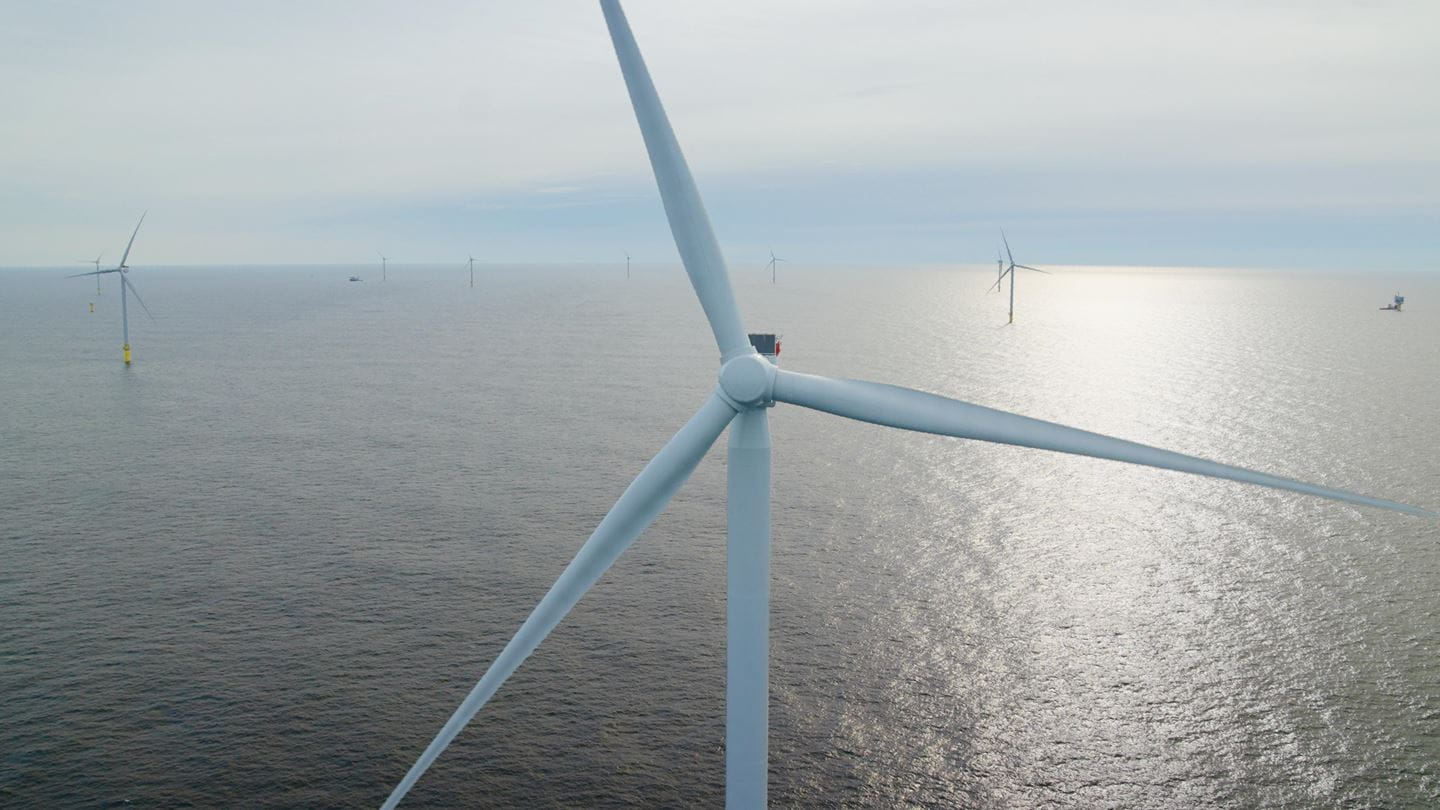
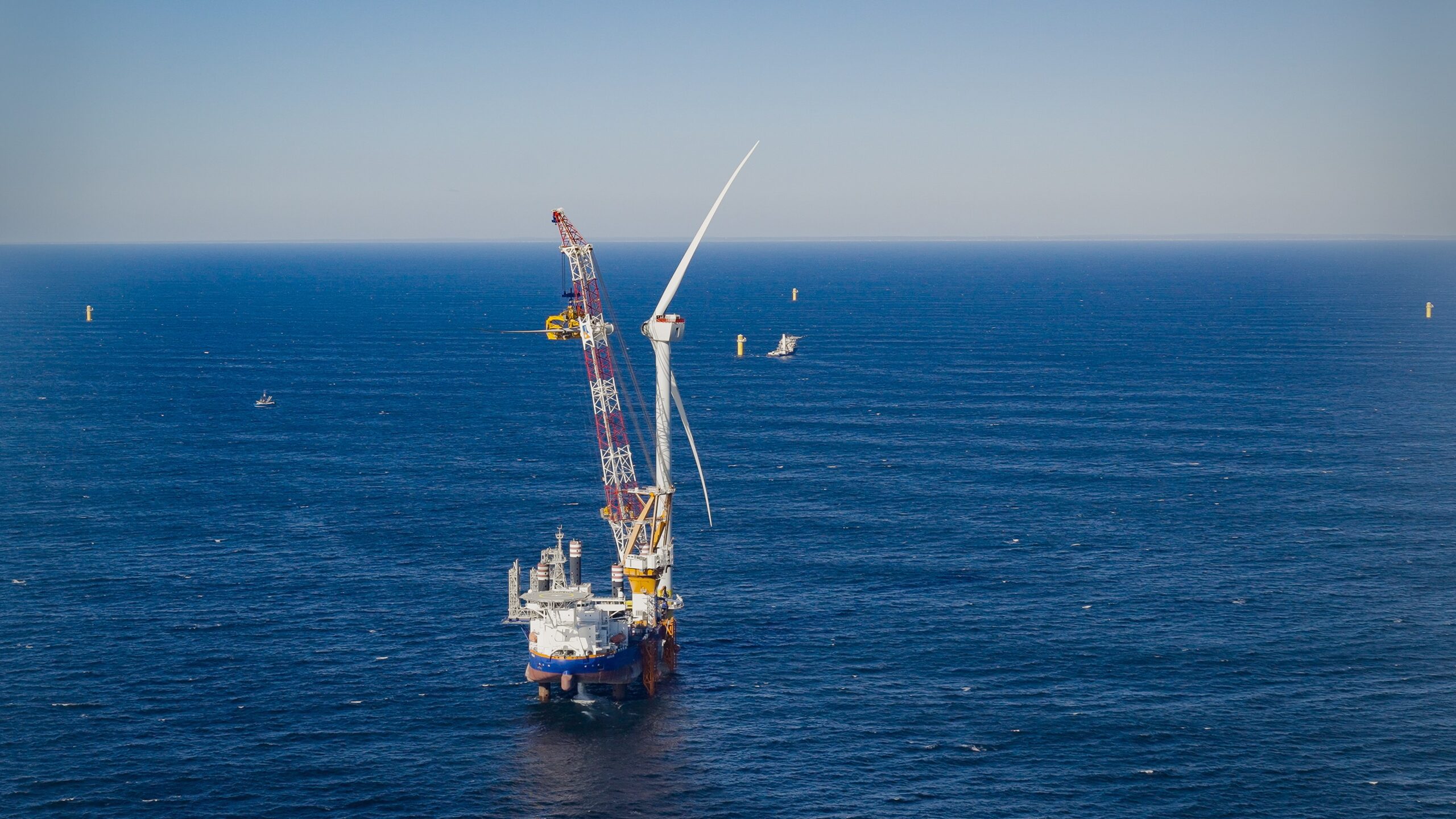
The timing of the orders has proven particularly devastating for projects in advanced stages of completion. Revolution Wind, an Ørsted joint venture with Skyborn Renewables, had reached 80% completion with all offshore foundations installed and 45 of 65 wind turbines in place. The project had secured 20-year power purchase agreements to deliver 704 megawatts to Rhode Island and Connecticut.
Empire Wind, developed by Equinor, was more than 60% complete with dozens of vessels, approximately 1,000 workers, and over a hundred companies coordinating on trenching, cable-laying and installation operations. The project carries a gross book value of approximately $3.1 billion and has drawn roughly $2.8 billion under its project finance facility.
Coastal Virginia Offshore Wind, developed by Dominion Energy, was “within months” of generating its first power. The project will produce 2,600 megawatts to support what the company describes as “the fastest growing part of America’s energy grid”—serving critical military installations, the world’s largest warship manufacturer, and major data center operations.
Dominion spent years constructing the Charybdis, the first domestically built, Jones Act–compliant wind turbine installation vessel. The vessel completed sea trials in September and is awaiting commissioning after final “punch list” items are addressed.
Industry Pushback Intensifies
The orders have drawn fierce criticism from energy companies, labor unions, and industry groups who note that all affected projects underwent extensive national security reviews during previous administrations.
“All the projects suspended today underwent rigorous national security reviews during the first Trump and Biden Administrations,” said Jason Grumet, CEO of the American Clean Power Association. “[This week’s] decision creates needless uncertainty for any company that seeks to build an energy project in the United States. In America today, the greatest threat to a reliable energy system is an unreliable political system.”
AFL-CIO President Liz Shuler condemned the administration’s action as “irresponsible policy that threatens to take America backward,” noting that the orders left “thousands of workers in limbo during the holiday season.” She added: “Destroying good union jobs on projects that are poised to meet demand and deliver electricity to the grid makes no sense.”
Dominion Energy emphasized that CVOW has been coordinating with military authorities for over a decade and is located 27 to 44 miles offshore. The company noted that two pilot turbines have operated for five years “without causing any impacts to national security.”
Equinor stated that Empire Wind “has coordinated closely with federal officials on national security reviews since it executed its lease for the project in 2017, including with the Department of War,” and is complying with all relevant national security requirements identified during years of regulatory review.
Economic and Grid Reliability Concerns
The suspensions threaten significant job losses and economic disruption. Revolution Wind alone has generated approximately 2 million labor union hours, while Empire Wind’s construction phase has employed nearly 4,000 workers. Ørsted’s U.S. offshore wind projects have totaled approximately 4 million labor union hours to date.
Energy companies warn that prolonged delays could jeopardize grid reliability during a period of surging electricity demand. Dominion Energy stated bluntly: “Stopping CVOW for any length of time will threaten grid reliability for some of the nation’s most important war fighting, AI, and civilian assets. It will also lead to energy inflation and threaten thousands of jobs.”
The industry also points to successful operations of existing projects. Revolution Wind noted that the adjacent South Fork Wind facility “delivered reliable energy to New York at a capacity factor of 53% for the first half of 2025, on par with the state’s baseload power sources.”
Legal and Political Crosscurrents
The new stop-work orders comes weeks after a federal judge struck down a broader Trump administration directive to halt all federal approvals for wind energy projects. Earlier this month, U.S. District Judge Patti Saris ruled that agencies implementing the January 20 directive had “failed to provide reasoned explanations” and could not “lawfully under the Administrative Procedure Act indefinitely decline to review applications for permits.”
Secretary Burgum has also emphasized economic concerns, tweeting that “offshore wind will DRIVE UP electricity prices in the Northeast,” citing Empire Wind as charging “New Yorkers over TWO TIMES the local grid price for their energy.”
The affected companies are now evaluating their options, including potential legal proceedings. Ørsted stated it is “evaluating all options to resolve the matter expeditiously” with the aim of proceeding toward a commercial operation date in the second half of 2026. The company noted it will “in due course, advise the market on the potential impact” on a previously announced rights issue.
As the offshore wind industry confronts this latest setback, the broader implications remain unclear. With billions in capital commitments suspended and thousands of jobs at stake, the coming weeks will prove critical in determining whether these projects can overcome the latest political headwinds or whether the administration’s security concerns will permanently reshape America’s offshore wind ambitions.

 Join The Club