French naval forces have seized 4.24 tons of cocaine in waters off French Polynesia, marking the second massive drug interdiction in the Pacific territory in less than three weeks and underscoring an intensifying battle against transnational narcotics trafficking in the region.
The back-to-back seizures represent more than 9 tons of cocaine intercepted in French Polynesian waters in a span of 17 days.
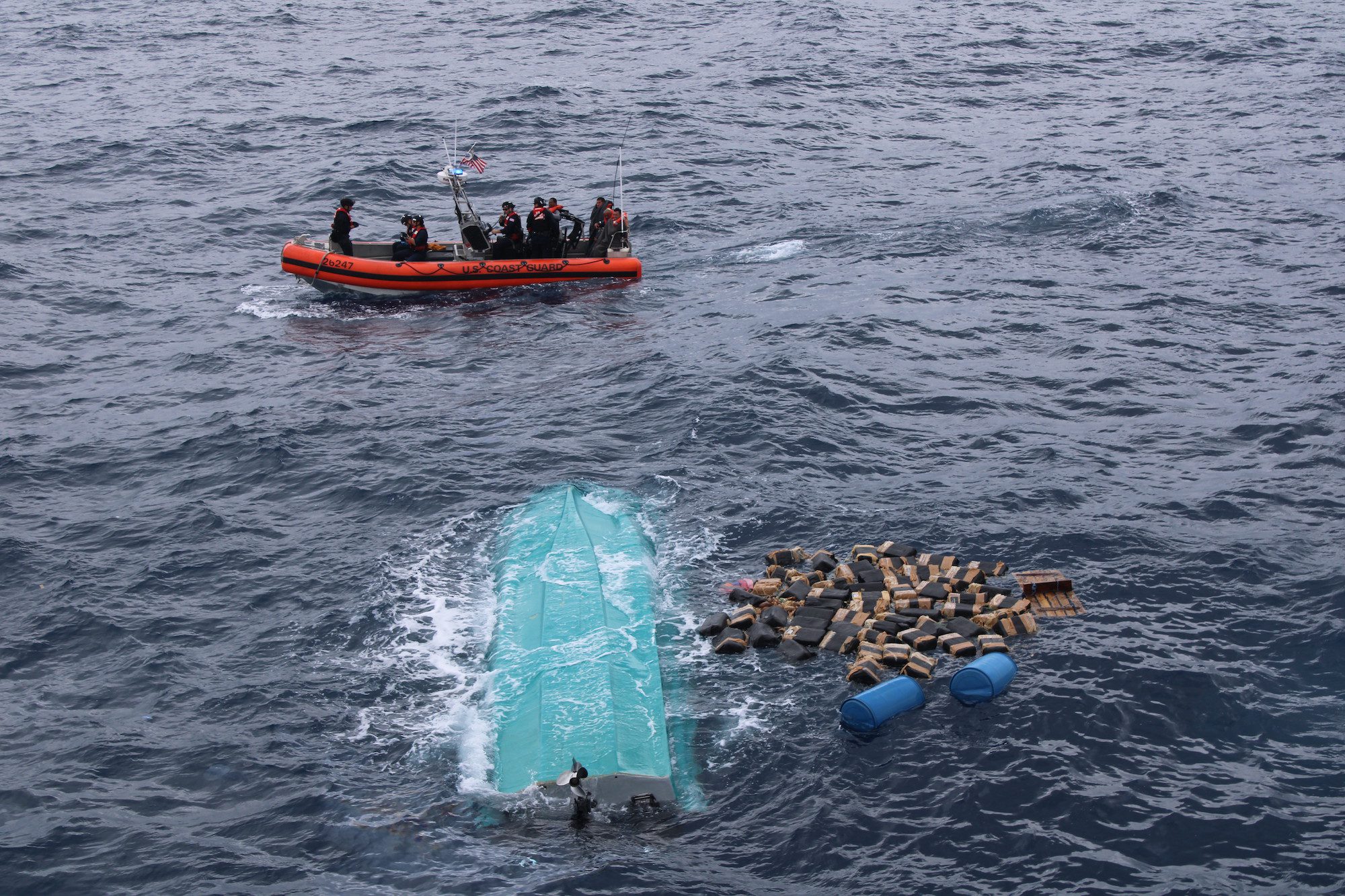
On Monday, February 2, a French Navy ship, supported by a Falcon 50 reconnaissance aircraft, intercepted a suspicious vessel that had been flagged by French Customs as part of a joint investigation with New Zealand Customs. An onboard inspection uncovered 174 bales of cocaine weighing a combined 4.24 tons.
The operation bears striking similarities to a January 16 interdiction that resulted in what authorities described as a record seizure of nearly 5 tons of cocaine at sea, suggesting a sustained campaign by trafficking organizations to move product through Pacific shipping lanes.
The High Commissioner of the Republic in French Polynesia, serving as the government’s maritime delegate, oversaw the complex multi-agency operation. It involved substantial resources from the French Armed Forces in French Polynesia (FAPF), working in close coordination with French Customs, the National Gendarmerie, and the French Anti-Drug Office (OFAST).
In accordance with directives from the Public Prosecutor’s Office of Papeete and established international legal protocols, the intercepted vessel and its crew were permitted to continue their voyage after the contraband was removed. Authorities confirmed the drug cargo was not destined for French Polynesia and was subsequently destroyed.
“This latest success once again highlights the crucial role of the French Armed Forces in combating drug trafficking as part of the new anti-drug strategy initiated and implemented by the High Commissioner of the Republic in French Polynesia,” officials stated following the seizure.
The operation also demonstrates the growing importance of regional partnerships in combating Pacific drug flows. French authorities emphasized “the strategic importance of regional cooperation led by France with its closest partners, particularly New Zealand Customs, in the fight against drug trafficking.”
The coordinated effort reflects mounting concern over the Pacific as a corridor for South American cocaine destined for markets in Asia and Oceania. Intelligence sharing between French and New Zealand customs appears to have been instrumental in both recent major seizures.
In a joint statement, French authorities pledged continued vigilance: “All state services and the French Armed Forces in French Polynesia, along with their partners in Oceania, remain fully committed to combating international drug trafficking at sea, thereby contributing to regional stability and the protection of populations.”

 Join The Club