U.S. sanctions continue to severely hamper Russia’s efforts to deliver LNG from the designated Arctic LNG 2 plant to customers. Five months after loading cargo at the Arctic gas terminal LNG carrier East Energy (139,833-cbm) moored up yesterday alongside the Koryak floating storage barge to seemingly offload its cargo.
The offloading concludes a roughly 25,000 nautical mile journey that began in early September high in the Arctic. After departing from Arctic LNG 2 East Energy traveled along the Northern Sea Route and arrived at Nakhodka Bay near Vladivostok in Russia’s Far East in early October. The vessel has been anchored in the bay or circling in the Sea of Japan throughout winter. It began traveling towards Koryak FSU located on Russia’s Kamchatka peninsula at the beginning of February.
East Energy’s route from September 2024 through February 2025. (Source: Shipatlas)
The vessel becomes the latest shadow fleet LNG carrier to terminate its unsuccessful attempt to deliver LNG to markets in Asia. Prior to East Energy, two other LNG carriers, Pioneer (138,121-cbm) and Metagas Everest (138,028-cbm), engaged in ship-to-ship transfers with Koryak in September and December 2024.
The latest offloading likely puts the 360,000-cbm Koryak at capacity, even taking substantial boil off, especially for Metagas Everest and East Energy, into account.
“With 360,000-cbm available, and with boil off, my rough estimate would be that East Energy would just be able to squeeze its remaining cargo into Koryak. However, there would likely not be room for the cargo of the larger Nova Energy,” says Eikland Energy founder Kjell Eikland.
This leaves up to three additional sanctioned LNG carriers, Nova Energy (149,835-cbm) and Metagas Everest, and possibly Mulan (79,800-cbm), still carrying cargo.
Due to lack of customers Arctic LNG 2 has been temporarily mothballed after operating for just three months last summer. The first train went offline in October 2024 and the planned commissioning of Train 2 has been pushed back from December 2024. Construction on the third train has been halted.
Despite Western sanctions Russia’s largest LNG producer, Novatek, and the country as a whole recorded a banner year in terms of production. Russia’s largest LNG plant, Yamal LNG dispatched more than 250 cargoes totaling 19.6mn tonnes. As a whole the country delivered 33.6mn tonnes to customers.
Europe remains a key market for Russia purchasing around half of its production, with no current plans by the EU to curtail the inflow.
For more than a century, commercial shipping steadily moved away from sails. Now they are coming back. Across the global fleet, shipowners are installing towering rotor sails, rigid wings and...
Just nine months before a full European Union ban on Russian liquefied natural gas (LNG) is scheduled to take effect, EU buyers purchased every cargo from Russia’s Yamal LNG project in February, highlighting a stark disconnect between policy intentions and market realities.
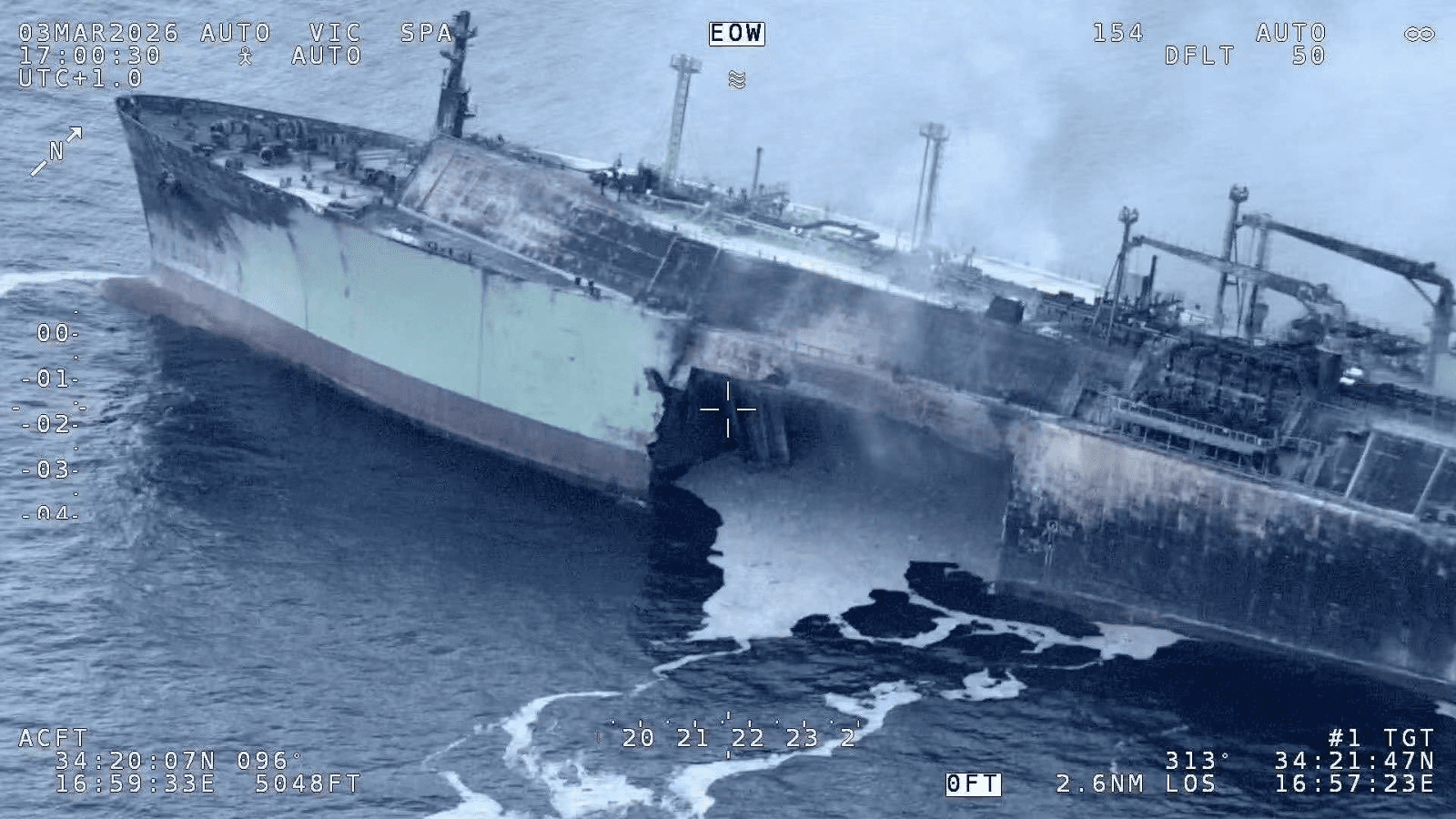
Russia’s sanctioned Arctic LNG 2 export network is showing early signs of disruption after an explosion sank one of its shadow fleet carriers in the Mediterranean this week, forcing other tankers to halt or reroute and raising new questions about the security of a key shipping corridor.
March 5, 2026
Total Views: 17312
Get The Industry’s Go-To News
Subscribe to gCaptain Daily and stay informed with the latest global maritime and offshore news
— just like 107,339 professionals
Secure Your Spot
on the gCaptain Crew
Stay informed with the latest maritime and offshore news, delivered daily straight to your inbox
— trusted by our 107,339 members
Your Gateway to the Maritime World!
Essential news coupled with the finest maritime content sourced from across the globe.

 Join The Club