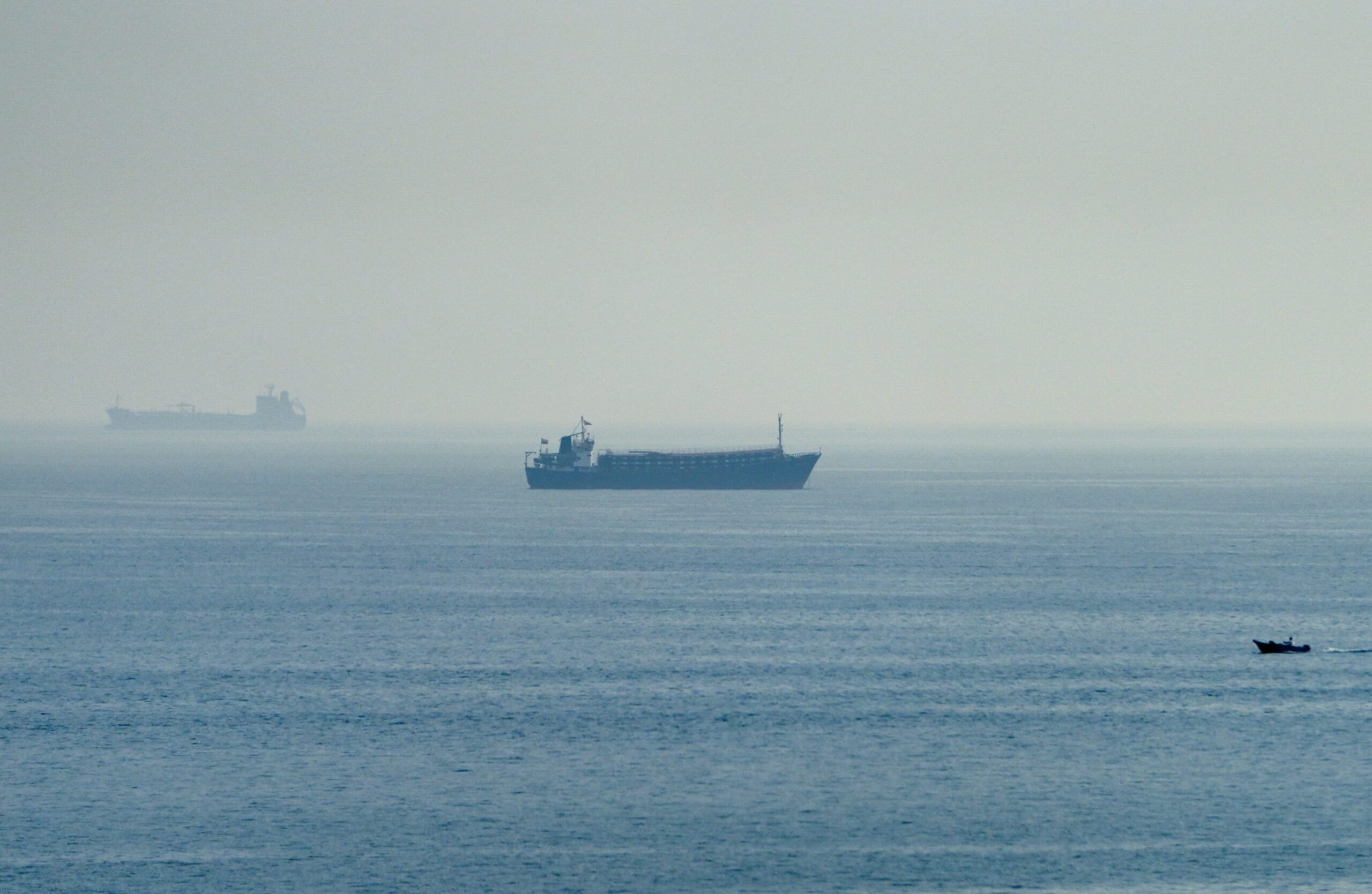
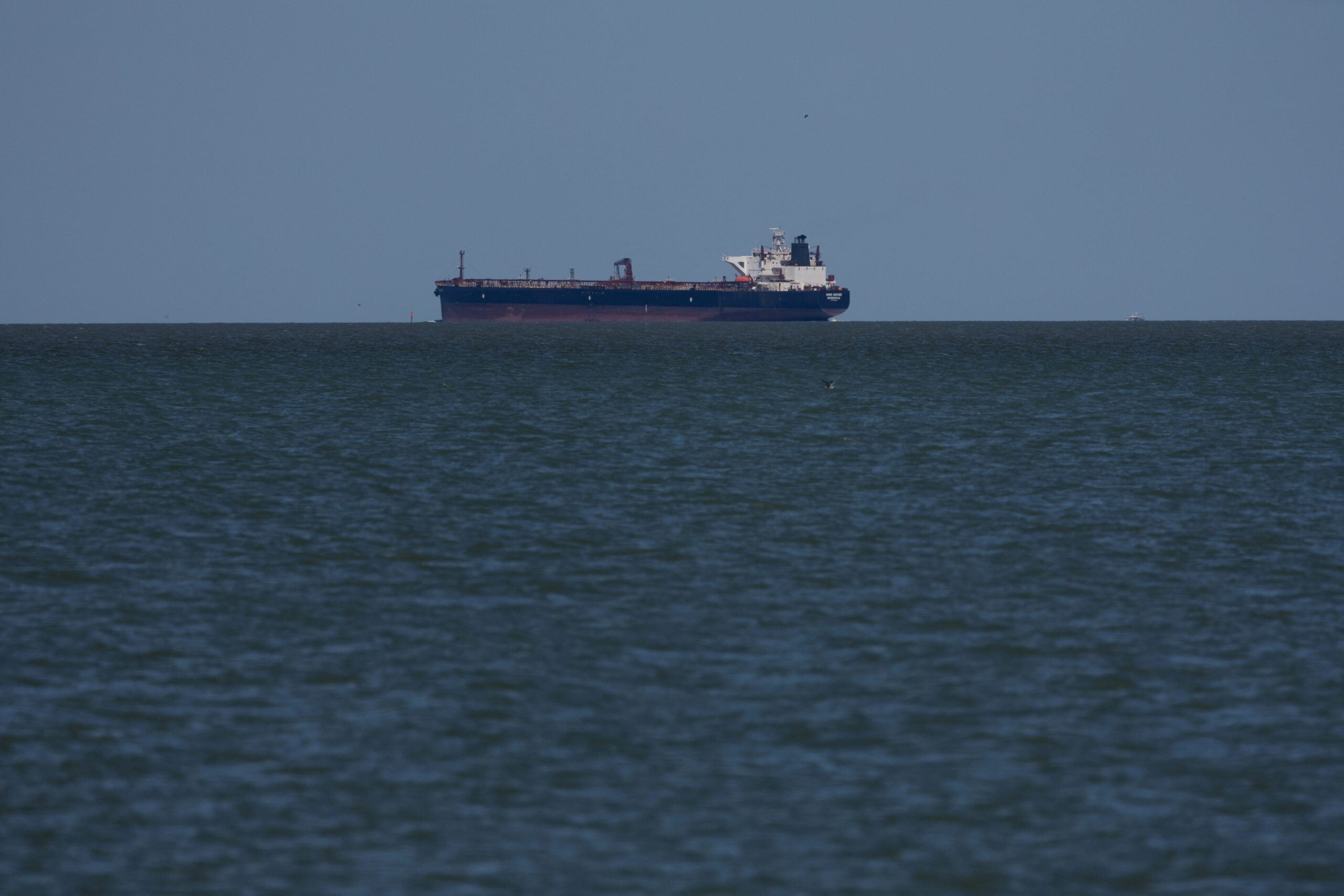
By Bloomberg News (Bloomberg) — Oil markets have reacted with enthusiasm to an interim agreement between US and Iran which should reopen the Strait of Hormuz and restore oil and gas flows — but that return to normality could be months away, analysts warn.
A deal will ease the risks to supply and continued upward pressure on prices, but rebuilding confidence among shipowners, insurers and refiners will take longer. Many buyers have also already adapted to the disruption by securing alternative supplies and routes, they say, meaning that there will be no straightforward return to pre-war trade.
Here is a selection of analyst comments on the latest developments:
Karobaar Capital
“The market tends to treat reopening as a switch you flip, but in reality it’s more of a process,” said Haris Khurshid, chief investment officer at Chicago-based Karobaar Capital LP. “Physical flows can restart quickly. Trust usually doesn’t.”
He added that reopening the strait and normalizing trade flows are two different things, noting that many buyers have spent months securing alternative routes, suppliers and inventories and they may not immediately return to the strait right after it reopens.
Phillip Nova
“While the conflict may have come to an end and oil flows through the Strait of Hormuz may gradually return to normal, the damage already done cannot be reversed overnight,” Priyanka Sachdeva, an analyst at Phillip Nova Pte Ltd., said in a note.
“This includes not only any physical damage to oil infrastructure but also the economic strain endured by oil-importing economies that have faced elevated energy costs for months.”
Saxo Markets
“Even as the market reacts to Hormuz opening headlines cleanly, the operational reality is likely to be messier,” said Charu Chanana, chief investment strategist at Saxo Markets. “Mine-clearing, insurance costs, port congestion and the risk of geopolitical spoilers could all keep barrels moving more slowly than the headline suggests.”
IG Australia
“It’s hard to see crude falling much further from here in the near term,” Tony Sycamore, a market analyst at IG Australia Pty Ltd., said in a note. “Nations will use the reopening of the strait to replenish depleted stockpiles and refill their strategic petroleum reserves. On top of that, prices had already dropped sharply in recent sessions on anticipation of a deal.”
XS.com
“It is still too early to rule out upside risks for oil. The negotiation process has not yet fully materialized into a stable agreement that can be implemented effectively,” said Linh Tran, a market analyst at XS.com. “If demand remains strong while supply recovers more slowly than expected, oil prices could still find some support.”
Pepperstone Group
The US-Iran agreement “does feel like it’s forged on fairly shaky ground,” said Chris Weston, head of research at Pepperstone Group Ltd. “What Iran is asking for in terms of reconstruction, capital from the US, seized or frozen funds and various factors, there could be a sticking point.”
SVB Energy International
“We’re going to see a lot of importers and a lot of countries thinking about additional and alternative logistics, suppliers in the markets, adjustments in the refineries,” said Sara Vakhshouri, president and founder of SVB Energy International. “We’re going to see some long-term changes.”
Vortexa
“If the US-Iran deal is completed and insurance companies are willing to insure the vessels, ballast tanker transits would increase, followed by the restart of crude production and then the restart of refineries,” said Xavier Tang, a senior market analyst at Vortexa.
OCBC
“Full production recovery may take slightly longer as it is also dependent on how fast the production facilities that suffered damage from bombing or shut-ins will take to fully ramp up again,” said Selena Ling, chief economist at Oversea-Chinese Banking Corp. Ltd.
Oil Brokerage
“We’re not seeing any big shipowners changing their stance at this point. They’re staying put for now,” said Anoop Singh, global head of shipping research at Oil Brokerage Ltd. “As of now, no one has a clear understanding of the terms and text of this agreement.”
“Shipowners are on a risk spectrum — the Japanese, Koreans and Chinese are less open to high risk, while the Greeks have a different appetite — so we may see some people gearing up, but by and large the rest of the market is still seeking more details and assurance before proceeding,” he added.
Societe Generale
“Despite what constitutes one of the largest supply disruptions on record, prices have reacted far less aggressively than historical precedent would suggest,” Societe Generale SA analysts including Mike Haigh said in a note. “Prices are highly path-dependent on the timing of any reopening.”
© 2026 Bloomberg L.P.

 Join The Club