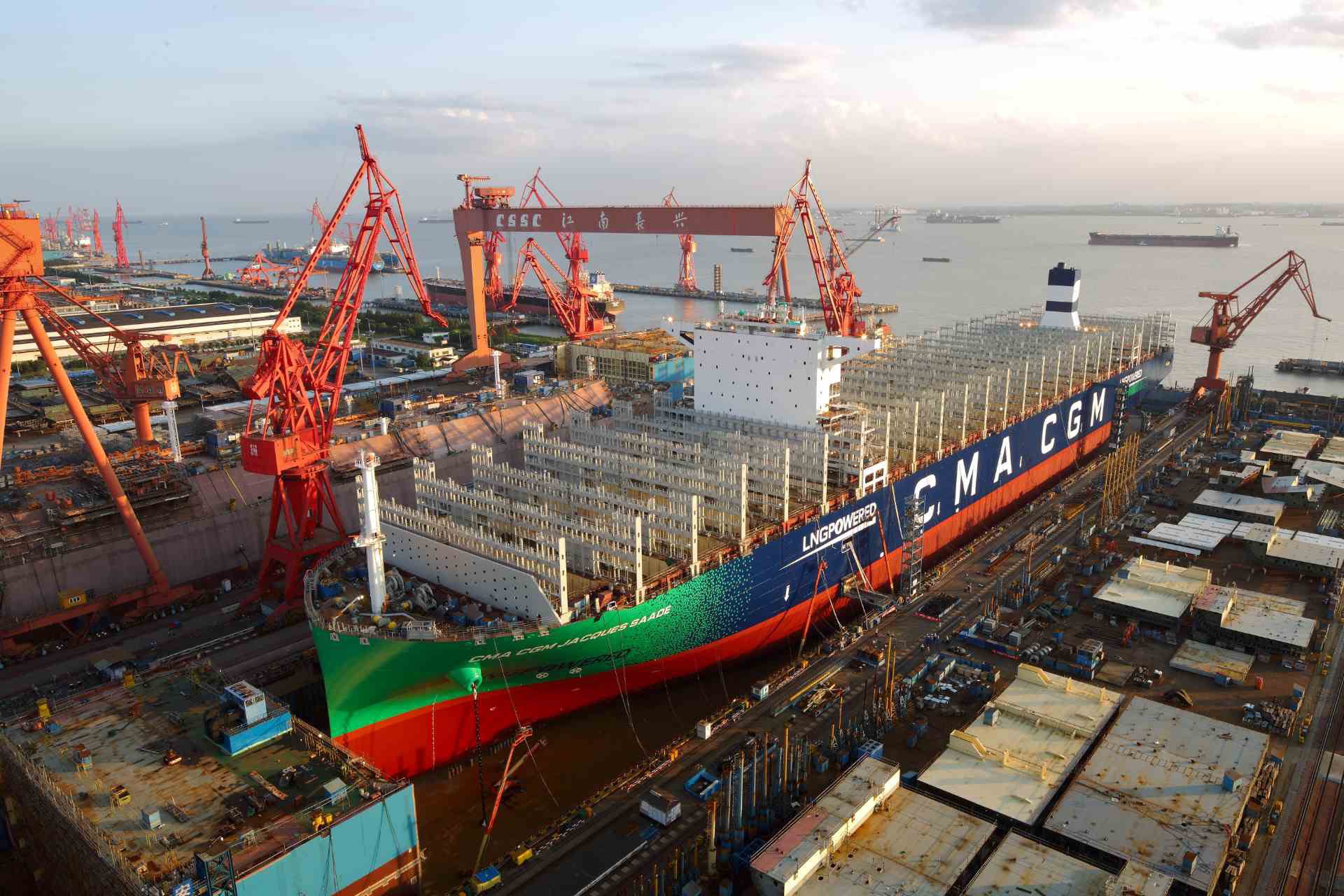
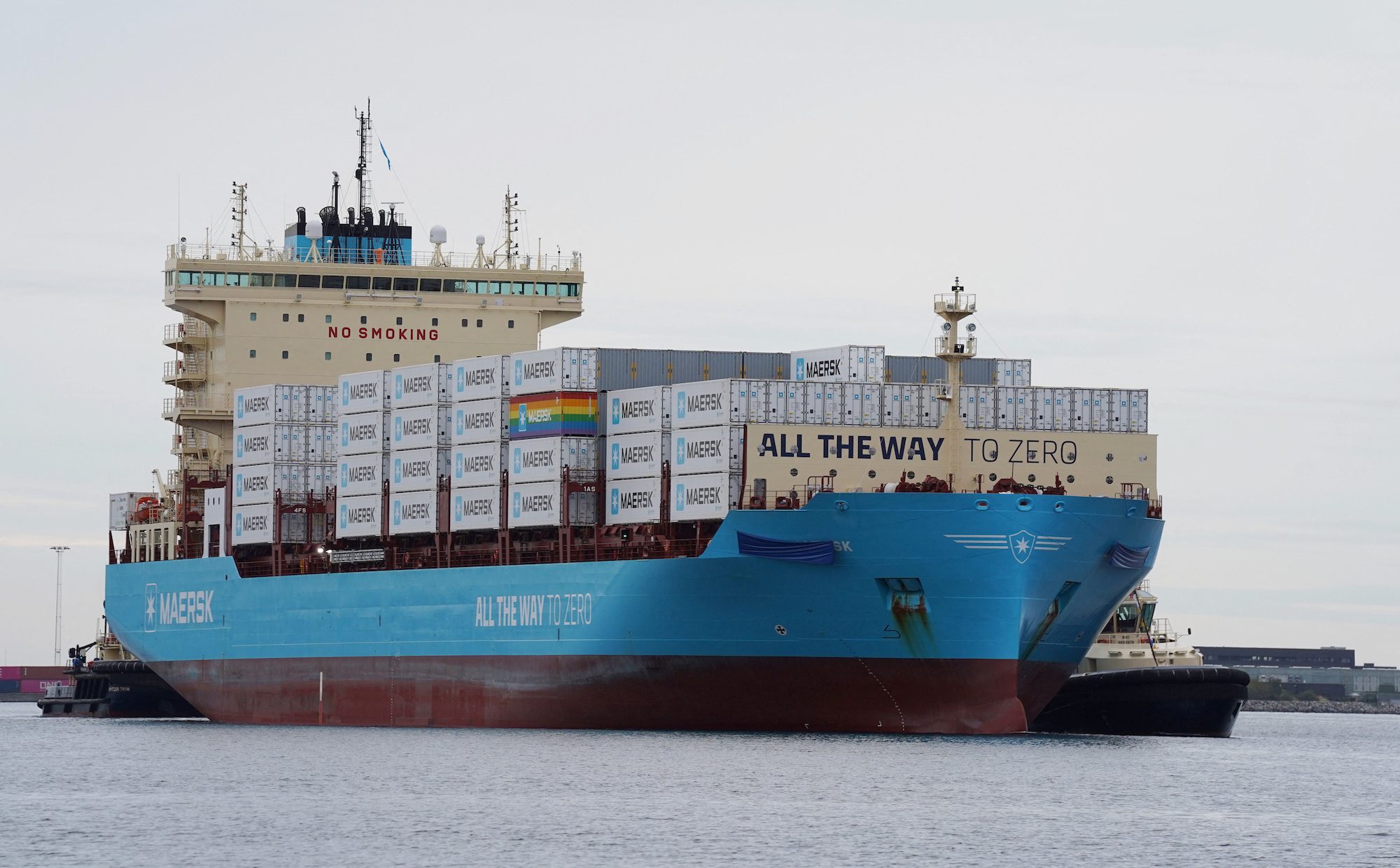
Alternative-fueled ship ordering accelerated sharply over the summer, with August recording the strongest monthly total in nearly two years as LNG-fueled containerships and car carriers led a fresh wave of newbuild orders.
A total of 52 alternative-fuelled vessels were added to DNV’s Alternative Fuels Insight (AFI) platform in August, the highest monthly figure since October 2024. The strong month followed 47 additions in July, signaling a rebound after a relatively slow start to 2026.
LNG accounted for 46 of the vessels ordered in August, including 30 containerships and 12 car carriers. The month also included four ethanol-fuelled bulk carriers and two hydrogen-powered bulk carriers, along with an order for an LNG bunker vessel.
The summer surge has pushed alternative-fuel vessel orders well ahead of last year’s pace. Shipowners placed 242 orders during the first eight months of 2026, up 27% compared with the same period in 2025.
“The past two months have been particularly strong for alternative-fuelled vessel ordering, with August recording the highest monthly total we’ve seen since October 2024,” said Jason Stefanatos, Global Decarbonization Director at DNV Maritime. “This has helped lift year-to-date orders to a level well above the same period last year.”
The rebound represents a notable turnaround from the first half of the year. Through June, DNV had recorded 137 alternative-fuelled vessel orders, down from 155 during the first six months of 2025.
That means July and August alone added more than 100 vessels to the alternative-fuel orderbook.
LNG has remained firmly in the lead as ordering activity picked up, accounting for 63% of alternative-fuel vessel orders so far this year. Containerships represent 59% of those LNG orders, followed by car carriers at 30%.
“LNG remains the leading fuel choice, driven largely by activity in the container and car carrier segments,” Stefanatos said. “These sectors have been among the earliest adopters of alternative fuels, supported by predictable liner operations and increasing demand from cargo owners to reduce emissions across supply chains.”
For shipowners, he said LNG offers a combination of lower emissions, existing fuel availability and flexibility as the industry continues to weigh longer-term alternatives.
The latest numbers also show that owners are still willing to experiment beyond LNG. August included orders for ethanol- and hydrogen-fuelled ships, while ammonia, methanol, LPG and ethane have also attracted newbuild investment this year.
During the first half of 2026, LPG and ethane-fuelled vessel orders jumped to 55 from just 15 during the same period last year. DNV also recorded four ammonia-fuelled vessels, two methanol-fuelled vessels, two ethanol-fuelled vessels and one hydrogen-fuelled vessel through June.
Alternative-fuel deliveries are also adding to the active fleet. During the first half, 61 LNG-fuelled vessels and 38 methanol-fuelled vessels entered service. Belgian gas shipping company Exmar also took delivery of what it described as the world’s first oceangoing dual-fuel ammonia vessel intended for commercial operation.
The mix underscores a market that has yet to settle on a single pathway for shipping’s energy transition. LNG has emerged as the clear near-term leader, particularly in sectors able to rely on established bunkering infrastructure, while owners continue to place smaller bets on fuels that could play a larger role as regulations tighten and supply chains develop.
“Different segments are making different fuel choices, but the overall level of activity demonstrates continued investment in lower-emission shipping,” Stefanatos said.

 Join The Club