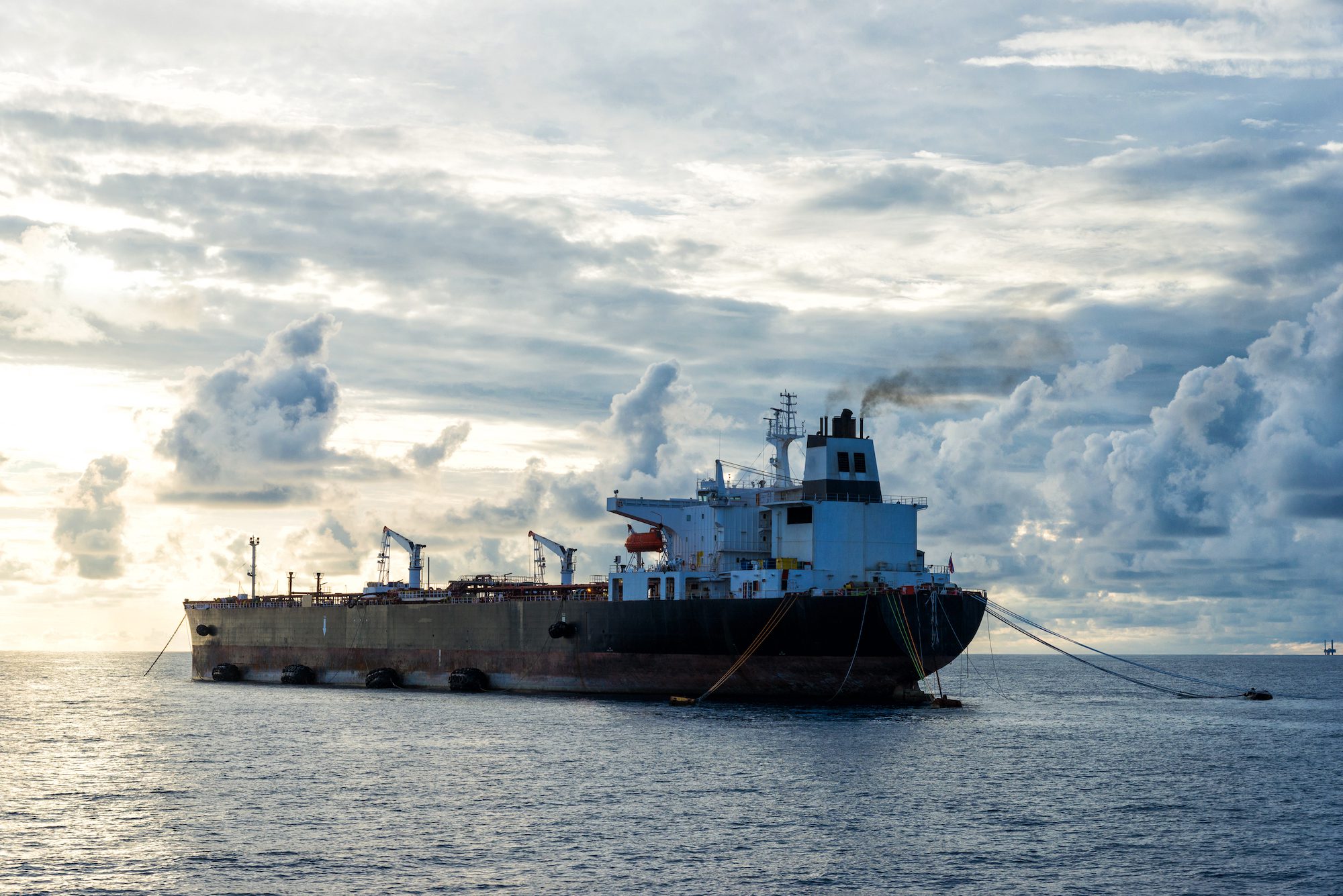
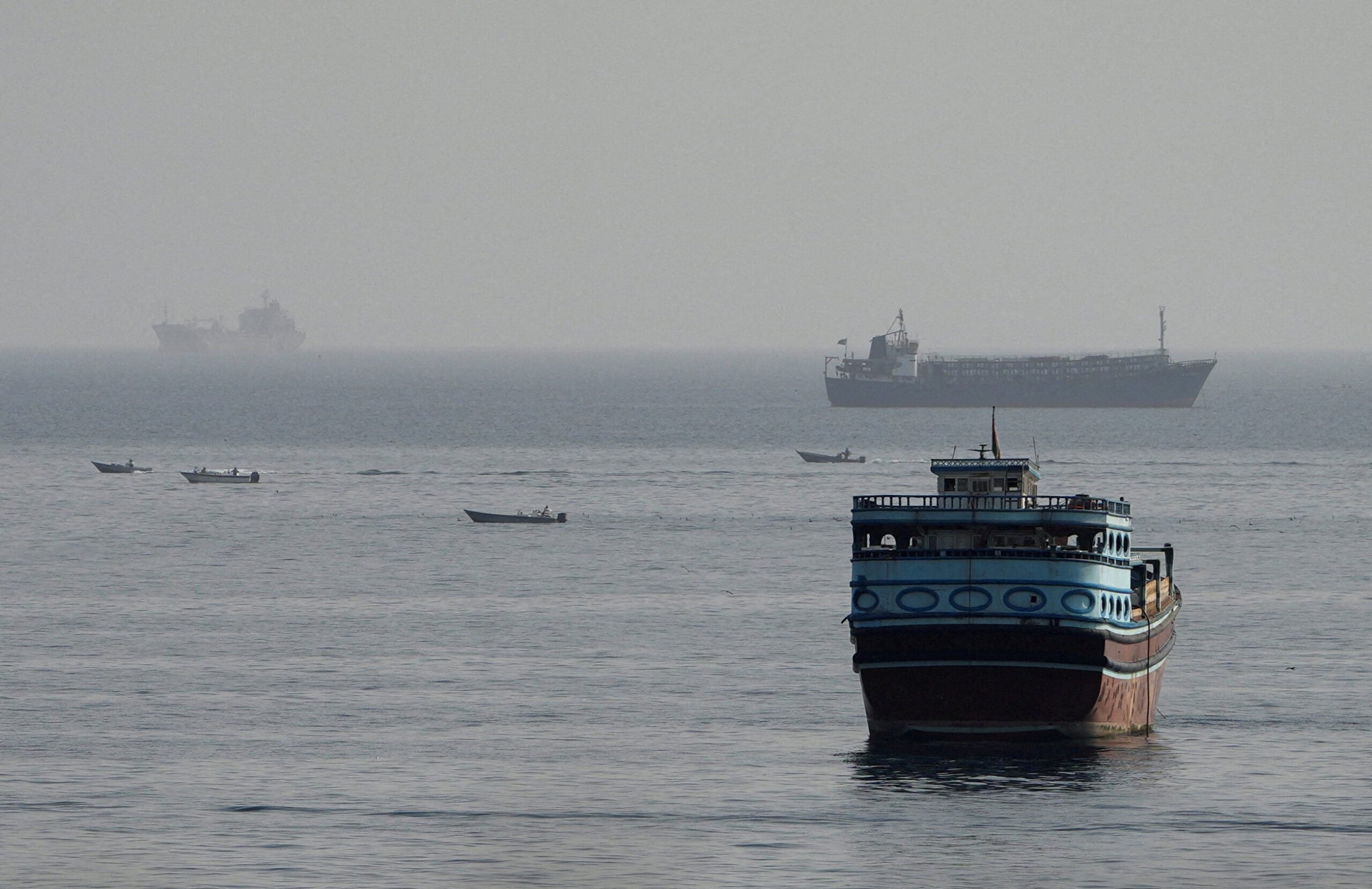
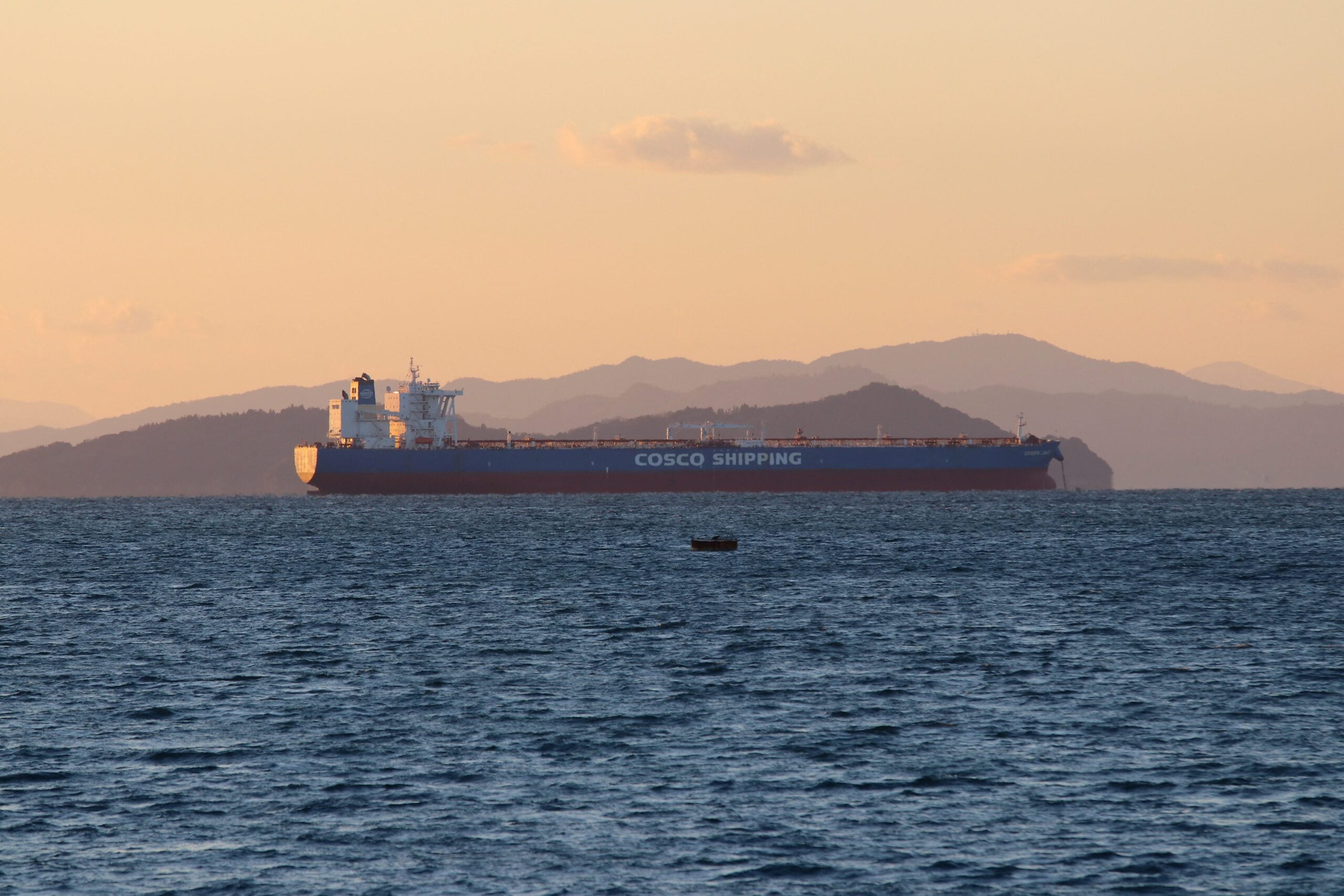
By Lori-Ann LaRocco – The payout to vessel owners damaged in the Iran War is the second-biggest payout for marine underwriters in more than a decade, according to maritime insurance experts.
“There have been around $2 billion in war risk claims since the outbreak of the fighting in the Middle East, with over 70 claims to date,” explained David Osler, Law & Marine Insurance Editor at Lloyd’s List. “This will be offset by heavily enhanced premium income. I think it’s exceeded only by payouts on the container ship that brought down the bridge in Baltimore in 2024.”
There have been more than 72 attacks on ships since March, according to the International Maritime Organization.
Osler reports that underwriters warn the market could face multibillion-dollar liabilities in total-loss claims if the crisis in the Strait of Hormuz persists. Since the start of the war, Lloyd’s List coverage shows war risk insurance premiums for the Strait of Hormuz have surged to between 40 and 60 times pre-crisis levels.
These increases have been passed on to the price of oil.
“Roughly $7 or $8 on the price of a barrel of crude is now tied to war risk insurance,” said Osler. “That’s a bad enough situation, and it’s become even worse in recent weeks after the announced self-declared ban on Saudi tonnage passing through Bab el-Mandeb.”
The Houthis, an Iranian-backed proxy group, launched a naval blockade against Saudi Arabia, targeting the Port of Yanbu, Saudi oil sites and commercial tankers linked to Saudi Arabia.
Since the start of the war, Saudi Arabia has been active in finding alternatives to move its oil. Before the attacks, Saudi Arabia successfully expanded the capacity of its East-West pipeline, diverting approximately 75 percent of its oil away from the Strait of Hormuz. Now, with attacks on Saudi-related vessels in the Red Sea and Yanbu, Saudi Arabia has pivoted again, moving 1.9 million barrels of crude per day through a pipeline in Egypt that carries it to the Mediterranean Sea. This route is costlier and takes weeks longer for oil to reach markets in Asia.
The expansion of maritime attacks has led underwriters to extend their list of designated war risk areas 800 kilometers farther up the Saudi west coast on the Red Sea. This also applies to reinsurers.
“They have figured out if war risk underwriters need to cover all their bases, so do they, and they have repriced the premiums they charge to reinsure charterers’ liability coverage,” said Osler. “The most important point here is that charterers’ liability cover now has a blanket exclusion on vessels associated with Saudi Arabia in any way.”
Osler explained that the exclusion applies strictly to the standard product and that ships or charterers with a Saudi nexus can still obtain coverage.
“They just have to pay a lot more for it,” he said. “This certainly concerned the Saudi government, which is reportedly looking to get some sort of state-backed guarantee scheme in place to bring down these costs for Saudi interests.”
Osler said a Saudi delegation was in London last week to talk to brokers about such a scheme, and it was not the first time they had tried to put one in place.
“Rates have fluctuated with political developments, but they’re currently sitting as high as 10% of hull value,” explained Osler. “Remember that VLCCs are worth around $140 million, and you see the size of the problem.”

 Join The Club