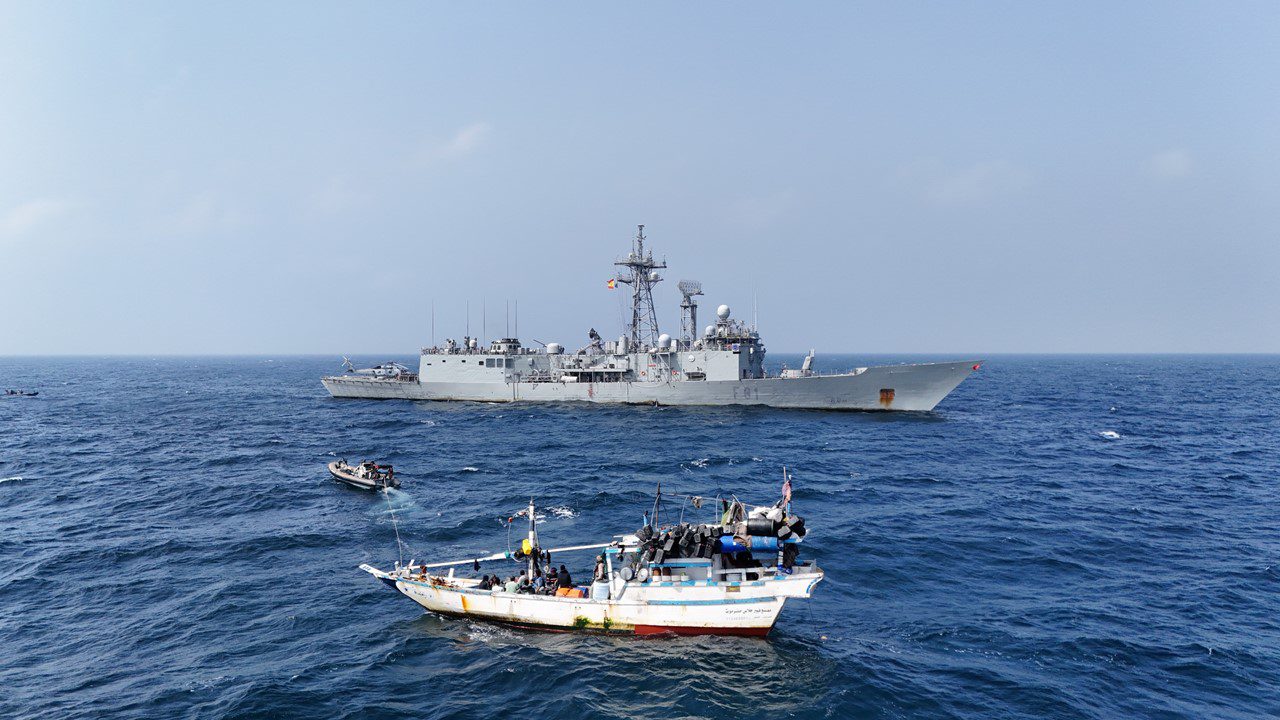
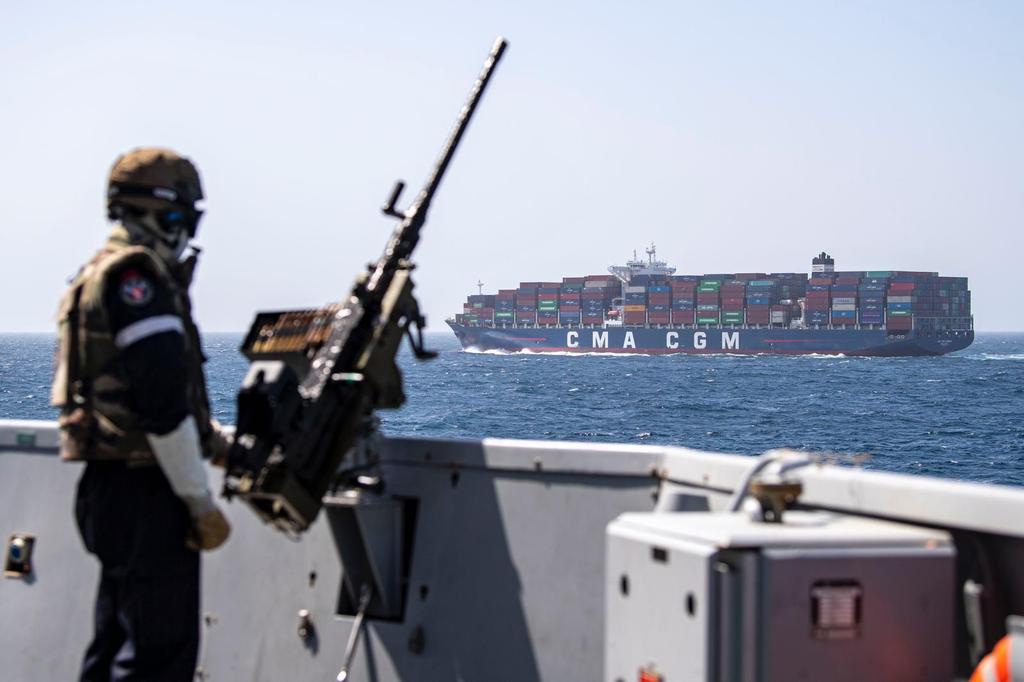
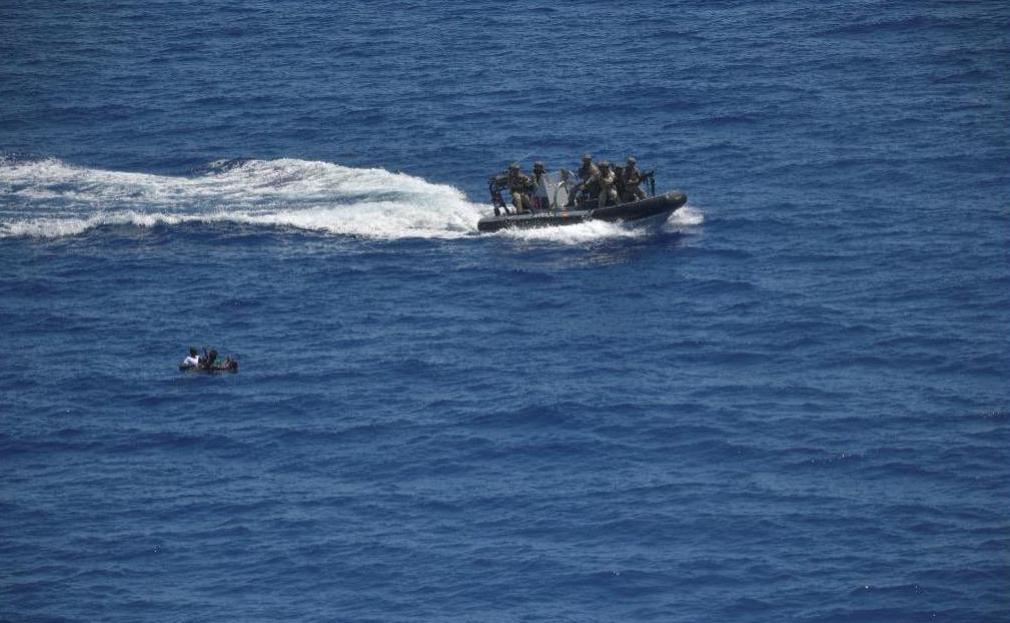
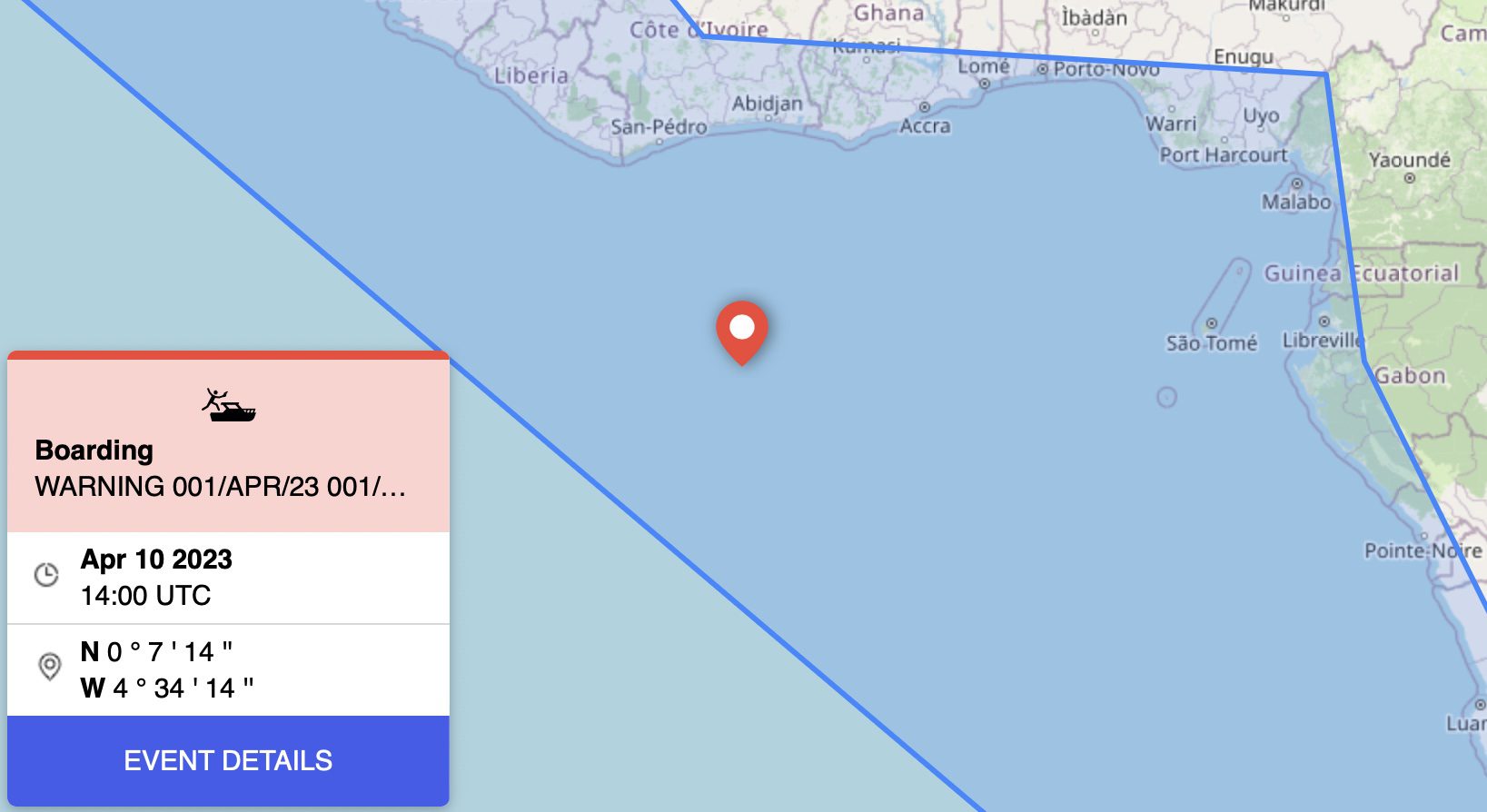
Looking at the piracy chart for 2008 got me reminiscing about recommending routes through the eastern Arabian Sea , Somalia coast, and Gulf of Aden.
Our directive was to work with the Captain to assure a safe voyage. However, like the Captain, we had no way of knowing whether a pirate attack would occur during a voyage. The coast of Somalia has been a high risk area for piracy as long as I can remember. So, even without a weather-related reason, we often would acknowledge a Master’s intended route which remained well off the coast and added sometimes hundreds of miles. Many times, these routes would travel east and north of the island of Socotra.
There was an exception — the summer months and the Southwest Monsoon. During projected gale and storm sw-lies in the western and central Arabian Sea, recommended routes going westbound from the Indian Ocean toward the Suez Canal would remain south of the monsoon core and the highest waves in the central Arabian Sea. However, this route presents a navigational issue (mostly piracy-related) once the route nears the coast of Somalia.
Captain’s choice during the summer: Do I want to avoid the coast of Somalia (potential pirates) and face more rolling on a more northern route? Another problem… If the vessel passes east of Socotra, will the Captain be able to safely steer the vessel west-bound into the Gulf of Aden during a monsoon event?
In this case, strange as it may sound, heavy weather might be working in the Captain’s favor. Are the pirates desparate enough to try and board a moving merchant vessel during gale or storm conditions?
Many Captains chose the improved weather to the south during the summer, passed near the eastern coast of Somalia, then adjusting heading to sail well off the nothern coast of Somalia after passing Cape Guadafui.
Have any gCaptain readers out there has faced similar choices?
_____________________
This Post was written by Brad Snook, Meteorologist. Brad spent 13 years recommending routes and forecasting seas and swells for merchant ships around the world. He know lives with his family near gCaptain Headquarters in Morro Bay California. You can read his previous articles HERE.
Tags: · Brad Snook, ISPS, piracy, pirates, Weather, weather routing

IMB live piracy map 2008
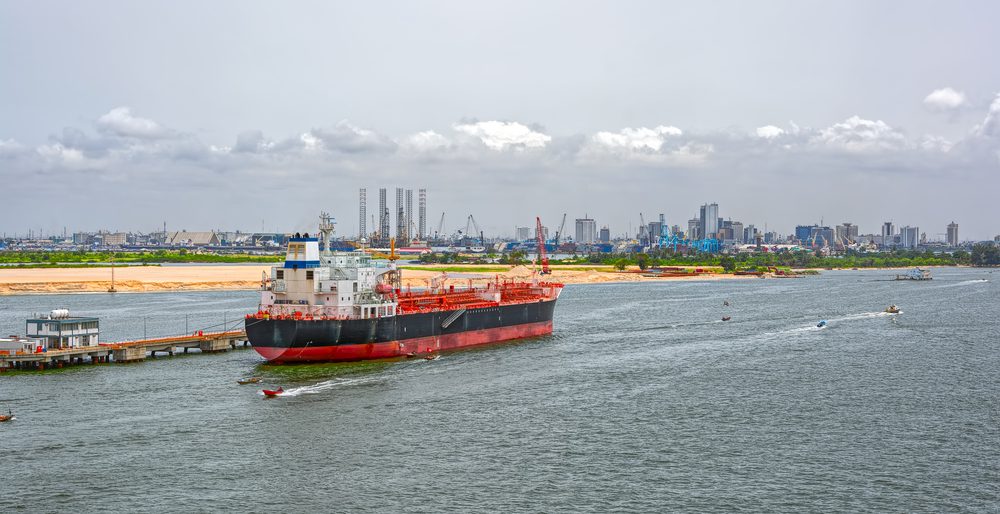
IMB is compiling an updated Google maps mashup of all reported pirate attacks of 2008. So far this year Nigeria has seen the most pirate incidents fallowed by Indonesia and India.
What is the IMB you ask?
A major part of the IMB’s work to make shipping safer involves assisting in the suppression of piracy and armed robbery against ships around the world.
In 1992, the escalating number of piracy incidents led to the establishment of a Piracy Reporting Centre in Kuala Lumpur, Malaysia. Its job is to raise awareness of piracy hotspots, detail specific attacks and their consequences, and investigate incidents of piracy and armed robbery at sea and in port. Another role entails working with national governments on a range of initiatives to reduce and ultimately eradicate attacks against ships.
The Centre, managed by the IMB, has enjoyed considerable success over the years and has made huge strides towards meeting its objectives to reduce piracy and in increasing general awareness of the problem.
Past Years Maps
2007: Google maps mashup of pirate attacks
2006: Google maps mashup of pirate attacks
2005: Google maps mashup of pirate attacks
Tags: · google-maps, ISPS Incidents, mashup, piracy, pirates

*Red denotes a successful attack. Yellow marks an attempt
This Google Maps mashup, brought to gCaptain’s attention by wired’s blog monkeybites, documents all known pirate attacks in and around the Strait of Malacca over the pass three years.
.
This Youtube video, Maritime Terror, provided by Journeyman Pictures takes a look at Modern Piracy. Here is more information on Maritime Terror.
Security analysts are increasingly worried that organisations like Al Qaeda are planning to target commercial shipping.
The Malacca strait between Indonesia and Malaysia has long been a haven for pirates. Last year 21 seamen were killed and a further 71 are missing presumed dead following pirate attacks. “We have seen rocket-propelled grenades being fired at the vessel to force it to stop,” states Captain Pottengal Mukundan from the International Maritime Bureau. But the biggest fear is of a terrorist attack. “This is a relatively narrow passageway which provides certain operational advantages to the attackers,” explains security analyst Brian Jenkins. Mukundan agrees: “You could have a major maritime terrorist incident.” The attacks on the USS Cole and The Limburg demonstrate just how vulnerable even warships are to attacks. Analysing the nature of the maritime threat has become a growing industry. But it’s not just security analysts taking the threat seriously. Earlier this year, the US suggested sending the marines to patrol the Malacca Strait. The threat was enough to galvanise the Indonesian, Malay and Singaporean navies into action. They’re now jointly patrolling the Straits. But whether this will be enough to deter terrorists remains to be seen.
Links
The Bright Spot - Imprisonment of Pirates
La Ponant Captured By Somali Pirates
Tags: · malacca-straight, piracy

(Note: This article was originally published in Dec 2007)
We have taken a look at piracy in the Strait of Malacca and showed you how criminal organizations scrub a stolen ship’s documents now we turn our attention on finding and repossessing these vessels.
The primary company in recovering hulls in North America is New Orleans based VessEx. Here is a clip about VessEx from
Only a few repo men possess the guile and resourcefulness for such a job. One of them is F. Max Hardberger, of Lacombe, La. Since 1991, the 58-year-old attorney and ship captain has surreptitiously sailed away about a dozen freighters from ports around the world.
“I’m sure there are those who would like to add me to a list of modern pirates of the Caribbean, but I do whatever I can to protect the legal rights of my clients,” said Hardberger, whose company, Vessel Extractions in New Orleans, has negotiated the releases of another dozen cargo ships and prevented the seizures of many others.
His line of work regularly takes him to a corner of the maritime industry still plagued by pirates, underhanded business practices and corrupt government officials, waters the Aztec Express sailed right into.
The saga began in 2003 when the vessel’s Greek owner died and his company did not keep up payments on a $3.3-million mortgage. Read More…
(link via BoingBoing)
Also read Capt. Hardberger’s article for Marine Money Magazine
Here is the video:
Tags: · boingboing, corrupt_government_officials, ISPS, marine_money, max_hardberger, money_magazine, phantom-ship, piracy, piracy-at-sea, pirates, pirates_of_the_caribbean, repo, repo_men, Video, youtube

Our friend Bob Couttie of Maritime Accident Casebook asks; Pirates, A Doom With A Q? He writes:
Earlier this week the US and France introduce a draft UN Security Council resolution co-sponsored by the UK and Panama, to combat piracy along Somalia’s nearly 2,000 mile coastline. Is it enough?
Faster than you can say “dead man’s chest” Somali pirates bounced back like Chuckie. As a dozen of their number, having snatched the yacht, Le Ponant, faced three square meals a day awaiting the pleasure of a Paris court after their capture by French forces, what’s generically referred to as the Somali Marines hijacked the Panamanian-flagged Fiesty Gas, seized a Spanish tuna boat, Playa de Bakio, shot-up a Japanese tanker, Takayama and attacked a South Korean bulk carrier Not to be outdone, their south east Asian brothers boarded and robbed the Thai-flagged Pataravarin 2 in the second attack in Malaysian waters since January.
A bright spot is the imprisonment for life of 11 pirates by a court in Puntland.
You can read the entire article HERE then head over to his main blog page and read the article; Cosco Busan Detainees - Where are the T-Shirts?
Tags: · cosco-busan, john_cota, piracy, pirates
April 27th, 2008 · 1 Comment
CNN.com/world is reporting:
MADRID, Spain (CNN) — The crew of a Spanish fishing boat seized by pirates last week off the coast of Somalia has been freed, officials said Saturday, and the boat was being escorted to the Seychelles Islands.
The Playa de Bakio is headed for the Seychelles under escort, a Spanish official says.
Maria Teresa Fernandez de la Vega, deputy prime minister of Spain, said in a news conference that all 26 crew members of the Playa de Bakio are being brought to safety.
She said the tuna boat “has been liberated” and was navigating on its own, headed toward the Seychelles escorted by a Spanish naval frigate. The crew, de la Vega said, is in “perfect condition.”
The boat was seized Sunday. On Monday, Spanish state radio RNE reported the pirates had demanded a ransom payment for the release of the crew.
Asked on Saturday whether a ransom was paid, de la Vega said, “I can’t give you details.” But she said the “kidnappers” abandoned the boat, allowing it to sail away with the frigate.
The full post is here.
___________________________
This post was written by Richard Rodriguez, Rescue Tug Captain, and US Coast Guard approved instructor for License Training. You can read more of his articles at the BitterEnd of the net.
Tags: · piracy

Artwork by Matt Rota
Our maritime podcasting partner, Peter Mello of Sea-Fever.org points us to this must read article in the NYTimes. He writes:
John S. Burnett, author of Dangerous Waters: Modern Piracy and Terror on the High Seas wrote an interesting Op Ed essay for today’s - April 20, 2008 - Sunday NY Times entitled Captain Kidd, Human-Rights Victim. Please read it. Burnett compares France’s recent show of force in successfully handling the hijackingof the French luxury cruise ship La Ponant off the coast of Somalia to the British Foreign Office’s directorate to the Royal Navy not to detain any pirate because doing so would violate human rights. Pirates can claim UK asylum - The Sunday Times (UK) April 13, 2008. High seas piracy remains a big problem for mariners around the world. Here’s a link to the International Chamber of Commerce’s International Maritime Bureau’s Weekly Piracy Report which demonstrates the frequency, seriousness and breadth of this issue. Below you will find their 2008 High Risk Areas. (Click here for direct access to map.) 
Of Note:
Tags: · google_maps, imb, national_geographic, piracy

BBC News tells us:
The French military are continuing to track a luxury yacht seized, with its crew, on Friday by Somali pirates.
There has been no contact with the Ponant since it was boarded. French officials said they wanted to avoid using force.
French Prime Minister Francois Fillon said: “Our priority is to protect the lives of the people on board.”
Somali coastal waters are among the world’s most hazardous, with more than 25 ships seized by pirates in 2007.
CNN tells us:
There were no passengers on board the 87-meter (288-foot), three-masted yacht when it was hijacked Friday, a foreign ministry spokesman said.
There were 30 crew members on board — about 20 of them French and the rest Ukrainian, the spokesman said.
France flew a helicopter over the yacht on Friday but has had no contact with anyone on board, the spokesman said.
The white yacht, named The Ponant, has 32 cabins and four decks. It has lounges, a bar, and a restaurant. The yacht sails on luxury cruises around the Mediterranean, Red Sea, and Arabian Sea, according to its Web site.
Ship Specifics:

Wired.com featured a link to the map below of 2007 Pirate Attacks off Somali.
For more information view the full UN PDF , Live Piracy Map or a good video about piracy HERE.
UPDATE:
The La Ponant crew has been rescued, Lloyds List tells us:
SIX of the pirates who took over the French cruise ship Le Ponant have been arrested by French forces following the liberation of the vessel’s 30 crew members.
The head of the French army Général Jean-Louis Georgelin said that the pirates were arrested after having gone ashore about one hour after the freeing of the crew of the Le Ponant.
“We were able to track the pirates, which made it possible to intercept about half the commando through a helicopter action,” he said.
The operation was carried out with the authorisation of the Somali authorities, according to General Georgelin, who indicated that warning and interception shots were fired but said that there had been no direct firing on the pirates themselves.
The arrested pirates were being held off the Somali coast on the helicopter carrier, Jeanne d’Arc, according to a senior French navy spokesman. Continue Reading…
This post was written by John with Piracy map information provided by Richard of Bitterend. Did you know we accept article written by YOU?
Tags: · africa, france, ISPS, piracy, ponant, somali

Activists from the Sea Shepherd group, Ralph Lowe (L) and former Dutch police officer Laurens de Groot, throw bottles at the Japanese whaling ship Nisshin Maru from their vessel, the Steve Irwin, in the Southern Ocean March 3, 2008. (Xinhua/Reuters Photo)
China View is reporting this morning the above story here.
Maritime piracy, according to the United Nations Convention on the Law of the Sea
(UNCLOS) of 1982, consists of any criminal acts of violence, detention, or depredation committed for private ends by the crew or the passengers of a private ship or aircraft that is directed on the high seas against another ship, aircraft, or against persons or property on board a ship or aircraft. Piracy can also be committed against a ship, aircraft, persons, or property in a place outside the jurisdiction of any state.
___________________________
This post was written by Richard Rodriguez, Rescue Tug Captain, and US Coast Guard approved instructor for License Training. You can read more of his articles at the BitterEnd of the net.
Tags: · Japan, piracy, sea shepard, whaling
February 7th, 2008 · 1 Comment
Danica White Hijacking
The English translation to the DANICA WHITE hijacking is now available. As previously mentioned, the ship’s crew is partly to blame for the incident, as they failed to maintain a proper watch:
If there had been proper lookout from DANICA WHITE, the pirate boats could have been spotted app. 30 minutes before they reached DANICA WHITE. However, due to the slow speed of the ship, DANICA WHITE could not have sailed away from the pirates, but the crew would have been able to raise the alarm in time and shown the pirates that they had been spotted. (6.5) - DMA (page 5)
Here is a list of who was on the ship. The ship had an absurdly low crew of five:

That’s it. Two Captains, two Ordinary Seamen (OS) (an entry-level position which requires little more than a heartbeat) and a cook to feed them. No experienced crew. No Able-bodied Seaman (AB) for the Ordinary Seamen to learn from. No Bosun to oversee them, no time for the Captain or Mate to supervise them, other than when they were on the bridge, no additional watchstanding officer to keep working time on the bridge to eight hours a day per officer, leaving four hours of overtime available for other activities and no engineers to maintain the machinery or to figure out any problems if the ship’s engine or generator decide to stop working on it’s own.
Here is how the work was organized on the ship:
Normally, DANICA WHITE had a crew of 6 men, the master, the mate, three OSs and one cook.
The sea watch on board was arranged in such a way that the master and the mate had a 6 – 6 hours schedule as the navigators on duty. Two out of the three OSs also had similar 6 – 6 hours schedule as lookout man/helmsman. OS 3 was a day man and did not take the sea watch. The OS on duty worked with the day man within normal working hours (08 – 17).
In port, the OSs kept an entrance log at the gangway. (Page 16)
Basically, this ship did not have enough crew to maintain a proper lookout. In my experience, Ordinary Seaman just don’t count. Sure they contribute, but that is not exactly their purpose, especially when it comes to contributing to a bridge lookout.
An Ordinary Seaman (OS) is an unlicensed member of the deck department of a merchant ship. The position is an apprenticeship to become an Able Seaman, and has been for centuries. In modern times, an OS is required to work on a ship for a specific amount of time, gaining what is referred to as “sea time.” Once a sufficient amount of sea time is acquired, the OS can apply to take a series of courses, and then a series of examinations to become certified as an able seaman.
An OS is generally not required to stand watch, but must pass examinations on watchstanding skills such as performing lookout duty and being a helmsman. Thus an OS will often be found on a ship’s bridge after working hours taking a turn at the ship’s wheel or being familiarized with bridge equipment.
During the apprenticeship, an OS performs a variety of duties concerned with the operation and upkeep of deck department areas and equipment. These duties vary with the type of ship, the type of voyage, the number of crewmembers, the weather, the supervisor, and any number of other variables. However, in most cases, one can expect an ordinary seaman to clean, to perform maintenance, to work with deck equipment, and to undergo on-the-job-training under the supervision of senior deck department members. - Wikipedia
It is nice to have them onboard to do the menial tasks, so that the able-bodied seaman can take care of other things, or give them an extra set of hands to take care of larger tasks. So, this ship really had a crew of two. (The equivalent position in the engine room is ‘Wiper’. Can you guess the type of work that he does?) To prove my point that you can’t count on ordinaries to safely mann the ship, take a look at what happened on this ship: [Continue Reading →]
Tags: · Danica White, hijacking, ISPS, maritime security, piracy, terrorism