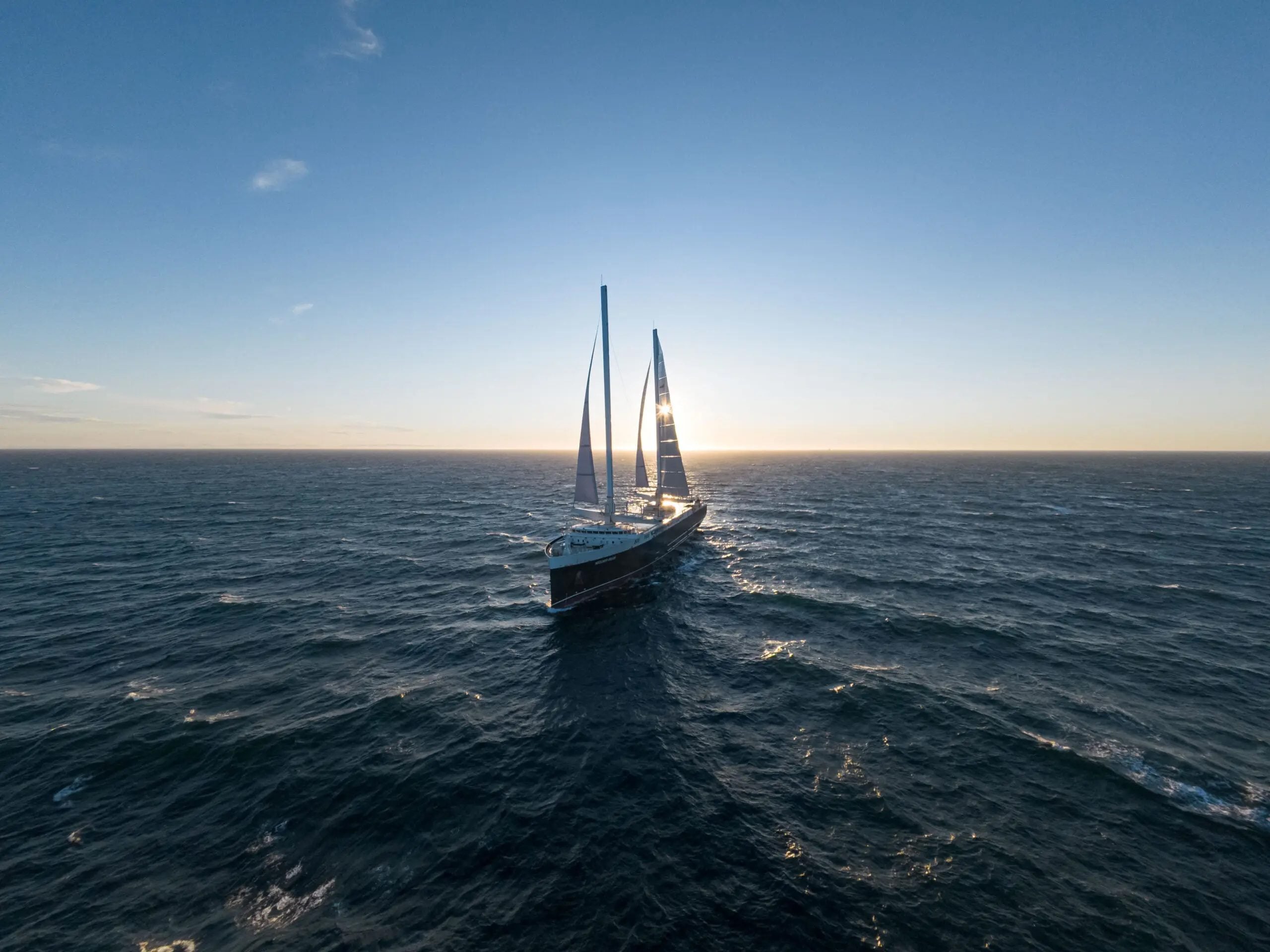
French shipping company Neoline says its wind-powered cargo vessel Neoliner Origin has delivered fuel savings of up to 70% during its first year of commercial service, offering an early test of whether wind propulsion can deliver substantial emissions reductions in transatlantic shipping.
The 136-meter roll-on/roll-off cargo ship, which entered service in October 2025, completed nine commercial round trips between Europe and North America, covering more than 62,000 nautical miles and carrying over 12,000 tonnes of cargo.
According to first-year operating results released by Neoline, the vessel reduced fuel consumption by an average of 66% over its first year compared with conventional vessels using the Global Logistics Emissions Council (GLEC) fleet reference. Savings reached 70% when considering 2026 operations alone.
The company estimates the vessel saved 3,502 tonnes of fuel over the full period, avoiding approximately 11,228 tonnes of CO2 emissions compared with the reference.
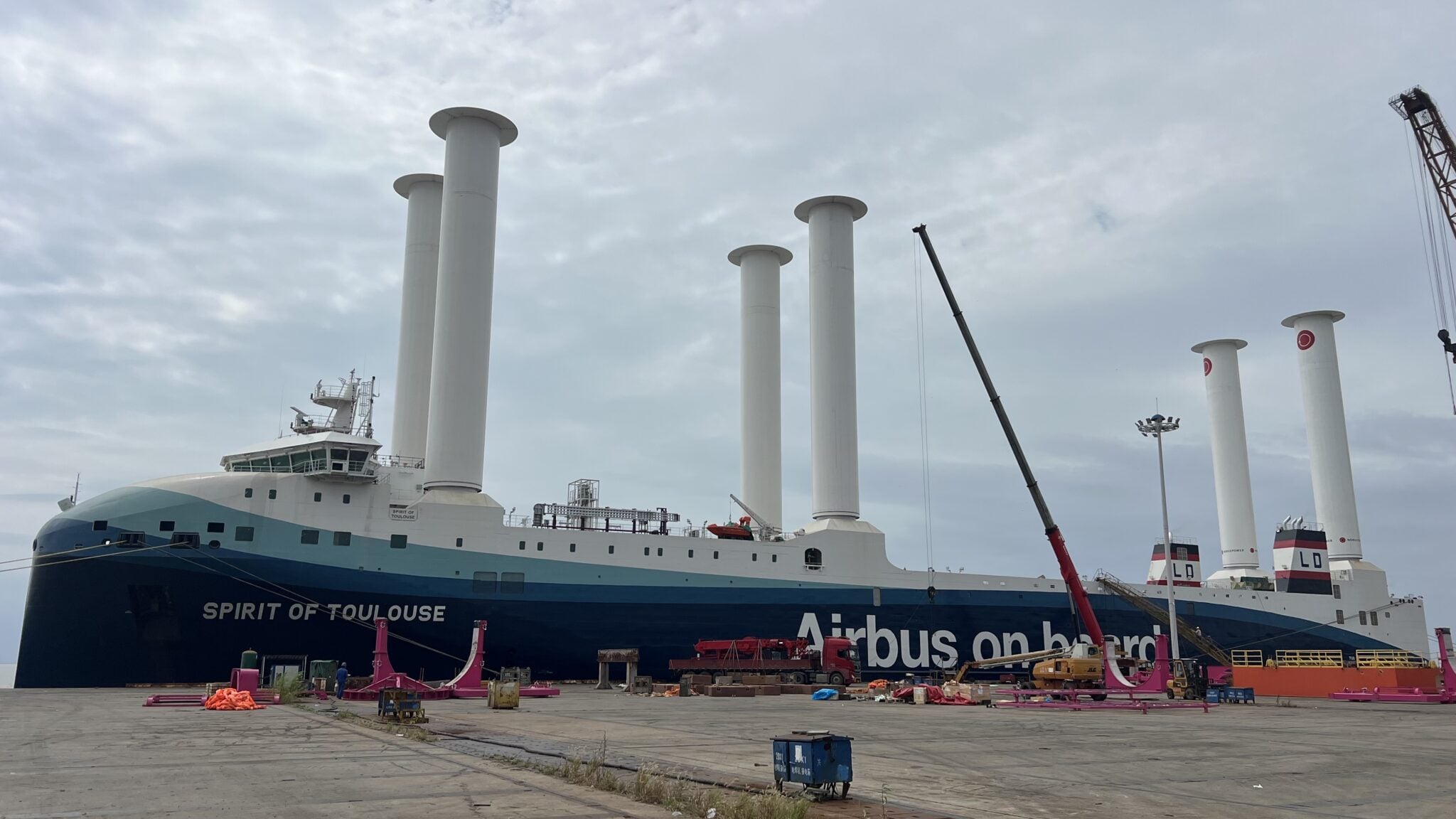
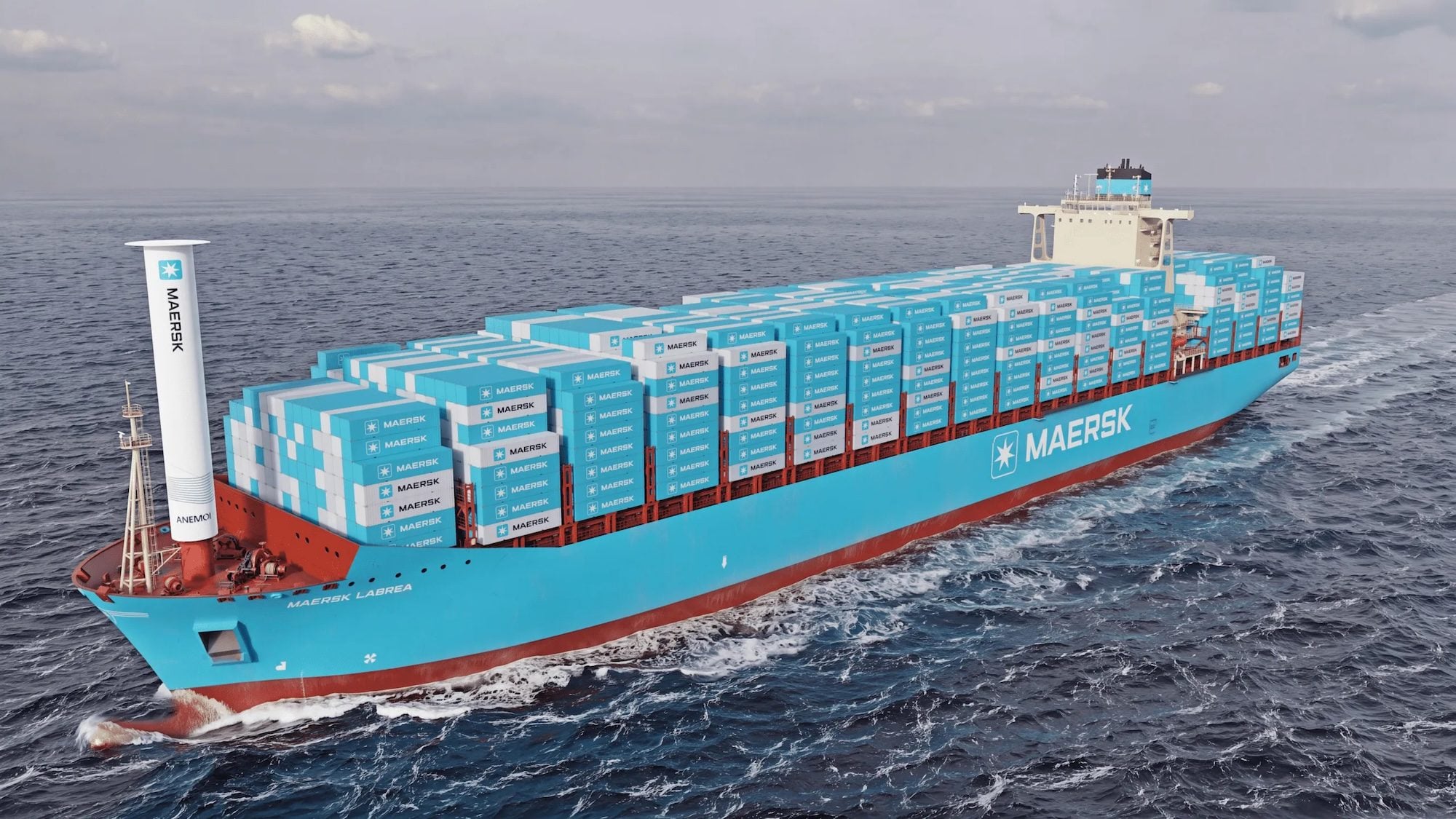
The Return of Sail Power: Cargo Ships Are Turning Back to the Wind
A separate analysis comparing Neoliner Origin with a simulated conventional vessel operating the same routes at 15 knots found fuel savings ranging from 62% to 67%, although Neoline acknowledged methodological uncertainty in the simulations.
The results come as shipowners increasingly explore wind propulsion as a way to reduce fuel consumption and emissions without relying entirely on alternative fuels or new bunkering infrastructure.
Unlike conventional cargo ships fitted with wind-assist technology, Neoliner Origin was designed from the outset to use wind as its primary means of propulsion, with its SolidSail system providing much of the power needed for transatlantic crossings.
Technical Challenges Remain
Despite the fuel savings, Neoline acknowledged that technical problems with the vessel’s sail system limited its performance during the first year.
The company said issues affecting the sails significantly reduced the time the vessel could operate under full sail, preventing it from realizing the system’s full potential.
When fully operational, however, Neoliner Origin has regularly exceeded 15 knots under sail alone. In June 2026, the vessel reached a peak speed through the water of 16.6 knots with its engine stopped.
Neoline is working with French shipbuilder Chantiers de l’Atlantique to address the problems, with a maintenance period scheduled for February 2027 to restore full use of the SolidSail rig.
The company is now targeting fuel savings of at least 78% against the GLEC fleet reference, with hopes of approaching or exceeding 80% during 2027.
“This first year of operations confirms the potential of wind propulsion to significantly reduce fuel consumption and CO2 emissions in maritime transport,” said Jean Zanuttini, chairman and CEO of Neoline.
“It has also been challenging, as can be expected when developing a prototype vessel, and has enabled us to draw valuable lessons to improve its performance.”
Commercial Service Expands
Beyond its environmental performance, the first year provided an opportunity to test the commercial viability of a wind-powered cargo service operating on a regular transatlantic schedule.
Neoliner Origin transported 1,845 cargo units totaling approximately 12,063 tonnes and nearly 56,000 cubic meters. Cargoes included vehicles, containers, oversized industrial equipment, machinery and refrigerated goods.
The vessel operates between Montoir-de-Bretagne in France and North America, with calls at Saint-Pierre-et-Miquelon, Baltimore and Halifax. In September, Neoline expanded the service with a new call at Zeebrugge, Belgium, providing additional access to European automotive, ro-ro and project cargo markets.
Neoline also reported developing commercial partnerships with CMA CGM and CEVA, while expanding its North American relationships, including with Canadian partner Montship.
The ship carried more than 170 passengers during its first year, reflecting another element of Neoline’s business model, which combines freight transportation with passenger crossings.
The results offer an early indication of what wind propulsion can achieve in commercial shipping, although the vessel’s technical challenges also highlight the difficulties of bringing the technology into regular service.
For Neoline, the next test will be whether improvements to the sail system can deliver more consistent performance while maintaining reliable cargo operations.
“We are confident in our ability to approach, and potentially exceed, 80% fuel savings as early as 2027,” Zanuttini said.

 Join The Club