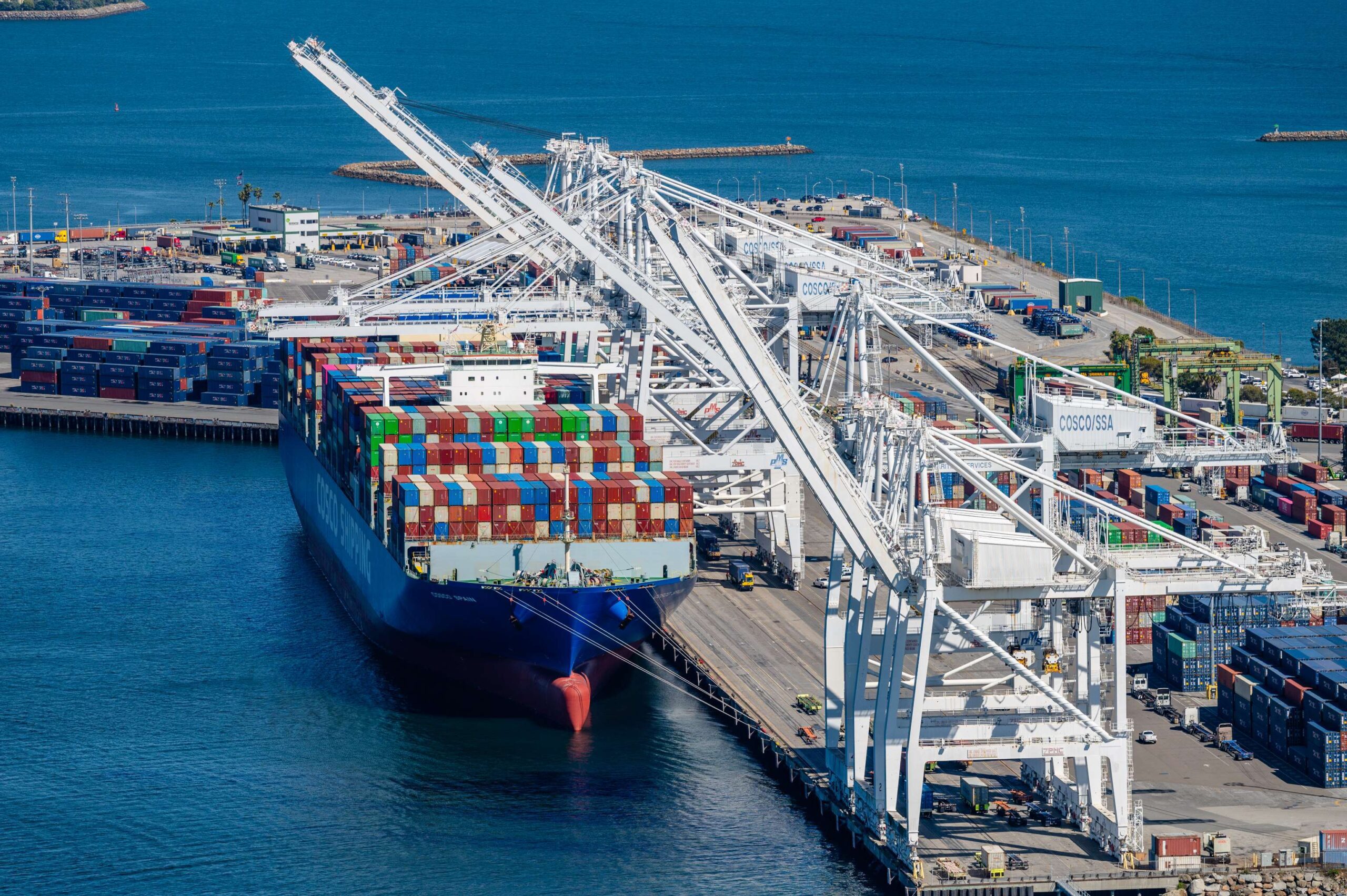
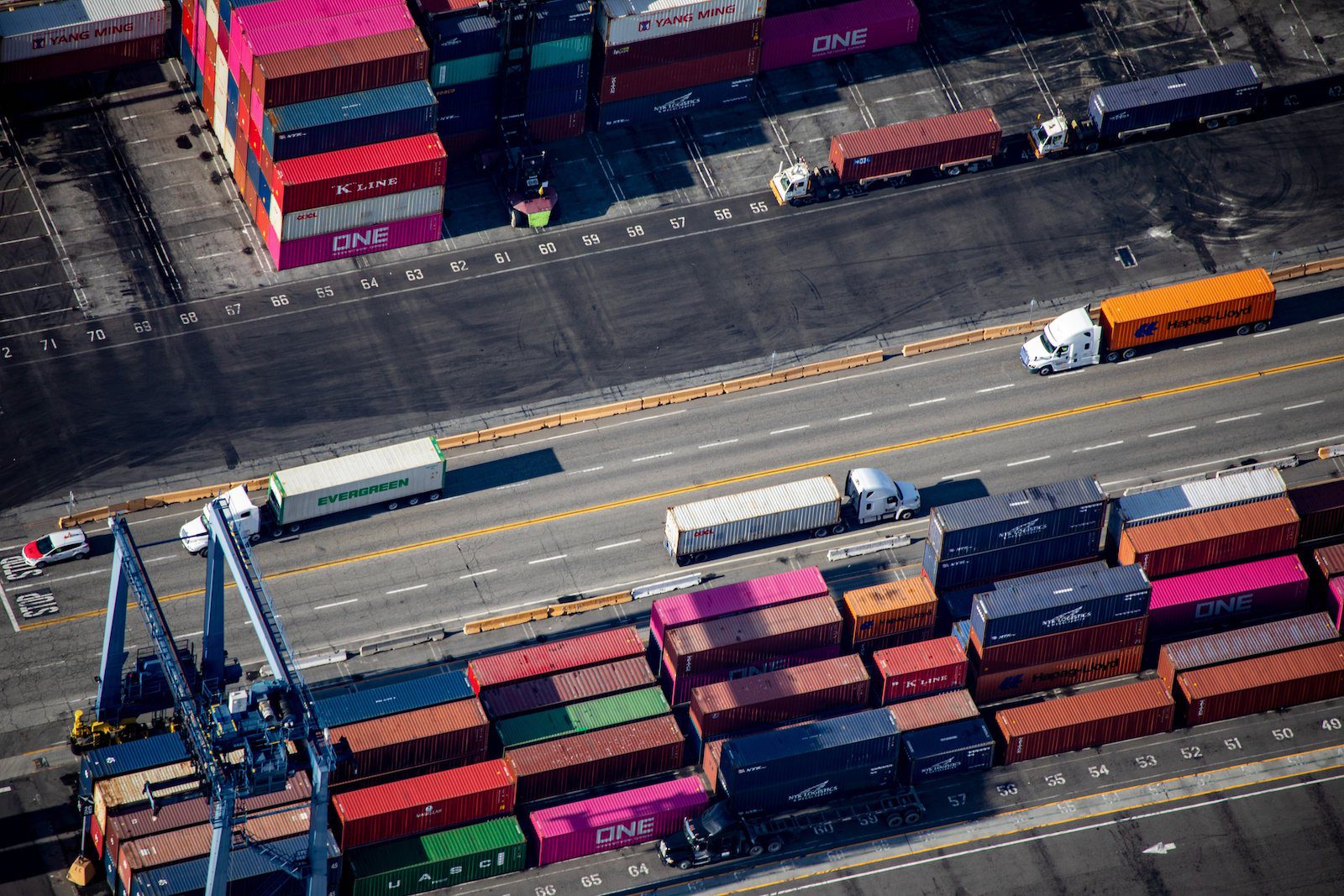
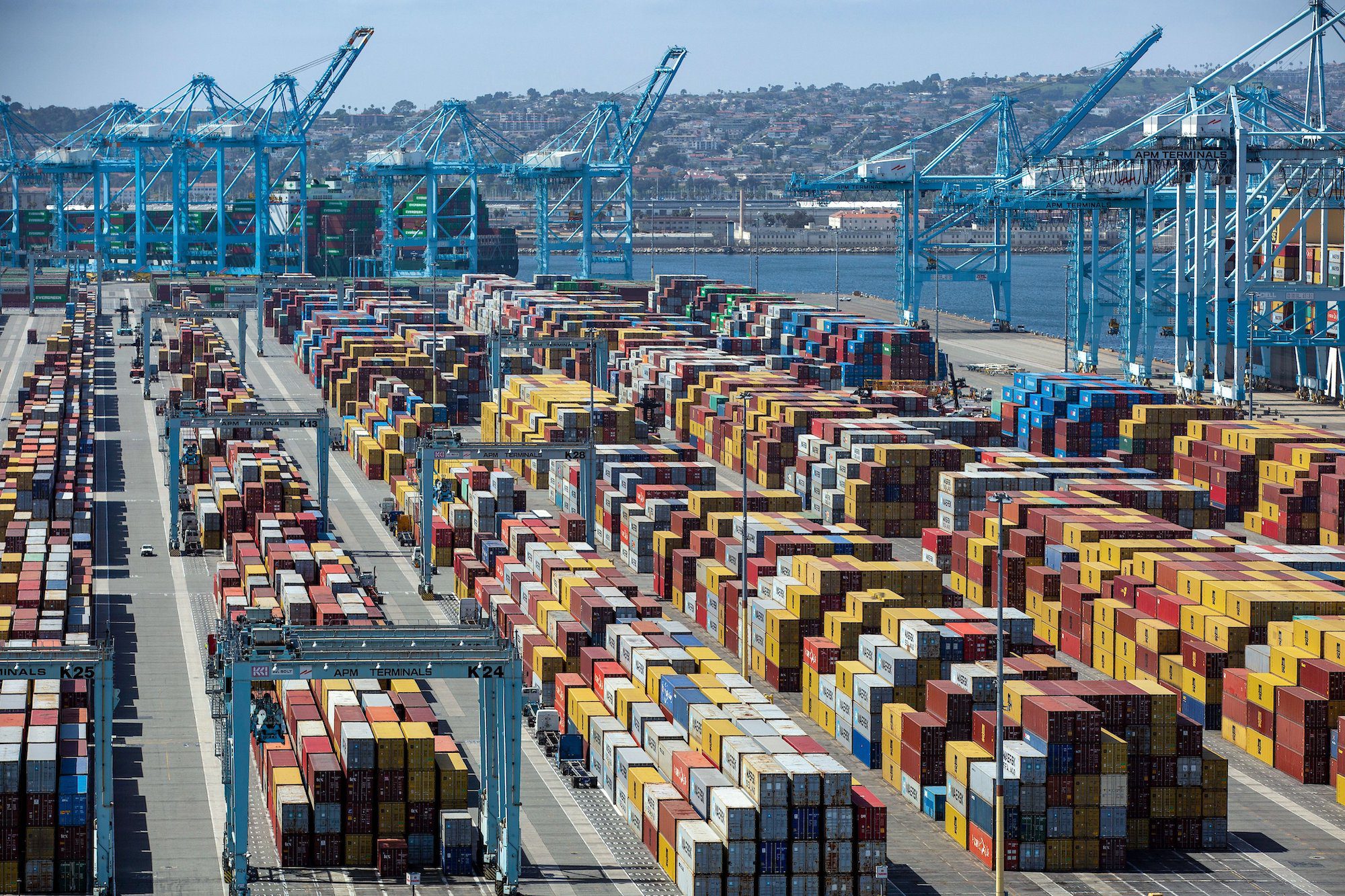
The nation’s two busiest container ports posted double-digit declines in January cargo volumes, but industry leaders say the dip reflects comparison against historic highs rather than structural weakness—even as Supreme Court intervention and rapid-fire tariff policy shifts inject fresh uncertainty into trans-Pacific trade lanes.
The Port of Long Beach moved 847,765 TEUs last month, down 11% year-over-year but still marking the facility’s second-busiest January on record. Sister port Los Angeles handled 812,000 TEUs, a 12% decline from the prior year’s elevated volumes.
Both gateways are comparing against January 2025, when importers frontloaded cargo ahead of anticipated tariff increases. “We’re comparing to elevated cargo levels from last January when importers were scrambling to get cargo in ahead of tariffs,” said Gene Seroka, Executive Director of the Port of Los Angeles. “Inventories also remain slightly higher, reflecting that earlier surge and a more cautious pace of restocking.”
Long Beach achieved its record-setting performance despite moving through a year shaped by policy volatility. The port handled 9.9 million TEUs in 2025, when “uncertainty prompted shippers to move goods before tariffs and reciprocal tariffs were implemented last spring,” according to Port CEO Dr. Noel Hacegaba.
“We are leading the nation in trade, and providing a safe harbor in the sea of tariff and trade uncertainty for our customers and the goods movement industry,” Hacegaba said during a Supply Chain Insight virtual media briefing. “No matter what happens with cargo volume, the Port of Long Beach has the capacity, infrastructure and workforce to move goods quickly, efficiently and reliably.”
The confidence comes as the trade policy landscape shifts beneath carriers and beneficial cargo owners. The Supreme Court’s February 20 ruling struck down tariffs imposed under the International Emergency Economic Powers Act, potentially triggering refunds exceeding $90 billion. Within hours, President Trump announced a replacement 10% global tariff under different statutory authority.
“While this decision ruled on the legality of the IEEPA tariffs, it did little to remove the uncertainty we’ve seen – and continue to see – across the global supply chain,” Hacegaba said. “Our customers are seeking clarity on whether tariffs already paid will be refunded, and consumers are seeking relief from higher prices.”
Moody’s Ratings warned that any import surge from the court’s decision may prove short-lived. “We expect the Trump administration to pursue these routes to preserve tariffs and achieve its trade agenda, potentially increasing the cost of goods once again,” the rating agency said in an analysis released today.
Andrei Quinn-Barabanov, Moody’s Supply Chain Industry Practice Lead, said the whipsaw policy changes is causing headaches for businesses. “Ongoing uncertainty around tariff rates, duration, and exemptions makes long-term planning challenging,” she said.
The export picture remains particularly soft. Los Angeles recorded its lowest outbound volume in nearly three years at 104,297 loaded TEUs. Empty container repositioning declined at both facilities—down 11.5% at Long Beach and 12% at Los Angeles.
Still, port executives point to signs of underlying demand resilience. Seroka noted that purchase orders placed with Asian manufacturers roughly three months in advance appear steady. “U.S. trade policy continues to keep everyone on edge,” he said. “However, the American consumer has shown remarkable resilience.”
If IEEPA tariffs are not replaced or new levies remain moderate, Moody’s expects major gateways including Los Angeles and Long Beach could see rapid volume increases in coming months—along with potential yard congestion, longer dwell times, and equipment constraints as carriers adjust sailing schedules.
“The Port of Los Angeles and its network of supply chain partners stand ready to manage any fluctuation in cargo and get it through the system swiftly,” Seroka said.
Long Beach Harbor Commission President Frank Colonna struck a similarly confident note: “Our cargo numbers show the Port of Long Beach continues to be the Port of Choice for our customers. We are well on our way to another busy year for cargo.”
Editorial Standards · Corrections · About gCaptain

 Join The Club