The Supreme Court’s decision striking down sweeping tariffs imposed under emergency powers may provide a temporary lift to U.S. port volumes—but the bump could fade quickly as trade policy uncertainty persists, according to a new analysis from Moody’s Ratings.
The February 20 ruling invalidated tariffs imposed under the International Emergency Economic Powers Act (IEEPA), potentially triggering refunds on more than $90 billion in collected duties. Moody’s said removing those tariffs should lower landed costs on a wide range of consumer and intermediate goods, supporting import volumes and restocking activity—a credit positive for gateway ports.
But the relief may prove fleeting.
Within hours of the decision, President Trump announced a 10% global tariff for 150 days under Section 122 of the Trade Act of 1974. The new tariff began collection Tuesday. Confusion emerged after the rate remained at 10% despite earlier comments suggesting it could rise to 15%.
“We expect the Trump administration to pursue these routes to preserve tariffs and achieve its trade agenda, potentially increasing the cost of goods once again,” Moody’s said.
The agency cautioned that any sustained import surge will depend on how quickly and broadly new tariffs are imposed—and whether refunds on previously collected duties materialize.
Andrei Quinn-Barabanov, Moody’s Supply Chain Industry Practice Lead, said the shifting landscape is straining commercial relationships. “The immediate impacts of the Supreme Court’s tariff decision and the new global levy have introduced new pressures on customer–supplier relationships,” he said. “Ongoing uncertainty around tariff rates, duration, and exemptions makes long-term planning challenging.”
Maintaining continuity may require temporary cost-sharing arrangements and shorter-term contracts, he added, warning supply chain leaders to prepare executives for higher component and material costs this year.
Importantly, the ruling affects only IEEPA-based tariffs. Section 232 measures on steel and aluminum and Section 301 tariffs on Chinese goods remain in place—limiting potential gains for certain bulk and manufactured imports.
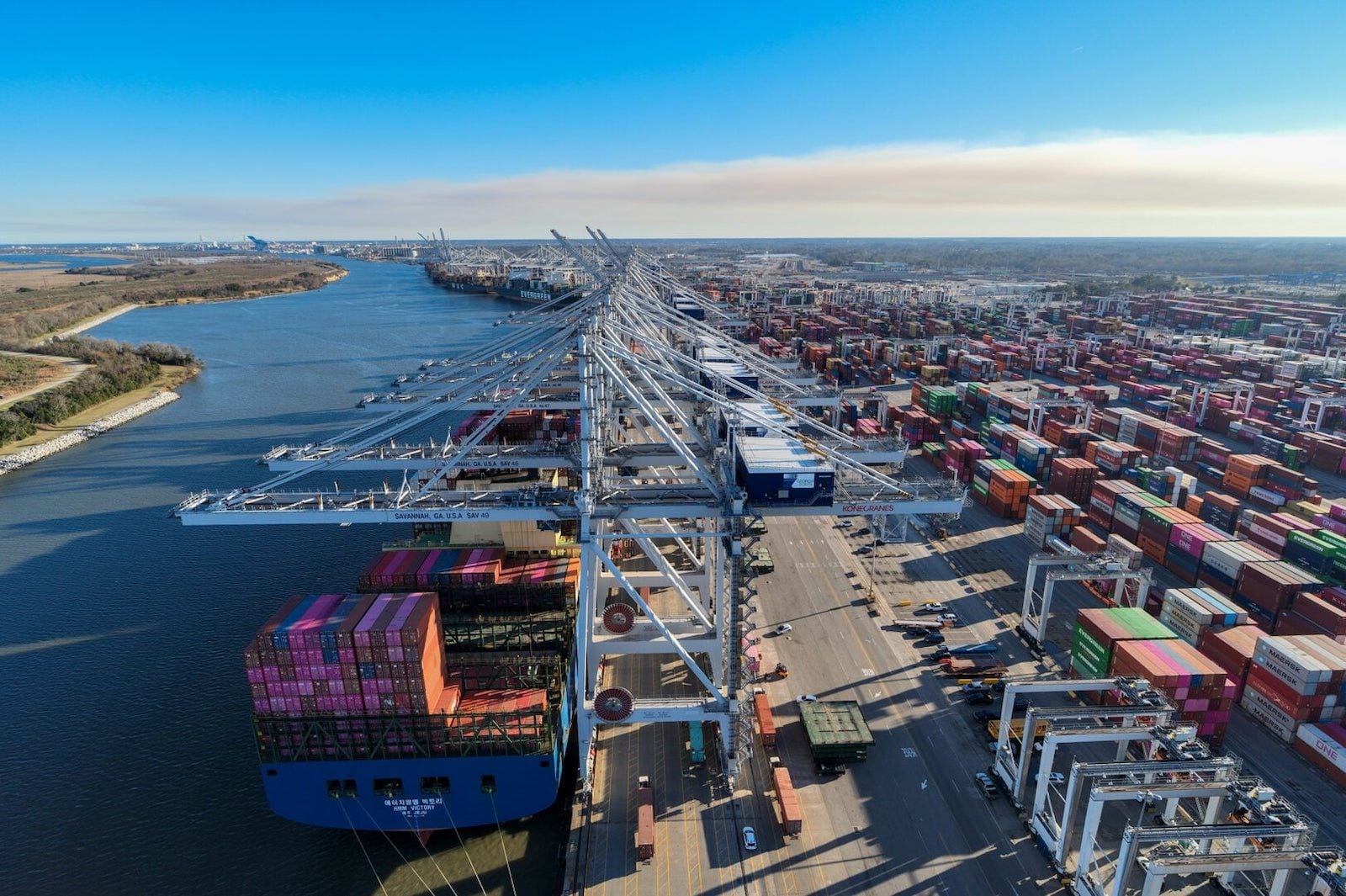
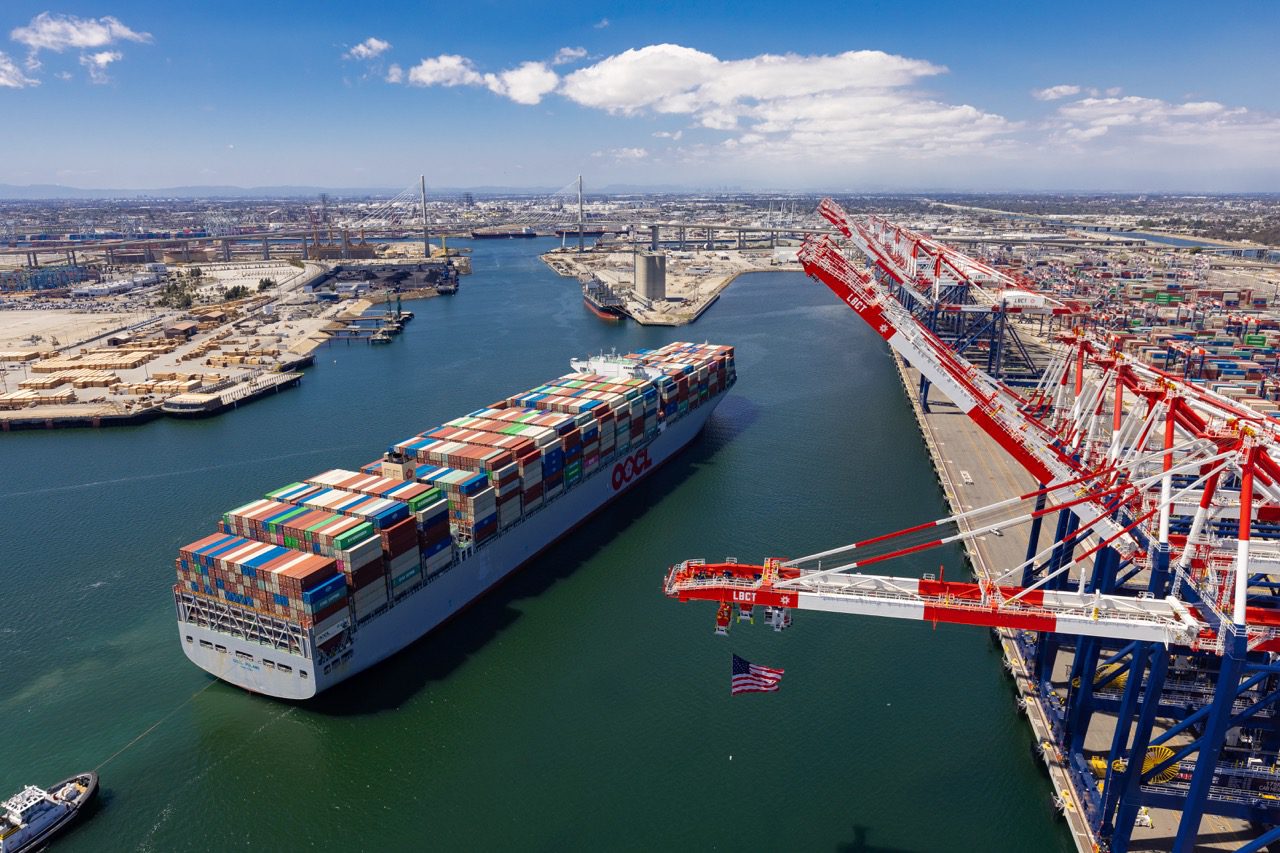
For major U.S. gateways including Los Angeles, Long Beach, New York/New Jersey, and Savannah, lower tariff exposure could prompt front-loaded imports in the first half of the year. However, Moody’s expects continued volume volatility throughout 2026 as legal and policy uncertainty lingers.
The refund question remains unresolved. For fiscal 2025, direct tariff revenue collected under IEEPA exceeded $90 billion—roughly 45% of total tariff revenue—and could reach $129 billion when estimated duty deposits are included, according to Moody’s. If refunds are issued, improved liquidity could support inventory replenishment. But new tariffs under alternative authorities could offset those gains.
Gene Seroka, Executive Director of the Port of Los Angeles, acknowledged the uncertainty.
“There is not yet clarity on whether there will be refunds from the U.S. Treasury Department on tariffs already paid,” Seroka said. “The Port of Los Angeles and its network of supply chain partners stand ready to manage any fluctuation in cargo and get it through the system swiftly.”
If IEEPA tariffs are not replaced, Moody’s said ports could see rapid volume increases—along with potential yard congestion, longer dwell times, and chassis or truck constraints as carriers reshuffle sailing schedules. Higher throughput would also lift wharfage and concession revenues, improving port liquidity.
Meanwhile, litigation over refunds is already underway. Plaintiffs have filed coordinated motions in federal court seeking repayment with interest. The Penn-Wharton Budget Model estimates more than $175 billion in federal revenue was collected under the now-invalid tariffs.

 Join The Club